News
-
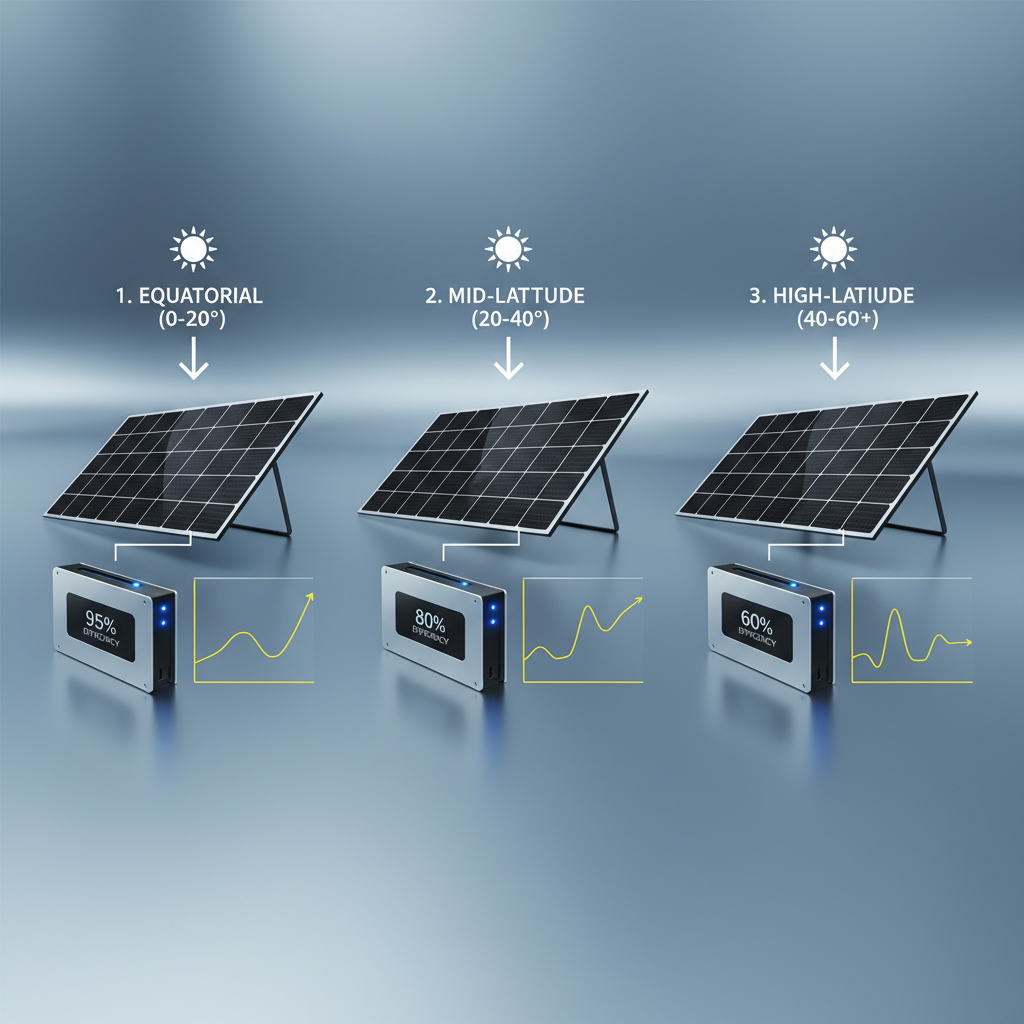 Understanding how latitude affects solar panel efficiency is crucial for optimizing energy production. The angle of the sun varies significantly depending on your location, impacting the amount of sunlight your panels receive. This article will explore the relationship between latitude, sun angles, and solar panel performance, providing insights into how to maximize your return on investment. We'll delve into factors like optimal tilt angles and seasonal adjustments to help you achieve peak energy output, regardless of where you are located. Choosing the right system for your latitude significantly impacts long-term energy savings. The Earth's tilt and its orbit around the sun cause varying levels of solar radiation throughout the year and at different latitudes. Locations closer to the equator receive more direct sunlight throughout the year, leading to higher potential energy production. As you move towards the poles, the sun’s angle becomes lower, resulting in less intense sunlight and shorter days, particularly during winter.Read more
-
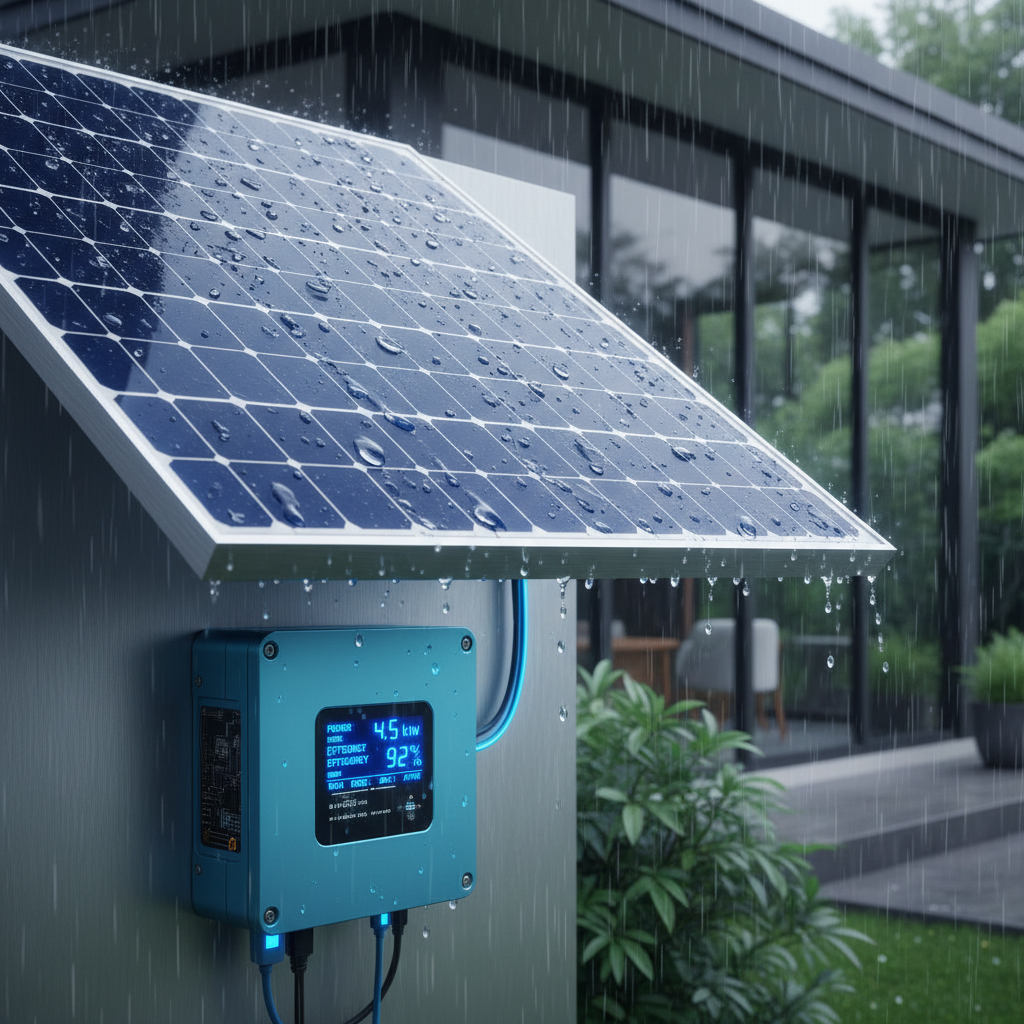 Rain can seem like an enemy of solar energy, but its impact on solar panel efficiency is more nuanced than you might think. While heavy downpours temporarily reduce output, rain also offers a cleaning effect, potentially boosting long-term performance. This article will explore how rain affects solar panel output, the benefits of rainwater cleaning, and what you can do to optimize your system’s performance in all weather conditions. We’ll delve into the science behind it, and provide practical insights for maximizing your solar investment.Read more
-
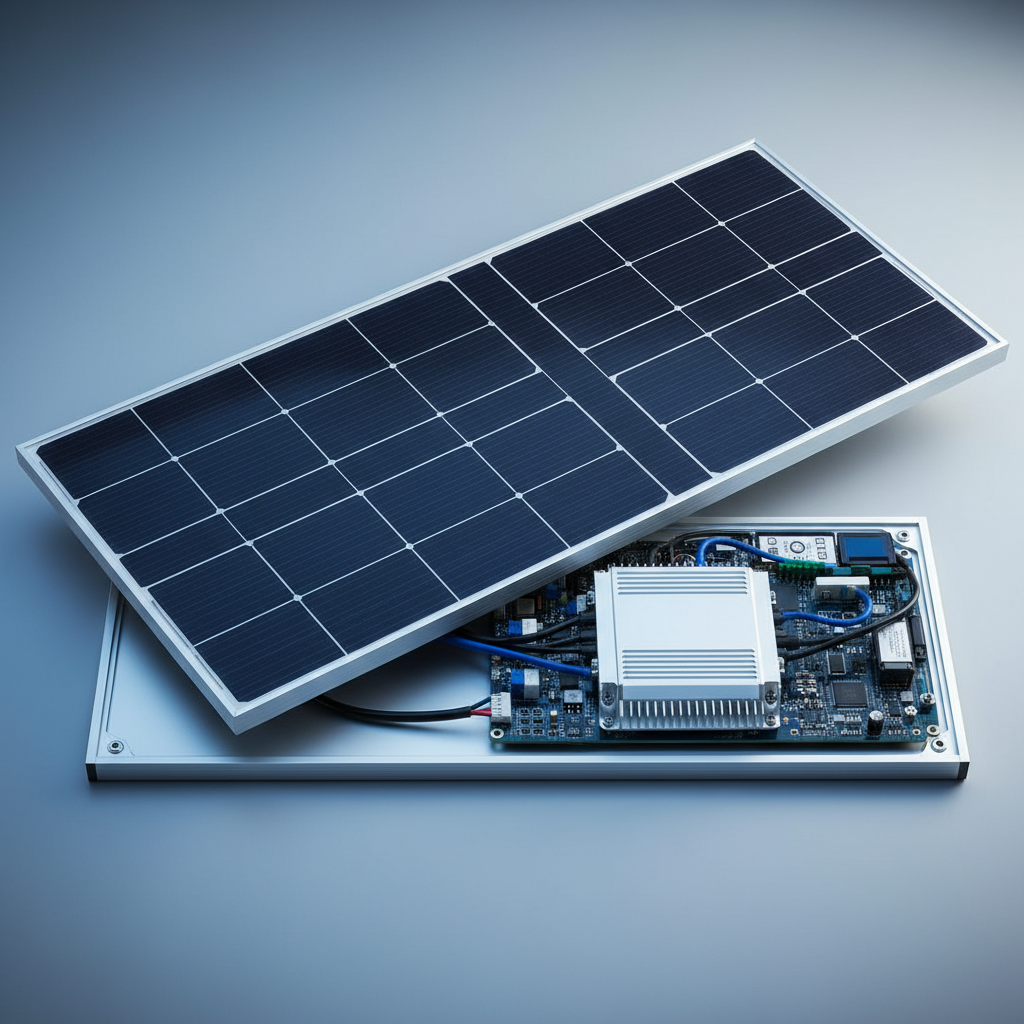 Embarking on off-road adventures demands reliable power solutions. A solar panel for 4x4 roof offers a sustainable and efficient way to keep your devices charged, run accessories, and extend your time away from civilization. This article explores the benefits, considerations, and options for equipping your 4x4 with a solar power system, focusing on the high-quality solutions available from Benjiu Solar. Investing in a robust solar setup empowers your adventures, providing energy independence and peace of mind. The advantages of installing a solar panel on your 4x4 roof are numerous. Primarily, you gain energy independence, reducing reliance on vehicle batteries and external charging sources. This is crucial for extended off-grid expeditions. Solar power minimizes noise pollution compared to generators, allowing you to enjoy the tranquility of the outdoors. Furthermore, it's an environmentally friendly solution, utilizing renewable energy and reducing your carbon footprint. From powering refrigerators and lights to charging cameras and communication devices, a solar setup keeps your essential equipment running smoothly.Read more
-
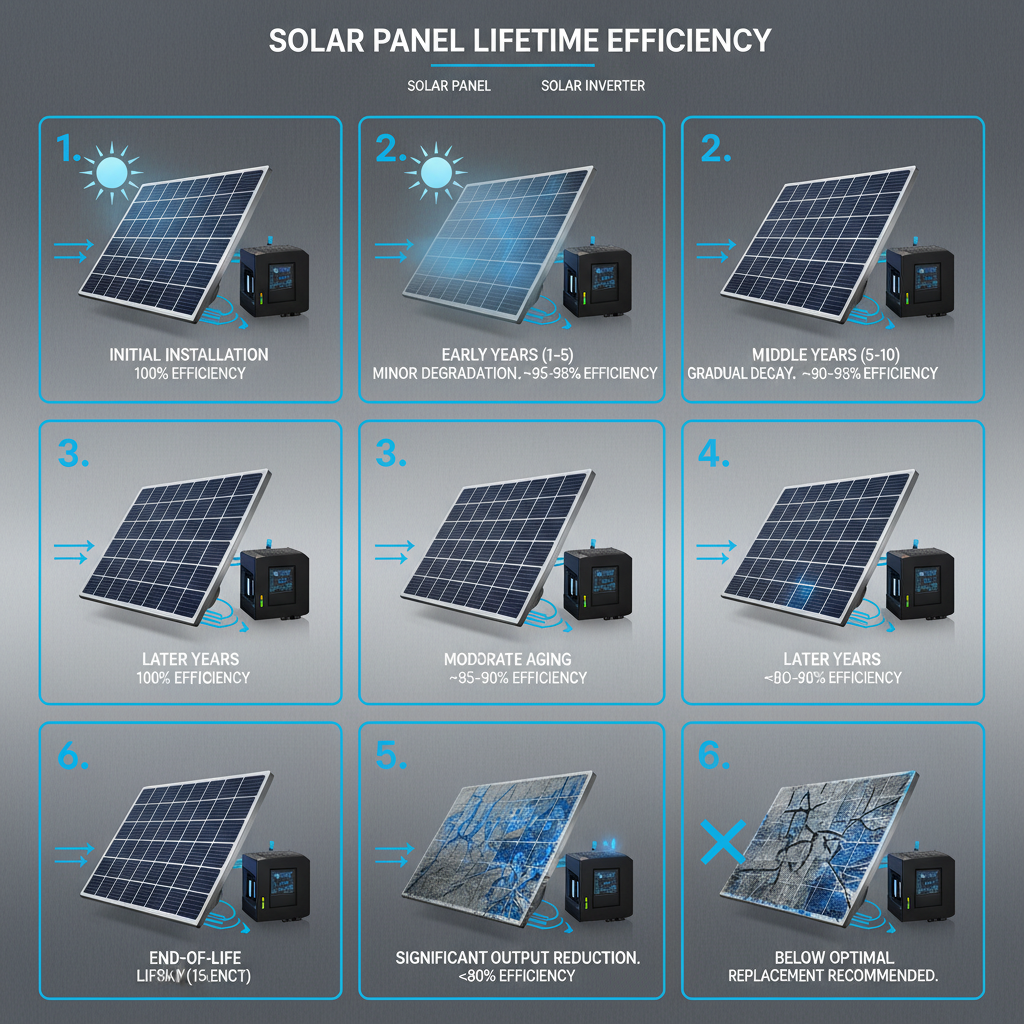 The efficiency of a solar panel isn't static; it degrades over time. Understanding solar panel lifetime efficiency is crucial for maximizing your return on investment and planning for long-term energy production. This article delves into the factors affecting panel efficiency, typical degradation rates, technologies that enhance longevity, and how to choose panels for optimal performance. Benjiu Solar provides high-quality, durable panels designed for sustained efficiency. Several factors contribute to the gradual decline in solar panel efficiency. These include prolonged exposure to ultraviolet (UV) radiation, thermal cycling (repeated heating and cooling), humidity, and physical stress (e.g., from hail or snow). UV radiation can cause delamination of the encapsulant material protecting the solar cells. Thermal cycling creates stress on the solder bonds connecting the cells, and humidity can lead to corrosion. Manufacturing quality and the type of solar cell technology used also play significant roles.Read more
-
 Maximizing energy production from your solar investment hinges on understanding solar panel output efficiency. This critical metric dictates how effectively a panel converts sunlight into usable electricity. In this article, we'll explore the factors influencing efficiency, current industry standards, and how Benjiu Solar strives to deliver high-performance panels. We'll cover everything from cell technology to real-world conditions, helping you make an informed decision for your energy needs. Investing in efficient solar panels directly translates to higher savings and a faster return on investment. Solar panel output efficiency is the percentage of sunlight that a solar panel converts into electricity. It's a key factor in determining the overall performance and cost-effectiveness of a solar energy system. A higher efficiency rating means a panel can generate more power from the same amount of sunlight, requiring less roof space to achieve a desired energy output. For example, a 20% efficient panel will convert 20% of the sunlight hitting it into electricity, while the remaining 80% is lost due to factors like heat and reflection. Understanding this metric is crucial when comparing different solar panels and evaluating their long-term value.Read more
-
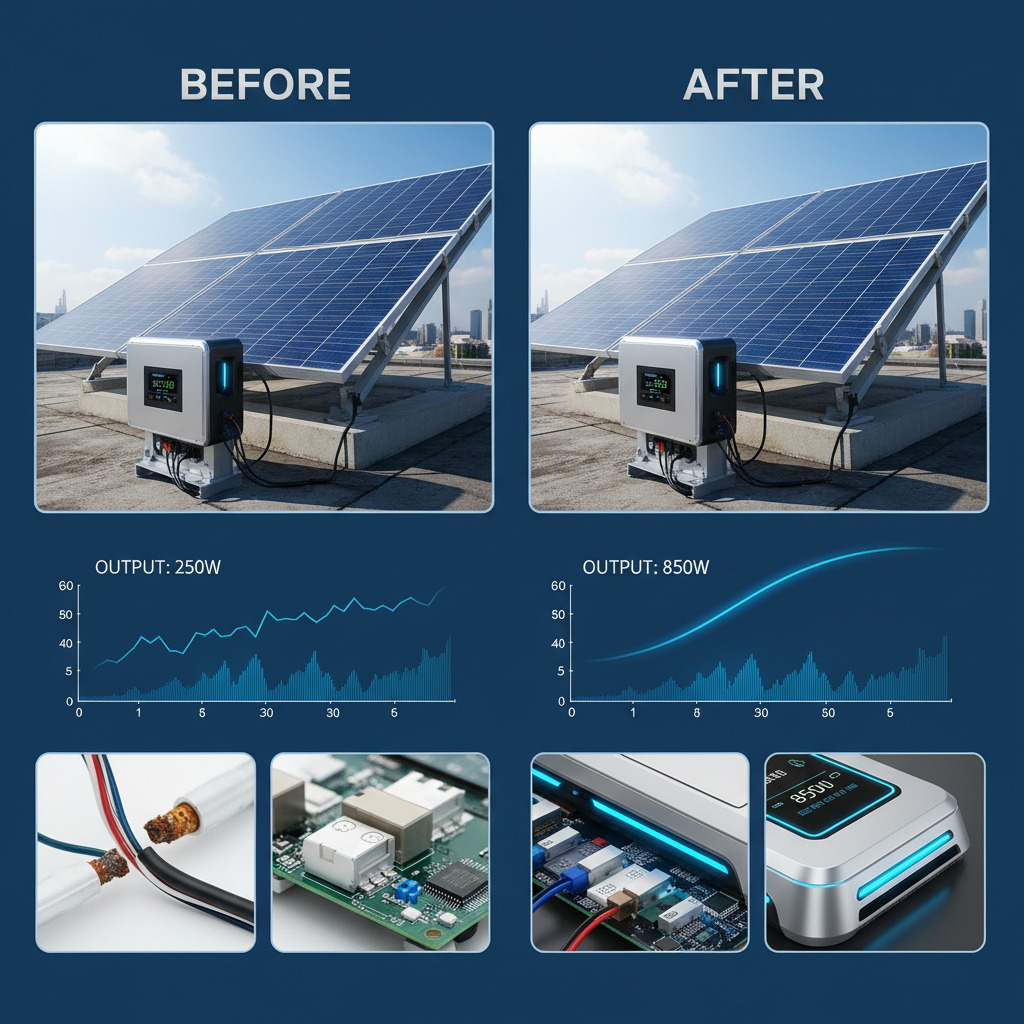 Understanding how solar panel output changes over time is crucial for maximizing your return on investment. Factors like degradation, temperature, shading, and maintenance all play a role. This article provides a comprehensive overview of these influences, helping you make informed decisions about your solar energy system. We'll explore how to monitor performance and optimize your system for longevity and efficiency. All solar panels experience degradation over time, meaning their power output gradually decreases. This is a natural process caused by exposure to sunlight, temperature fluctuations, and other environmental factors. Most manufacturers guarantee their panels will produce at least 80% of their original rated power after 25 years.Read more