News
-
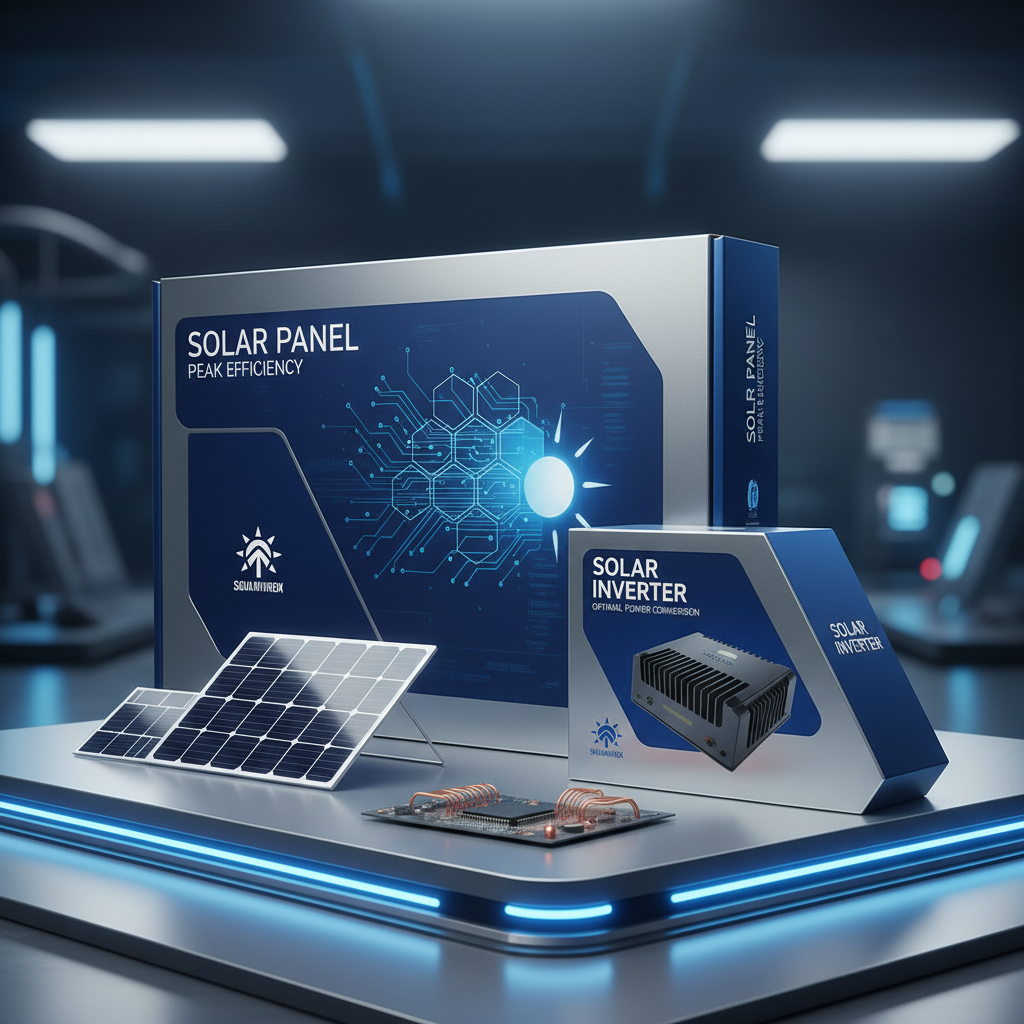 Maximizing energy production from your solar investment hinges on understanding solar panel peak efficiency. This critical metric represents the maximum power a panel can generate under ideal laboratory conditions. However, real-world performance rarely matches these ideals. This article will delve into the factors affecting peak efficiency, how to interpret these specifications, and how Benjiu Solar delivers high-efficiency panels designed to optimize your return on investment. Choosing panels with a high peak efficiency rating is the first step toward harnessing the full potential of solar energy. Solar panel peak efficiency is the percentage of sunlight that a solar panel converts into usable electricity under Standard Test Conditions (STC). STC include a cell temperature of 25°C (77°F) and solar irradiance of 1000 W/m². A higher percentage indicates greater efficiency. For instance, a 20% efficient panel will produce 200 watts of power from a 1000-watt square meter of sunlight.Read more
-
In the pursuit of sustainable energy, solar panel power efficiency is a crucial factor. It dictates how effectively sunlight is converted into usable electricity. Higher efficiency translates to more power generated from a given surface area, reducing costs and maximizing energy yield. This article will explore the key elements influencing solar panel efficiency, the various types of solar panels, and how Benjiu Solar is committed to delivering high-performance solar solutions. Understanding these concepts is essential for anyone looking to invest in solar energy. Several factors contribute to the overall power efficiency of a solar panel. These include the type of solar cell used (monocrystalline, polycrystalline, or thin-film), the quality of the materials, manufacturing processes, and environmental conditions. Temperature plays a significant role – higher temperatures typically decrease efficiency. Sunlight intensity and angle of incidence also affect performance.Read more
-
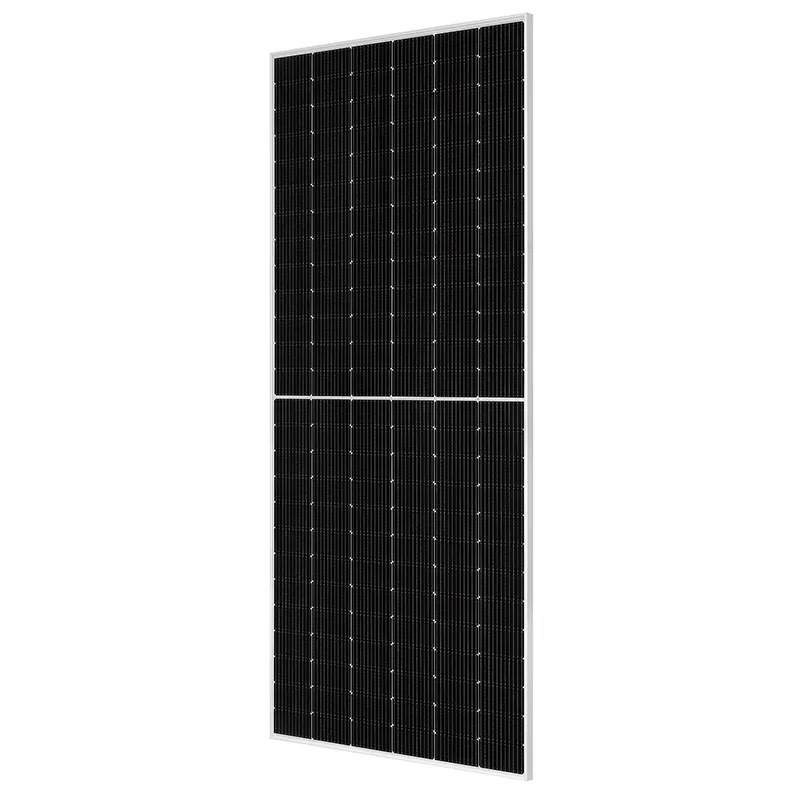 Discover high-efficiency solar solutions with 25-year warranty. HeBei Benjiu New Energy offers versatile residential solar panels for sustainable energy. Explore now: https://www.benjiusolar.comRead more
-
Considering a switch to solar energy is a smart investment for both your wallet and the planet. But before diving in, it's crucial to understand the various factors influencing your solar panel project cost. This article will break down the typical expenses involved, from equipment to installation, and explore ways to potentially lower your investment. We'll guide you through the financial landscape of solar energy, helping you make an informed decision. Benjiu Solar is here to help! The overall solar panel project cost isn't a single number. It's a sum of several key components. The solar panels themselves represent a significant portion of the cost, followed by the inverter, which converts DC electricity to AC. Mounting hardware, wiring, and other electrical components also add to the expenses. Don't forget to factor in permitting fees and the cost of labor for professional installation. A quality system from Benjiu Solar ensures long-term reliability and performance.Read more
-
Considering solar energy for your home or business? A crucial step is understanding the cost of installing solar panels, particularly the price per square foot. This figure helps you budget effectively and compare quotes. At Benjiu Solar, we specialize in providing affordable and efficient solar solutions tailored to your needs. This article will break down the factors influencing solar panel roof cost per square foot, providing a comprehensive guide for informed decision-making. Several factors contribute to the final cost per square foot for solar panel installation. These include the type of panels used, the complexity of your roof, labor costs, permitting fees, and any necessary electrical upgrades. Higher-efficiency panels typically come with a higher price tag, but they generate more electricity for the same amount of space. Roof pitch, obstructions like chimneys, and the material of your roofing all impact installation complexity and, therefore, cost.Read more
-
The pursuit of sustainable energy solutions has led to significant advancements in solar panel technology. A crucial aspect of evaluating these advancements is understanding solar panel theoretical efficiency – the maximum possible efficiency a solar cell can achieve under ideal conditions. This article delves into the factors influencing this efficiency, explores different types of solar cells and their theoretical limits, and discusses ongoing research aimed at surpassing these boundaries. We'll explore the science behind maximizing sunlight conversion and how Benjiu Solar is contributing to a more efficient future. Theoretical efficiency isn’t simply about how much sunlight hits a panel; it's a complex calculation governed by fundamental physics. Several key factors come into play. First, the Shockley-Queisser Limit dictates a theoretical maximum efficiency of around 33.7% for a single-junction silicon solar cell. This limit arises from unavoidable energy losses within the cell. These losses include: Transmission Losses: Photons with energy below the silicon bandgap are not absorbed. Thermalization Losses: Photons with energy above the bandgap generate electron-hole pairs, but the excess energy is lost as heat. Recombination Losses: Electron-hole pairs recombine before contributing to the electrical current.Read more