News
-
 In today’s world, harnessing renewable energy is more crucial than ever. Small solar panels with high efficiency are becoming increasingly popular for a wide range of applications, from powering portable devices to supporting off-grid living. This article explores the benefits of high-efficiency small solar panels, their applications, key considerations when choosing them, and why Benjiu Solar is a leading provider of these innovative solutions. As demand for sustainable energy solutions grows, understanding the potential of small, efficient solar panels is paramount. High-efficiency small solar panels offer several advantages over traditional solar solutions. The most significant benefit is their ability to generate more power in a smaller footprint. This is particularly important for applications where space is limited, such as RVs, boats, and portable power stations. Moreover, high-efficiency panels perform better in low-light conditions, maximizing energy production even on cloudy days.Read more
-
 Investing in small solar panels for your roof is a smart move towards energy independence and reducing your carbon footprint. However, with so many options available, selecting the right panels can feel overwhelming. This article provides a detailed guide to understanding the key factors to consider when purchasing small solar panels for your roof, ensuring you make an informed decision that aligns with your energy needs and budget. We’ll cover everything from panel types to installation considerations, helping you harness the power of the sun efficiently and effectively. The solar panel market offers various technologies, each with its pros and cons. Monocrystalline panels are known for their high efficiency and sleek black appearance, making them a popular choice for residential roofs. Polycrystalline panels are typically more affordable but slightly less efficient. Thin-film panels are flexible and lightweight, suitable for unconventional roof shapes, but generally have the lowest efficiency. When selecting panels from Benjiu Solar, understanding these differences is vital to optimize your investment based on space and energy requirements.Read more
-
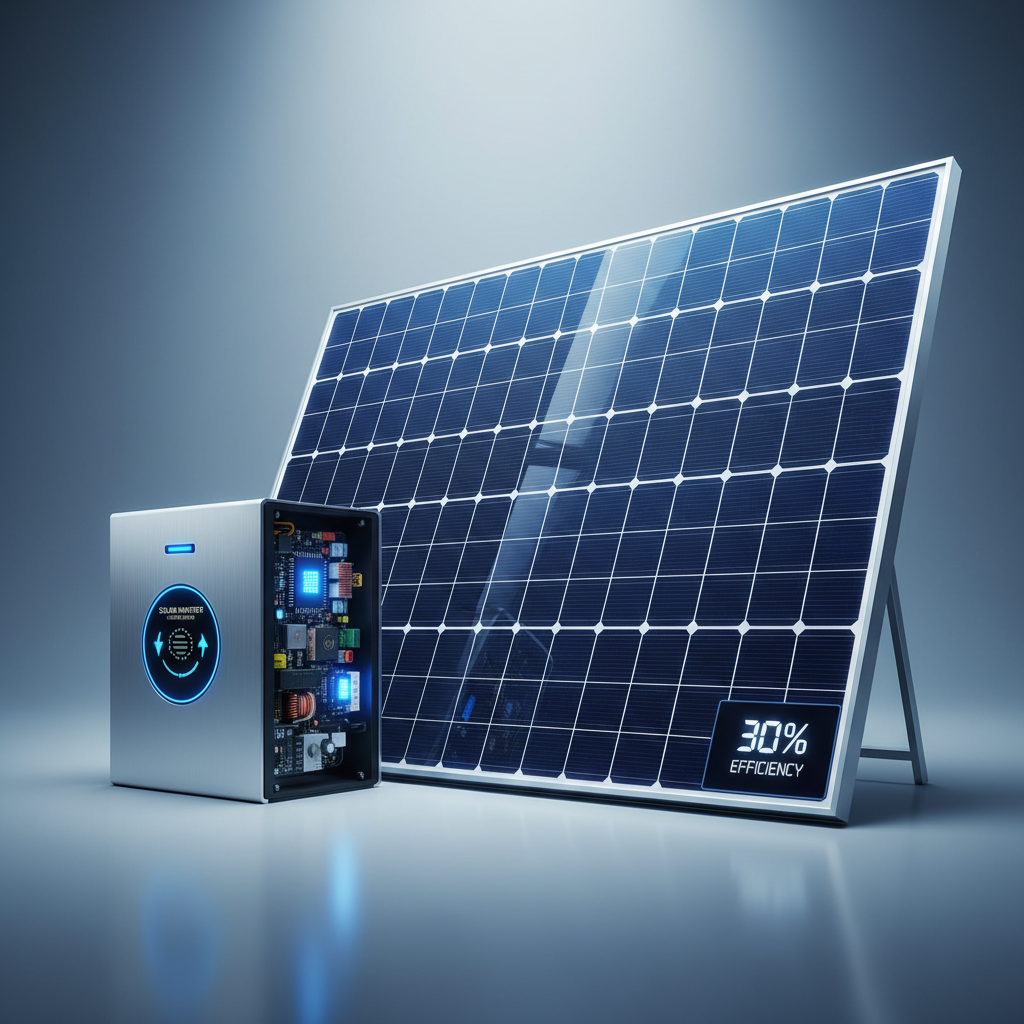 In the rapidly evolving world of renewable energy, maximizing the efficiency of solar panels is crucial for reducing costs and accelerating the transition to sustainable power. A solar panel 30 efficiency rating represents a significant advancement in photovoltaic technology. This article will explore what this level of efficiency means, the technologies driving it, its benefits, and what you should consider when choosing high-efficiency panels. We'll also delve into how Benjiu Solar is at the forefront of delivering these innovative solutions. Solar panel efficiency refers to the percentage of sunlight that is converted into usable electricity. A 30% efficient solar panel means that for every 1000 watts of sunlight hitting the panel, 300 watts of electricity are generated. This is a substantial improvement over standard solar panels, which typically have efficiencies ranging from 15% to 20%. Higher efficiency translates directly into more power generation from the same surface area, which is particularly important for installations with limited roof space or land availability. Benjiu Solar focuses on maximizing efficiency to deliver optimal energy output for our clients.Read more
-
 Determining the correct solar panel array size is crucial for maximizing your return on investment and achieving energy independence. This involves a careful consideration of your energy needs, available space, and budget. A properly sized array will generate enough electricity to meet your demands without unnecessary overspending. This article will explore the key factors involved in calculating solar panel array size, providing a comprehensive guide for homeowners and businesses alike. Investing in a well-planned solar system ensures long-term savings and a sustainable energy source. Several factors directly influence the appropriate solar panel array size. Your average daily energy consumption is the starting point. This can be determined by reviewing your electricity bills over the past year. Roof space and orientation are also vital; south-facing roofs generally receive the most sunlight. Shading from trees or buildings must be considered, as it can significantly reduce energy production.Read more
-
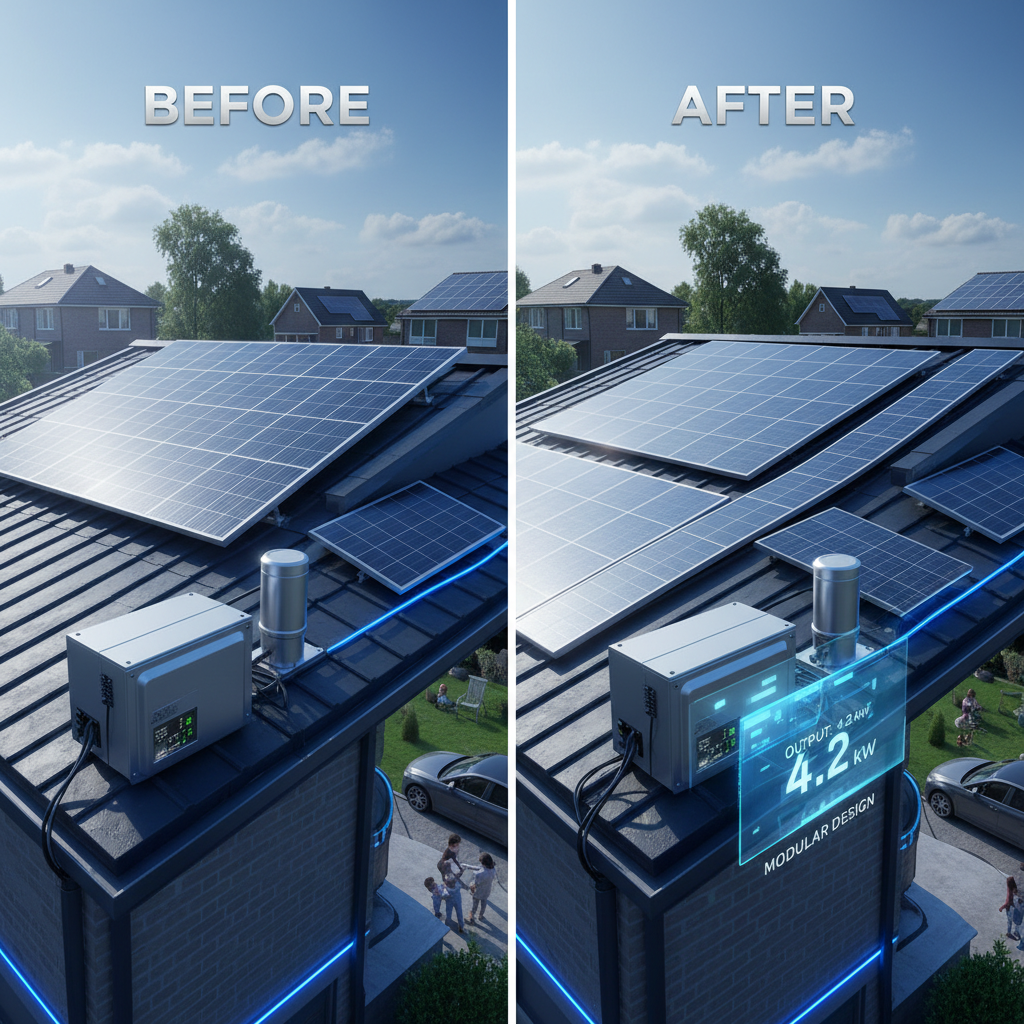 Choosing the right solar panel size is crucial for maximizing energy production and optimizing your investment. The range of solar panel available sizes can seem daunting, but understanding your energy needs and available space can simplify the process. This article will explore the common solar panel sizes, their applications, and how to determine the best fit for your residential or commercial project. From small, portable panels to large-scale installations, we'll cover everything you need to know to make an informed decision. Solar panels aren't one-size-fits-all. They come in various dimensions, primarily dictated by the number of solar cells they contain. The most common sizes are designed for residential and commercial rooftops. These sizes are standardized to facilitate installation and compatibility with racking systems. Understanding these dimensions helps streamline the planning phase. Let’s delve into the specifics. The most prevalent sizes are based on 60-cell and 72-cell panels. 60-cell panels are typically smaller and offer lower wattage, while 72-cell panels are larger and generate more power.Read more
-
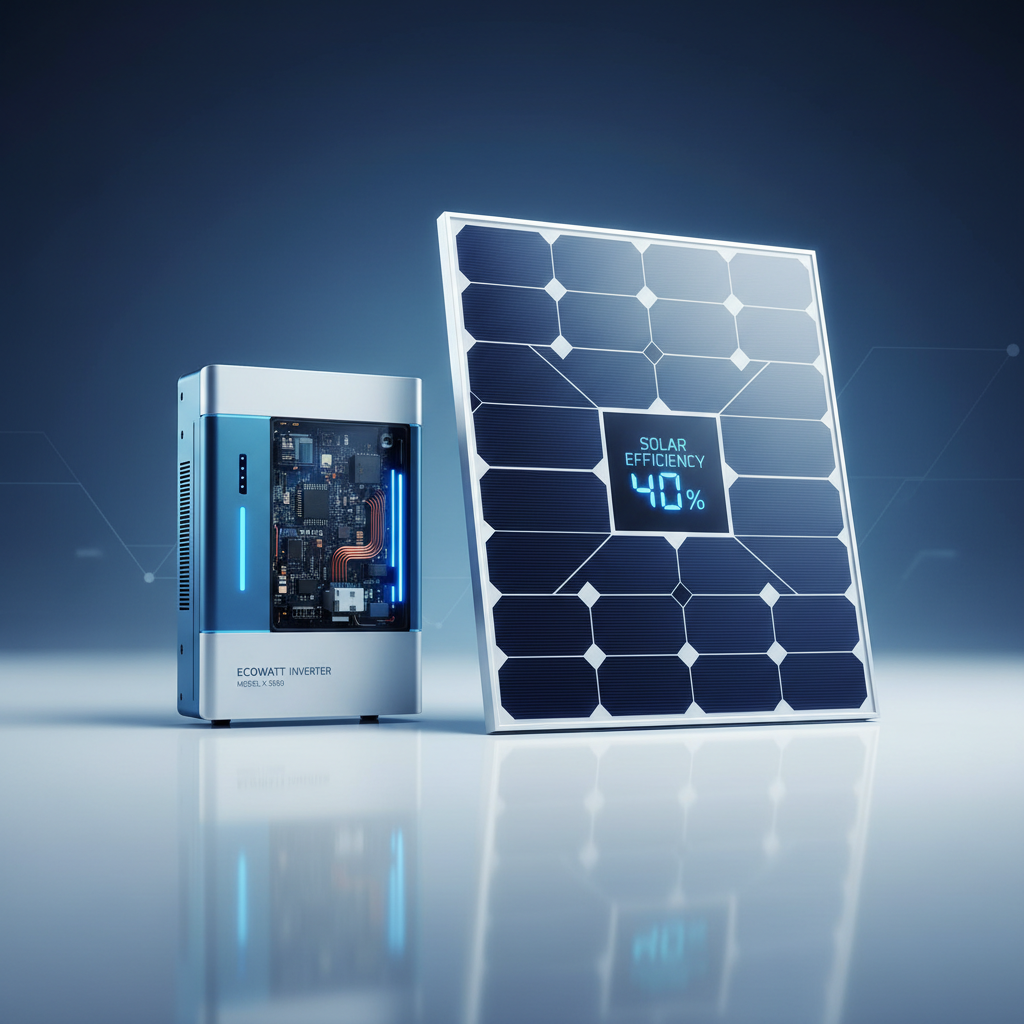 The pursuit of higher efficiency in solar panels is a driving force in the renewable energy sector. Reaching a solar panel efficiency of 40 percent represents a significant milestone, promising more power generation from a smaller surface area and reduced overall system costs. This article will delve into the advancements that are making this level of efficiency achievable, the technologies involved, and the potential impact on the future of solar energy. At Benjiu Solar, we are committed to pushing the boundaries of solar technology and offering cutting-edge solutions to our clients. Understanding these efficiency gains is crucial for making informed decisions about solar investments. Several factors motivate the push for increased solar panel efficiency. Higher efficiency means more energy generated per square meter, reducing the land footprint required for large-scale solar farms. This is particularly important in areas with limited land availability. Increased efficiency also lowers the balance of system (BOS) costs, including mounting structures, wiring, and labor, making solar energy more cost-competitive with traditional energy sources.Read more