Advancements in Solar Panel Efficiency Reaching 40 Percent and Beyond
Unlocking the Potential of Solar Panel Efficiency 40 Percent
The pursuit of higher efficiency in solar panels is a driving force in the renewable energy sector. Reaching a solar panel efficiency of 40 percent represents a significant milestone, promising more power generation from a smaller surface area and reduced overall system costs. This article will delve into the advancements that are making this level of efficiency achievable, the technologies involved, and the potential impact on the future of solar energy. At Benjiu Solar, we are committed to pushing the boundaries of solar technology and offering cutting-edge solutions to our clients. Understanding these efficiency gains is crucial for making informed decisions about solar investments.
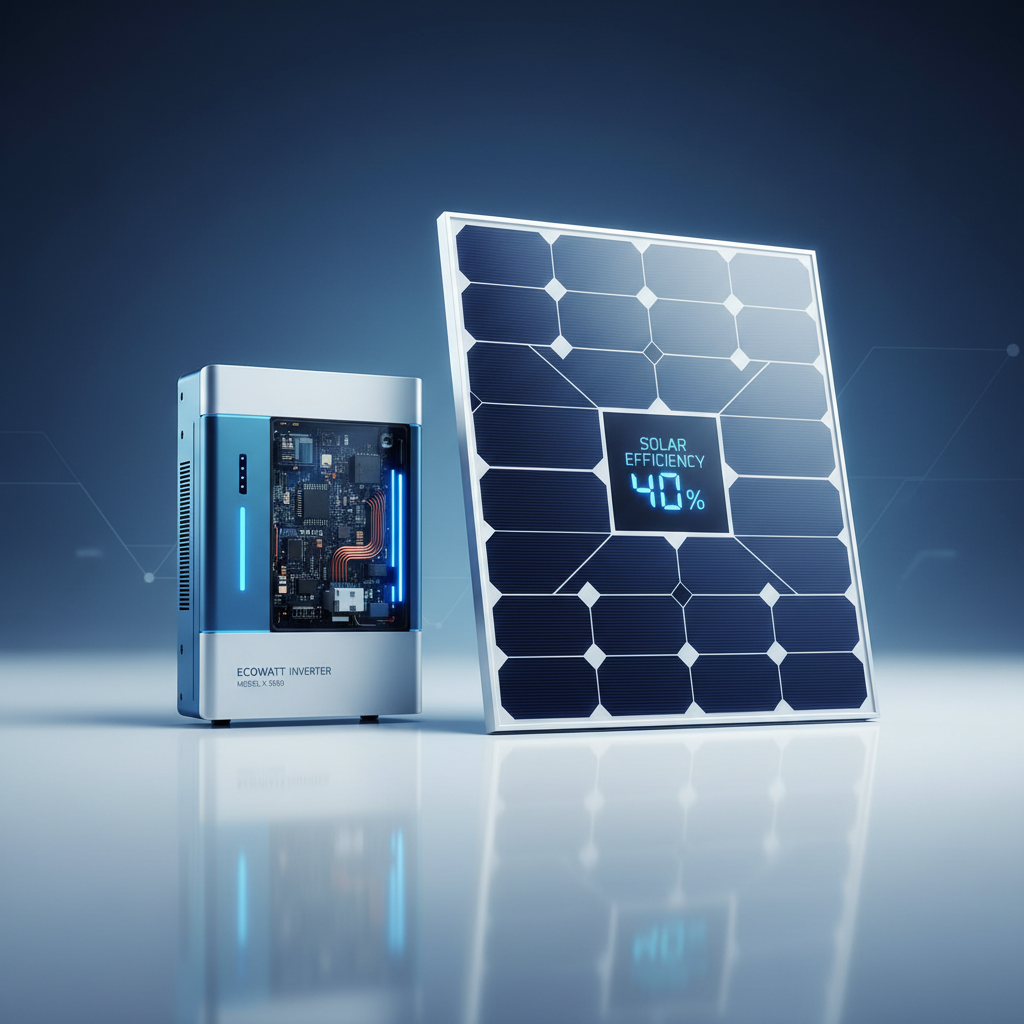
What Drives the Quest for Solar Panel Efficiency 40 Percent?
Several factors motivate the push for increased solar panel efficiency. Higher efficiency means more energy generated per square meter, reducing the land footprint required for large-scale solar farms. This is particularly important in areas with limited land availability. Increased efficiency also lowers the balance of system (BOS) costs, including mounting structures, wiring, and labor, making solar energy more cost-competitive with traditional energy sources. Furthermore, improved efficiency enhances the viability of solar energy in regions with lower sunlight levels. Ultimately, achieving a solar panel efficiency of 40 percent unlocks new possibilities for wider adoption of solar energy and contributes to a more sustainable energy future. Benjiu Solar is at the forefront of this development, constantly innovating to deliver higher efficiency products.
Key Benefits of Higher Solar Panel Efficiency: Reduced land use, lower BOS costs, increased energy yield, improved viability in low-light conditions, and a more sustainable energy future.
Key Technologies Enabling Solar Panel Efficiency 40 Percent
Several groundbreaking technologies are converging to make solar panel efficiency of 40 percent a realistic goal. These include: Perovskite solar cells, which offer high efficiency and low manufacturing costs; Multi-junction solar cells, stacking different semiconductor materials to capture a broader spectrum of sunlight; Concentrated photovoltaics (CPV), using lenses or mirrors to focus sunlight onto smaller, highly efficient cells; and advanced anti-reflective coatings that minimize light loss. Further advancements in cell design, such as heterojunction technology (HJT) and tunnel oxide passivated contact (TOPCon) cells, also contribute to improved efficiency. These innovations are constantly being refined and integrated to maximize energy conversion rates.
Key Technologies: Perovskite, Multi-junction, CPV, HJT, TOPCon, Anti-reflective coatings.
Perovskite Solar Cells: A Game Changer for Efficiency
Perovskite solar cells are rapidly emerging as a frontrunner in the race for high efficiency. These cells utilize a perovskite-structured compound as the light-harvesting active layer. They offer several advantages, including high power conversion efficiency, low manufacturing costs, and tunable bandgaps. While still facing challenges related to long-term stability, significant progress is being made in encapsulating and protecting perovskite materials to enhance their durability. Combining perovskites with silicon solar cells in a tandem configuration is a particularly promising approach, potentially pushing efficiency beyond 30% and toward the solar panel efficiency of 40 percent target. Benjiu Solar actively researches and develops perovskite-based solutions.
Multi-Junction Solar Cells: Stacking for Success
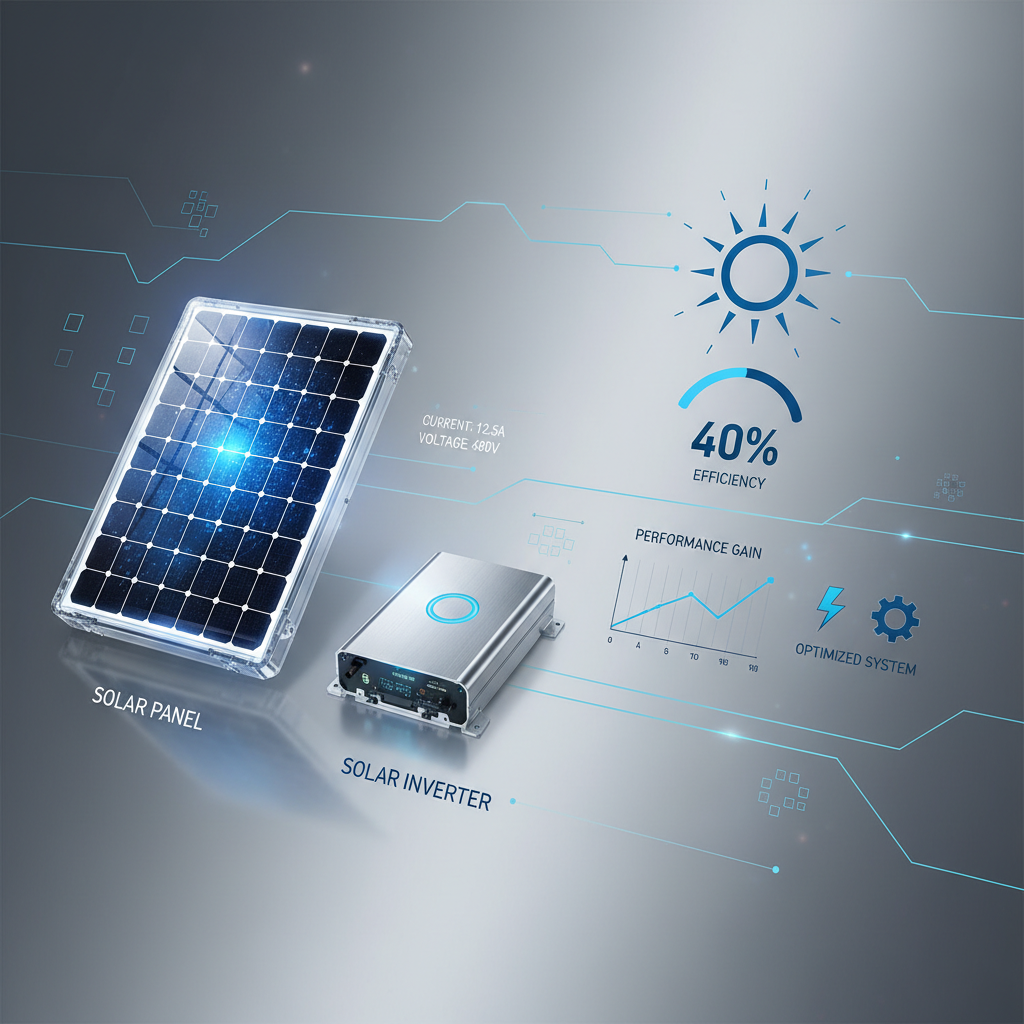
Multi-junction solar cells achieve high efficiency by stacking multiple semiconductor layers with different bandgaps. Each layer absorbs a specific portion of the solar spectrum, maximizing energy conversion. These cells are commonly used in space applications where high efficiency is paramount, but their cost has historically been a barrier to wider adoption. However, advancements in manufacturing techniques are driving down costs, making multi-junction cells increasingly viable for terrestrial applications. Combining multi-junction technology with other advancements, such as perovskites, could lead to commercially available panels exceeding a solar panel efficiency of 40 percent.
The Future of Solar Panel Efficiency 40 Percent and Beyond
The pursuit of higher efficiency doesn't stop at 40%. Researchers are constantly exploring new materials and designs to push the boundaries of solar energy conversion. Quantum dots, organic solar cells, and advanced light trapping techniques hold promise for even greater efficiencies in the future. At Benjiu Solar, we are dedicated to staying at the forefront of these advancements, providing our customers with the most efficient and reliable solar solutions available. The era of highly efficient solar energy is within reach, paving the way for a cleaner, more sustainable future.
Conclusion: A Bright Future for High-Efficiency Solar
Achieving a solar panel efficiency of 40 percent is a pivotal step towards unlocking the full potential of solar energy. Through ongoing innovation in perovskite technology, multi-junction cells, and other advanced materials, this goal is becoming increasingly attainable. Benjiu Solar is proud to be a part of this exciting journey, committed to delivering cutting-edge solar solutions that power a sustainable future.
Frequently Asked Questions (FAQs)
What is the current record efficiency for solar cells?
As of late 2023, the highest confirmed efficiency for a single-junction silicon solar cell is around 26.7%, while multi-junction cells have demonstrated efficiencies exceeding 47% in laboratory settings. Perovskite cells have also shown rapid progress, with efficiencies reaching over 25% in some instances. However, it’s important to note that these are typically lab results and commercial panels often have slightly lower efficiencies due to manufacturing constraints and real-world operating conditions. The target of solar panel efficiency 40 percent is therefore a significant leap forward, requiring further advancements in materials and cell design.
How does temperature affect solar panel efficiency?
Solar panel efficiency generally decreases as temperature increases. This is because higher temperatures reduce the voltage output of the cells. Most silicon-based solar panels experience a reduction of around 0.3-0.5% in efficiency for every 1°C increase in temperature above 25°C. Manufacturers often provide a temperature coefficient to indicate this performance loss. Proper ventilation and cooling can help mitigate this effect. Advanced cell designs and materials are also being developed to minimize the impact of temperature on efficiency.
What is the difference between efficiency and output power?
Efficiency refers to the percentage of sunlight that a solar panel converts into electricity. Output power, measured in watts (W), indicates the amount of electricity a panel produces under standard test conditions. A higher efficiency panel will generally produce more power for a given surface area, but the overall output power also depends on the panel's size. For example, a larger panel with lower efficiency might produce more total power than a smaller panel with higher efficiency. Understanding both metrics is crucial for comparing different solar panels and selecting the best option for your needs.
How can I maximize the efficiency of my solar panel system?
Several factors can impact the efficiency of your solar panel system. Ensure panels are installed at the optimal tilt angle and orientation for maximum sunlight exposure. Keep panels clean and free of obstructions like shade from trees or buildings. Regularly inspect the system for any damage or degradation. Consider using microinverters or power optimizers to minimize the impact of shading on overall system performance. Finally, choosing high-efficiency panels from a reputable manufacturer, like Benjiu Solar, is a key step in maximizing your solar investment.
-
Designing a Modern Home Roof Made Out of Solar Panels GuideNewsApr.16,2026
-
Guide to the Size of 150 Watt Solar Panel for Your ProjectNewsApr.09,2026
-
Understanding the Dimensions and Applications of a 200W Solar PanelNewsApr.07,2026
-
Understanding the Dimensions and Factors of a 330W Solar Panel SizeNewsApr.04,2026
-
Understanding the Size and Dimensions of a 4kW Solar Panel System for Your HomeNewsMar.31,2026
-
Comprehensive Guide to Sizing Your Solar System for Optimal Energy ProductionNewsMar.28,2026