Comprehensive Guide to Solar Panel Available Sizes for Optimal Energy Production
Solar Panel Available Sizes: A Comprehensive Guide
Choosing the right solar panel size is crucial for maximizing energy production and optimizing your investment. The range of solar panel available sizes can seem daunting, but understanding your energy needs and available space can simplify the process. This article will explore the common solar panel sizes, their applications, and how to determine the best fit for your residential or commercial project. From small, portable panels to large-scale installations, we'll cover everything you need to know to make an informed decision.
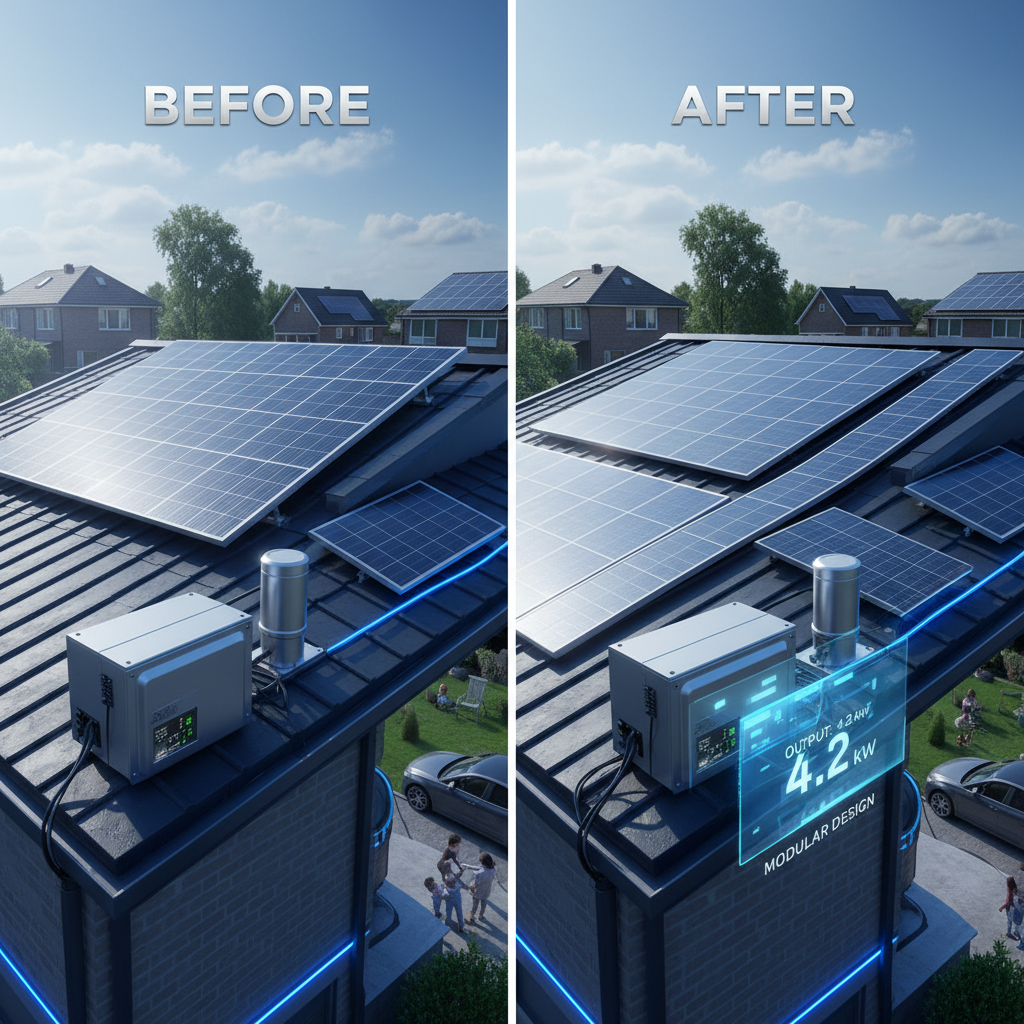
Standard Solar Panel Sizes and Dimensions
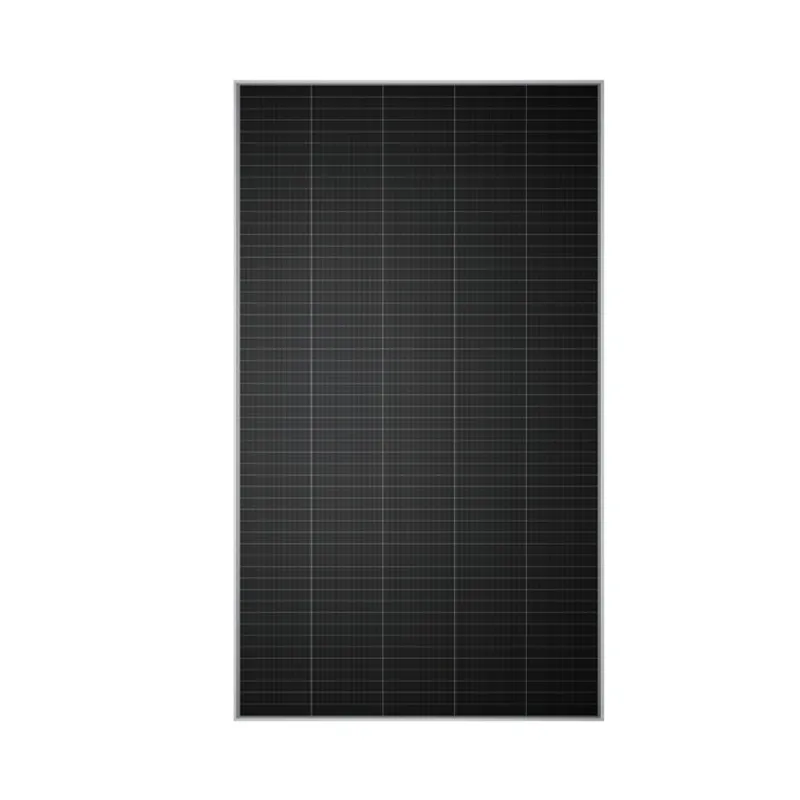
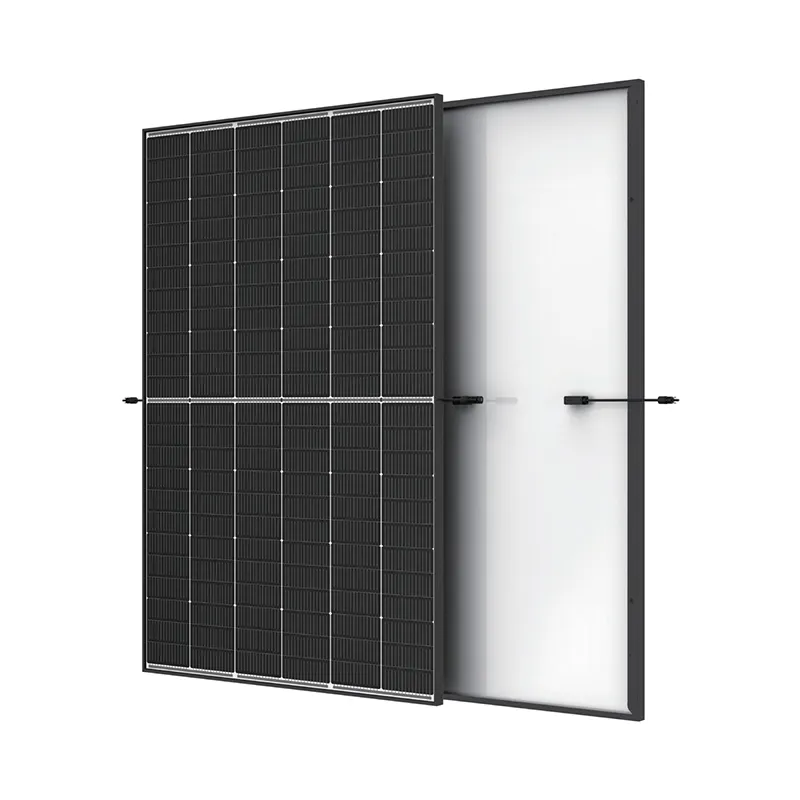
Solar panels aren't one-size-fits-all. They come in various dimensions, primarily dictated by the number of solar cells they contain. The most common sizes are designed for residential and commercial rooftops. These sizes are standardized to facilitate installation and compatibility with racking systems. Understanding these dimensions helps streamline the planning phase. At Benjiu Solar, we offer a diverse range of sizes to meet varied project requirements.
Key Takeaway: Standard panel sizes simplify installation and ensure compatibility with existing infrastructure.
Common Solar Panel Dimensions: A Detailed Look
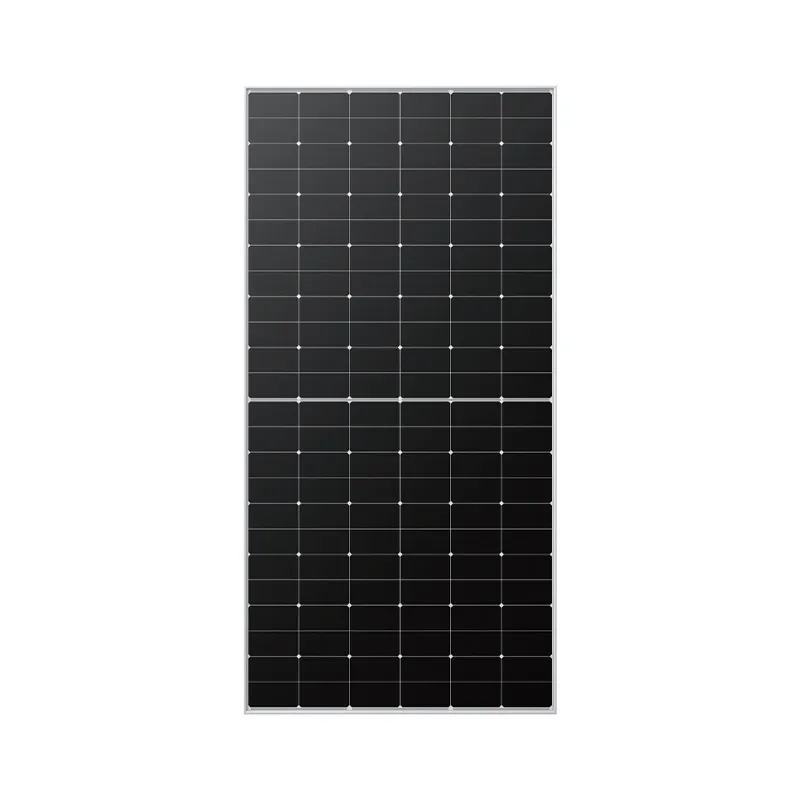
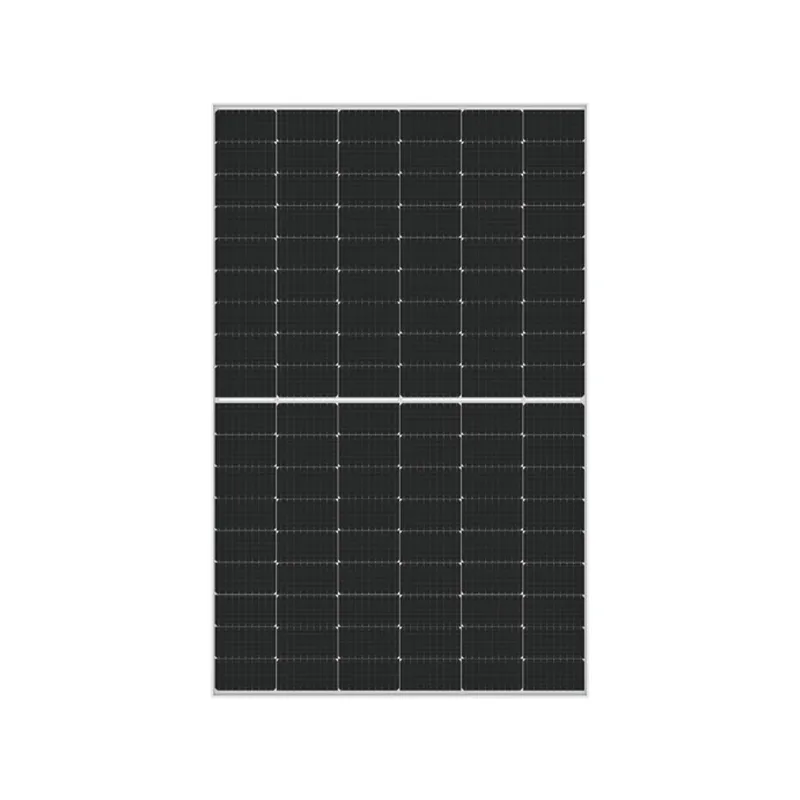
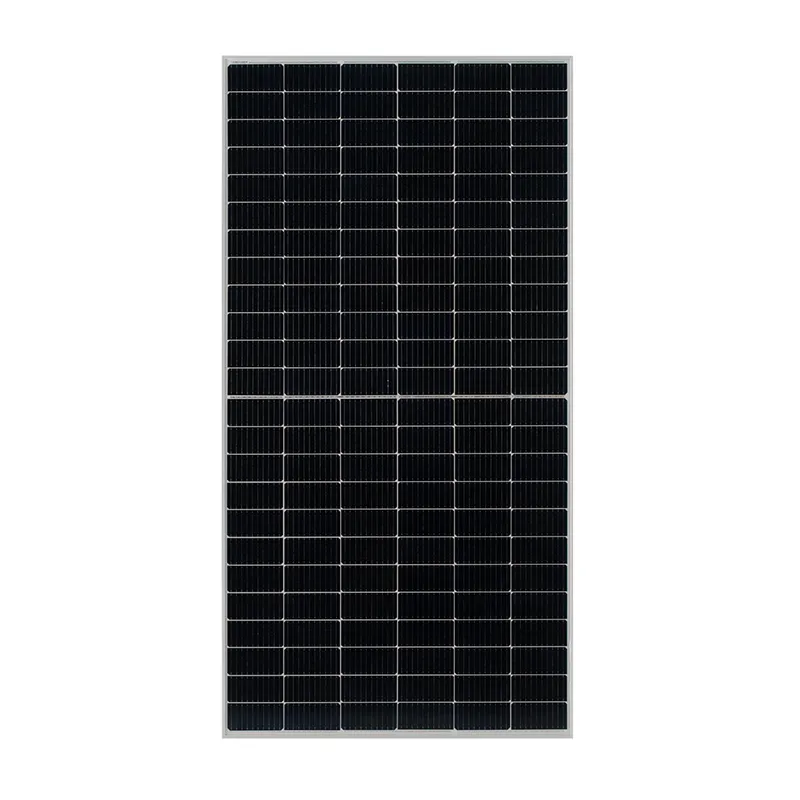
Let’s delve into the specifics. The most prevalent sizes are based on 60-cell and 72-cell panels. 60-cell panels are typically smaller and offer lower wattage, while 72-cell panels are larger and generate more power. Newer panels, utilizing larger cells or more efficient designs, are also becoming increasingly common. Here’s a detailed table outlining the typical dimensions and wattage for each:
Comparing Solar Panel Sizes: Efficiency and Space Considerations
Choosing between different panel sizes involves balancing efficiency and available space. Higher wattage panels, like 72-cell versions, generate more power per panel, requiring fewer panels for a given energy output. This is ideal for installations with limited roof space. However, they are also larger and heavier, potentially increasing installation complexity. A comparative look will help illustrate these trade-offs. Benjiu Solar offers expert guidance to help you navigate these considerations.
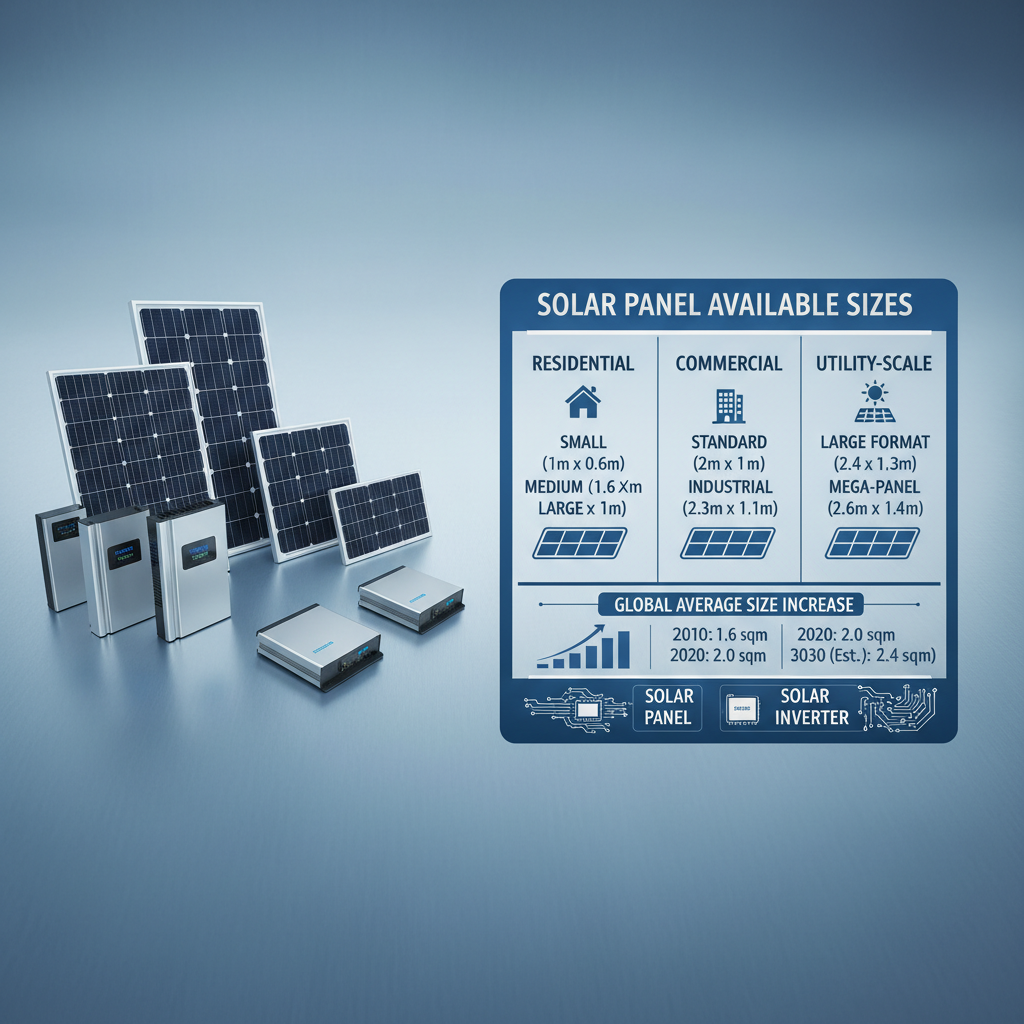
Beyond Standard: Bifacial and Portable Solar Panel Sizes
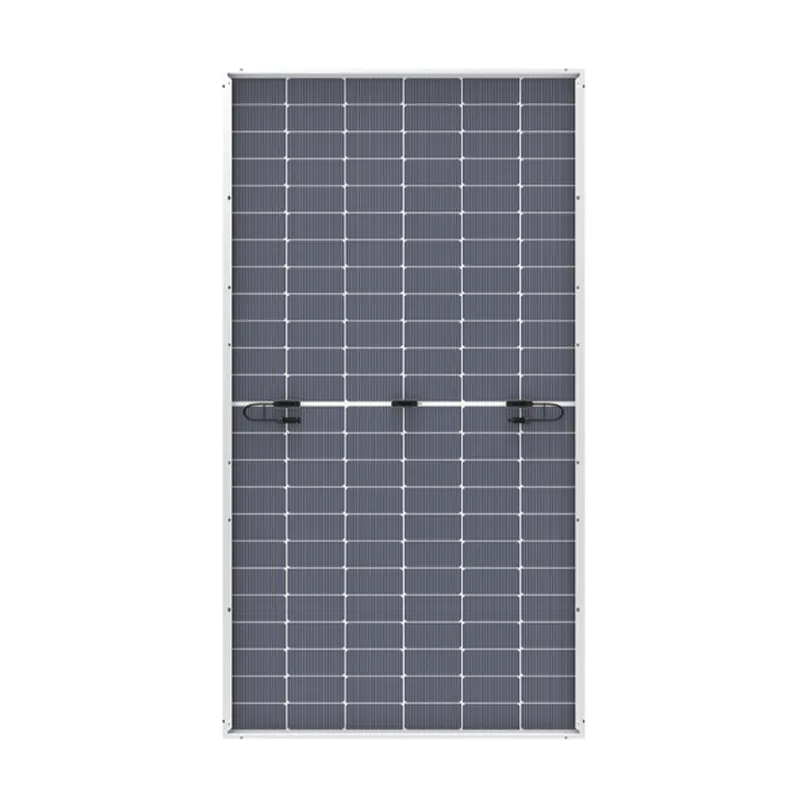
Beyond the traditional sizes, emerging technologies offer exciting alternatives. Bifacial solar panels, which generate energy from both sides, are gaining popularity, often coming in similar dimensions to standard panels but offering increased power output. Portable solar panels, designed for off-grid applications or emergency power, come in a wide range of smaller sizes, often foldable for easy transport. These panels typically range from 50W to 300W and are ideal for camping, RVs, or backup power systems. At Benjiu Solar, we stay at the forefront of these innovations.
Determining the Right Size for Your Needs
The best solar panel size depends on your specific energy consumption, available roof space, and budget. Calculating your average daily energy usage is the first step. Then, consider the amount of sunlight your location receives. A professional solar installer can conduct a site assessment to determine the optimal panel size and system configuration for your needs. Don't hesitate to request a quote from Benjiu Solar to get personalized recommendations.
Conclusion: Empowering Your Energy Future
Understanding the solar panel available sizes is the first step towards harnessing the power of the sun. By carefully considering your energy needs, available space, and budget, you can choose the right panels to maximize your investment and contribute to a sustainable future.
Frequently Asked Questions (FAQs)
What size solar panel is best for a small home?
For a small home with low energy consumption, several 300W to 350W panels are often sufficient. The exact number will depend on your usage and local sunlight conditions. 60-cell panels are frequently used in these scenarios due to their manageable size and cost-effectiveness. A professional energy audit can provide a precise recommendation. Considering factors like roof orientation and shading is critical for maximizing efficiency.
How much roof space do I need for solar panels?
A typical solar panel requires about 17-20 square feet of unshaded roof space. Calculating the total space needed depends on your desired system size. For example, a 6kW system might require around 300-400 square feet. It’s crucial to account for setbacks and obstructions like vents or chimneys. A site survey by a qualified installer will provide an accurate assessment of your roof’s suitability.
Are larger solar panels always better?
Not necessarily. While larger panels generate more power, they are also more expensive and can be more difficult to install. They may not be the best choice for roofs with limited space or complex layouts. A balanced approach, considering both wattage and physical dimensions, is often optimal. Newer technologies like half-cut cells offer higher efficiency without necessarily increasing the overall panel size.
-
Designing a Modern Home Roof Made Out of Solar Panels GuideNewsApr.16,2026
-
Guide to the Size of 150 Watt Solar Panel for Your ProjectNewsApr.09,2026
-
Understanding the Dimensions and Applications of a 200W Solar PanelNewsApr.07,2026
-
Understanding the Dimensions and Factors of a 330W Solar Panel SizeNewsApr.04,2026
-
Understanding the Size and Dimensions of a 4kW Solar Panel System for Your HomeNewsMar.31,2026
-
Comprehensive Guide to Sizing Your Solar System for Optimal Energy ProductionNewsMar.28,2026