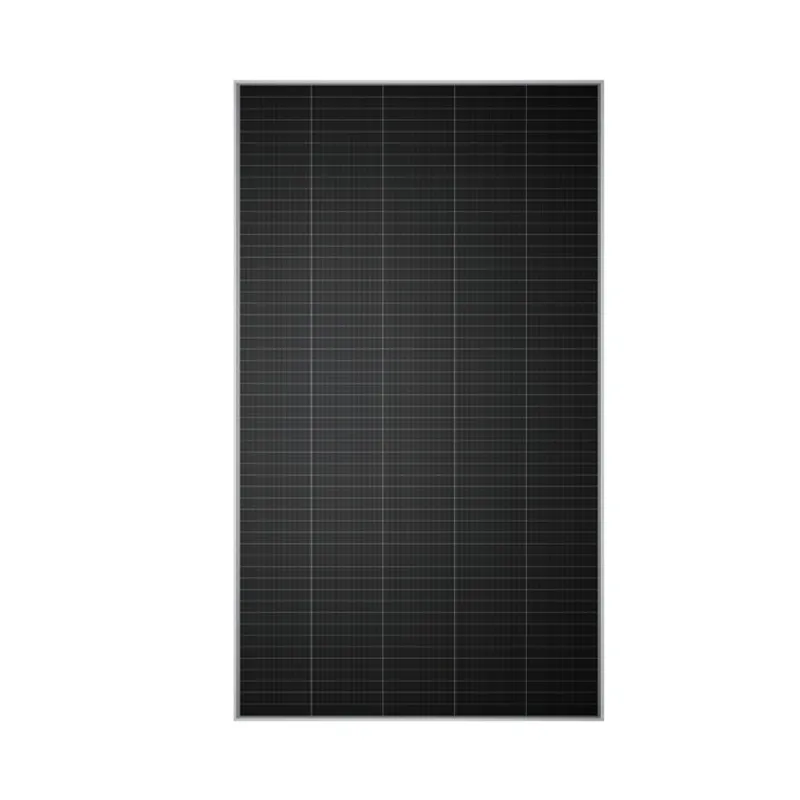
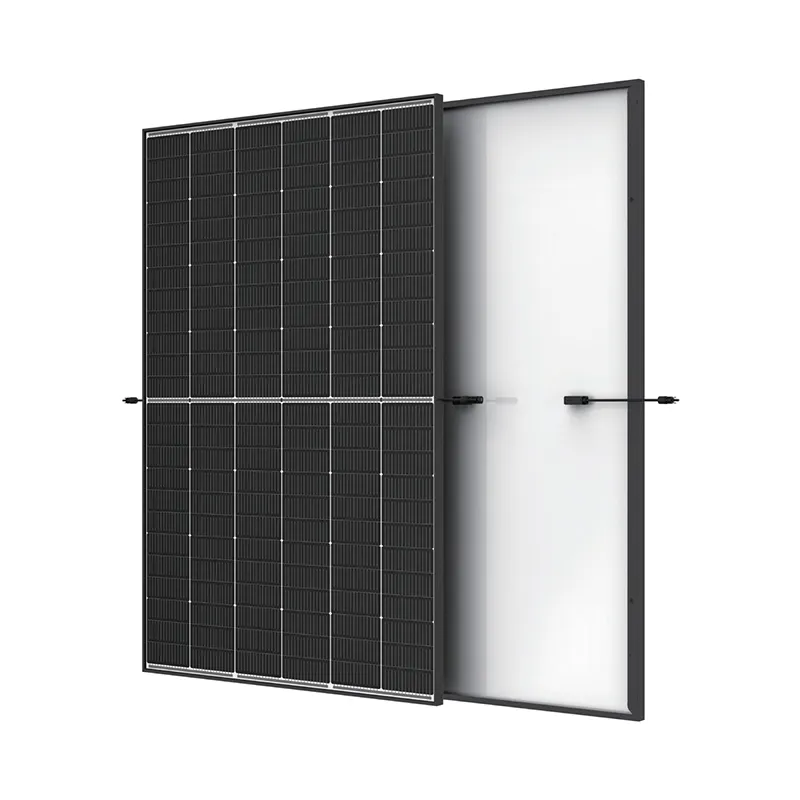
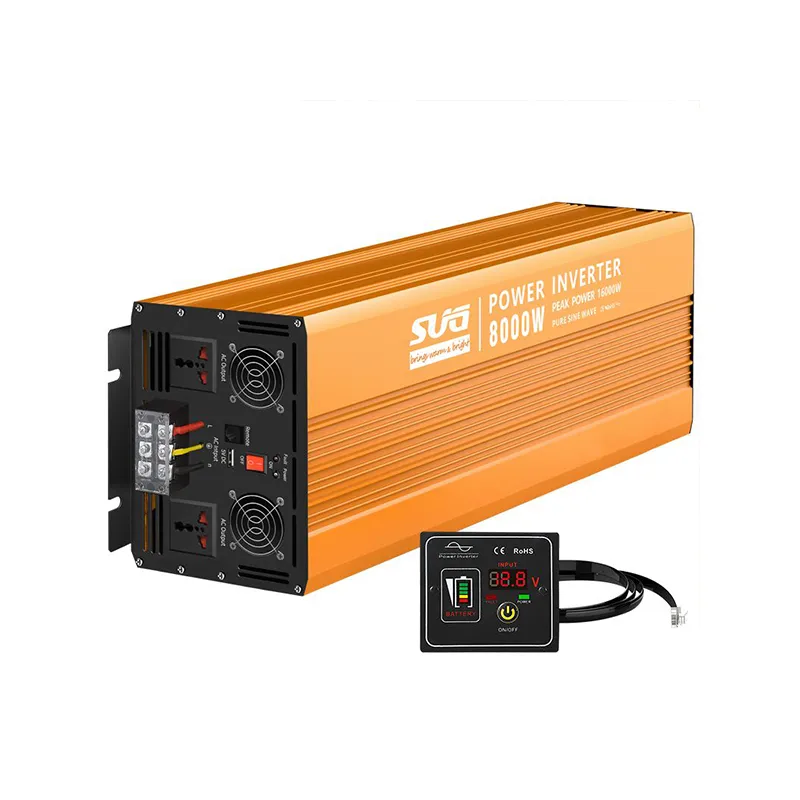
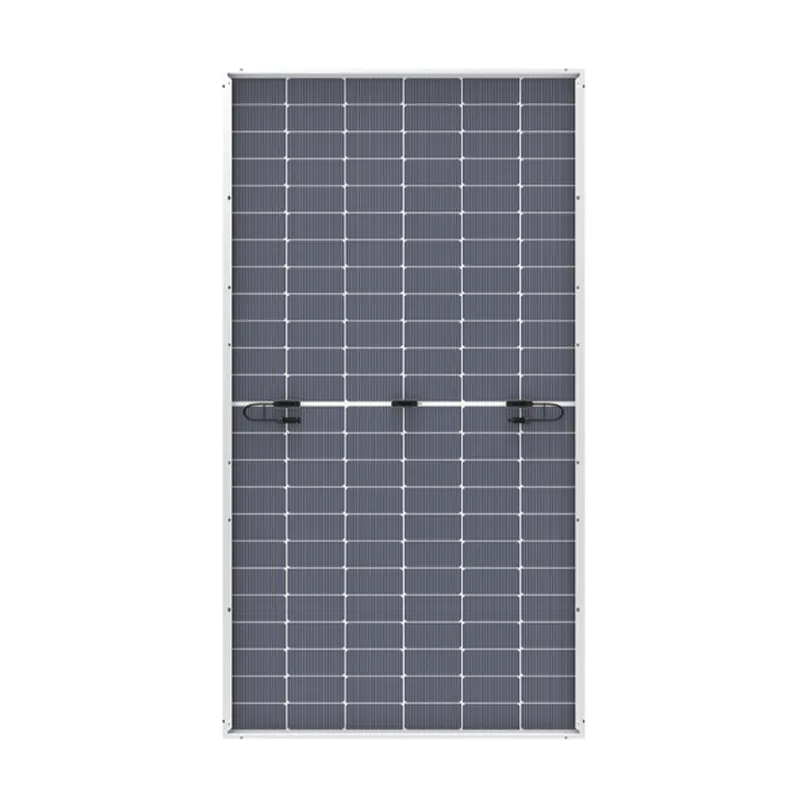
Empower Your OffRoad Adventures with a Solar Panel for 4x4 Roof
Solar Panel for 4x4 Roof: Power Your Adventures
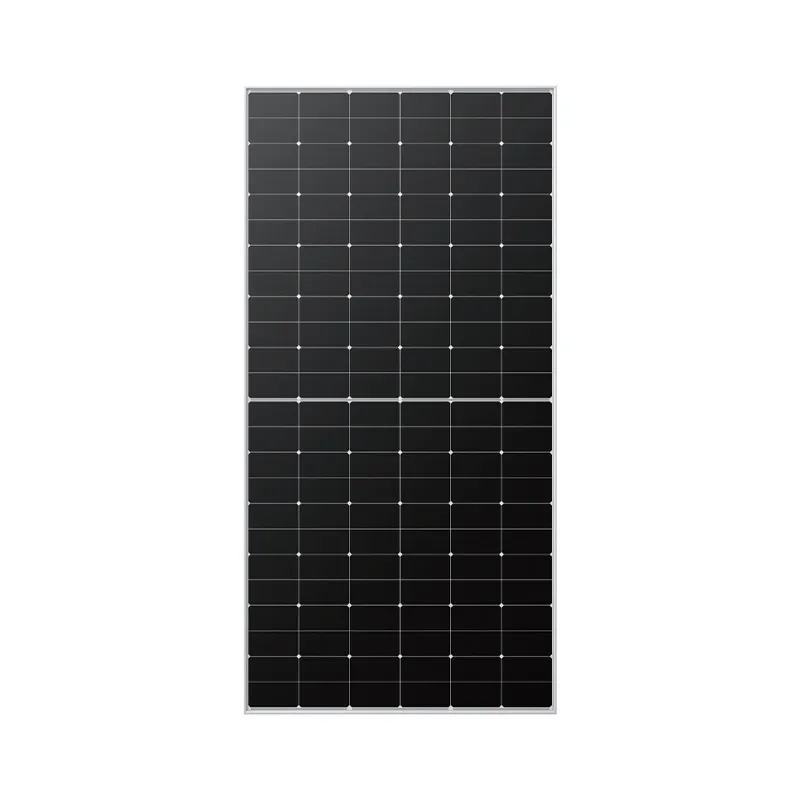
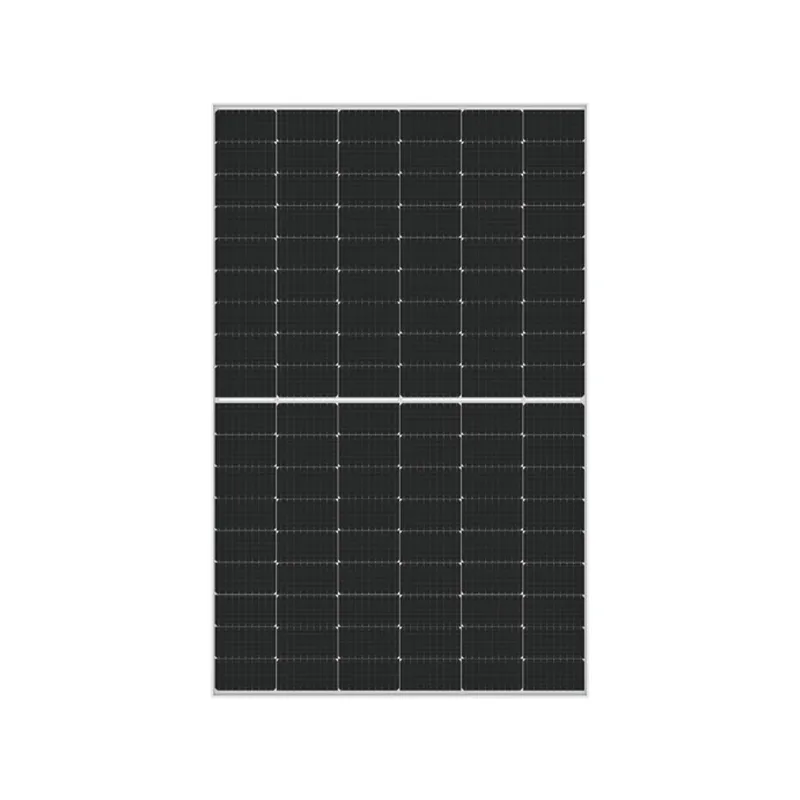
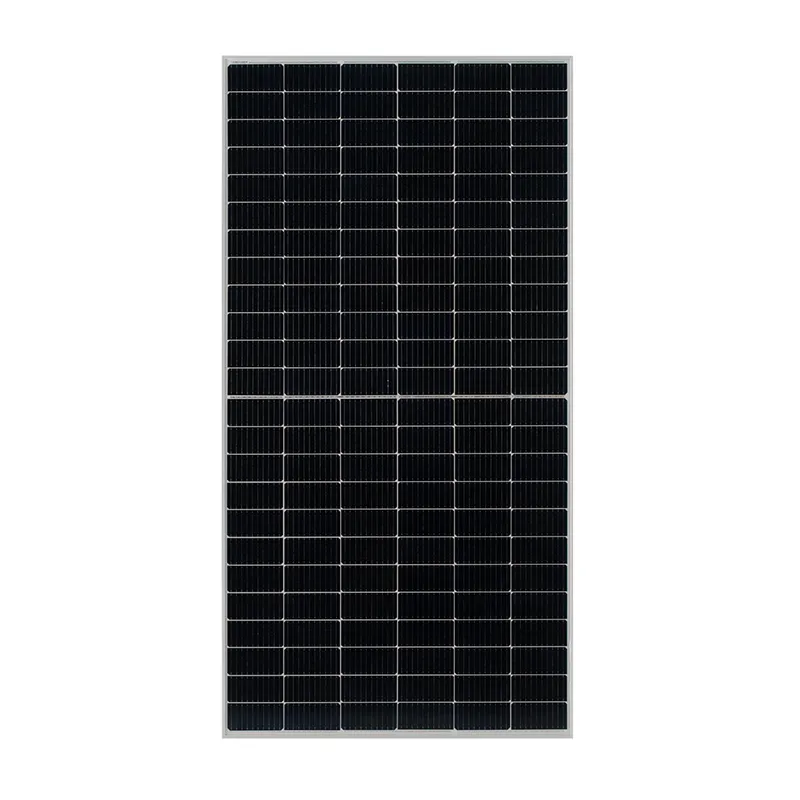
Embarking on off-road adventures demands reliable power solutions. A solar panel for 4x4 roof offers a sustainable and efficient way to keep your devices charged, run accessories, and extend your time away from civilization. This article explores the benefits, considerations, and options for equipping your 4x4 with a solar power system, focusing on the high-quality solutions available from Benjiu Solar. Investing in a robust solar setup empowers your adventures, providing energy independence and peace of mind.
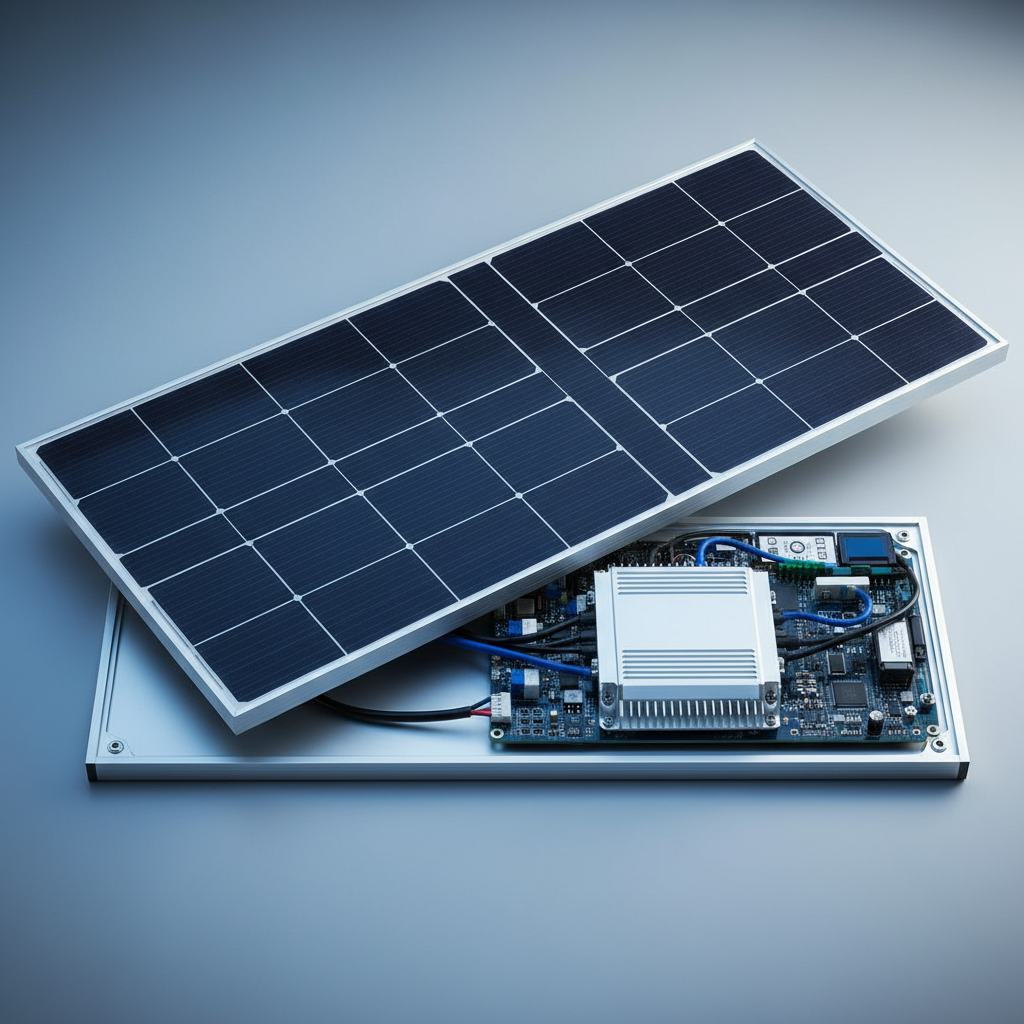
Benefits of a Solar Panel for Your 4x4
The advantages of installing a solar panel on your 4x4 roof are numerous. Primarily, you gain energy independence, reducing reliance on vehicle batteries and external charging sources. This is crucial for extended off-grid expeditions. Solar power minimizes noise pollution compared to generators, allowing you to enjoy the tranquility of the outdoors. Furthermore, it's an environmentally friendly solution, utilizing renewable energy and reducing your carbon footprint. From powering refrigerators and lights to charging cameras and communication devices, a solar setup keeps your essential equipment running smoothly.
Choosing the Right Solar Panel for Your 4x4
Selecting the ideal solar panel involves considering several factors. Panel wattage dictates the amount of power generated. Your energy needs will determine the appropriate wattage. Physical dimensions and weight are critical, especially for 4x4s where roof space and weight capacity are limited. Durability is paramount; choose panels designed to withstand the rigors of off-road travel, including vibrations, impacts, and weather exposure. Benjiu Solar offers a range of options to suit various 4x4 models and power requirements. Consider flexible panels for curved roofs or rigid panels for maximum efficiency and longevity.
Key Considerations: Panel wattage, dimensions, weight, durability, and mounting options. Proper installation is vital for optimal performance and longevity.
Benjiu Solar: Premium Solar Panels for 4x4 Adventures
Benjiu Solar specializes in high-performance solar solutions for off-grid applications, including 4x4s. We offer a diverse selection of solar panels for 4x4 roofs, characterized by superior efficiency, durability, and weather resistance. Our panels are designed to withstand harsh conditions and deliver reliable power for years to come. We also provide comprehensive accessories, including charge controllers, wiring, and mounting hardware, ensuring a complete and hassle-free installation process.
Benjiu Solar Advantages:
• High efficiency monocrystalline cells
• Durable construction for off-road conditions
• Comprehensive accessory kits available
• Expert technical support
Comparing Benjiu Solar Panels: Find the Perfect Fit
Benjiu Solar offers several solar panel options for 4x4s, each with distinct characteristics. Here’s a comparison of some popular models:
Installation and Maintenance Tips
Proper installation is critical for optimal performance. Securely mount the panel to a sturdy roof rack or mounting system. Ensure adequate ventilation to prevent overheating. Use high-quality wiring and connectors to minimize energy loss. Regularly inspect the panel for damage, dirt, and debris. Cleaning the panel periodically with a soft cloth will maximize its efficiency. Consider using a charge controller to protect your battery from overcharging.
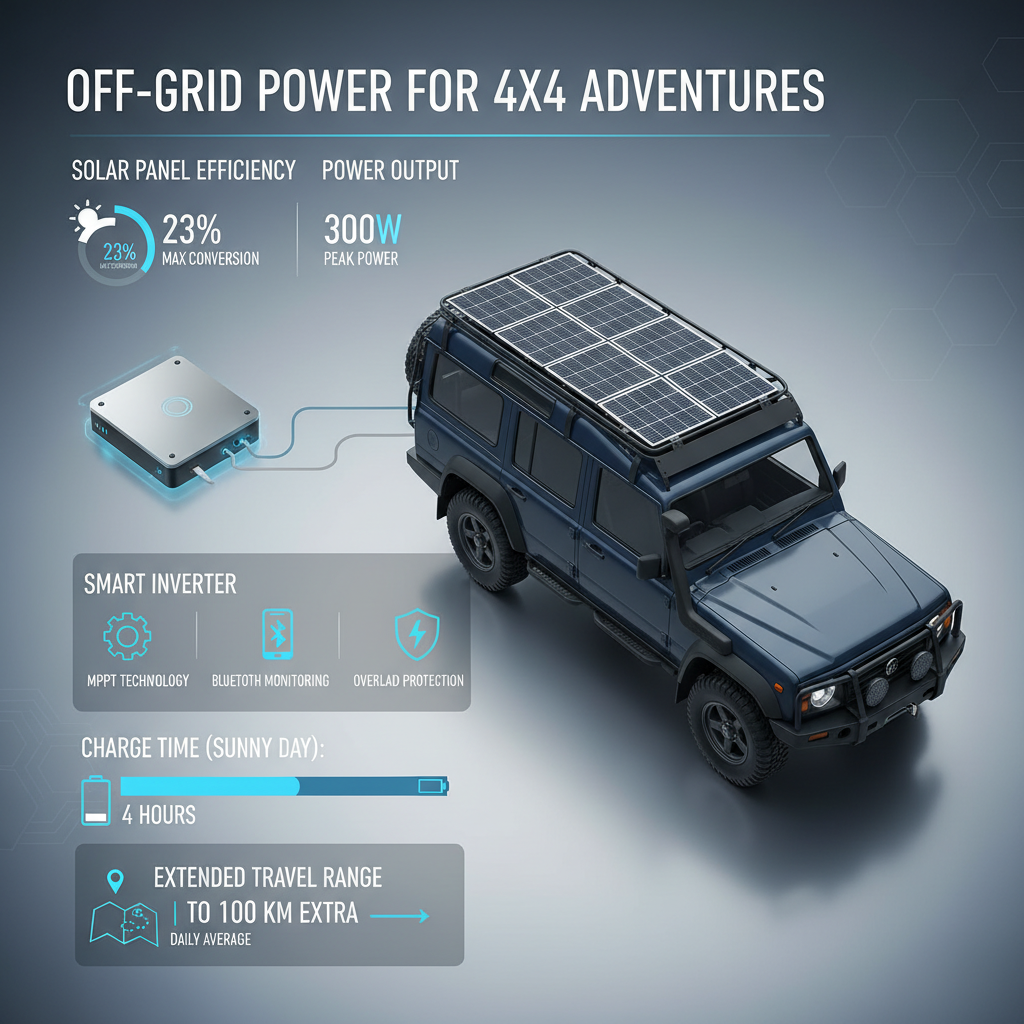
Conclusion: Power Your Freedom with Benjiu Solar
Investing in a solar panel for your 4x4 roof is a game-changer for off-road enthusiasts. It provides energy independence, reduces your environmental impact, and enhances your overall adventure experience. Benjiu Solar offers a range of high-quality panels and accessories to meet your specific needs. Empower your journey and embrace the freedom of off-grid power with Benjiu Solar!
Frequently Asked Questions (FAQs)
What is the average lifespan of a Benjiu Solar panel?
Benjiu Solar panels are built to last, with an expected lifespan of 25 years. However, actual lifespan can vary depending on usage, environmental conditions, and maintenance. Our panels are rigorously tested to withstand harsh conditions and maintain their performance over time. We use high-quality materials and construction techniques to ensure durability and reliability. A typical performance degradation is less than 0.5% per year, meaning that even after 25 years, your panel will still be producing over 85% of its original power output. Proper care and maintenance, such as regular cleaning and inspection, can further extend the panel's lifespan.
How much power can I expect from a 100W solar panel on my 4x4?
The actual power output from a 100W solar panel will vary depending on factors such as sunlight intensity, panel angle, and temperature. In ideal conditions, a 100W panel can generate approximately 5-6 amps of current. However, realistically, you can expect around 3-5 amps on a sunny day. This is enough to charge a 12V battery over time, keeping your devices powered. To maximize power generation, it's essential to position the panel optimally towards the sun. Using a charge controller is crucial to prevent overcharging and protect your battery. The exact amount of power generated can also be affected by shading and cloud cover.
Is professional installation required for Benjiu Solar panels?
While Benjiu Solar panels are designed for relatively straightforward installation, we recommend professional installation, especially if you are not comfortable working with electrical systems. A qualified installer can ensure proper mounting, wiring, and system configuration, maximizing performance and safety. We provide detailed installation guides and technical support to assist with the process. However, it's always best to have a professional double-check your work to ensure everything is connected correctly and meets safety standards. Incorrect installation could void your warranty and potentially damage your equipment.
What type of charge controller do I need for a Benjiu Solar panel?
The type of charge controller you need depends on your battery type and system voltage. For most 12V lead-acid batteries, a PWM (Pulse Width Modulation) charge controller is sufficient. However, for more advanced systems, such as those using lithium batteries or higher voltage systems, an MPPT (Maximum Power Point Tracking) charge controller is recommended. MPPT controllers are more efficient at converting solar energy into usable power, especially in less-than-ideal conditions. Benjiu Solar offers a range of charge controllers to suit various needs and budgets. It's essential to choose a charge controller with the appropriate amperage rating for your solar panel and battery system.
-
Designing a Modern Home Roof Made Out of Solar Panels GuideNewsApr.16,2026
-
Guide to the Size of 150 Watt Solar Panel for Your ProjectNewsApr.09,2026
-
Understanding the Dimensions and Applications of a 200W Solar PanelNewsApr.07,2026
-
Understanding the Dimensions and Factors of a 330W Solar Panel SizeNewsApr.04,2026
-
Understanding the Size and Dimensions of a 4kW Solar Panel System for Your HomeNewsMar.31,2026
-
Comprehensive Guide to Sizing Your Solar System for Optimal Energy ProductionNewsMar.28,2026