Maximizing Solar Panel Lifetime Efficiency for Long Term Energy Production
Understanding Solar Panel Lifetime Efficiency
The efficiency of a solar panel isn't static; it degrades over time. Understanding solar panel lifetime efficiency is crucial for maximizing your return on investment and planning for long-term energy production. This article delves into the factors affecting panel efficiency, typical degradation rates, technologies that enhance longevity, and how to choose panels for optimal performance. Benjiu Solar provides high-quality, durable panels designed for sustained efficiency.
Factors Affecting Solar Panel Efficiency Degradation
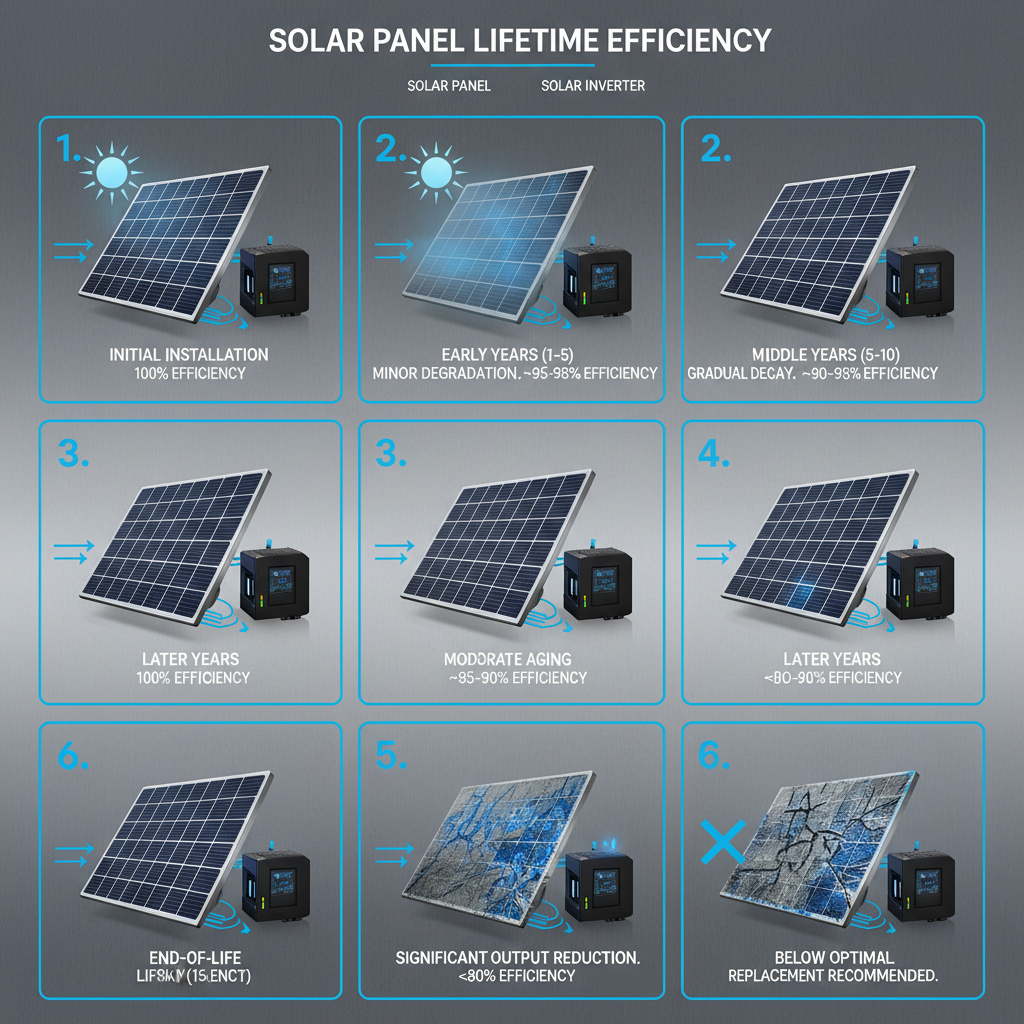
Several factors contribute to the gradual decline in solar panel efficiency. These include prolonged exposure to ultraviolet (UV) radiation, thermal cycling (repeated heating and cooling), humidity, and physical stress (e.g., from hail or snow). UV radiation can cause delamination of the encapsulant material protecting the solar cells. Thermal cycling creates stress on the solder bonds connecting the cells, and humidity can lead to corrosion. Manufacturing quality and the type of solar cell technology used also play significant roles. Benjiu Solar uses robust materials and rigorous quality control to minimize these effects.
Key Takeaway: Regular maintenance, choosing durable materials, and high manufacturing standards can significantly slow down efficiency degradation.
Typical Solar Panel Degradation Rates & Performance Warranties
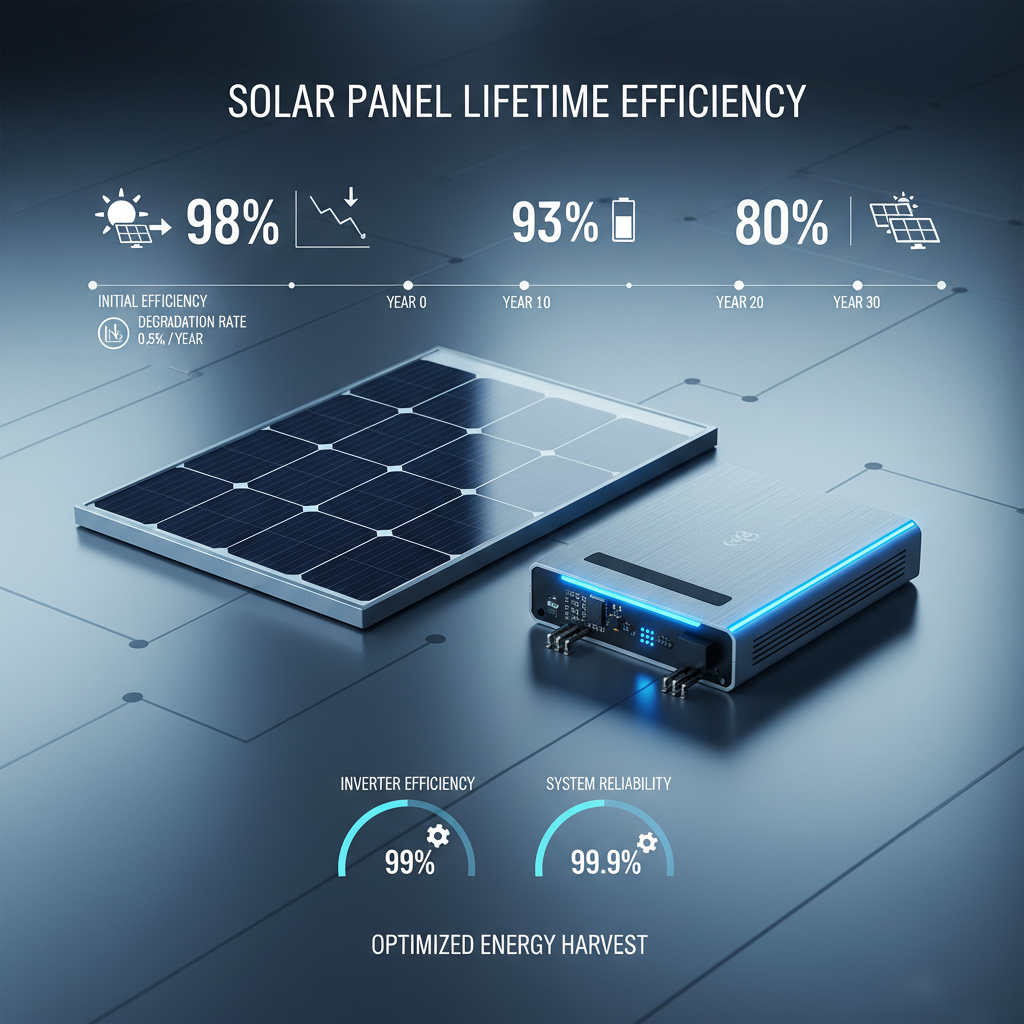
Most solar panels experience a typical degradation rate of around 0.5% to 1% per year. This means that after 25 years, a panel initially rated at 350W might produce around 280-317.5W. However, this is an average. Premium panels, like those offered by Benjiu Solar, are engineered to minimize degradation. Performance warranties, commonly offered for 25-30 years, guarantee a certain level of output even after decades of use. These warranties are a critical indicator of a manufacturer’s confidence in their product.
Degradation Rate Factors:
• UV Radiation Exposure
• Temperature Fluctuations
• Manufacturing Quality
• Material Composition
Comparing Solar Panel Technologies and Their Efficiency Longevity
Different solar panel technologies exhibit varying degradation rates. Monocrystalline panels generally demonstrate the slowest degradation, followed by polycrystalline panels. Thin-film panels, while often cheaper, typically have the highest degradation rates. PERC (Passivated Emitter and Rear Cell) technology, commonly integrated into monocrystalline panels, further enhances efficiency and reduces degradation. Benjiu Solar specializes in high-efficiency monocrystalline PERC panels designed for long-term reliability.
Benjiu Solar: Engineered for Long-Lasting Performance
At Benjiu Solar, we prioritize durability and sustained efficiency. Our panels utilize high-quality materials, advanced manufacturing processes, and robust encapsulation to minimize degradation. We also offer comprehensive warranties to provide peace of mind. We believe in investing in quality so our customers can benefit from clean, reliable energy for decades.
Maximizing Solar Panel Lifetime Efficiency: Maintenance and Monitoring
While quality panels offer inherent longevity, regular maintenance can further optimize performance. This includes keeping the panels clean (removing dust, leaves, and bird droppings), inspecting for any physical damage, and monitoring their output. Modern monitoring systems can detect subtle performance drops, indicating potential issues that require attention. Proactive maintenance is a small investment that can yield significant long-term benefits.
Conclusion: Investing in Long-Term Energy Savings
Understanding solar panel lifetime efficiency is key to making a smart investment in renewable energy. By choosing high-quality panels, implementing proactive maintenance, and monitoring performance, you can maximize your energy savings and contribute to a sustainable future. Benjiu Solar is committed to providing reliable, durable panels that deliver long-term value.
Frequently Asked Questions (FAQs)
What is considered a good degradation rate for a solar panel?
A good degradation rate is typically between 0.4% and 0.6% per year. This means that the panel will lose a small percentage of its initial power output each year, but will still maintain a significant portion of its original efficiency over its lifespan. Panels with degradation rates lower than 0.5% are considered excellent and indicate high-quality materials and manufacturing. Benjiu Solar panels are designed to maintain a low degradation rate, ensuring long-term performance. Factors like climate and installation quality can also affect the actual degradation rate experienced in the field.
How does temperature affect solar panel efficiency?
Solar panel efficiency decreases as temperature increases. This is because higher temperatures reduce the voltage output of the solar cells. While solar panels perform best in sunlight, excessive heat can diminish their output. Panels have a temperature coefficient that indicates how much their efficiency decreases per degree Celsius above a certain temperature (typically 25°C). Benjiu Solar’s panels are engineered to minimize the impact of high temperatures, utilizing materials and designs that improve thermal management and maintain optimal performance even in hot climates.
Can solar panels be damaged by hail?
While solar panels are relatively durable, they can be damaged by large or frequent hailstorms. Most panels are tested to withstand hail impacts of a certain size, typically around 25mm in diameter. However, severe hailstorms can cause microcracks in the solar cells, which can reduce efficiency over time. Choosing panels with tempered glass and robust encapsulation materials can provide increased protection against hail damage. Your insurance policy may cover hail damage, and it’s important to inspect your panels after a significant hailstorm.
What should I look for in a solar panel warranty?
A good solar panel warranty should cover both product defects and performance degradation. The product warranty typically covers defects in materials and workmanship for a period of 10-12 years. The performance warranty guarantees a certain percentage of the panel’s original output after a specified period, usually 25-30 years. Look for warranties that guarantee at least 80-85% of the initial output after 25 years. Be sure to read the warranty terms and conditions carefully to understand what is covered and what is not. Benjiu Solar provides industry-leading warranties for peace of mind.
-
Designing a Modern Home Roof Made Out of Solar Panels GuideNewsApr.16,2026
-
Guide to the Size of 150 Watt Solar Panel for Your ProjectNewsApr.09,2026
-
Understanding the Dimensions and Applications of a 200W Solar PanelNewsApr.07,2026
-
Understanding the Dimensions and Factors of a 330W Solar Panel SizeNewsApr.04,2026
-
Understanding the Size and Dimensions of a 4kW Solar Panel System for Your HomeNewsMar.31,2026
-
Comprehensive Guide to Sizing Your Solar System for Optimal Energy ProductionNewsMar.28,2026