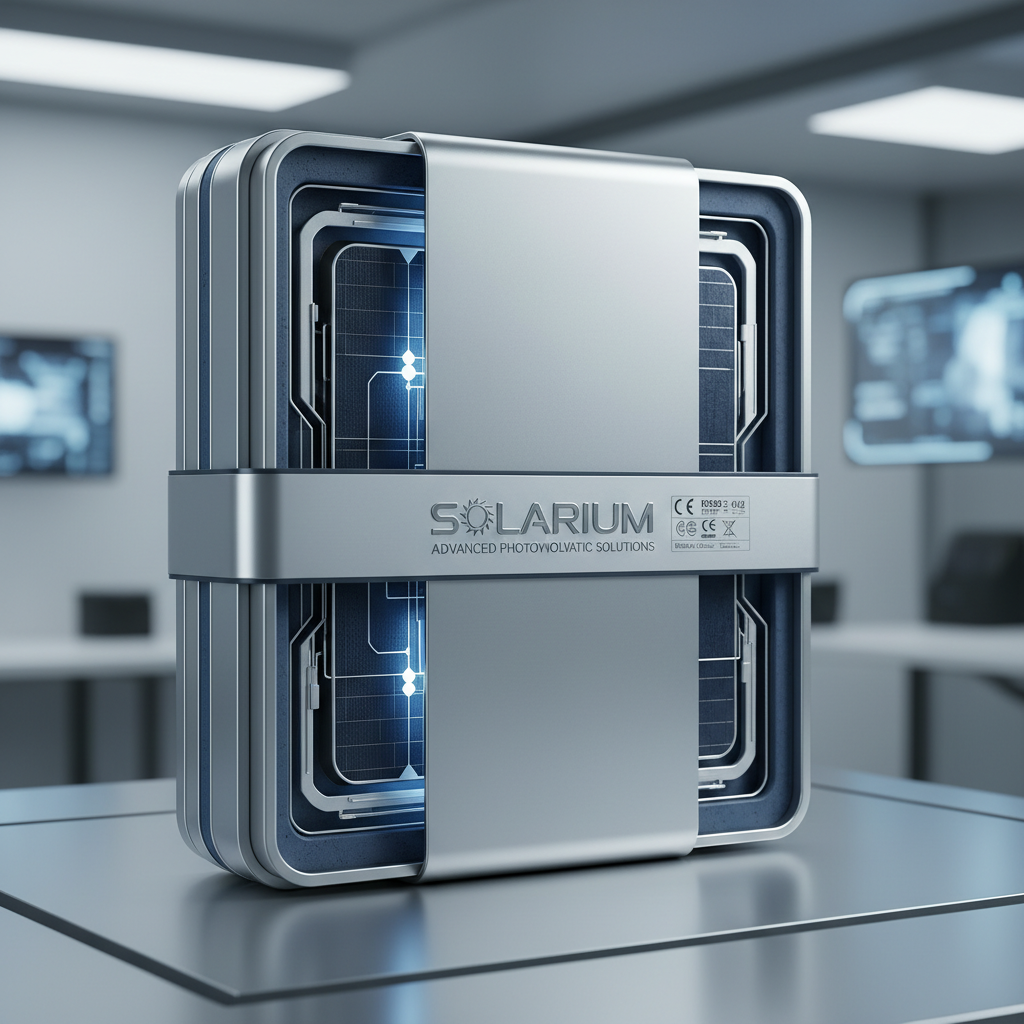
Mini solar panels are rapidly changing the landscape of renewable energy, offering a decentralized and accessible power solution. Their compact size and increasing efficiency are making them vital in a world increasingly focused on sustainable practices. These panels aren’t just for large-scale solar farms; they’re designed for portability, ease of integration, and a diverse range of applications, democratizing access to clean energy.
The global demand for renewable energy sources is soaring, driven by climate change concerns and diminishing fossil fuel reserves. The International Renewable Energy Agency (IRENA) reports consistent growth in solar energy deployment, and mini solar panel technology is a key component of this expansion. This growth is particularly crucial in developing nations, where access to reliable electricity remains a significant challenge.
These innovative panels provide a practical response to this challenge, offering a viable alternative to traditional grid infrastructure, especially in remote areas. They address the urgent need for affordable, reliable, and environmentally friendly power sources, contributing to a more sustainable future for all.
Introduction to Mini Solar Panels
Mini solar panels are specifically designed for portability and versatility, distinguishing them from traditional, larger solar installations. They are typically defined by their smaller size and lower power output, making them ideal for applications where space is limited or mobility is essential.
The development of these panels has been spurred by advancements in photovoltaic (PV) technology, allowing for increased efficiency in smaller footprints. This addresses a growing need for off-grid power solutions and supports the proliferation of renewable energy in diverse settings, from remote camping trips to emergency disaster relief.
Defining Mini Solar Panel Technology
At their core, mini solar panels operate on the same principle as their larger counterparts: the photovoltaic effect. This process converts sunlight directly into electricity using semiconductor materials, typically silicon. However, mini panels utilize advanced cell designs and manufacturing techniques to maximize energy capture within a smaller surface area.
These panels are instrumental in modernizing industries and addressing humanitarian needs. They provide power for vital services in areas without established electrical grids, such as powering medical devices, communication systems, and water purification units. The availability of affordable and reliable energy impacts quality of life significantly.
The key distinction lies in their intended applications. Mini solar panels are designed for targeted energy needs, offering a flexible and cost-effective solution where a full-scale solar system would be impractical or unnecessary.
Core Components of Mini Solar Panels
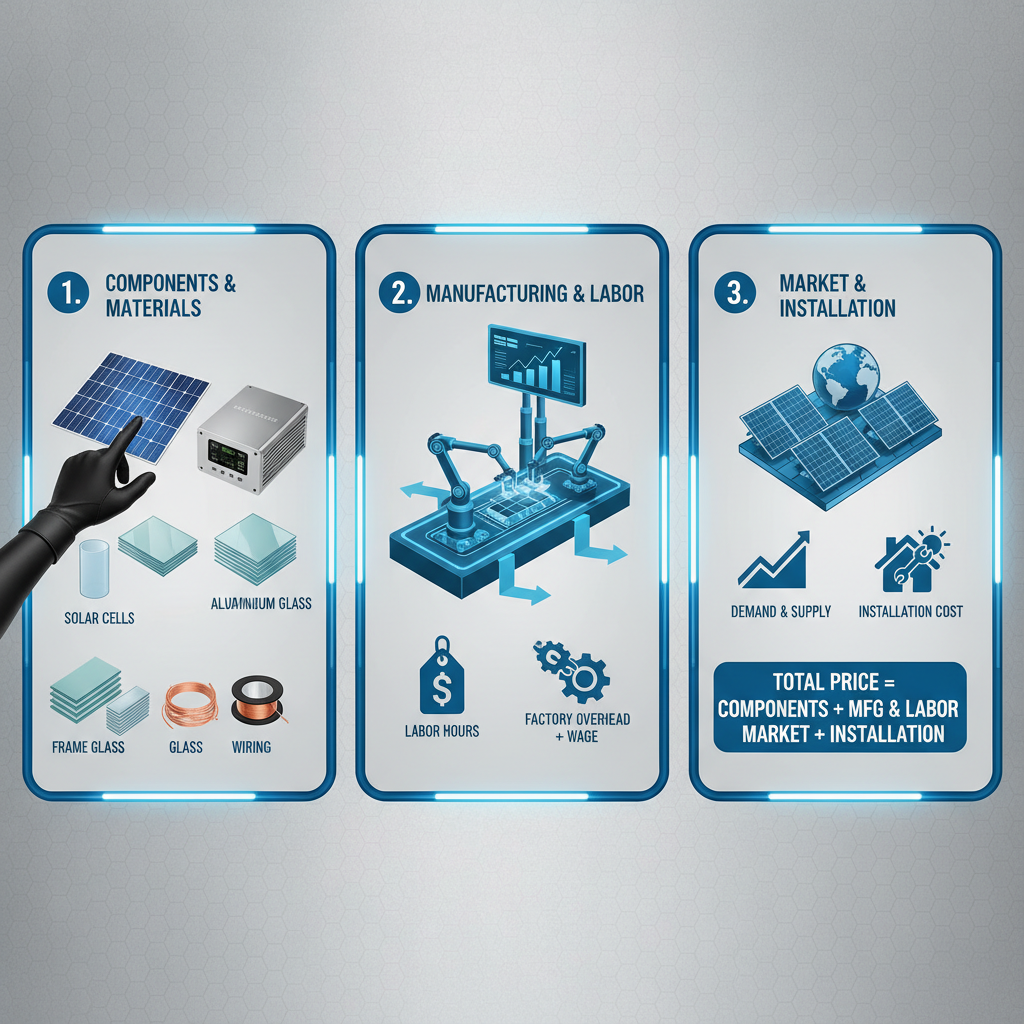
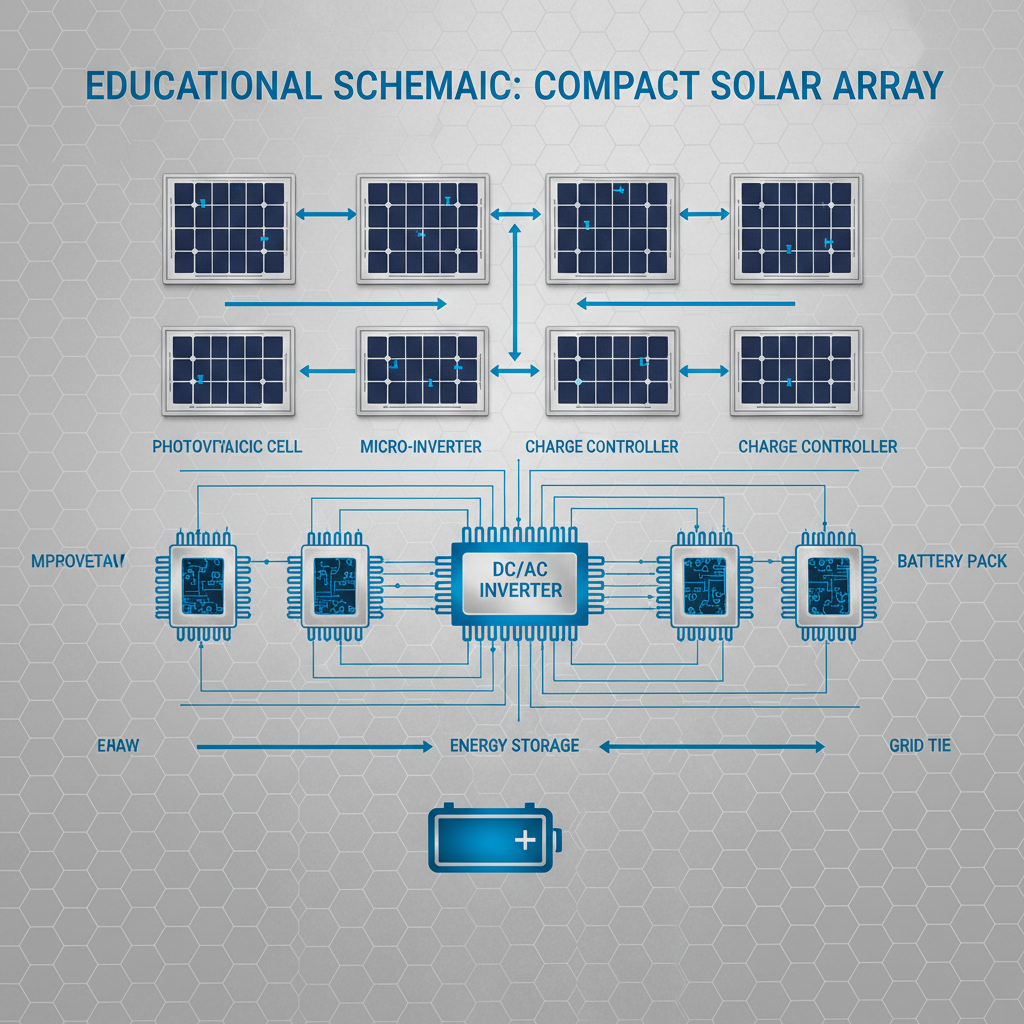
Several key components contribute to the functionality of a mini solar panel. The solar cells themselves are the heart of the system, converting sunlight into direct current (DC) electricity. These cells are often encapsulated in a protective layer of ethylene-vinyl acetate (EVA) to shield them from environmental factors.
A crucial element is the backsheet, providing additional protection and structural support. The frame, typically made of aluminum, adds rigidity and facilitates mounting. Finally, a junction box houses the wiring and diodes, essential for connecting the panel to a charging controller or directly to a load.
The quality and integration of these components directly impact the panel's overall performance and lifespan. Innovations in materials science are constantly improving the efficiency and durability of each part, making mini solar panel solutions even more effective.
Key Performance Factors of Mini Solar Panels
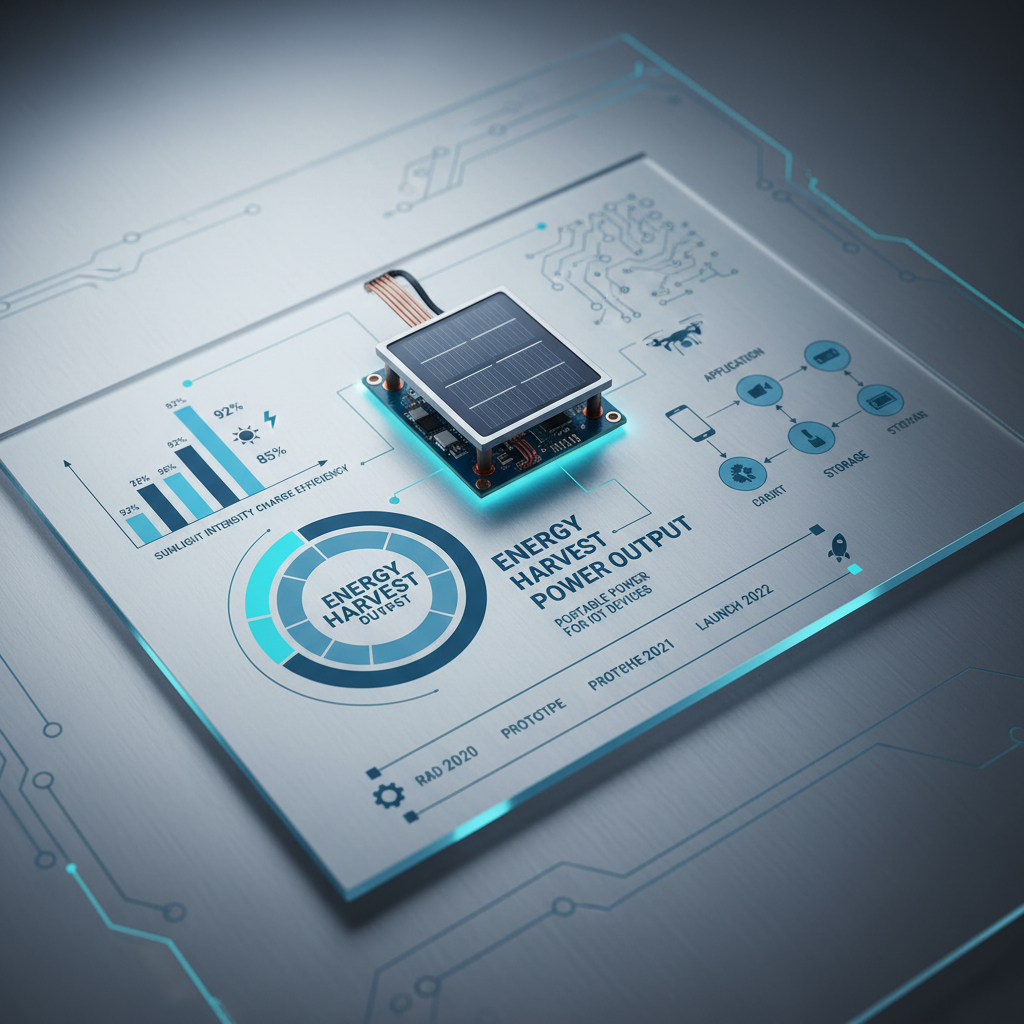
The performance of a mini solar panel is evaluated based on several critical factors. Power output, measured in watts (W), indicates the amount of electricity the panel can generate under standard test conditions. Efficiency, expressed as a percentage, represents the panel’s ability to convert sunlight into electricity.
Durability, assessed through resistance to weather, impact, and UV exposure, determines the panel's lifespan. Voltage and current output are also essential considerations, as they must match the requirements of the connected devices or charging systems.
Mini Solar Panel Performance Comparison
Global Applications and Use Cases
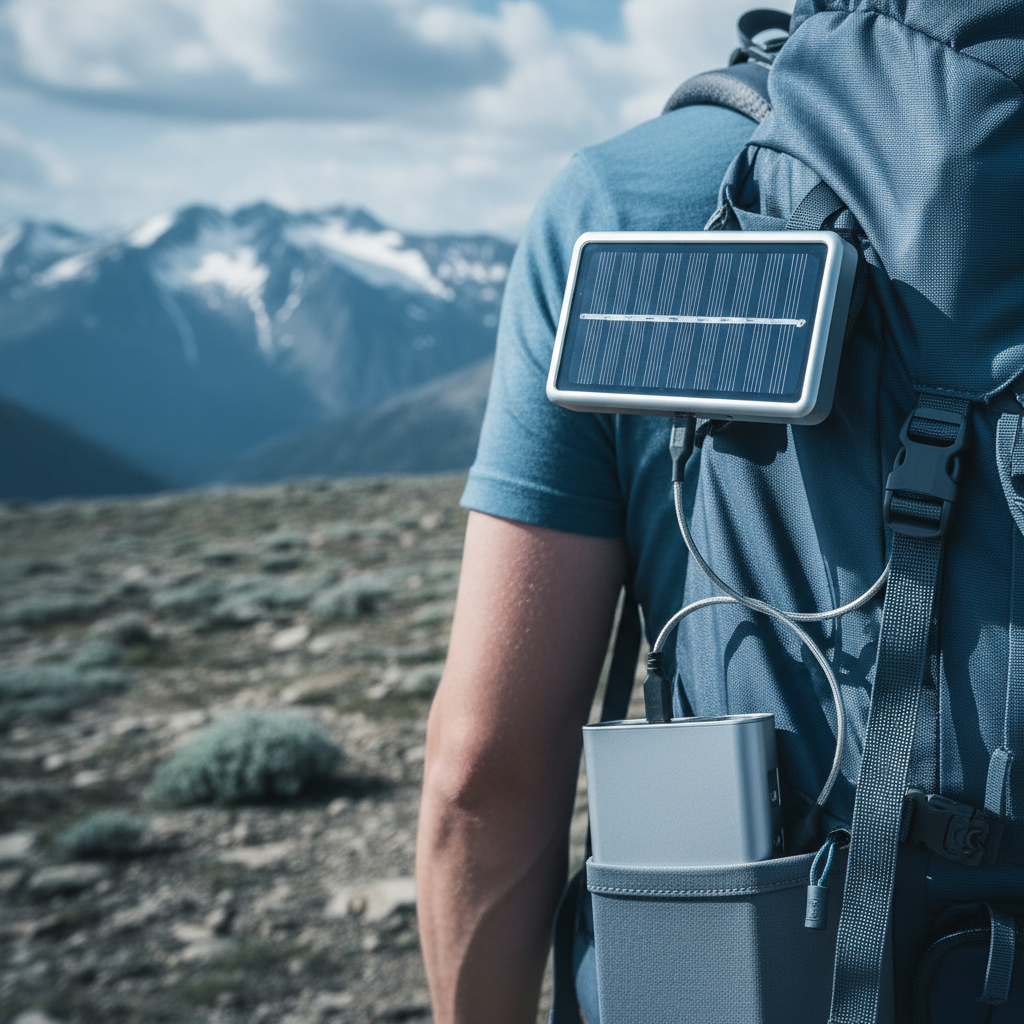
Mini solar panels are finding applications across a wide range of sectors. In post-disaster relief operations, they provide immediate power for communication, lighting, and medical equipment in areas where the grid is down. They are also becoming increasingly popular for outdoor recreation, powering camping equipment, charging portable devices, and enabling off-grid exploration.
In remote industrial zones, these panels offer a cost-effective solution for powering monitoring equipment, sensors, and small-scale operations. Agricultural applications include powering irrigation systems, livestock monitoring devices, and remote weather stations. The versatility of these panels continues to expand as new applications are developed.
Advantages and Long-Term Value
The advantages of using mini solar panel systems are numerous. Cost-effectiveness is a primary benefit, as they require lower upfront investment and reduced installation costs compared to traditional solar systems. Sustainability is another key advantage, offering a clean and renewable energy source that reduces reliance on fossil fuels.
They enhance reliability in areas with unstable grids and offer resilience during emergencies. From a societal perspective, they empower individuals and communities by providing access to essential services and promoting energy independence. The long-term value of these panels extends beyond financial savings, contributing to a more sustainable and equitable future.
Future Trends and Innovations
The future of mini solar panel technology is bright, with ongoing research and development driving significant advancements. Emerging trends include the integration of perovskite solar cells, which offer higher efficiency and lower production costs. Flexible and lightweight panels are also gaining traction, expanding applications in wearable technology and portable power solutions.
The increasing focus on smart grids and energy storage solutions is further enhancing the potential of mini solar panels. Combining these panels with battery storage systems allows for continuous power supply, even when sunlight is unavailable. These advancements are aligned with global efforts toward green energy, digital transformation, and sustainable development.
The integration of AI and machine learning to optimize panel performance and predict energy output will also play a role in maximizing their efficiency and extending their lifespan.
FAQS
Mini solar panels excel in applications needing portable or decentralized power. Common uses include charging mobile devices while camping, powering remote sensors, providing electricity for off-grid cabins, or supplementing power during emergency situations. Their compact size and ease of installation make them ideal for diverse scenarios where larger solar installations are impractical.
The lifespan of a mini solar panel generally ranges from 20 to 25 years, comparable to larger solar panels. However, this can vary based on usage conditions and panel quality. Factors like exposure to extreme temperatures, UV radiation, and physical damage can affect longevity. Regular maintenance, such as cleaning and inspection, can help extend the panel's operational life.
While mini solar panels can function in various climates, their performance is affected by weather conditions. Cloudy or shaded environments will reduce power output. Panels designed for colder climates often have features to handle snow accumulation. It’s essential to choose panels specifically rated for the expected environmental conditions for optimal efficiency and durability.
Historically, mini solar panels had lower efficiencies than larger panels, but advancements in technology have significantly narrowed the gap. Current mini panels can achieve efficiencies ranging from 15% to 22%, comparable to many standard solar panels. Improvements in cell technology, like perovskite cells, are further boosting efficiency levels in smaller form factors.
Not always. If you intend to use the power as it’s generated (e.g., charging a device directly in sunlight), a battery isn’t necessary. However, for storing energy for later use or providing power when sunlight isn’t available, a battery is essential. The type and capacity of the battery will depend on your power needs and usage patterns.
Determining the appropriate size depends on your power consumption. Calculate the total wattage of the devices you want to power and the hours you’ll use them daily. Factor in sunlight hours and potential energy losses. A solar power calculator or consultation with a solar energy professional can help you accurately assess your needs and select the optimal panel size and configuration.
Conclusion
In conclusion, mini solar panels represent a significant advancement in renewable energy technology, offering a versatile, accessible, and sustainable power solution. Their ability to address diverse needs, from disaster relief to remote power, demonstrates their vital role in building a more resilient and environmentally conscious future.
Looking ahead, continued innovation in materials, efficiency, and integration with smart grid technologies will further enhance the capabilities of these panels. By embracing this transformative technology, we can empower communities, reduce our carbon footprint, and unlock a cleaner, more sustainable energy future for all. Visit our website at www.benjiusolar.com to learn more about how we can help you harness the power of the sun.