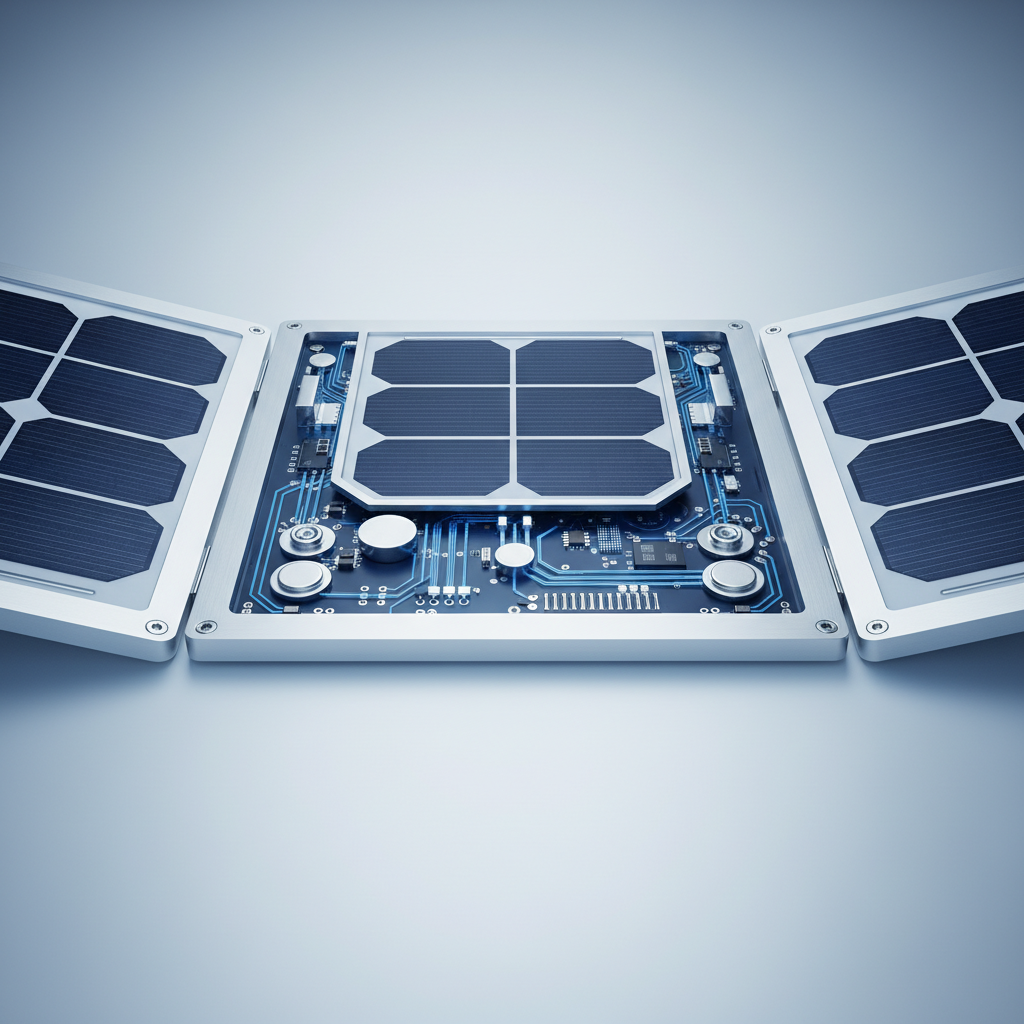
Small solar panels are revolutionizing access to electricity globally, offering a sustainable and cost-effective solution for diverse needs. From powering remote homes and communities to enabling mobile device charging in developing countries, these compact energy sources are playing a crucial role in bridging the energy gap and fostering economic empowerment. The increasing affordability and efficiency of small solar panels are driving their widespread adoption and creating new opportunities for innovation.
The global relevance of small solar panels is underscored by the United Nations Sustainable Development Goal 7: Affordable and Clean Energy. Millions worldwide lack access to reliable electricity, hindering education, healthcare, and economic growth. According to the World Bank, over 733 million people still live without electricity. Small solar panels provide a decentralized and scalable solution, bypassing the limitations of traditional grid infrastructure. The ISO standards for solar panel efficiency and durability ensure quality and reliability, contributing to the long-term sustainability of these systems.
Addressing this challenge is critical, and small solar panels provide a powerful tool. These systems offer immediate access to power for essential services, improve quality of life, and reduce reliance on fossil fuels. Their portability and ease of installation make them ideal for a variety of applications, from disaster relief to off-grid living.
Defining Small Solar Panels
Small solar panels are photovoltaic (PV) systems designed to generate electricity from sunlight on a relatively small scale. Typically, these panels range in power output from a few watts to several hundred watts, making them suitable for powering individual devices, homes, or small businesses. They differ from large-scale solar farms in their size, portability, and decentralized application.
Their connection to modern industry and humanitarian needs stems from their ability to provide off-grid power solutions. In an increasingly interconnected world, access to electricity is paramount. Small solar panels empower communities and individuals in areas lacking traditional infrastructure, enabling access to communication, education, and healthcare, and ultimately driving sustainable development.
Global Context and Relevance
The demand for small solar panels is surging globally, driven by rising energy costs, increasing environmental concerns, and a growing need for energy independence. Developing nations are particularly reliant on these systems to provide power to rural communities where extending the electricity grid is prohibitively expensive. Furthermore, disaster relief efforts frequently utilize small solar panels to provide immediate power for communication, medical equipment, and lighting in affected areas.
This trend aligns with global initiatives promoting renewable energy sources. International organizations like the International Renewable Energy Agency (IRENA) advocate for the widespread adoption of solar power, including small-scale systems. The falling cost of solar panel technology, coupled with innovative financing models, is making these systems increasingly accessible to a wider range of consumers and businesses.
The relevance extends beyond basic power provision; small solar panels are crucial for enabling remote monitoring systems, powering agricultural equipment, and supporting small-scale enterprises in areas with limited infrastructure. This contributes to economic growth and improves the overall quality of life for millions.
Core Components & Characteristics
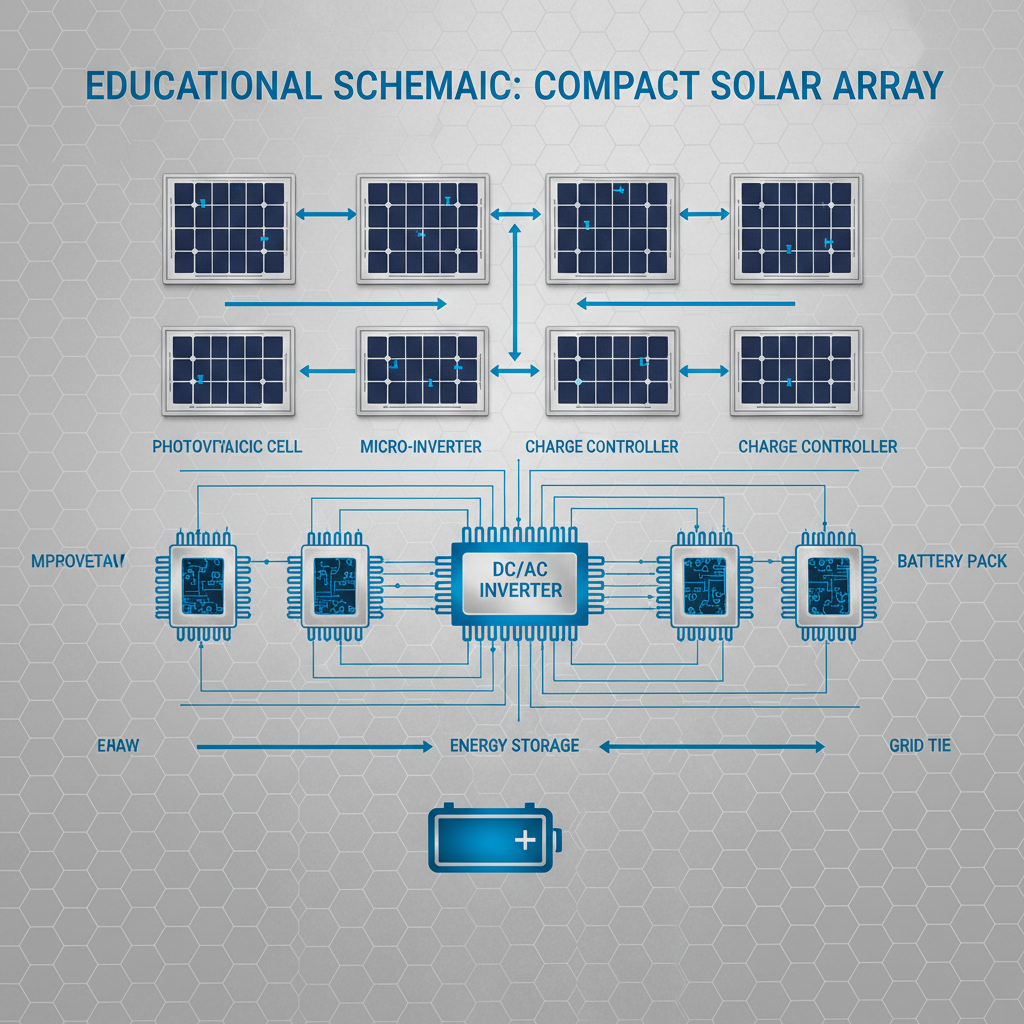
Small solar panels share the same fundamental components as their larger counterparts, but are designed with portability and specific power requirements in mind. Key components include photovoltaic cells, typically made of silicon, which convert sunlight into electricity. These cells are encapsulated within a protective layer of glass and a durable backing material. An aluminum frame provides structural support, and a junction box facilitates the connection to electrical wiring.
The characteristics of small solar panels are defined by their power output, voltage, current, and efficiency. Power output is measured in watts (W), indicating the amount of electricity generated under standard test conditions. Voltage and current determine the compatibility with various devices and batteries. Efficiency refers to the percentage of sunlight converted into electricity – higher efficiency means more power from the same panel size.
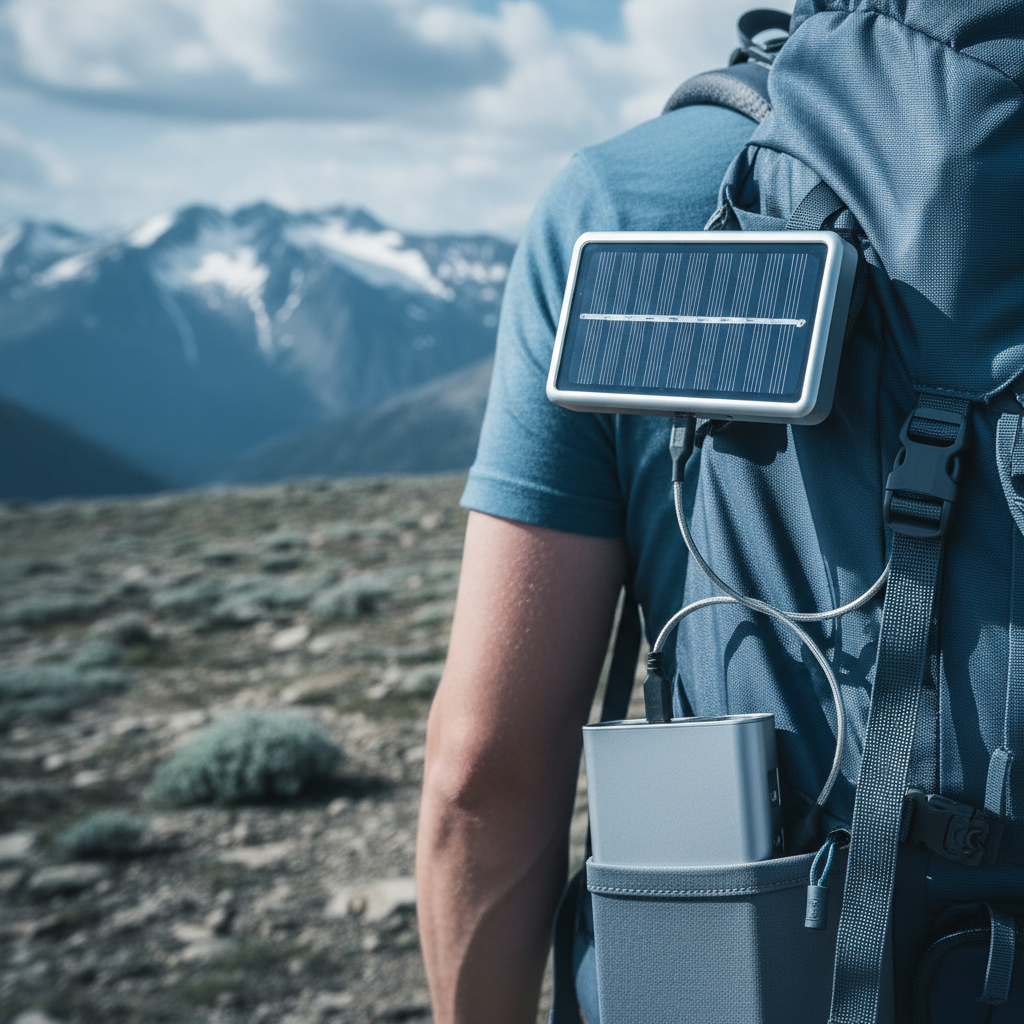
Beyond these core components, factors like panel size, weight, and weather resistance are critical considerations. Flexible solar panels, for example, are lightweight and adaptable to curved surfaces, making them ideal for mobile applications. Waterproof and ruggedized designs ensure durability in harsh environments.
Key Factors Influencing Performance
Several key factors influence the performance of small solar panels. Sunlight intensity is paramount; the more sunlight a panel receives, the more electricity it generates. Panel orientation and tilt angle also play a crucial role, maximizing exposure to direct sunlight throughout the day. Shade significantly reduces output, highlighting the importance of proper placement.
Temperature affects efficiency, with higher temperatures generally leading to reduced performance. Maintaining adequate ventilation around the panel can help mitigate this effect. The quality of the components, including the solar cells and wiring, also contributes to overall reliability and longevity.
small solar panels Performance Factors
Diverse Applications Worldwide
Small solar panels are being deployed across a wide range of applications globally. In post-disaster relief operations, they provide immediate power for communication and essential services. In remote industrial zones, they power monitoring equipment and off-grid facilities. Farmers utilize them for irrigation pumps and crop drying, improving agricultural productivity.
Across Africa, small solar panels are transforming rural communities, providing access to electricity for lighting, phone charging, and powering small businesses. In Latin America, they are used for powering remote health clinics and schools. In developed countries, they are popular for recreational vehicles, boats, and off-grid cabins.
Advantages and Long-Term Value
The advantages of small solar panels are numerous. Cost savings are significant, as they reduce or eliminate reliance on expensive grid electricity or fossil fuels. Sustainability is a core benefit, as they generate clean energy without harmful emissions. The long-term value extends to improved reliability and reduced maintenance costs compared to traditional power sources.
Beyond the tangible benefits, small solar panels offer a sense of energy independence and security. They contribute to social impact by empowering communities and improving access to essential services. The innovation driving the development of more efficient and affordable panels further enhances their long-term value and appeal.
Future Trends and Innovations
The future of small solar panels is bright, with ongoing innovations driving down costs and increasing efficiency. Perovskite solar cells, a promising new technology, offer the potential for higher efficiencies at lower manufacturing costs. Advancements in battery storage technology are enabling greater energy independence and reliability.
Integration with smart grids and the Internet of Things (IoT) is opening up new possibilities for energy management and optimization. Policies promoting renewable energy adoption and providing incentives for solar installations are further accelerating the growth of the small solar panel market. The convergence of green energy, digital transformation, and automation will shape the future of this technology.
We are also witnessing the development of transparent and flexible solar panels, expanding their applications into building-integrated photovoltaics (BIPV) and wearable electronics. This represents a significant step towards ubiquitous and sustainable energy generation.
FAQS
Most small solar panels are designed to last between 25 and 30 years, though their energy output gradually decreases over time. Degradation rates are typically around 0.5% per year, meaning after 25 years, a panel might still be producing around 87.5% of its original output. Proper maintenance and environmental conditions can also impact longevity.
The battery size depends on your energy needs and the panel's output. To estimate, calculate your daily energy consumption in watt-hours. Then, divide that number by the panel’s average daily output (accounting for sunlight hours and efficiency). Add a buffer for cloudy days. Lithium-ion batteries are popular due to their high energy density and long lifespan.
Generally, no. The voltage and current output of a small solar panel often don't match the charging requirements of a smartphone. You'll typically need a USB voltage regulator or a power bank to convert the solar panel's output into a usable format for charging mobile devices safely and efficiently.
Yes, cloudy weather significantly reduces the output of small solar panels. However, they still generate some electricity even on cloudy days, though at a much lower rate. The amount of energy generated depends on the cloud cover's density. Using a battery storage system can help bridge gaps in power generation during cloudy periods.
The optimal angle depends on your latitude and the season. As a general rule, in the winter, the angle should be closer to your latitude plus 15 degrees, while in the summer, it should be closer to your latitude minus 15 degrees. Adjusting the angle seasonally will maximize energy capture.
Small solar panels require minimal maintenance. Regularly cleaning the surface to remove dirt, dust, and debris is crucial for optimal performance. Inspect the wiring and connections periodically to ensure they are secure and free from corrosion. Snow accumulation should also be removed to prevent shading.
Conclusion
Small solar panels represent a transformative technology with the potential to address global energy challenges and improve the lives of millions. Their affordability, scalability, and sustainability make them a viable solution for powering homes, businesses, and communities around the world. From disaster relief to off-grid living, these systems offer a reliable and environmentally friendly alternative to traditional power sources.
As technology continues to advance and costs decline, the adoption of small solar panels is poised to accelerate. Continued innovation in materials, battery storage, and smart grid integration will unlock even greater potential. We encourage you to explore the benefits of small solar panels and consider how they can contribute to a more sustainable and equitable future. Visit our website at www.benjiusolar.com to learn more and find the perfect small solar panel solution for your needs.