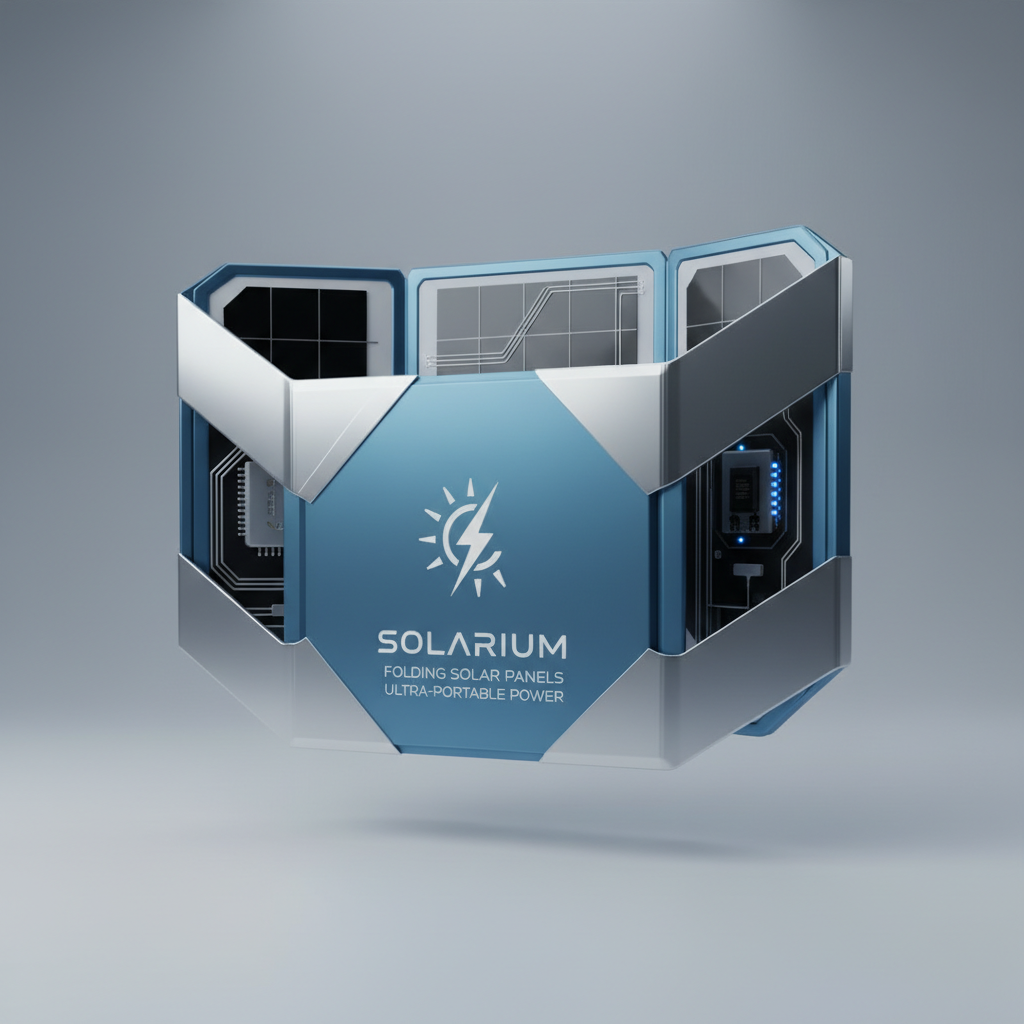
Folding solar panels are rapidly becoming a critical component of modern energy solutions, offering a versatile and efficient way to harness the power of the sun. Their portability and ease of deployment make them uniquely suited for a wide range of applications, from disaster relief and outdoor adventures to off-grid power solutions and remote industrial operations. This technology represents a significant step toward democratizing access to clean energy.
The global demand for renewable energy sources is increasing exponentially, driven by growing concerns about climate change and the need for sustainable development. Folding solar panels address this demand by providing a convenient and scalable energy solution that can be adapted to various environments and needs. The UN Sustainable Development Goal 7, affordable and clean energy, is directly supported by advancements in this field.
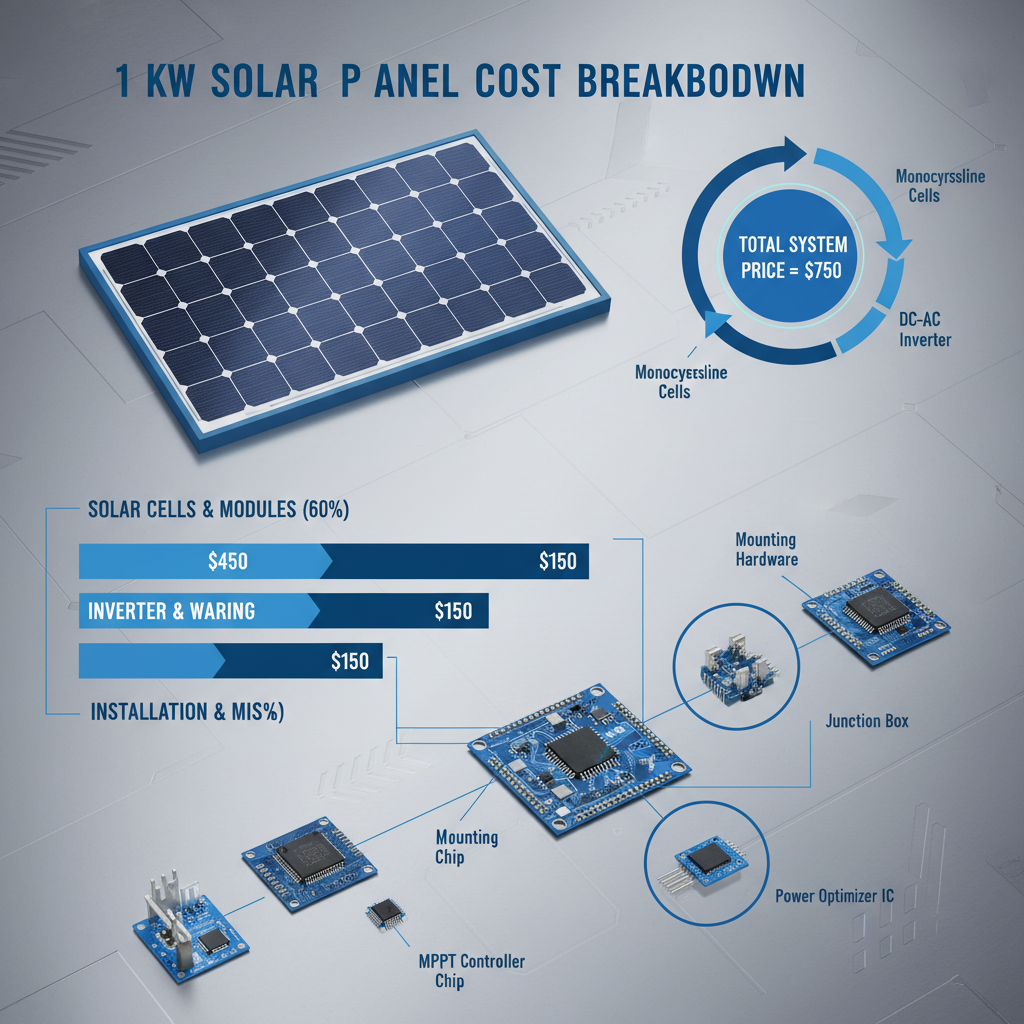
Furthermore, the cost of solar technology has decreased dramatically in recent years, making folding solar panels increasingly affordable and accessible to a wider audience. This affordability, coupled with their practicality, is driving adoption across diverse sectors and geographical locations.
Introduction to Folding Solar Panels
Folding solar panels represent a significant advancement in renewable energy technology, offering a compelling blend of portability, efficiency, and versatility. These panels are designed to be easily transported and deployed, making them ideal for situations where conventional solar installations are impractical or impossible. The ability to quickly set up a power source anywhere with sunlight dramatically expands the reach of solar energy.
Their innovative design allows for compact storage and rapid deployment, addressing a critical need for accessible and reliable power in diverse environments. From emergency response efforts to remote fieldwork, folding solar panels empower individuals and organizations to operate independently and sustainably, contributing to a cleaner energy future.
Defining Folding Solar Panels
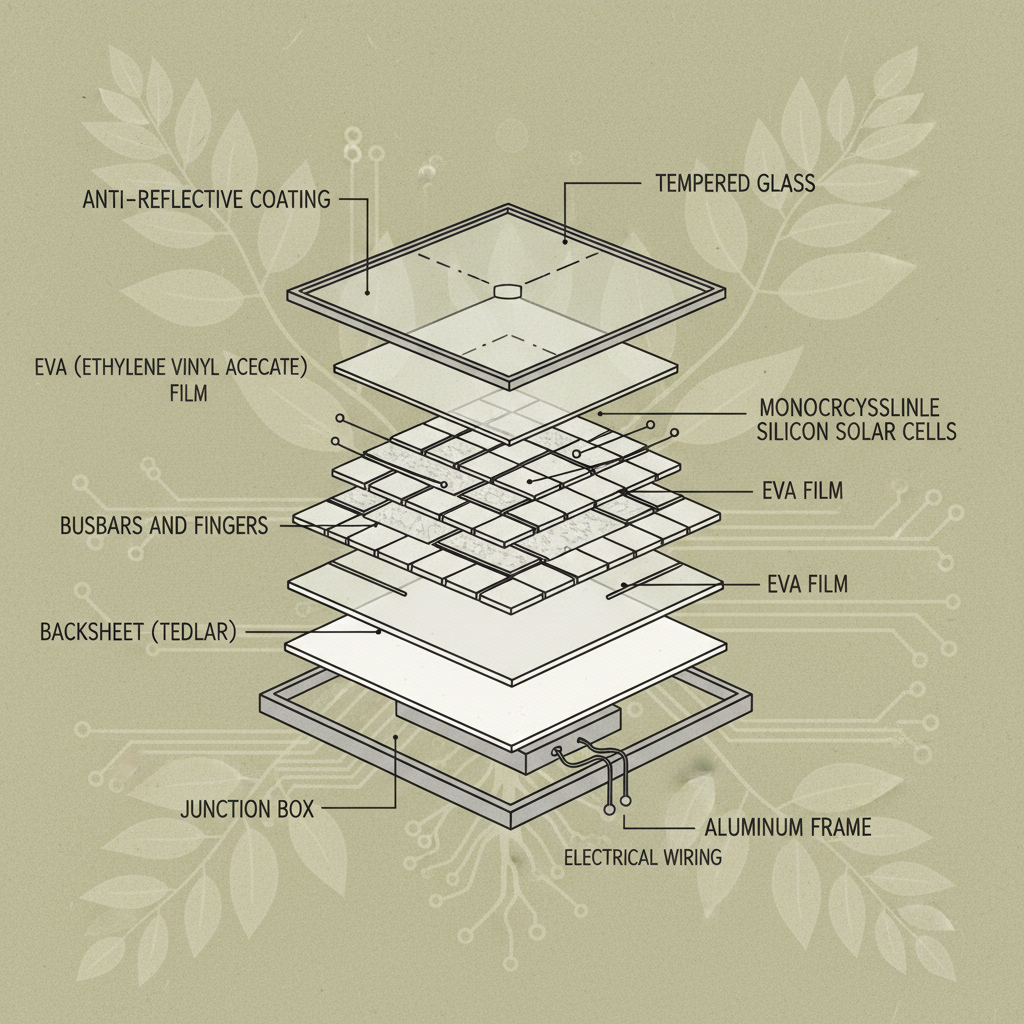
Folding solar panels are photovoltaic (PV) modules constructed with flexible substrates and designed to be folded or rolled for easy transport and storage. Unlike traditional rigid solar panels, these use lightweight materials and segmented cell configurations, allowing them to conform to various surfaces and withstand bending stresses. They essentially provide solar power in a highly portable form factor.
This technology bridges the gap between the benefits of solar energy and the practical limitations of conventional installations. They’re increasingly utilized in scenarios where immediate power access is required, such as disaster relief, camping, and off-grid living. The connection to modern needs arises from the escalating demand for portable, clean energy solutions.
The design often incorporates durable fabrics or polymers to protect the solar cells from the elements while maintaining flexibility. These panels convert sunlight directly into electricity, offering a sustainable alternative to fossil fuels and contributing to a reduction in carbon emissions.
Key Factors of Folding Solar Panels
Durability is paramount. Folding solar panels must withstand repeated bending, transportation, and exposure to harsh weather conditions. High-quality materials and robust construction are critical to ensuring a long operational lifespan. The use of ETFE laminates and reinforced fabrics are common features enhancing resilience.
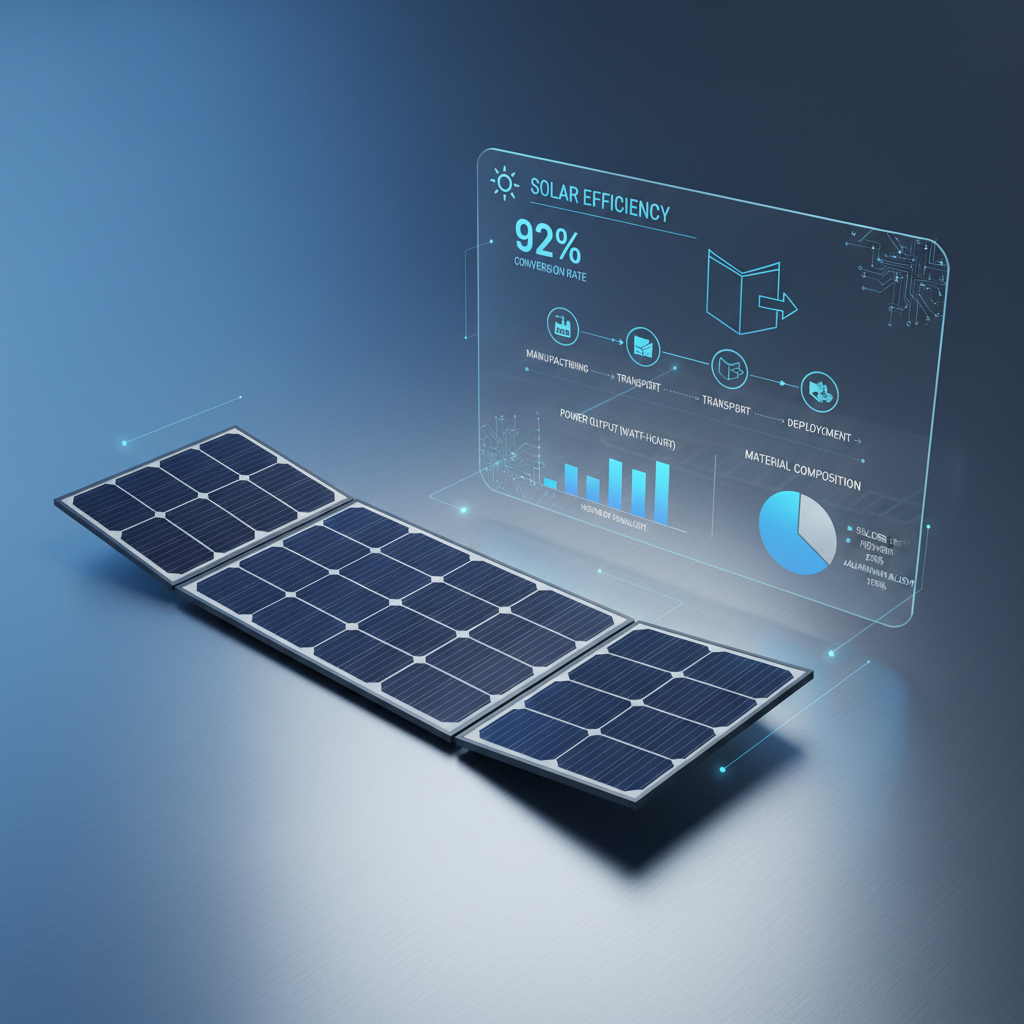
Efficiency determines how much sunlight is converted into usable electricity. While early folding panels lagged behind rigid designs, advancements in cell technology – like monocrystalline silicon and newer perovskite materials – are continuously improving their energy output per square meter. Maximizing efficiency is key to reducing the size and weight required for a given power output.
Portability is a defining characteristic. Weight and packed size are critical factors influencing usability. Lightweight materials and compact folding designs are essential for applications requiring frequent transportation. Folding solar panels prioritize this aspect, making them vastly superior to traditional panels in mobile scenarios.
Applications of Folding Solar Panels
Folding solar panels find applications across a remarkably broad spectrum of needs. In emergency response and disaster relief, they provide a crucial power source for communication, medical equipment, and lighting when grid infrastructure is compromised. In post-disaster relief operations, rapid deployment of power is critical.
For outdoor enthusiasts – campers, hikers, and boaters – these panels offer a reliable way to charge devices and maintain power independence while enjoying remote locations. They are also invaluable for remote industrial zones like mining operations or research stations, where access to the grid is limited or non-existent.
Increasingly, folding solar panels are being integrated into military and humanitarian aid efforts, offering a self-sufficient power source for troops and aid workers in challenging environments. Furthermore, they are gaining traction in the agricultural sector for powering remote sensors and irrigation systems.
Performance Comparison of Folding Solar Panel Methods
Advantages and Long-Term Value
The advantages of using folding solar panels are numerous. The most obvious is cost savings; once the initial investment is made, the “fuel” – sunlight – is free. This translates to reduced energy bills and long-term financial benefits. Beyond monetary gains, there’s the significant sustainability factor – minimizing reliance on fossil fuels and reducing carbon footprints.
The social impact is equally profound. Providing access to clean energy in remote or underserved communities fosters economic development, improves healthcare, and enhances quality of life. Furthermore, the reliability and independence offered by folding solar panels enhance safety and security, especially in emergency situations.
Future Trends in Folding Solar Panels
The future of folding solar panels is bright, with several exciting innovations on the horizon. Researchers are exploring new materials, such as perovskites and organic photovoltaics, to further enhance efficiency and reduce production costs. The integration of artificial intelligence (AI) for optimizing panel orientation and energy storage is also a key area of development.
We're also seeing a growing trend towards incorporating digital technologies, like IoT sensors and remote monitoring systems, into folding solar panels, enabling users to track performance, diagnose issues, and optimize energy consumption. This aligns with the broader trend of digitalization and smart energy management.
Challenges and Solutions
Despite their advantages, folding solar panels face certain challenges. One major concern is their initial cost, which can be higher than traditional rigid panels. However, prices are steadily decreasing as technology advances and production scales up. Another challenge is potential degradation of the flexible materials over time, requiring robust protective coatings and careful handling.
Addressing these challenges requires continued investment in materials research and manufacturing processes. Developing more durable and efficient flexible solar cells, coupled with innovative packaging and transportation solutions, will be critical. Standardizing quality control and performance testing can also build consumer trust and accelerate adoption.
Furthermore, improving energy storage solutions, such as lightweight and high-capacity batteries, will enhance the overall utility of folding solar panel systems, particularly in off-grid applications.
Summary of Challenges and Potential Solutions for Folding Solar Panels
| Challenge |
Impact on Users |
Potential Solution |
Implementation Cost (1-10) |
| High Initial Cost |
Limits accessibility for some users |
Economies of scale, material innovation |
6 |
| Material Degradation |
Reduced lifespan and performance |
Protective coatings, durable substrates |
7 |
| Lower Efficiency (vs. rigid) |
Requires larger surface area for same power |
Perovskite/organic PV research |
8 |
| Durability Concerns (bending) |
Potential for cracking/damage |
Reinforced structures, flexible materials |
5 |
| Limited Storage Capacity |
Requires additional batteries |
Development of lightweight, high-capacity batteries |
9 |
| Weather Resistance |
Susceptibility to water damage/UV |
Waterproof coatings, UV-resistant materials |
4 |
FAQS
While output is reduced in cloudy conditions, folding solar panels still generate electricity. Their performance is impacted by the intensity of diffused sunlight. Modern panels utilize technologies that improve efficiency in low-light scenarios, capturing even the smallest amount of available energy. Expect a significant reduction in output, but not a complete standstill. Utilizing a battery storage solution is recommended to capture energy during sunny periods for use during cloudy ones.
The lifespan of a folding solar panel typically ranges from 5 to 15 years, depending on the quality of materials, manufacturing processes, and environmental conditions. Regular maintenance, such as cleaning and proper storage, can extend the panel’s lifespan. Degradation is a natural process, so expect a gradual reduction in efficiency over time, typically around 0.5-1% per year.
Many folding solar panels are water-resistant, meaning they can withstand light rain and splashes. However, they are not typically fully waterproof and should not be submerged in water. Look for panels with an IP rating (Ingress Protection) to determine their level of water resistance. IP65 or higher indicates a good level of protection against water and dust.
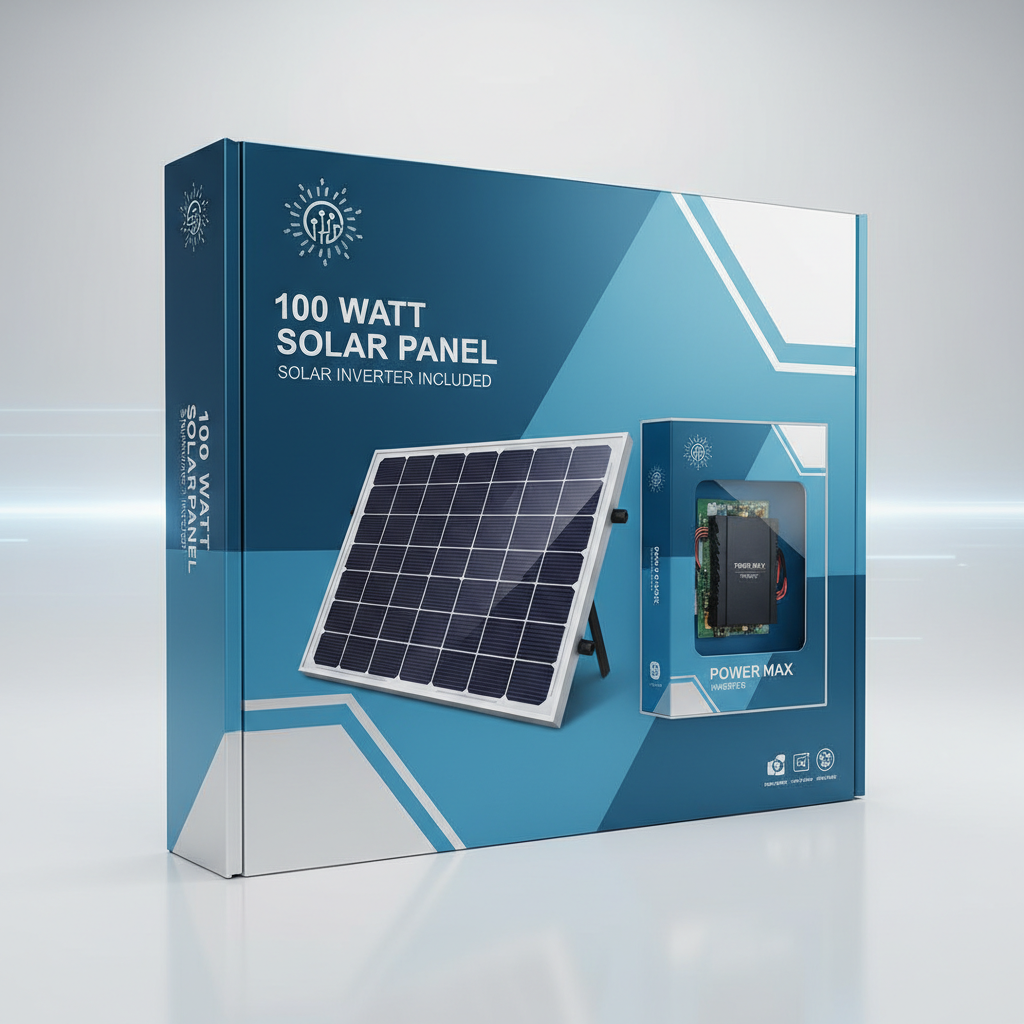
The power output of a folding solar panel varies depending on its size and efficiency. Typical panels range from 20W to 200W or more. A 100W panel, under ideal sunlight conditions, can generate approximately 5-6 amps of current at 12 volts. The actual output will depend on factors like sunlight intensity, panel orientation, and temperature.
To maximize the lifespan of your folding solar panels, store them in a cool, dry place away from direct sunlight and extreme temperatures. Keep them clean and free from dust and debris. When not in use, store them unfolded or loosely rolled to avoid stress on the flexible cells. Avoid storing them in humid environments, as moisture can damage the components.
Whether you need an inverter depends on the devices you want to power. If you’re charging 12V devices directly (like batteries), you generally don’t need an inverter. However, if you want to power standard AC appliances (like laptops or phones), you’ll need an inverter to convert the DC power from the panel to AC power. Ensure the inverter is compatible with the panel's voltage and wattage.
Conclusion
Folding solar panels represent a transformative technology in the renewable energy landscape. Their portability, versatility, and increasing affordability make them an invaluable solution for a wide range of applications, from disaster relief and outdoor adventures to off-grid power and remote industrial operations. As technology continues to advance, folding solar panels will play an increasingly vital role in creating a sustainable and equitable energy future.
Investing in folding solar panel technology isn't just about acquiring a power source; it’s about embracing innovation, promoting sustainability, and empowering individuals and communities with clean, reliable energy. To explore the possibilities and find the perfect folding solar panel solution for your needs, visit our website today.