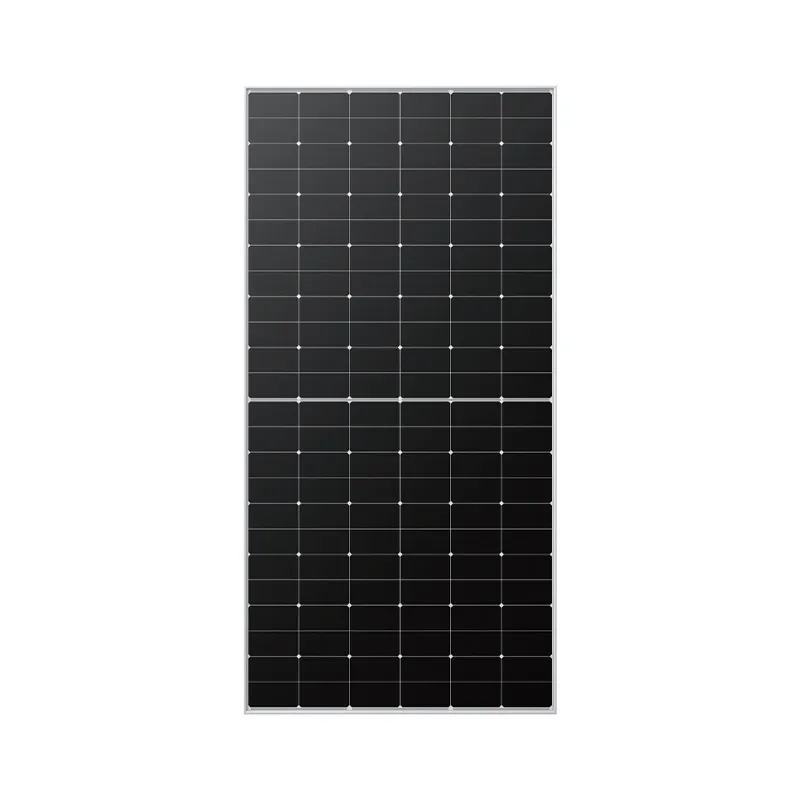
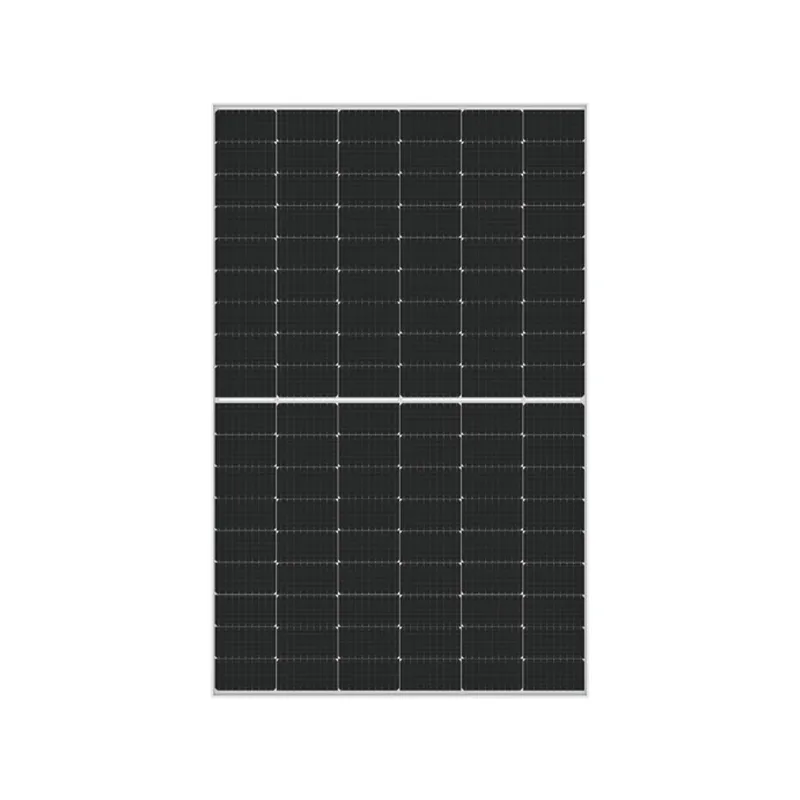
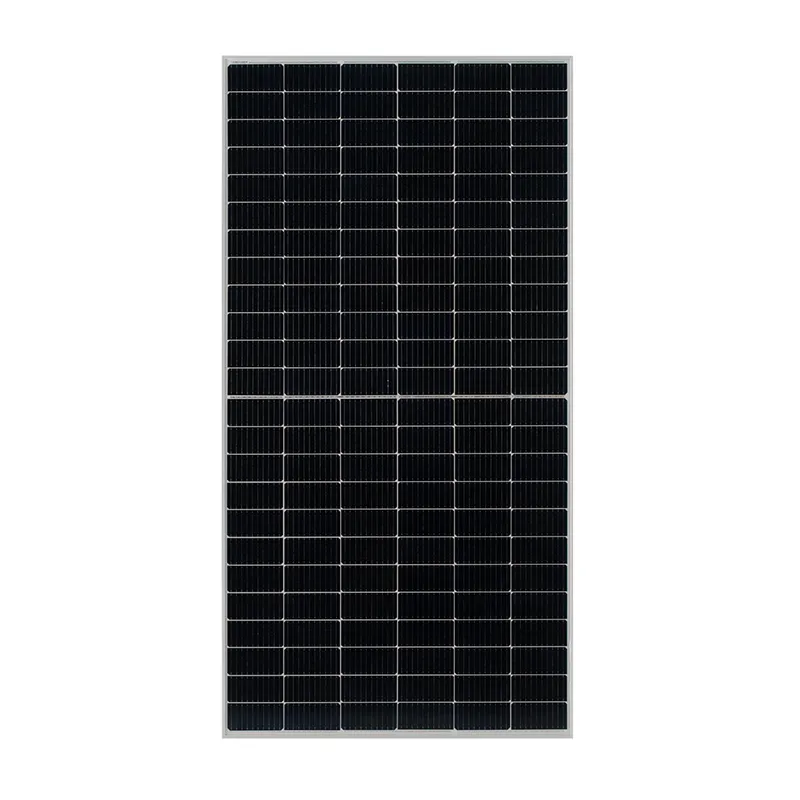
TRINA 5E 420-445W Shingled Monofacial Solar Panel | High-Efficiency
Industry Trends & The Rise of Shingled Monofacial Technology
The global solar energy market is undergoing a rapid evolution, driven by increasing demand for sustainable power, technological advancements, and supportive policy frameworks. Key industry trends include a relentless pursuit of higher module efficiency, improved reliability, and reduced Balance of System (BOS) costs. Traditional photovoltaic (PV) modules, while effective, are continuously being refined, giving way to advanced designs like shingled cell technology. This innovation addresses several limitations of conventional module architectures, offering enhanced performance and aesthetic appeal.
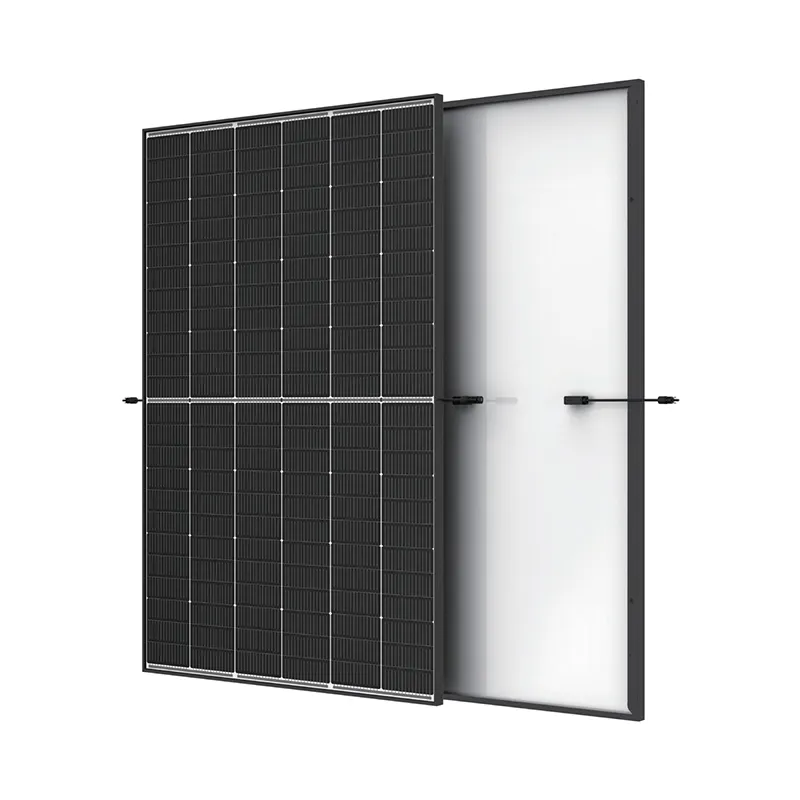
Shingled cell technology, a cornerstone of products like the TRINA 5E 420-445W Shingled Monofacial Module Solar Panel, involves overlapping solar cells in a tile-like manner, eliminating the need for traditional busbars and ribbons. This design minimizes resistive losses, maximizes active cell area, and significantly improves module aesthetics by presenting a uniform, dark surface. The result is a module with higher power output density and improved performance under varying irradiance conditions, making it particularly attractive for both utility-scale and commercial & industrial (C&I) rooftop applications where space optimization and efficiency are paramount.
The drive towards higher power output per module, exemplified by advanced shingled solutions, directly translates to lower BOS costs and a reduced Levelized Cost of Energy (LCOE) for solar projects. This makes such advanced monofacial modules a strategic choice for B2B decision-makers and engineering procurement construction (EPC) firms focused on maximizing return on investment in a competitive energy landscape.
Technical Specifications and Parameters
The TRINA 5E 420-445W Shingled Monofacial Module Solar Panel is engineered for high performance and reliability, featuring advanced PERC (Passivated Emitter Rear Cell) technology combined with innovative shingled cell interconnects. This combination optimizes current flow and minimizes internal resistance, leading to superior energy yield. Below is a detailed overview of its key technical parameters, crucial for system designers and project developers.
| Parameter | Value (Typical for 445Wp) |
|---|---|
| Maximum Power (Pmax) | 445 Wp |
| Module Efficiency | Up to 21.3% |
| Open Circuit Voltage (Voc) | 49.5 V |
| Short Circuit Current (Isc) | 11.3 A |
| Maximum Power Voltage (Vmp) | 41.5 V |
| Maximum Power Current (Imp) | 10.72 A |
| Power Tolerance | 0 ~ +5W |
| Module Dimensions (L x W x H) | Approx. 2000 x 1000 x 30 mm |
| Weight | Approx. 22 kg |
| Cell Type | Monocrystalline, PERC Shingled |
| Front Glass | 3.2 mm, High Transmission, AR Coated Heat Strengthened Glass |
| Frame | Anodized Aluminum Alloy |
| J-Box | IP68 Rated, with 3 bypass diodes |
| Cables | 4.0 mm² (12 AWG), 300 mm length (or customized) |
| Connector | MC4 compatible |
Thermal Characteristics & Operating Conditions
- Nominal Operating Cell Temperature (NOCT): 43 ± 2 °C
- Temperature Coefficient of Pmax: -0.34 %/°C
- Temperature Coefficient of Voc: -0.27 %/°C
- Temperature Coefficient of Isc: +0.04 %/°C
- Operating Temperature Range: -40 °C to +85 °C
- Maximum System Voltage: 1000/1500 V DC (IEC)
Note: All electrical parameters are tested under Standard Test Conditions (STC): 1000 W/m² irradiance, AM 1.5 spectrum, and 25 °C cell temperature. The negative temperature coefficient of Pmax is particularly critical, as it indicates excellent performance stability even at elevated operating temperatures, a common challenge in many solar environments.
Manufacturing Process of TRINA 5E Shingled Modules
The production of the TRINA 5E 420-445W Shingled Monofacial Module Solar Panel involves a meticulously controlled, multi-stage manufacturing process designed to ensure peak performance, durability, and reliability. This process integrates cutting-edge automation and stringent quality control, adhering to international standards such as ISO 9001 for quality management and ISO 14001 for environmental management.
Detailed Process Flow:
1. Silicon Ingot & Wafer Production
High-purity polysilicon is melted and grown into monocrystalline ingots (casting). Ingots are then sliced into thin wafers.
Material: P-type Monocrystalline Silicon
2. Cell Manufacturing (PERC)
Wafers undergo texturing, diffusion, PECVD (Plasma Enhanced Chemical Vapor Deposition) for passivation layers, and metallization (screen printing). PERC structure enhances light trapping and electron collection.
Process: Etching, Diffusion, PECVD, Screen Printing
3. Cell Cutting & Shingling
Full-sized PERC cells are precisely cut into smaller strips using laser cutting technology. These strips are then overlapped and interconnected with conductive adhesive, forming strings without traditional busbars.
Process: Laser Cutting, Conductive Adhesive Bonding (Shingling)
4. Module Lamination
The shingled cell strings are meticulously laid between a sheet of high-transmission anti-reflective (AR) coated glass, EVA (Ethylene Vinyl Acetate) encapsulant, and a durable backsheet. This sandwich is then laminated under vacuum and heat to ensure encapsulation and protection.
Materials: AR Glass, EVA, Backsheet; Process: Lamination
5. Framing & Junction Box Integration
An anodized aluminum alloy frame is affixed to the laminated panel, providing structural integrity and protection. An IP68-rated junction box, containing bypass diodes for shadow protection, is attached to the back.
Materials: Aluminum Alloy, Junction Box; Process: Assembly
6. Electrical Testing & Quality Control
Each module undergoes rigorous electrical performance testing (Flash Test) under STC conditions, Electroluminescence (EL) inspection for micro-cracks, and visual inspection. Mechanical load tests, PID (Potential Induced Degradation) resistance tests, and damp heat tests are conducted regularly on batch samples.
Standards: IEC 61215, IEC 61730, UL 1703; ISO 9001, ISO 14001 compliance.
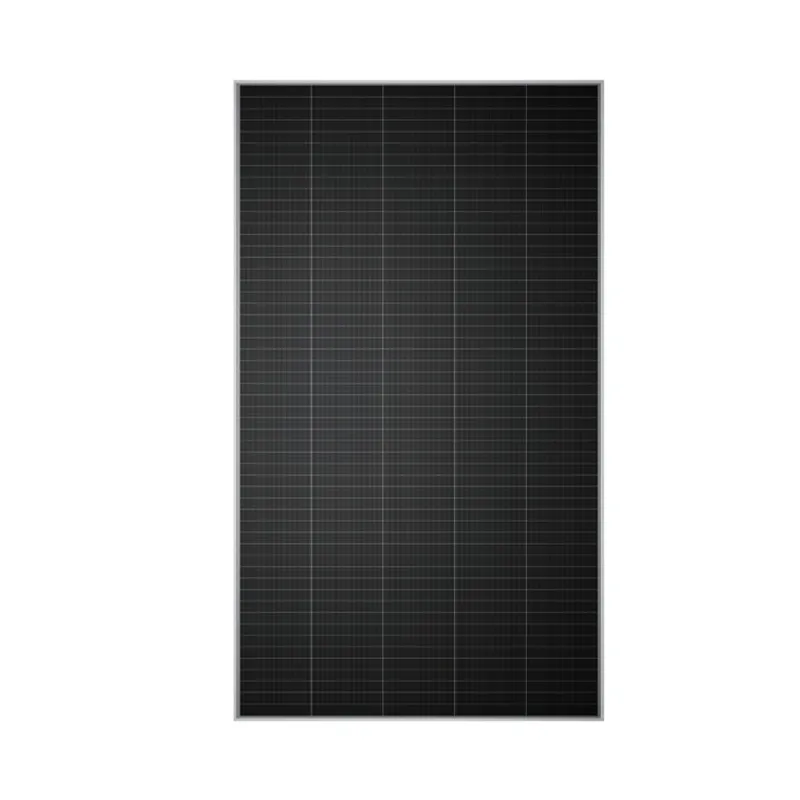
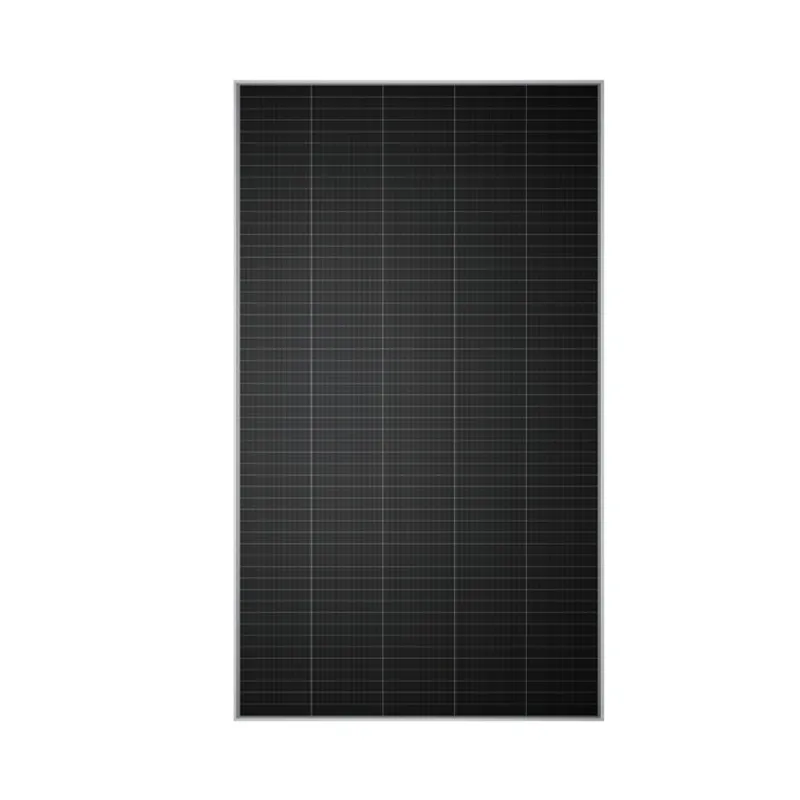
An illustration of a high-efficiency shingled solar module under production or testing.
This rigorous process ensures a service life of over 25 years for this module, maintaining high energy output throughout its operational lifespan. The emphasis on high-quality materials and precise manufacturing steps, including specialized bonding processes instead of traditional soldering, results in a robust product with excellent long-term stability and resistance to degradation mechanisms.
Technical Advantages and Performance Enhancements
The TRINA 5E 420-445W Shingled Monofacial Module Solar Panel offers distinct technical advantages stemming from its innovative shingled cell architecture and advanced material science. These advantages translate directly into tangible benefits for commercial and industrial solar installations.
-
Higher Power Output & Efficiency:
By eliminating the busbar gaps and overlapping cells, the active area for sunlight absorption is significantly increased. This results in an impressive module efficiency of up to 21.3%, leading to higher power generation per square meter and more energy production over the system's lifetime. For businesses, this means greater energy independence and faster payback periods.
-
Enhanced Performance in Low Light and Shading:
The distributed current path in shingled cells, coupled with multi-busbar-like properties, reduces internal resistive losses. Furthermore, the innovative cell arrangement allows for more granular shading resilience. When a portion of a traditional cell is shaded, the entire cell's output can be significantly affected. Shingled cells, being smaller and having different interconnection patterns, often mitigate power loss under partial shading more effectively, maintaining energy yield even in sub-optimal conditions.
-
Superior Aesthetics:
The seamless, all-black appearance of the Trina 5E series module, due to the hidden cell interconnections, provides a premium aesthetic. This is a critical factor for architectural integration and commercial rooftops where visual appeal is important.
-
Improved Mechanical Load Resistance & Durability:
The flexible and redundant connections of shingled cells make them less susceptible to micro-cracks caused by thermal cycling or mechanical stress. This design, combined with a robust anodized aluminum frame and high-transmission glass, ensures enhanced durability and resistance to harsh environmental conditions, including snow loads up to 5400 Pa and wind loads up to 2400 Pa.
-
Reduced Hot Spot Risk & Enhanced Reliability:
The distributed current design and lower operating temperatures of shingled cells significantly reduce the risk of hot spots, a major cause of module degradation and failure in conventional modules. This contributes to the long-term reliability and extended operational lifespan of this module, backed by a leading industry warranty.
Application Scenarios and Case Studies
The versatility and high performance of the TRINA 5E 420-445W Shingled Monofacial Module Solar Panel make it suitable for a diverse range of application scenarios across various target industries. Its robust design and high energy yield are particularly beneficial in environments demanding consistent, reliable power generation and long-term asset value.
Target Industries:
- Commercial & Industrial (C&I) Rooftops: Ideal for factories, warehouses, office buildings, and retail centers seeking to offset electricity costs and achieve sustainability goals. The module's high power density is crucial for maximizing energy generation within limited roof space.
- Utility-Scale Solar Farms: While primarily a monofacial module, its efficiency and reliability contribute to optimizing land usage and reducing LCOE in large-scale ground-mounted projects.
- Agricultural and Aquaculture Facilities: Providing reliable power for irrigation systems, climate control, and processing units, particularly in remote areas or where grid stability is a concern.
- Petrochemical and Mining Operations: Robust design and corrosion resistance make it suitable for harsh industrial environments, ensuring stable power supply for critical operations and reducing reliance on fossil fuels.
- Water Supply & Drainage Infrastructure: Powering pumps and control systems in water treatment plants and irrigation networks, where continuous operation is essential and energy saving is a key advantage.
- Remote Off-Grid & Hybrid Systems: Its high efficiency means fewer modules are needed to meet energy demands, simplifying logistics and reducing installation costs in remote telecommunications, research stations, or community power projects.
Typical Application Scenarios & Advantages:
Scenario 1: Large-Scale Commercial Rooftop Installation
A logistics center with a vast, flat rooftop aims to achieve net-zero energy consumption. The Trina 5E series is chosen for its high power output, allowing for maximum energy generation within the available space.
Advantage: Energy Saving. The 21%+ efficiency dramatically reduces the number of modules required for a target energy output, saving on racking, cabling, and installation labor (BOS costs). The uniform dark appearance also enhances the building's professional aesthetic.
Scenario 2: Industrial Facility in Coastal Region
A manufacturing plant located near a saltwater body requires a robust solar solution resistant to environmental degradation. The module's high-quality glass, anodized aluminum frame, and IP68 junction box provide excellent resistance to salt mist and ammonia corrosion.
Advantage: Corrosion Resistance & Durability. Certified for salt mist and ammonia resistance (IEC 61701, IEC 62716), this Trina 5E module ensures long-term operational integrity and minimal maintenance in aggressive coastal or agricultural environments, safeguarding the investment.
Scenario 3: Integration with Building-Integrated Photovoltaics (BIPV)
An architecturally significant commercial building incorporates solar panels as part of its facade design. The aesthetic superiority of the shingled design, combined with its high power, makes it an ideal choice.
Advantage: Aesthetics & Space Optimization. The seamless, uniform black surface of this module blends harmoniously with modern architectural designs, providing both form and function without compromising energy generation.
These scenarios highlight how the specific technical attributes of the Trina 5E series directly address critical business needs, delivering both performance and resilience across varied operational contexts.
Vendor Comparison: TRINA Shingled vs. Traditional Modules
When evaluating solar PV modules, B2B stakeholders often compare technologies to optimize project performance and cost-effectiveness. Here, we present a comparison between the advanced shingled technology of the TRINA 5E 420-445W Shingled Monofacial Module Solar Panel and conventional multi-busbar (MBB) half-cut cell modules, which represent a prevalent mainstream technology.
| Feature | TRINA 5E Shingled Monofacial | Conventional Half-Cut MBB |
|---|---|---|
| Cell Interconnection | Overlapped with Conductive Adhesive (No Ribbons/Busbars) | Soldered Ribbons/Multi-Busbars (MBB) |
| Active Cell Area | Maximized (no ribbon gaps) | Slightly reduced by ribbon area |
| Internal Resistance Loss | Significantly lower due to shorter, wider current paths | Present, but reduced compared to full cells |
| Efficiency Potential | Very High (up to 21.3% for 5E) | High (typically 20-21% for leading modules) |
| Aesthetics | Seamless, uniform dark appearance (premium) | Visible cell gaps and busbars |
| Shading Tolerance | Improved due to smaller, independent cell sections | Better than full cells, but can still impact significant portions |
| Hot Spot Risk | Lower due to reduced current and distributed heat | Reduced compared to full cells, but still a factor |
| Mechanical Stress Tolerance | Higher due to flexible adhesive and smaller cell units | Good, but soldered connections can be points of stress |
This comparison highlights that while conventional half-cut MBB modules offer strong performance, the shingled architecture of the Trina 5E series provides incremental advantages in efficiency, aesthetics, and overall reliability, making it a premium choice for projects prioritizing long-term performance and visual integration.
Customized Solutions and Project Integration
Recognizing that every B2B project has unique requirements, our approach extends beyond providing standard modules. We offer comprehensive support for customized solar solutions centered around the TRINA 5E 420-445W Shingled Monofacial Module Solar Panel, ensuring seamless integration and optimal performance for specific applications.
Customization Options Include:
- Module Dimensions and Power Binning: While standard sizes are efficient, projects with unique space constraints may benefit from slight adjustments in module dimensions or specific power output ranges. We work with clients to define these requirements.
- Cable Length and Connector Types: Standard MC4 compatible connectors are provided, but custom cable lengths and alternative connector types can be accommodated to simplify installation and reduce on-site labor for specific inverter or racking systems.
- Frame Color and Backsheet Options: For aesthetically sensitive projects, such as BIPV or premium commercial installations, options for frame color (e.g., black anodized) and backsheet color (e.g., black backsheet for all-black modules) can be discussed to achieve desired visual outcomes.
- Special Certifications and Testing: Beyond standard IEC and UL certifications, if a project requires adherence to specific regional standards (e.g., higher wind load ratings for typhoon-prone areas, specific fire ratings), we can facilitate additional testing and documentation.
- Integrated Mounting Solutions: Collaborations with leading mounting system providers allow for optimized racking and tracking solutions tailored to the dimensions and weight of the Trina 5E modules, ensuring structural integrity and ease of installation.
Our team of engineers and project managers provides end-to-end support, from initial consultation and system design to logistics and post-installation service, ensuring that customized solutions deliver maximum value and performance.
Commitment to : Expertise, Experience, Authoritativeness, Trustworthiness
In the rapidly evolving solar industry, establishing credibility is paramount. Our commitment to Google's standards ensures that our clients receive not only superior products like the Trina 5E series but also comprehensive, reliable, and expert-backed services.
Expertise & Authoritativeness:
- Industry Leadership: Leveraging Trina Solar's decades of experience as a global leader in PV manufacturing, we bring deep technical expertise in cell and module technology. Our engineering teams are at the forefront of solar innovation, continually refining processes and product designs.
- Certifications & Standards: All modules, including the Trina 5E series, comply with stringent international standards such as IEC 61215 and IEC 61730 for performance and safety. Our manufacturing facilities are ISO 9001 (Quality Management), ISO 14001 (Environmental Management), and OHSAS 18001 (Occupational Health and Safety) certified, ensuring world-class production protocols.
- Independent Testing & Validation: Products regularly undergo validation by independent third-party labs, confirming power output, durability, and resistance to environmental stressors like PID, LID, salt mist, and ammonia corrosion. This data is available upon request for project-specific evaluations.
Experience & Trustworthiness:
- Proven Track Record: With over 15 years in the solar industry, we have successfully partnered with a diverse client base, ranging from multinational corporations to local energy developers, delivering reliable solar solutions globally. Our portfolio includes hundreds of megawatts of deployed capacity.
- Customer Feedback & Case Study Excerpt: "Our recent 5 MW ground-mount project utilized the Trina 5E series, and the ease of installation combined with the superior energy yield has exceeded our projections. The team's support throughout the procurement and delivery process was exemplary." - Head of Procurement, Major EPC Firm, Europe.
- Warranty Commitments: The TRINA 5E 420-445W Shingled Monofacial Module Solar Panel comes with a robust warranty package: a 12-year product workmanship warranty and a 25-year linear power output warranty, guaranteeing not less than 84.8% of nominal power after 25 years. This provides long-term peace of mind and secures your investment.
- Lead Time & Fulfillment: Standard lead times for the Trina 5E series typically range from 4-6 weeks for container111-load orders, depending on current stock levels and manufacturing schedules. Expedited shipping and flexible logistics solutions are available upon request to meet tight project deadlines.
- Dedicated Customer Support: Our global support network offers pre-sales consultation, technical assistance during installation, and comprehensive after-sales service. Clients have access to expert engineers for troubleshooting and performance optimization, ensuring continuous operational efficiency.
Frequently Asked Questions (FAQ)
Q: What is shingled cell technology and how does it benefit my project?
A: Shingled cell technology involves cutting traditional solar cells into smaller strips and overlapping them like roof shingles, connecting them with conductive adhesive instead of solder ribbons. This eliminates inactive gaps between cells, maximizing the active surface area, reducing resistive losses, and improving overall module efficiency and power output. For projects, this means more energy generated from the same footprint, leading to lower BOS costs and higher ROI.
Q: How does this module perform under partial shading?
A: The shingled design with its unique cell interconnection strategy provides enhanced performance under partial shading compared to conventional modules. The smaller cell strips and parallel connections within sections allow current to bypass shaded areas more effectively, minimizing power loss and improving overall energy yield during periods of non-uniform irradiance.
Q: What are the key environmental certifications for the Trina 5E series?
A: The Trina 5E series, like all Trina Solar modules, is designed and manufactured under strict environmental compliance, holding certifications such as ISO 14001 for Environmental Management Systems. Additionally, the module is certified for resistance against challenging environmental conditions including salt mist corrosion (IEC 61701) and ammonia corrosion (IEC 62716), ensuring durability in various industrial and coastal settings.
Q: What is the expected service life and warranty?
A: The Trina 5E series module is engineered for a service life exceeding 25 years. It is backed by a 12-year product workmanship warranty covering defects in materials and manufacturing, and a 25-year linear power output warranty, guaranteeing minimal degradation and strong performance over its operational life.
Conclusion
The TRINA 5E 420-445W Shingled Monofacial Module Solar Panel stands as a testament to advanced solar PV engineering, offering a compelling blend of high efficiency, enhanced reliability, and superior aesthetics. Its innovative shingled cell technology directly addresses the evolving needs of the B2B solar market, providing a robust, high-performance solution for a wide array of commercial, industrial, and utility-scale applications.
By choosing this module, decision-makers are investing in a product that promises optimized energy yield, reduced operational costs, and a substantial contribution to their sustainability objectives, all backed by comprehensive warranties and a commitment to industry-leading quality and support.
References
- IEC 61215: Terrestrial photovoltaic (PV) modules – Qualification of design and type approval.
- ISO 9001: Quality management systems – Requirements.
- Photon International. (2023). "Global PV Market Report and Technology Trends."
- NREL (National Renewable Energy Laboratory). (2022). "PV Module Reliability Scorecard."
-
Designing a Modern Home Roof Made Out of Solar Panels GuideNewsApr.16,2026
-
Guide to the Size of 150 Watt Solar Panel for Your ProjectNewsApr.09,2026
-
Understanding the Dimensions and Applications of a 200W Solar PanelNewsApr.07,2026
-
Understanding the Dimensions and Factors of a 330W Solar Panel SizeNewsApr.04,2026
-
Understanding the Size and Dimensions of a 4kW Solar Panel System for Your HomeNewsMar.31,2026
-
Comprehensive Guide to Sizing Your Solar System for Optimal Energy ProductionNewsMar.28,2026