Leading Monocrystalline Solar Panel Manufacturer - High Efficiency & Quality
Advancing Solar Energy: Insights from a Leading monocrystalline solar panel manufacturer
The global transition to sustainable energy sources continues to accelerate, with solar photovoltaics (PV) playing a pivotal role. At the forefront of this revolution are monocrystalline solar panels, renowned for their superior efficiency, durability, and aesthetic appeal. As a dedicated monocrystalline solar panel manufacturer, we understand the critical demands of the B2B sector for reliable, high-performance solar solutions. This comprehensive overview delves into the intricate world of monocrystalline PV technology, covering everything from manufacturing precision to real-world applications and market trends.
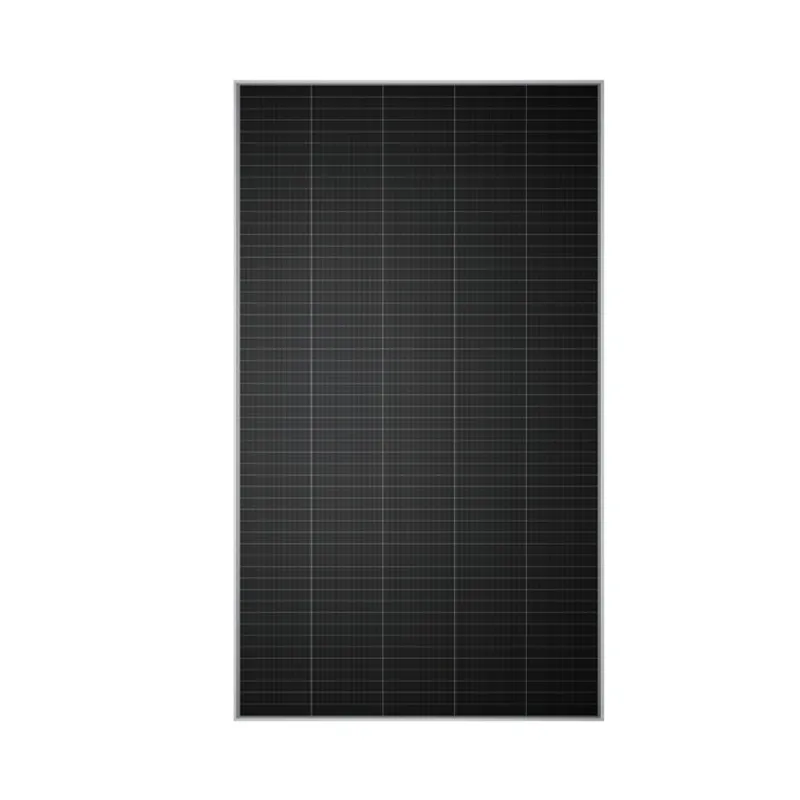
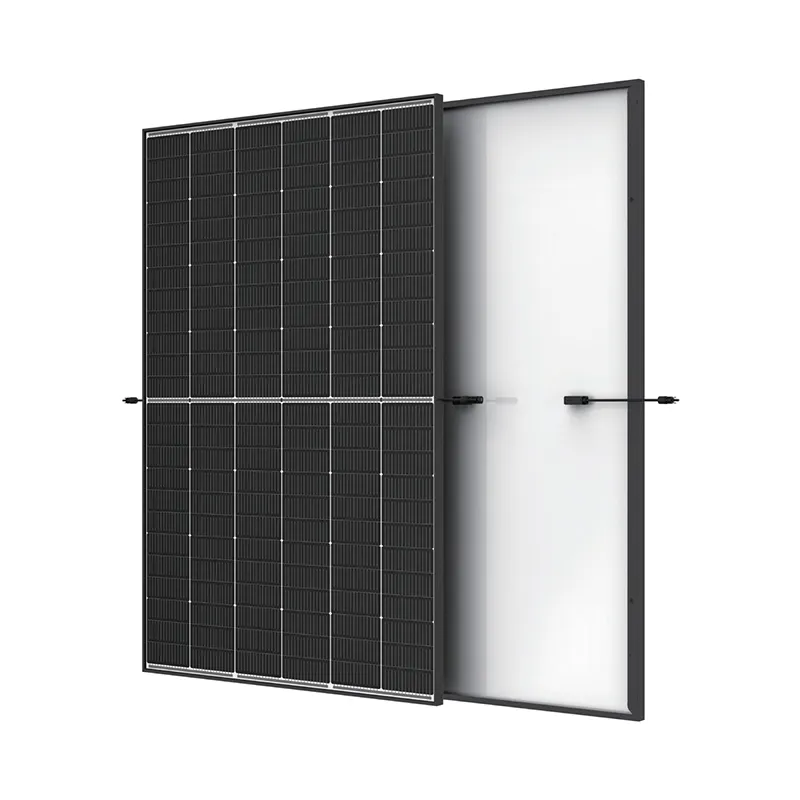
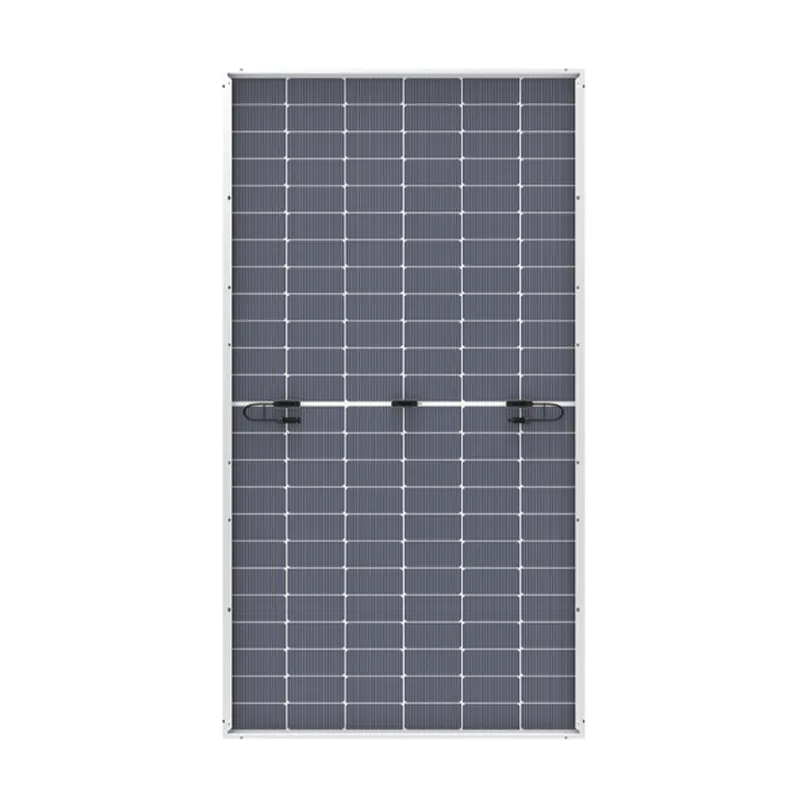
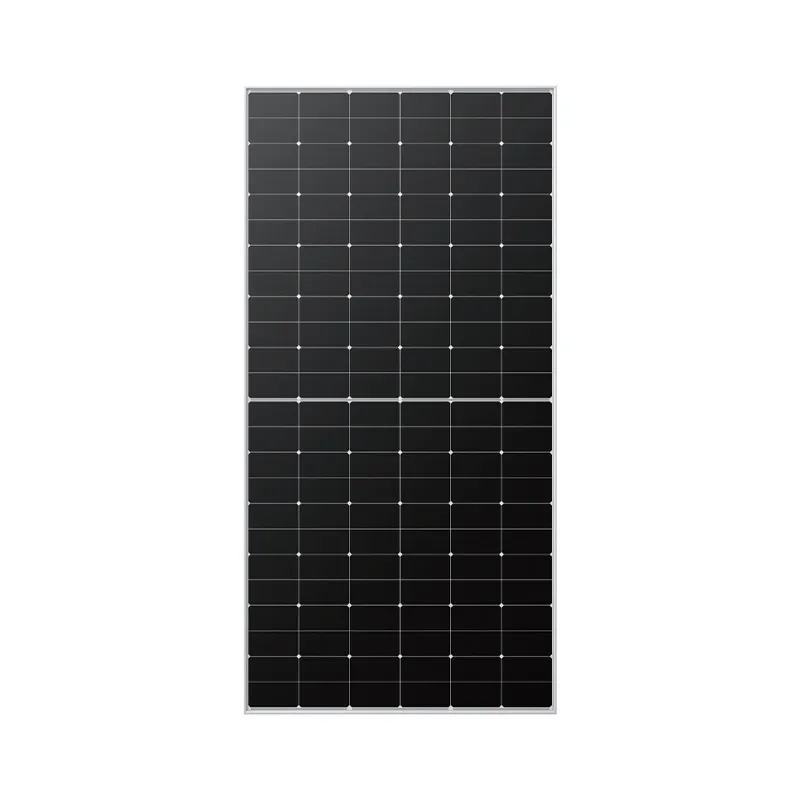
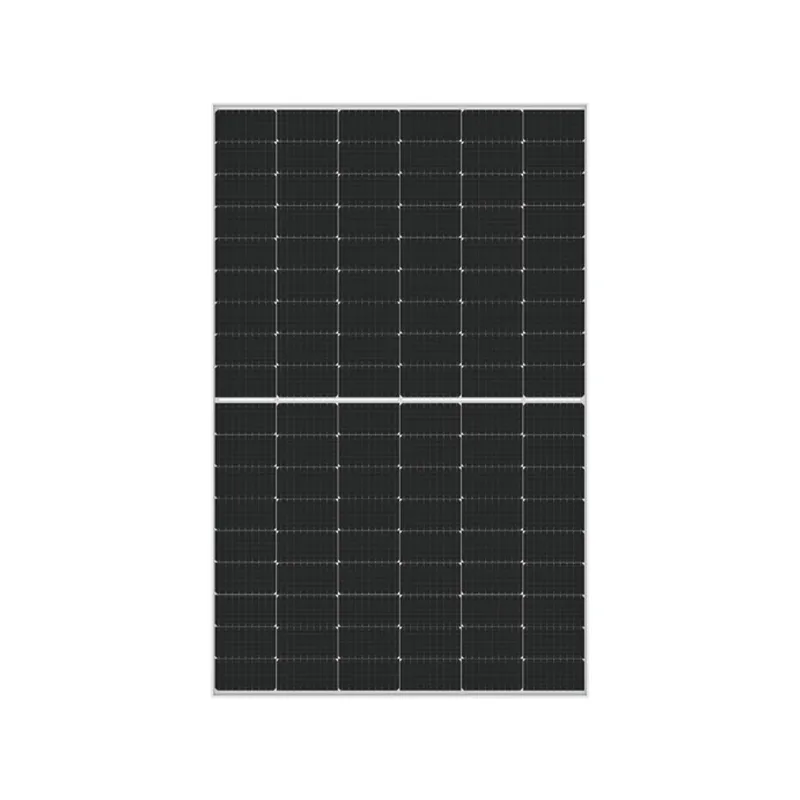
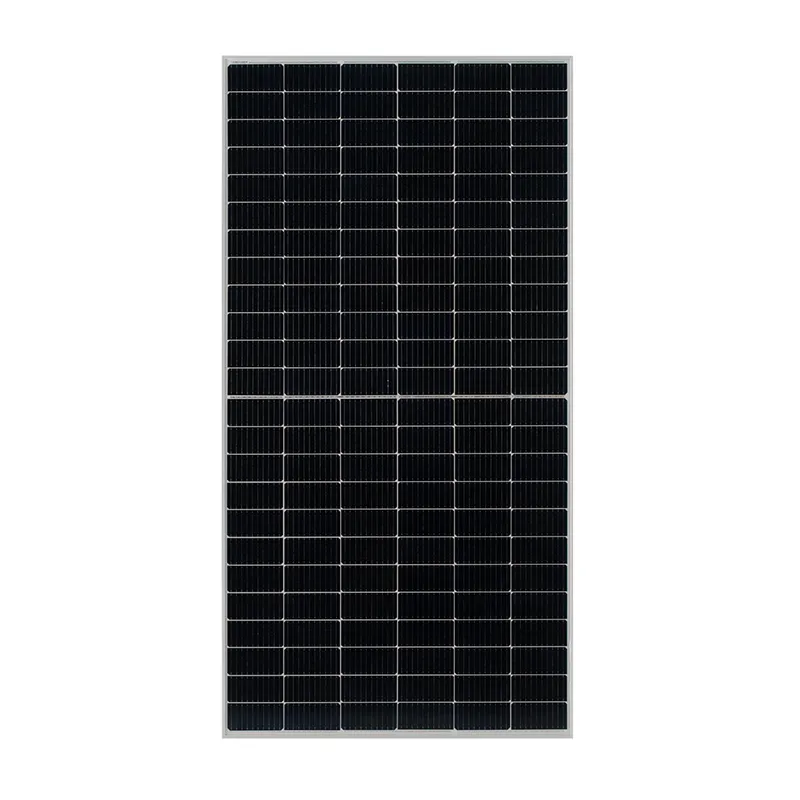
Our focus remains on delivering cutting-edge products like the JA 610-635W N-Type Bifacial Double Glass Mono Module, designed to meet the rigorous requirements of utility-scale, commercial, and industrial projects. This article provides an in-depth look at the technological prowess, quality assurance, and customer-centric approach that defines a premier monocrystalline solar panel manufacturer in today's competitive landscape.
Industry Trends and Market Dynamics for Monocrystalline Solar Panels
The solar industry is characterized by rapid innovation and evolving market dynamics. Monocrystalline technology, particularly N-type and bifacial modules, is leading this charge. Recent trends highlight a significant shift:
- Dominance of Monocrystalline: Polycrystalline technology has largely been phased out in favor of monocrystalline due to its higher efficiency and superior performance in varied conditions.
- N-Type Technology Ascent: N-type cells, such as TOPCon and HJT, are gaining market share rapidly. They offer lower light-induced degradation (LID) and potential-induced degradation (PID), better low-light performance, and higher efficiency compared to traditional P-type cells. Projections indicate N-type market share will exceed 70% by 2025.
- Bifacial Module Growth: Bifacial modules, capable of capturing sunlight from both the front and rear sides, are becoming standard for utility-scale and commercial projects. Their ability to increase energy yield by 5-30% depending on albedo and installation design makes them highly attractive.
- Larger Wafer and Module Sizes: To drive down Balance of System (BOS) costs and increase power output, there's a trend towards larger wafer sizes (e.g., M10, G12) and consequently, larger monocrystalline solar panel size. This optimizes module wattage and reduces the number of modules per project.
- Grid Parity and Storage Integration: As solar costs decrease, grid parity is achieved in more regions, making solar an economically viable choice without subsidies. The integration of battery energy storage systems (BESS) is also expanding, enhancing grid stability and energy independence.
These trends underscore the importance of partnering with a forward-thinking monocrystalline solar panel manufacturer who consistently invests in R&D and adopts the latest technologies to ensure long-term performance and cost-effectiveness for clients.
The Manufacturing Process: From Silicon to High-Performance Module
The production of a high-quality monocrystalline solar panel is a sophisticated, multi-stage process demanding meticulous control and precision. As a leading monocrystalline solar panel supplier, we adhere to stringent quality standards at every step:
- Silicon Purification: High-purity quartz is first converted into metallurgical-grade silicon (MGS), then further refined through processes like the Siemens method to achieve electronic-grade silicon (EGS) with 99.9999% purity. This ensures optimal electrical properties for the semiconductor material.
- Ingot Growth (Czochralski Method): A seed crystal is carefully dipped into molten EGS, which is precisely heated and doped (e.g., with phosphorus for N-type). The seed is then slowly pulled upwards while rotating, allowing a perfect single-crystal silicon ingot to grow with a uniform crystal structure. This ensures high electron mobility and efficiency.
- Ingot Shaping and Squaring: The cylindrical ingots are ground to a precise diameter and then squared, cropping the corners to maximize the usable area for square wafers. This optimizes the packing density within the final module.
- Wafer Slicing: Using advanced multi-wire diamond saws, the silicon ingots are sliced into ultra-thin wafers (typically 160-200 microns). This step is critical for minimizing kerf loss (material wasted during slicing) and maximizing the number of cells per ingot.
- Cell Fabrication:
- Texturing: Wafers undergo an alkaline etching process to create microscopic pyramidal structures, significantly reducing light reflection and increasing absorption.
- Doping/Diffusion: For N-type cells, a boron-doped layer is diffused onto the front surface of the N-type silicon, forming the p-n junction. Precision control prevents shunt paths.
- Anti-Reflection Coating (ARC) & Passivation: A thin layer of silicon nitride is applied to further minimize reflection and passivate the silicon surface, reducing recombination losses.
- Metallization: Silver paste is screen-printed to form the front contacts (fingers and busbars) and aluminum/silver paste for the rear contacts. These are fired at high temperatures to create ohmic contacts.
- Cell Testing & Sorting: Each cell is flash-tested under standard test conditions (STC) to characterize its electrical parameters (Voc, Isc, Pmpp, FF) and sorted into bins based on efficiency.
- Module Assembly:
- Cell Stringing: Automated machines connect individual cells in series using copper ribbons (tapes) and solder, forming cell strings. Bypass diodes are integrated to mitigate shading effects.
- Layup: Cell strings are meticulously arranged on a sheet of EVA (Ethylene Vinyl Acetate) encapsulant, which rests on a precisely cut piece of tempered glass. For bifacial double-glass modules, another EVA layer and glass sheet are added to the top.
- Lamination: The entire stack is placed into a vacuum laminator, heated to melt the EVA. This process encapsulates the cells, providing robust protection against moisture, dust, and mechanical stress.
- Junction Box Attachment & Framing: A weatherproof junction box, housing bypass diodes and connection cables (MC4 connectors), is securely attached. For double-glass modules, framing might be optional, relying on the glass structure for strength.
- Final Testing & QC: Each finished module undergoes a final flash test, electroluminescence (EL) inspection to detect micro-cracks, and comprehensive visual quality checks to meet ISO and IEC standards.
Our manufacturing facilities incorporate advanced robotics and automated inspection systems to ensure consistent quality and efficiency throughout this complex process. Each monocrystalline solar panels for sale undergoes rigorous testing to guarantee a service life exceeding 30 years, with minimal degradation.
Technical Specifications and Advantages: JA 610-635W N-Type Bifacial Double Glass Mono Module
Our featured product, the JA 610-635W N-Type Bifacial Double Glass Mono Module, exemplifies the pinnacle of current solar technology. Engineered for maximum energy yield and durability, it offers significant advantages for demanding projects.
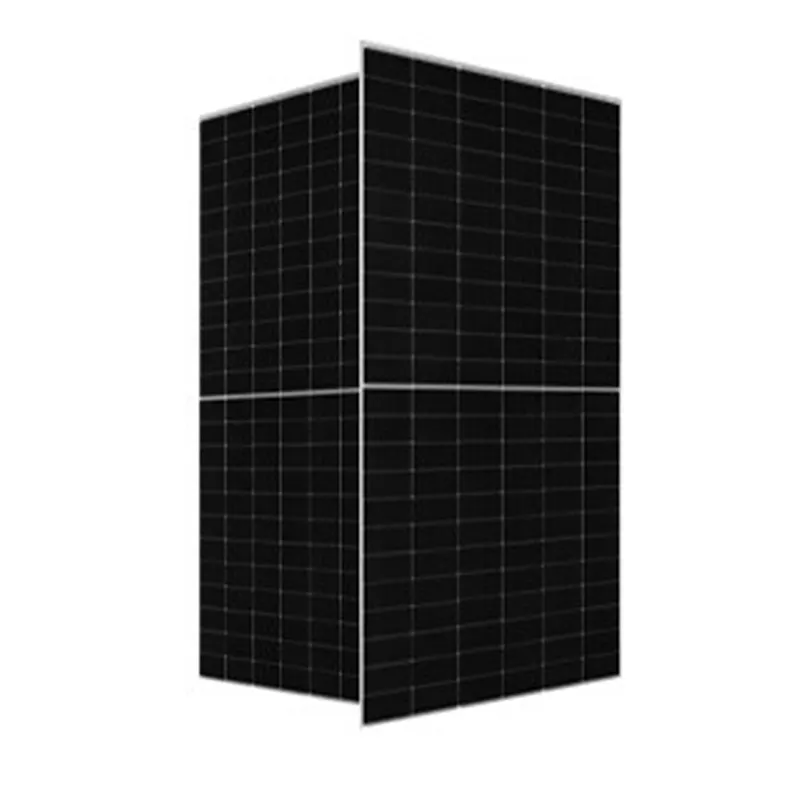
Key Product Specifications (STC):
| Parameter | Value (JA Solar 635W Example) |
|---|---|
| Module Type | JA 610-635W N-Type Bifacial Double Glass Mono Module |
| Maximum Power (Pmax) | 635 Wp |
| Module Efficiency | Up to 22.8% |
| Open Circuit Voltage (Voc) | 45.41 V |
| Short Circuit Current (Isc) | 18.06 A |
| Maximum Power Voltage (Vmp) | 38.30 V |
| Maximum Power Current (Imp) | 16.58 A |
| Temperature Coefficient of Pmax | -0.29 %/°C |
| Module Dimensions (Approximate) | 2384 x 1134 x 30 mm (L x W x H) |
| Weight | 37.2 kg |
| Warranty | 12-year product, 30-year linear power output |
Technical Advantages:
- High Efficiency (22.8%): Achieves superior energy conversion, maximizing power output from a given footprint, critical for projects where space is limited or LCOE (Levelized Cost of Energy) is paramount.
- N-Type Cell Technology: Offers significantly lower LID (Light-Induced Degradation) and PID (Potential-Induced Degradation) compared to P-type cells, ensuring stable performance and higher long-term energy yield. The absence of boron-oxygen related degradation mechanisms contributes to superior reliability.
- Bifaciality: Captures incident sunlight from both the front and rear surfaces, leading to additional power generation, typically 5-30% higher depending on ground albedo, mounting structure, and site conditions. This boosts energy output per unit area.
- Double Glass Structure: Enhances mechanical load resistance (e.g., snow, wind), provides excellent corrosion resistance against harsh environments (e.g., salt mist, ammonia), and eliminates micro-crack formation risk on the backsheet. This robust design ensures extended durability and a longer service life.
- Low-Temperature Coefficient: With a Pmax temperature coefficient of -0.29 %/°C, the module performs exceptionally well in hot climates, experiencing minimal power loss as temperatures rise, thus ensuring consistent energy production.
- Excellent Low-Light Performance: N-type cells excel in diffused light conditions, such as cloudy days or early mornings/late afternoons, contributing to higher overall energy yield.
- High Power Output (610-635W): Reduces BOS costs by requiring fewer modules, less wiring, and fewer mounting structures for the same installed capacity, streamlining large-scale project deployments.
These combined technical attributes make the JA 610-635W N-Type Bifacial Double Glass Mono Module an optimal choice for projects demanding maximum performance, longevity, and return on investment.
Application Scenarios and Target Industries
The versatility and high performance of monocrystalline solar panels make them suitable for a diverse range of applications across various industries. As a specialized monocrystalline solar panel supplier, we cater to sectors with stringent energy demands.
- Utility-Scale Power Plants: Large solar farms benefit immensely from the high efficiency and bifacial gain of our modules, leading to lower LCOE and maximized energy production over vast areas. The robust double-glass design ensures longevity in diverse climates.
- Commercial & Industrial (C&I) Rooftops: Businesses seeking to reduce operational costs and enhance sustainability find monocrystalline panels ideal. The high power output optimizes energy generation even on limited roof space, providing significant energy saving.
- Agriculture (Agrivoltaics): Bifacial modules integrated into agricultural settings provide dual benefits: power generation and crop shading. Their durability ensures performance in agricultural environments, which can sometimes be humid or dusty.
- Floating Solar PV (FPV): The corrosion resistance of double-glass modules makes them highly suitable for FPV projects on reservoirs or lakes, where humidity and potential water exposure are constant factors.
- Remote & Off-Grid Installations: For telecommunications towers, remote monitoring stations, or rural electrification projects, the reliability and high energy yield of monocrystalline panels are critical for uninterrupted power supply.
- Carports & Canopies: The aesthetic appeal and high power density make them perfect for creating shaded parking structures that also generate clean energy.
In all these scenarios, the emphasis on high efficiency, long-term reliability, and energy saving makes monocrystalline panels a preferred choice. For industries like water supply & drainage facilities or petrochemical plants that require reliable power with low maintenance, the enhanced corrosion resistance of our double-glass modules proves to be a decisive advantage.
Vendor Comparison: N-Type Bifacial vs. Traditional P-Type Monocrystalline
When evaluating monocrystalline solar panels for sale, understanding the distinctions between different technologies is crucial. Our N-Type bifacial double-glass modules offer a clear advantage over traditional P-type monocrystalline panels.
| Feature | N-Type Bifacial Double Glass Module (e.g., JA Solar) | Traditional P-Type Monocrystalline Module |
|---|---|---|
| Cell Doping | Phosphorus-doped (N-type base) | Boron-doped (P-type base) |
| Initial Degradation (LID) | Extremely low (typically <1.0%) | Higher (typically 2-3% in first year) |
| Annual Degradation Rate | Lower (e.g., 0.40% after 1st year) | Higher (e.g., 0.55% after 1st year) |
| Bifaciality | Yes, significantly increases yield (5-30%) | No, or negligible (mono-facial) |
| Encapsulation | Double Glass for superior durability | Glass-backsheet (more prone to micro-cracks) |
| Temperature Coefficient | Better (e.g., -0.29 %/°C) | Worse (e.g., -0.35 to -0.40 %/°C) |
| Long-Term Performance | Superior, with higher end-of-life power output | Good, but generally lower long-term yield |
The data clearly illustrates why N-Type bifacial modules, championed by a progressive monocrystalline solar panel manufacturer, represent a superior investment. They promise higher lifetime energy yield, better performance in challenging conditions, and greater durability, translating to a lower LCOE and enhanced ROI for project developers and asset owners.
Customized Solutions and Project Tailoring
Every solar project presents unique challenges and requirements. As an experienced monocrystalline solar panel manufacturer, we excel in providing tailored solutions to meet specific client needs. Our capabilities extend beyond standard product offerings to include comprehensive support throughout the project lifecycle.
- Performance Optimization: Working closely with EPCs and developers, we can advise on optimal module selection, string configurations, and array layouts to maximize energy yield based on site-specific irradiance data, temperature profiles, and shading analysis.
- Logistics and Supply Chain Management: For large-scale projects, efficient and timely delivery of monocrystalline solar panels for sale is critical. We offer robust supply chain management, ensuring on-time delivery to project sites worldwide, minimizing logistical complexities for our clients.
- Technical Support and Engineering Consultation: Our team of engineers provides detailed technical documentation, design support, and pre-sales consultation to ensure seamless integration of our modules into diverse system designs. This includes guidance on specific monocrystalline solar panel size requirements or unique mounting considerations.
- Certification and Compliance: We ensure all our products meet international standards (e.g., IEC 61215, IEC 61730) and country-specific certifications, simplifying regulatory compliance for projects in any region.
Our commitment to customization ensures that clients receive not just products, but complete solutions optimized for their specific project success.
Application Case Studies and Customer Feedback
Demonstrating real-world performance is paramount. Our monocrystalline solar panels have been successfully deployed in numerous projects globally, showcasing their reliability and superior energy yield.
Case Study 1: Utility-Scale Solar Farm (Middle East)
- Project Scope: 500 MW solar farm in a high-irradiance, high-temperature desert environment.
- Solution Provided: Thousands of JA N-Type Bifacial Double Glass Mono Modules. The high temperature coefficient and bifacial gain were critical for performance.
- Results: The project achieved an average annual performance ratio (PR) of 83%, exceeding initial projections. The bifacial modules contributed an additional 12% energy yield due to the high ground albedo, leading to a significant reduction in LCOE.
- Client Feedback: "The consistent performance and robustness of these modules in extreme desert conditions have been outstanding. Our investment has yielded better than expected returns, largely due to the N-type bifacial technology." - Project Director, Leading EPC Firm.
Case Study 2: Commercial & Industrial Rooftop (Europe)
- Project Scope: 2.5 MW rooftop installation on a manufacturing facility in a region with significant cloudy days.
- Solution Provided: JA N-Type Mono Modules with excellent low-light performance.
- Results: The system achieved a 7% higher annual energy output compared to a traditional P-type installation of similar capacity, primarily due to superior performance during overcast weather and early morning/late afternoon hours.
- Client Feedback: "Maximizing generation from our available rooftop space was key. The efficiency and low-light performance of these monocrystalline panels allowed us to significantly reduce our energy bill and carbon footprint. The support from the monocrystalline solar panel supplier was top-notch." - Operations Manager, Industrial Client.
Commitment to Quality, Reliability, and Support ( Principles)
Our dedication to Google's standards — Expertise, Experience, Authoritativeness, and Trustworthiness — is fundamental to our operations as a premier monocrystalline solar panel manufacturer.
Authoritativeness and Certifications:
- Global Standards: Our manufacturing processes and products are certified to international standards including ISO 9001 (Quality Management), ISO 14001 (Environmental Management), and ISO 45001 (Occupational Health & Safety).
- Product Certifications: Modules undergo rigorous third-party testing to meet IEC 61215 (PV Module Performance) and IEC 61730 (PV Module Safety) standards. Many also carry region-specific certifications like UL for North America.
- Tier-1 Ranking: We are consistently recognized as a Tier-1 PV module manufacturer by BloombergNEF, a testament to our bankability and sustained excellence in the industry.
- Extensive Experience: With over a decade of dedicated service in the solar industry, we have cultivated deep expertise and a proven track record of successful project deliveries worldwide.
Trustworthiness:
Warranty and Guarantees:
We stand behind our products with industry-leading warranty terms, providing peace of mind for long-term investments:
- 12-Year Product Warranty: Covers defects in materials and workmanship.
- 30-Year Linear Power Output Warranty: Guarantees at least 98% of nominal power output in the first year, and no more than 0.40% annual degradation thereafter, ensuring ≥87.4% power output by the 30th year.
Lead Time and Fulfillment:
Our efficient production and global logistics network enable us to provide competitive lead times. For standard orders, typical lead times range from 4-8 weeks, depending on volume and destination. Expedited options are available for urgent project requirements.
Customer Support and After-Sales Service:
Our commitment extends beyond delivery. We offer comprehensive after-sales support, including technical assistance, troubleshooting, and warranty claims processing, ensuring sustained performance and customer satisfaction. Dedicated account managers provide personalized service.
Frequently Asked Questions (FAQ):
Q: What makes N-Type monocrystalline panels superior to P-Type?
A: N-Type cells are doped with phosphorus, making them less susceptible to boron-oxygen related light-induced degradation (LID). This results in lower initial and annual degradation rates, higher efficiency, better low-light performance, and a longer effective service life, translating to higher lifetime energy yield.
Q: How much additional energy yield can bifacial modules provide?
A: The additional energy yield from the rear side of bifacial modules typically ranges from 5% to 30%, depending on factors such as ground albedo (reflectivity of the surface below the modules), mounting height, and spacing. Optimized installation can significantly boost this gain.
Q: What are the benefits of a double-glass module structure?
A: Double-glass modules offer enhanced mechanical strength against heavy snow and wind loads, superior durability against environmental factors like salt mist and ammonia, and virtually eliminate issues like micro-cracks and snail trails often associated with traditional backsheet designs. This extends the module’s service life and reliability.
Q: How does the monocrystalline solar panel size impact installation?
A: Larger module sizes with higher power outputs (e.g., 610-635W) reduce the number of modules required for a given project capacity. This translates to fewer mounting structures, less wiring, and reduced labor, ultimately lowering Balance of System (BOS) costs and accelerating installation times for large-scale projects.
Conclusion
As the demand for high-efficiency, reliable, and sustainable energy solutions grows, the role of a leading monocrystalline solar panel manufacturer becomes increasingly vital. Our commitment to cutting-edge N-Type bifacial double-glass technology, exemplified by the JA 610-635W modules, positions us at the forefront of the industry. We provide not just products, but comprehensive energy solutions backed by rigorous quality control, extensive technical expertise, and unwavering customer support. Partnering with us ensures access to superior performance, enhanced durability, and maximized long-term returns for your solar investments.
References
- 1. International Energy Agency (IEA). (2023). Renewables 2023: Analysis and forecast to 2028. Retrieved from https://www.iea.org/reports/renewables-2023
- 2. SolarPower Europe. (2023). Global Market Outlook for Solar Power 2023-2027. Retrieved from https://www.solarpowereurope.org/reports/global-market-outlook-2023
- 3. BloombergNEF (BNEF). (2024). PV Module Tier 1 List (Quarterly Release). Retrieved from https://www.bnef.com
- 4. International Electrotechnical Commission (IEC). IEC 61215: Terrestrial photovoltaic (PV) modules – Design qualification and type approval. Retrieved from https://www.iec.ch
- 5. Green, M. A., Hishikawa, Y., Warta, W., Dunlop, E. D., Levi, D. H., Hohl-Ebinger, J., & Ho-Baillie, A. W. Y. (2020). Solar cell efficiency tables (Version 56). Progress in Photovoltaics: Research and Applications, 28(7), 629-644.
-
Designing a Modern Home Roof Made Out of Solar Panels GuideNewsApr.16,2026
-
Guide to the Size of 150 Watt Solar Panel for Your ProjectNewsApr.09,2026
-
Understanding the Dimensions and Applications of a 200W Solar PanelNewsApr.07,2026
-
Understanding the Dimensions and Factors of a 330W Solar Panel SizeNewsApr.04,2026
-
Understanding the Size and Dimensions of a 4kW Solar Panel System for Your HomeNewsMar.31,2026
-
Comprehensive Guide to Sizing Your Solar System for Optimal Energy ProductionNewsMar.28,2026