Top Monocrystalline Solar Panel Manufacturer | High-Efficiency Panels
The Advancements Driving Monocrystalline Solar Technology
In the rapidly evolving landscape of renewable energy, the efficiency and reliability of solar photovoltaic (PV) systems are paramount. As a leading monocrystalline solar panel manufacturer, our focus remains on delivering cutting-edge solutions that redefine energy generation. Monocrystalline technology, characterized by its high purity silicon and uniform crystal structure, stands at the forefront of this innovation, offering unparalleled performance, durability, and aesthetic appeal for a diverse range of B2B applications, from large-scale utility projects to commercial and industrial installations.
This comprehensive guide delves into the intricate details of monocrystalline solar panels, exploring the manufacturing excellence, technical advantages, diverse application scenarios, and the robust support infrastructure offered by a dedicated monocrystalline solar panel manufacturer. We aim to provide B2B decision-makers and engineers with the critical insights needed to make informed choices for their sustainable energy investments.
Industry Trends in Monocrystalline Solar Panels
The global solar market is experiencing unprecedented growth, driven by increasing environmental concerns, supportive government policies, and the declining cost of PV technology. Within this context, monocrystalline solar panels continue to dominate the premium segment due to their superior efficiency and power output in limited space. Key trends shaping the industry include:
- N-Type Technology Dominance: P-type technology is gradually being phased out in favor of N-type cells, which offer higher efficiency, lower degradation rates, and improved performance in low-light conditions. This shift is critical for a competitive monocrystalline solar panel manufacturer.
- Bifacial Modules: The adoption of bifacial modules, which capture sunlight from both the front and rear sides, is rapidly increasing. This innovation can boost energy yield by 5-25% depending on the albedo of the ground surface, making them ideal for ground-mounted and commercial rooftop installations.
- Larger Wafer Sizes: Manufacturers are moving towards larger wafer sizes (e.g., M10, G12) to increase the power output per module, reducing balance-of-system (BOS) costs and installation time.
- Improved Durability and Longevity: Innovations in module design, such as double-glass configurations, enhance mechanical strength, resistance to harsh weather conditions, and extend the operational lifespan of panels.
- Integration with Energy Storage: The synergy between solar PV and battery energy storage systems (BESS) is a major trend, allowing for greater grid stability, peak shaving, and energy independence for commercial and industrial users.
These trends underscore the commitment of leading monocrystalline solar panel suppliers to push the boundaries of solar technology, ensuring higher returns on investment for their clients.
The Advanced Manufacturing Process of Monocrystalline Solar Panels
The production of high-performance monocrystalline solar panels is a sophisticated, multi-stage process that demands precision and stringent quality control. Below is a detailed overview of the typical manufacturing flow, emphasizing the technical rigor involved.
Process Flow Schematic:
1. Silicon Purification & Ingot Growth
High-purity silicon (99.9999%) is melted, and a seed crystal is introduced to grow a large, cylindrical monocrystalline silicon ingot using the Czochralski (CZ) method. This casting process ensures uniform crystal orientation.
2. Ingot Squaring & Slicing
The cylindrical ingots are squared to maximize the surface area, then precisely sliced into thin wafers (typically 150-200 µm thick) using multi-wire saws. This CNC machining step is crucial for wafer integrity.
3. Wafer Texturization & Doping
Wafers undergo chemical texturization to create a rough surface for improved light absorption. Doping with phosphorus (N-type) and boron (P-type) forms the p-n junction, critical for photovoltaic effect.
4. Anti-Reflection Coating & Contact Printing
A silicon nitride anti-reflection coating is applied. Then, metallic contacts (front and back) are screen-printed and fired to create electrical pathways for current collection.
5. Cell Stringing & Lamination
Individual cells are connected in series (stringing) and then encapsulated between layers of EVA (Ethylene Vinyl Acetate), glass (front and back for bifacial), and a protective backsheet (for monofacial) via lamination.
6. Framing & Final Testing
An anodized aluminum frame is added for structural integrity. Modules undergo rigorous electrical, mechanical, and environmental testing (e.g., flash testing, EL imaging) to ensure compliance with standards like IEC 61215 and IEC 61730.
Materials & Quality Assurance:
Materials used, such as high-purity silicon, tempered glass, UV-resistant EVA, and durable aluminum frames, are selected for their longevity and performance. Manufacturing facilities adhere strictly to international testing standards, including ISO 9001 for quality management, ISO 14001 for environmental management, and OHSAS 18001 for occupational health and safety. Product-specific certifications such as IEC (International Electrotechnical Commission) and CE markings are standard, ensuring that our panels meet global benchmarks for safety, performance, and reliability.
With an expected service life exceeding 30 years, our monocrystalline panels are engineered for resilience. Their robust design, particularly the double-glass configuration, offers superior corrosion resistance against salt mist, ammonia, and PID (Potential Induced Degradation), making them suitable for harsh environments like coastal regions (petrochemical, aquaculture), industrial zones (metallurgy, manufacturing), and water treatment facilities (water supply & drainage). This durability translates to significant energy saving over the system's lifetime, reducing operational costs for target industries.
Technical Specifications: JA 610-635W N-Type Bifacial Double Glass Mono Module
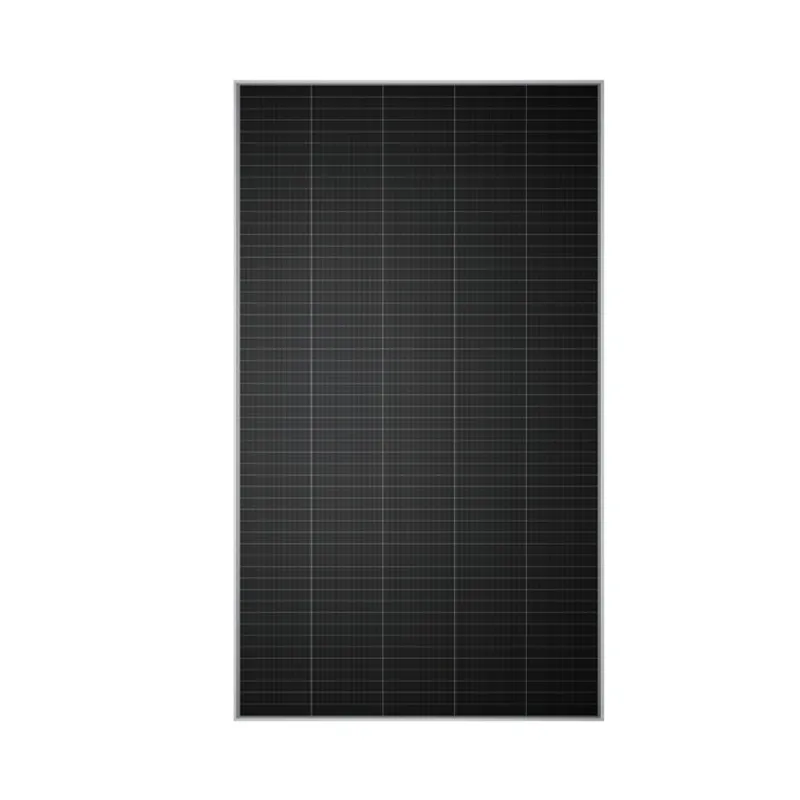
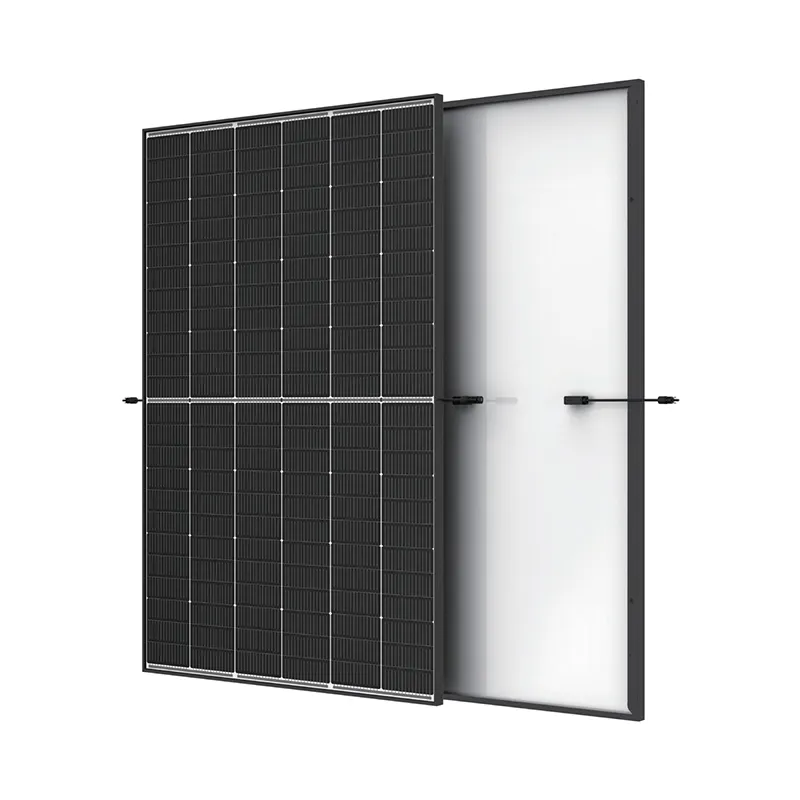
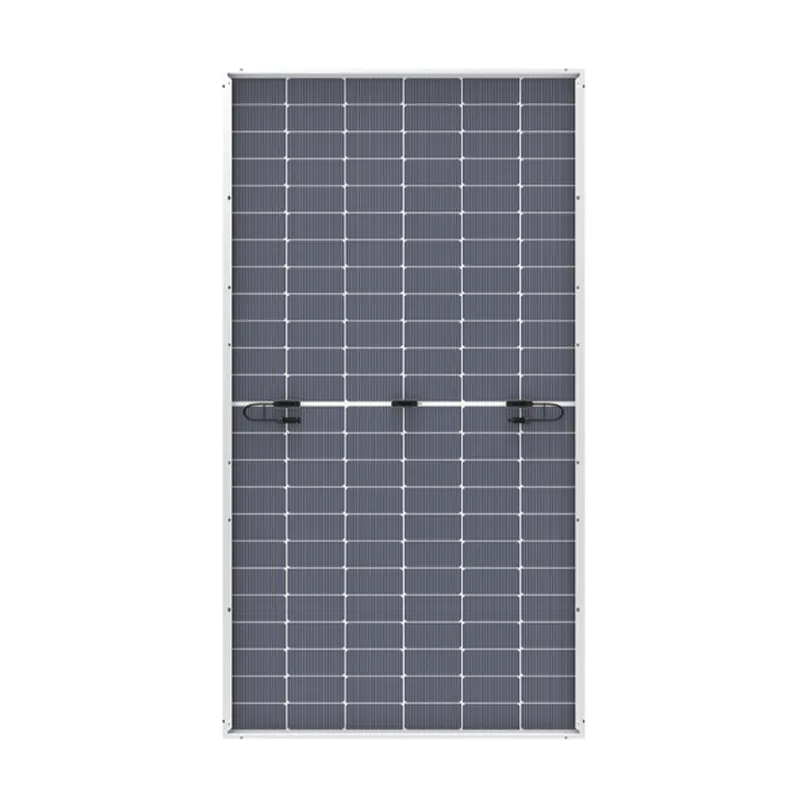
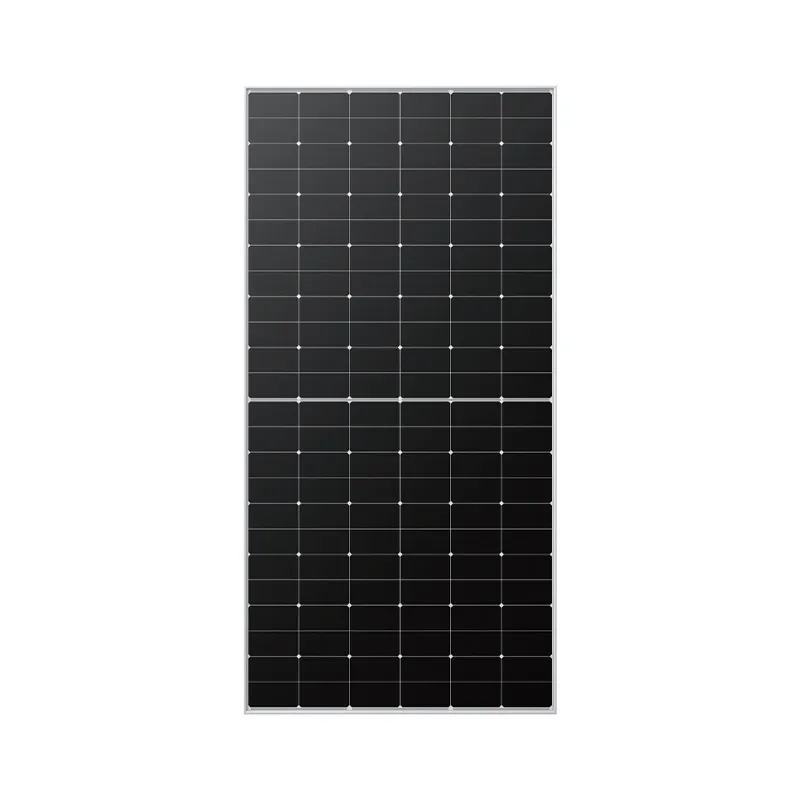
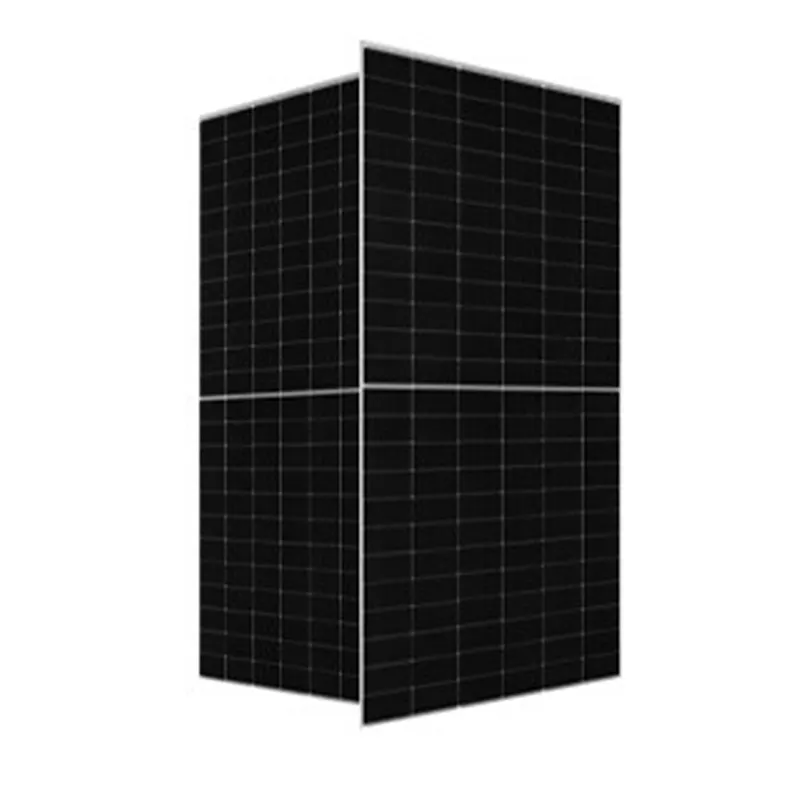
Our flagship product, the JA 610-635W N-Type Bifacial Double Glass Mono Module, exemplifies the pinnacle of solar technology. Utilizing N-type TOPCon (Tunnel Oxide Passivated Contact) cell technology, these modules deliver superior performance, enhanced reliability, and higher energy yield compared to conventional P-type modules. The bifacial design allows for energy capture from both sides, significantly boosting overall system output.
Key Features and Parameters:
- High Power Output: Ranging from 610W to 635W, optimized for large-scale installations where space utilization and energy density are critical.
- N-Type Cell Technology: Superior low-light performance, lower temperature coefficient, and minimal LID (Light Induced Degradation) and LeTID (Light and elevated Temperature Induced Degradation).
- Bifacial Double Glass: Enhanced durability and fire resistance, with the ability to generate power from the rear side, leading to an additional power gain of 5-25% depending on installation conditions.
- Excellent Anti-PID Performance: Ensures long-term power stability, crucial for sustained project profitability.
- Mechanical Load Capability: Certified for robust mechanical load resistance (e.g., 5400 Pa positive load, 2400 Pa negative load) to withstand heavy snow and strong winds.
Product Specification Table: JA 610-635W N-Type Bifacial Double Glass Mono Module
| Parameter | Typical Value (JA 635W) | Unit |
|---|---|---|
| Maximum Power (Pmax) | 635 | W |
| Module Efficiency (STC) | 22.7% | % |
| Open Circuit Voltage (Voc) | 44.91 | V |
| Short Circuit Current (Isc) | 18.06 | A |
| Power Tolerance | 0 ~ +5 | W |
| Temperature Coefficient of Pmax | -0.29 | %/°C |
| Nominal Operating Cell Temp (NOCT) | 45 ± 2 | °C |
| Module Dimensions (L x W x T) | 2384 x 1303 x 30 | mm |
| Weight | 37.7 | kg |
| Front Glass | 2.0 mm tempered glass | |
| Back Glass | 2.0 mm tempered glass | |
| Frame | Anodized Aluminum Alloy | |
| J-Box | IP68 rated |
*All parameters are subject to standard test conditions (STC): 1000 W/m², AM 1.5, 25°C.
Versatile Application Scenarios
The adaptability and high performance of monocrystalline solar panels make them suitable for a broad spectrum of applications across various industries. As a dedicated monocrystalline solar panel manufacturer, we understand the diverse needs of our clients and provide solutions tailored for optimal performance in each environment.
- Utility-Scale Solar Farms: Maximizing energy density per acre, bifacial monocrystalline panels significantly enhance the energy yield of large ground-mounted projects, contributing to faster ROI and higher grid integration.
- Commercial and Industrial Rooftops: For businesses with substantial energy consumption, installing high-efficiency monocrystalline solar panels for sale on available roof space reduces electricity costs, improves energy independence, and demonstrates corporate social responsibility.
- Agriculture (Agrivoltaics): Monocrystalline panels, particularly bifacial designs, can be integrated into agricultural settings, providing shade for crops or livestock while generating clean energy, optimizing land use.
- Carports and Building Integrated Photovoltaics (BIPV): The sleek aesthetics and high power output of monocrystalline panels make them ideal for architectural integration, serving dual functions as building materials and energy generators. The various monocrystalline solar panel size options allow for versatile design.
- Remote Off-Grid Systems: In locations without grid access, these panels provide reliable power for telecommunications, remote monitoring stations, and critical infrastructure due to their robust performance in varying conditions.
Our modules are designed to thrive in challenging conditions, ensuring long-term performance and minimal maintenance across all these scenarios.
Technical Advantages of Monocrystalline Technology
Monocrystalline solar technology offers several distinct advantages that make it the preferred choice for high-performance solar installations:
- Higher Efficiency: Monocrystalline cells achieve efficiencies typically ranging from 19% to over 22%, significantly higher than polycrystalline panels (15-17%). This means more power generation from a smaller footprint, crucial where space is limited.
- Superior Performance in Low Light: The uniform crystal structure of monocrystalline silicon allows for better performance in diffuse light conditions, such as cloudy days or early morning/late afternoon, extending the daily energy harvest.
- Lower Temperature Coefficient: Monocrystalline panels experience less power degradation at higher temperatures compared to other technologies. For instance, an N-type module might have a Pmax temperature coefficient of -0.29%/°C, meaning less power loss as panel temperatures rise.
- Enhanced Aesthetics: The dark, uniform appearance of monocrystalline panels is often preferred for visible installations, contributing to the architectural appeal of a project.
- Longer Lifespan & Durability: With advanced double-glass designs and N-type cell technology, these panels exhibit lower degradation rates (e.g., <1% in the first year, then <0.4% annually), ensuring higher power output over a 30-year warranty period. They also demonstrate excellent resistance to environmental stresses.
Vendor Comparison and Market Position
When selecting a monocrystalline solar panel supplier, it is crucial to evaluate various factors beyond mere product specifications. Our position as a top-tier manufacturer is underpinned by our commitment to technological innovation, stringent quality control, and robust customer support.
Comparison: Monocrystalline (N-Type Bifacial) vs. Polycrystalline (P-Type)
| Feature | Monocrystalline (N-Type Bifacial) | Polycrystalline (P-Type) |
|---|---|---|
| Cell Structure | Single, uniform crystal structure (Czochralski method) | Multiple silicon crystal fragments |
| Module Efficiency | 21-23%+ (Higher) | 15-18% (Lower) |
| Low-Light Performance | Excellent | Good |
| Temperature Coefficient (Pmax) | Lower (-0.29 to -0.32 %/°C) | Higher (-0.38 to -0.42 %/°C) |
| Degradation Rate (Annual) | ~0.4% (Lower) | ~0.5-0.7% (Higher) |
| Bifacial Capability | Common and highly effective (+5-25% yield) | Rarely seen/Less effective |
| Aesthetics | Uniform dark appearance (Premium) | Bluish, non-uniform (Standard) |
| Cost per Watt | Higher initial, lower LCOE | Lower initial, higher LCOE |
Our commitment to N-type bifacial technology positions us at the forefront, offering superior long-term value and performance. We focus on providing high-quality monocrystalline solar panels for sale that meet the rigorous demands of industrial and utility clients.
Customized Solutions and Application Case Studies
Understanding that each project has unique requirements, a dedicated monocrystalline solar panel manufacturer offers tailored solutions. This includes optimizing panel selection based on site conditions, energy demands, and available space, as well as providing technical support for system design and integration. Customization can involve specific power outputs, module dimensions (considering monocrystalline solar panel size requirements), or advanced materials for extreme environments.
Application Case Studies:
Case Study 1: Large-Scale Utility PV Project
A 100 MW utility-scale solar farm in a high-irradiance region deployed over 150,000 units of our JA N-Type Bifacial Double Glass Mono Modules. The bifacial gain, averaging 12% across the year due to optimized ground reflection (albedo), resulted in an additional 12 GWh of clean energy generation annually, exceeding initial projections. The project leveraged the modules' robust mechanical load resistance to withstand regional wind and snow events, ensuring uninterrupted operation. This exemplifies the power and reliability of these monocrystalline solutions.
Case Study 2: Industrial Rooftop Installation
A major automotive manufacturing plant sought to reduce its carbon footprint and operational electricity costs. Our engineering team designed a 5 MW rooftop system using high-efficiency monocrystalline panels, carefully considering roof load limitations and shading factors. The compact design of the panels allowed for maximum power density within the available space. The project led to a 25% reduction in the plant's grid electricity consumption and significantly lowered its energy expenditures, achieving payback within five years due to the panels' high yield and low degradation.
Ensuring Trustworthiness: FAQs, Lead Times, Warranty, and Support
Frequently Asked Questions (FAQs):
Q: What makes N-Type monocrystalline panels superior to P-Type?
A: N-Type cells are doped with phosphorus, which makes them less susceptible to LID and LeTID, resulting in lower initial degradation and a slower annual power loss. They also exhibit better performance in high-temperature and low-light conditions, leading to higher overall energy yield over the module's lifetime.
Q: What are the benefits of a double-glass module design?
A: Double-glass modules offer superior mechanical strength, making them more resistant to micro-cracks, hail, and snow loads. They also provide enhanced fire safety, better PID resistance, and improved durability against harsh environmental factors like salt mist and ammonia, contributing to a longer service life and extended warranty.
Q: How does bifacial technology increase energy yield?
A: Bifacial modules capture sunlight from both the front and rear sides. Light reflected off the ground (albedo) or surrounding surfaces is absorbed by the rear side of the module. This additional energy capture can boost the overall system's power output by 5% to 25%, depending on the installation conditions and ground albedo, thereby improving the system's economic performance.
Lead Time & Fulfillment:
As a global monocrystalline solar panel manufacturer and supplier, we maintain robust supply chains and manufacturing capacities. Standard lead times for large-scale orders typically range from 4 to 8 weeks, subject to current inventory levels and project-specific requirements. We work closely with clients to establish realistic timelines and ensure on-time delivery through efficient logistics and transparent communication.
Warranty Commitments:
Our monocrystalline modules come with industry-leading warranties:
- 12-Year Product Warranty: Covering defects in materials and workmanship.
- 30-Year Linear Power Output Warranty: Guaranteeing 98% of nominal power output in the first year, followed by an annual degradation rate of no more than 0.4%, ensuring at least 87.4% of nominal power output by the end of the 30th year. This superior warranty reflects the confidence in our N-Type and double-glass technologies.
Customer Support & After-Sales Service:
We provide comprehensive technical support from project conception through to operation and maintenance. Our dedicated team of engineers and support staff are available to assist with system design, installation guidance, troubleshooting, and warranty claims. We also offer training programs for installation partners to ensure optimal performance and adherence to best practices, reinforcing our commitment as a reliable monocrystalline solar panel manufacturer.
Conclusion
The selection of the right solar technology is a critical decision for any B2B enterprise aiming for sustainable energy solutions. Monocrystalline solar panels, particularly the advanced N-Type bifacial double-glass modules, represent the pinnacle of current PV innovation. Their superior efficiency, durability, and enhanced energy yield provide a compelling value proposition for a wide array of industrial and utility applications.
As a professional monocrystalline solar panel manufacturer, we are committed to driving the transition to cleaner energy by providing highly reliable, high-performance products backed by rigorous quality control, comprehensive warranties, and unparalleled customer support. Investing in our monocrystalline solutions means choosing a path of long-term energy independence, operational efficiency, and environmental stewardship.
References
- International Energy Agency (IEA). (2023). Renewables 2023. Retrieved from www.iea.org/reports/renewables-2023
- Fraunhofer Institute for Solar Energy Systems ISE. (2023). Photovoltaics Report. Retrieved from www.ise.fraunhofer.de/en/publications/studies-and-technical-papers/photovoltaics-report.html
- National Renewable Energy Laboratory (NREL). (2022). Solar PV Technology Basics. Retrieved from www.nrel.gov/solar/photovoltaic-basics.html
- IEC 61215: Terrestrial photovoltaic (PV) modules – Design qualification and type approval. (2021). International Electrotechnical Commission.
- Jinko Solar. (2023). N-Type TOPCon Technology White Paper. Retrieved from www.jinkosolar.com/en/site/col/download
-
Designing a Modern Home Roof Made Out of Solar Panels GuideNewsApr.16,2026
-
Guide to the Size of 150 Watt Solar Panel for Your ProjectNewsApr.09,2026
-
Understanding the Dimensions and Applications of a 200W Solar PanelNewsApr.07,2026
-
Understanding the Dimensions and Factors of a 330W Solar Panel SizeNewsApr.04,2026
-
Understanding the Size and Dimensions of a 4kW Solar Panel System for Your HomeNewsMar.31,2026
-
Comprehensive Guide to Sizing Your Solar System for Optimal Energy ProductionNewsMar.28,2026