Solar Panel Cut Energy Costs
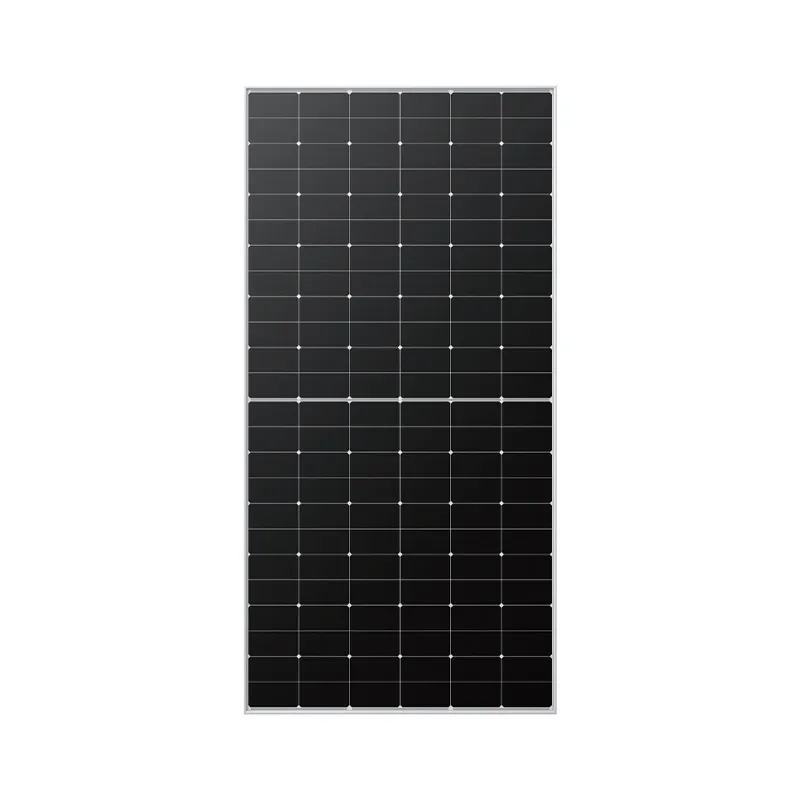
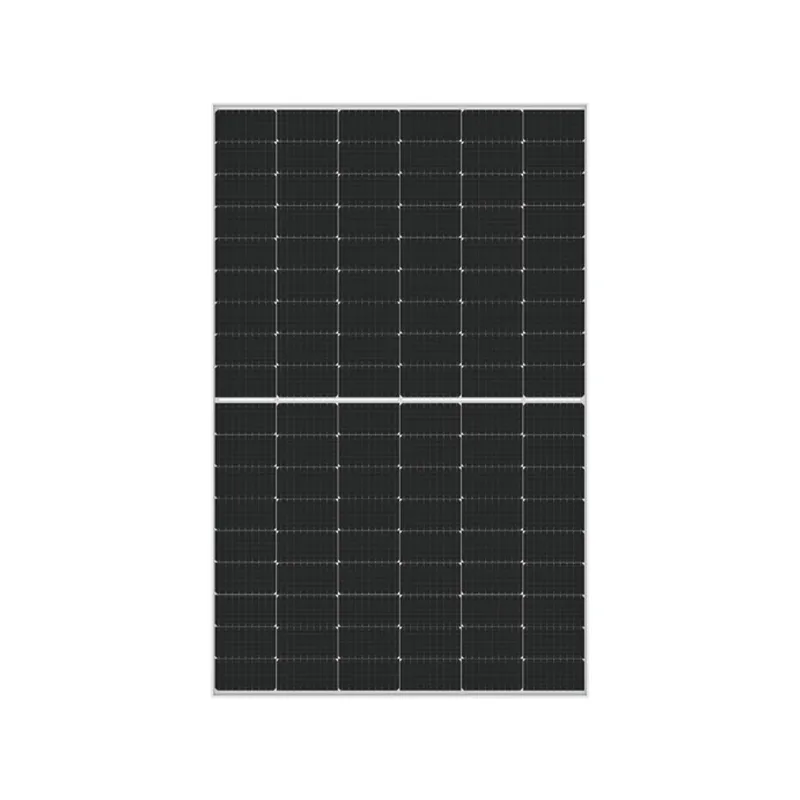
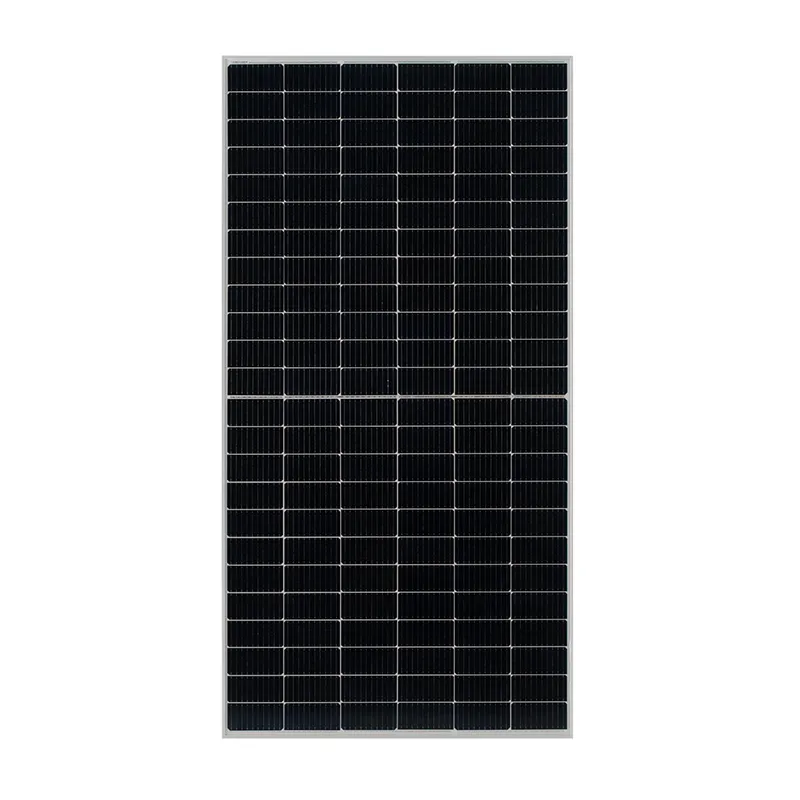
Solar panels are engineered to convert sunlight directly into electricity through photovoltaic (PV) cells, creating a clean, renewable energy source for homes, businesses, and industries. By harnessing the sun’s energy, they reduce dependence on fossil fuels and slash carbon emissions. As climate urgency grows, these systems have become critical to global sustainability efforts—not just as an ecological imperative but as a financially savvy investment. With solar panel rates for grid electricity rising worldwide and solar panel price points falling, the economic argument for adoption has never been stronger.
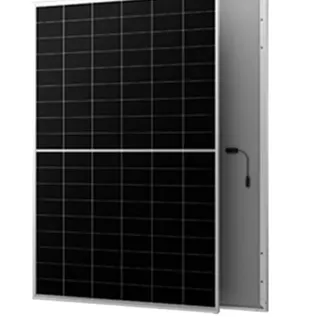
The Dramatic Decline in Solar Panel Price
The past decade has revolutionized solar economics. In 2010, building large-scale solar farms cost 80% more than today, making coal plants seem cheaper . By 2025, however, utility-scale solar projects undercut 1,200 gigawatts of existing global coal capacity . This shift stems from manufacturing scaling, technological refinements, and policy drivers like the U.S. SunShot Initiative.
Residential systems mirrored this trend. While a 5 kW system averaged $17,650 before incentives in 2025, Montana homeowners paid just $12,355 after the 30% federal tax credit . Similarly, Australia saw 10 kW systems priced at $4,000–$6,000 post-subsidies . The solar panel price per watt plunged to $2.53–$3.15 nationally, with Ontario dipping as low as $2.42 . Behind these numbers lie efficiency gains: monocrystalline PV modules now deliver up to 22% efficiency, maximizing power per square foot and shrinking space needs .
Residential systems mirrored this trend. While systems previously required substantial investment, current prices are far more accessible after incentives. The solar panel price per watt has decreased substantially across markets. Behind these changes lie efficiency gains: modern PV modules now deliver higher efficiency rates, maximizing power per square foot and reducing space requirements.
Material innovations further cut costs. Polycrystalline panels offered budget-friendly efficiency, while advanced designs boosted performance without proportional cost hikes. Simultaneously, supporting hardware like inverters and batteries became more affordable. These converging trends made Solar panels accessible to middle-income households, transforming them from luxury items to mainstream assets.
How Solar Panel Rates Drive Long-Term Savings
Solar panel rates refer to two pivotal concepts: the cost per kilowatt-hour (kWh) of solar-generated power and the compensation utilities offer for excess energy fed back to the grid. Both directly dictate financial returns.
Homeowners in regions with higher grid electricity rates achieve significant savings with solar installations. Net metering amplified these gains—crediting surplus generation at competitive rates. Households using solar with storage achieve high levels of grid independence, banking surplus energy for later use.
The longevity of solar panels further elevates savings. With extended lifespans and minimal failure rates, systems often outlive payback periods. Critically, solar panel rates for self-consumed electricity cost substantially less than grid averages. This economic gap continues to widen as utilities hike tariffs, making solar a hedge against inflation.
Smart Sizing Maximizes Solar Panel Price Advantage
Optimizing savings requires right-sizing systems to energy profiles. The table below shows how output and savings scale with capacity:
|
System Size |
Annual Savings |
Payback Period |
|
Small |
Moderate savings |
Shorter timeframe |
|
Medium |
Significant savings |
Moderate timeframe |
|
Large |
Highest savings |
Competitive timeframe |
For typical households, medium to large arrays are often ideal. Roof space, local sunlight conditions, and specific electric loads also influence sizing. Regions with elevated grid rates achieve the fastest paybacks.
Financing methods further affect returns:
- Cash purchasesdeliver maximum long-term yields
- Solar loansspread upfront costs but extend breakeven timelines
- Leases/PPAsoffer low-entry options but limit overall savings
Government policies remain crucial. Tax credits and rebates substantially reduce system costs. Such subsidies—coupled with solar panel price erosion—position solar as a high-return asset.
Falling Solar Panel Price Fuels 24/7 Energy Freedom
While Solar panels cut daytime bills, adding storage unlocks continuous energy independence. Batteries store surplus daytime generation for nighttime use, dramatically boosting self-consumption rates.
Modern storage solutions dominate the market. When paired with solar, they provide backup during outages and optimize energy usage patterns. Heating integration amplifies value by covering significant portions of thermal needs.
Forward-looking adopters also integrate EV charging capabilities. Coupling electric vehicles with solar drastically reduces transportation energy costs. Modular designs allow systems to expand as needs evolve. With the solar panel price projected to continue declining, such future-proofing ensures adopters maintain competitiveness.
FAQs About Solar Panels
How do solar panel rates compare to utility rates?
Solar self-consumption costs remain substantially below global grid averages. Even after installation costs, solar undercuts utility prices in most regions.
What determines solar panel price?
Key factors include panel technology type, system scale, regional installation fees, and additional components like inverters or batteries. Higher-efficiency panels command premium prices but deliver greater output..
How long until Solar panels pay for themselves?
Payback periods vary based on local sunlight conditions, electricity costs, and available incentives. Most systems achieve breakeven within a competitive timeframe.
Can Solar panels power my entire home?
Yes. Appropriately sized systems can fully offset consumption for average homes. With storage, energy independence reaches very high levels.
Will solar panel rates for net metering change?
Net metering policies continue to evolve, but numerous regions maintain supportive frameworks with guaranteed terms.
Hebei BenJiu New Energy Technology anchors this transition. Their ISO-certified Solar panels merge Tier-1 efficiency with 25-year performance guarantees. Partnering with such innovators transforms sunlight from an abstract resource into a financial engine—cutting bills, boosting resilience, and fueling a cleaner world. The energy revolution isn’t coming; it’s on your rooftop Join it.
-
Designing a Modern Home Roof Made Out of Solar Panels GuideNewsApr.16,2026
-
Guide to the Size of 150 Watt Solar Panel for Your ProjectNewsApr.09,2026
-
Understanding the Dimensions and Applications of a 200W Solar PanelNewsApr.07,2026
-
Understanding the Dimensions and Factors of a 330W Solar Panel SizeNewsApr.04,2026
-
Understanding the Size and Dimensions of a 4kW Solar Panel System for Your HomeNewsMar.31,2026
-
Comprehensive Guide to Sizing Your Solar System for Optimal Energy ProductionNewsMar.28,2026