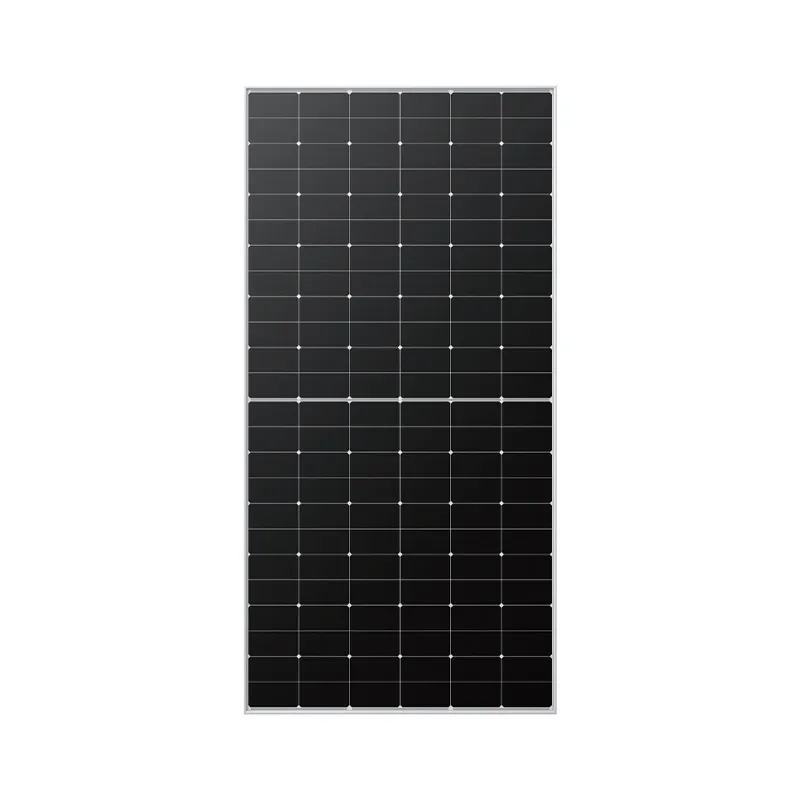
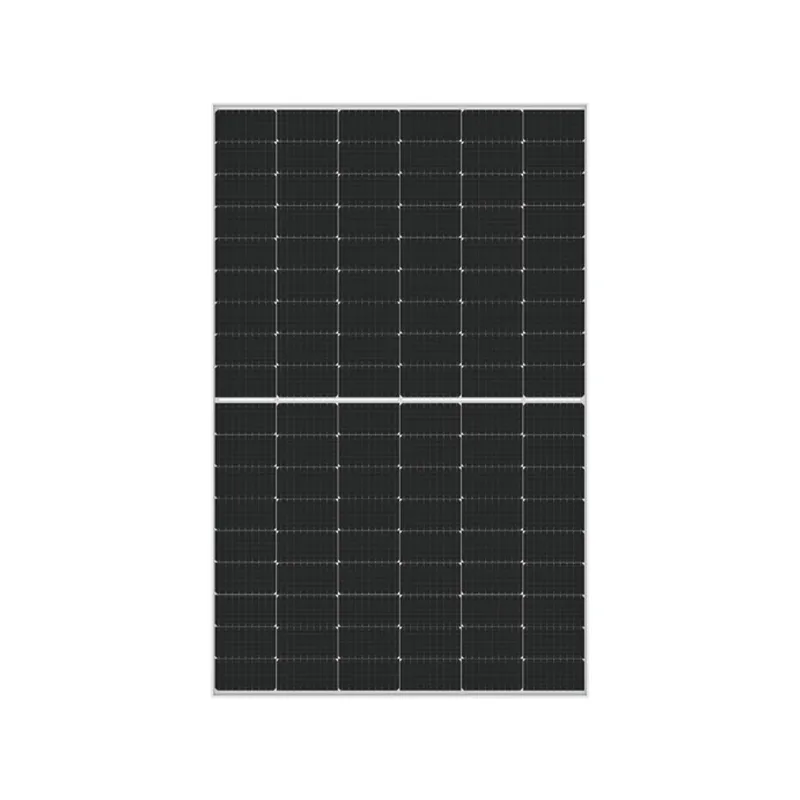
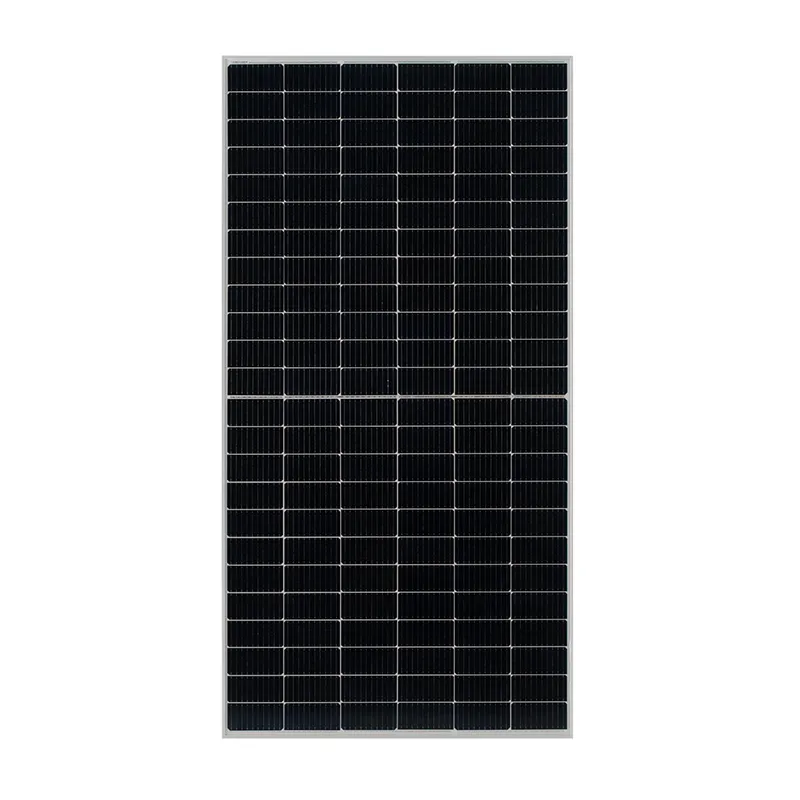
JinKO 410-430W N-Type Mono Solar Panel for Home Energy
Advancing Residential Solar: The Power of N-Type Technology
The global solar photovoltaic (PV) market is undergoing a transformative shift, driven by increasing demand for high-efficiency, reliable, and durable energy solutions for residential applications. A significant trend propelling this evolution is the widespread adoption of N-type monocrystalline solar modules, which offer superior performance characteristics compared to their P-type predecessors. This technological leap addresses critical industry challenges such as power degradation, low-light performance, and long-term reliability, making solar energy more accessible and economically viable for homeowners. As the industry matures, stakeholders are increasingly prioritizing not just initial cost, but the total cost of ownership (TCO) and the long-term energy yield of their solar investments. This paradigm shift underscores the importance of advanced module technologies that can consistently deliver high performance over decades. The demand for compact yet powerful modules that seamlessly integrate into diverse residential architectures while maximizing energy capture is paramount, pushing manufacturers to innovate and refine their product offerings to meet these evolving needs. Our focus today is on understanding the comprehensive value proposition of leading-edge solar solutions tailored for the modern home.
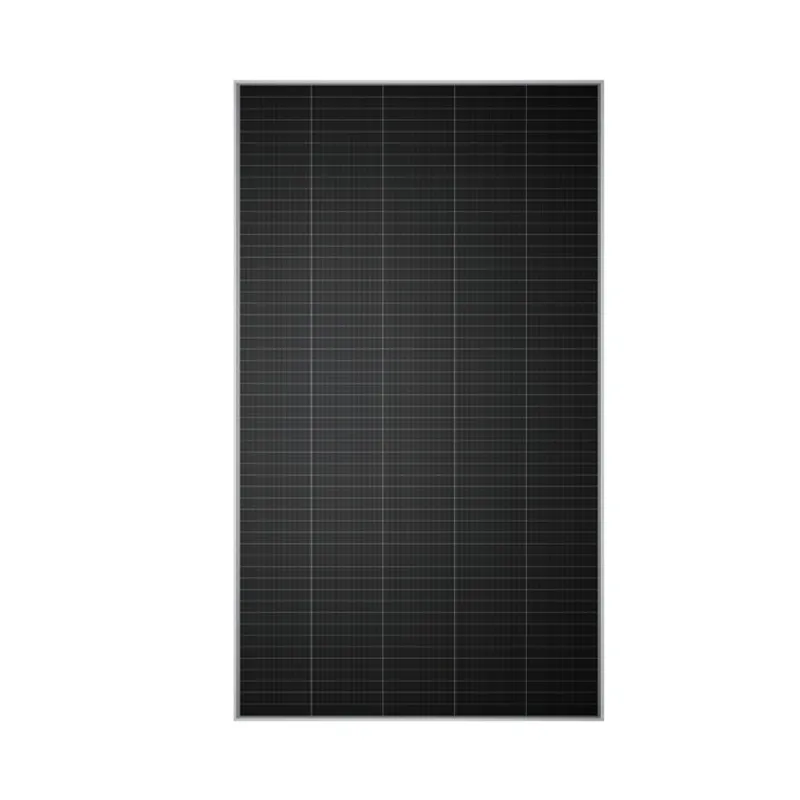
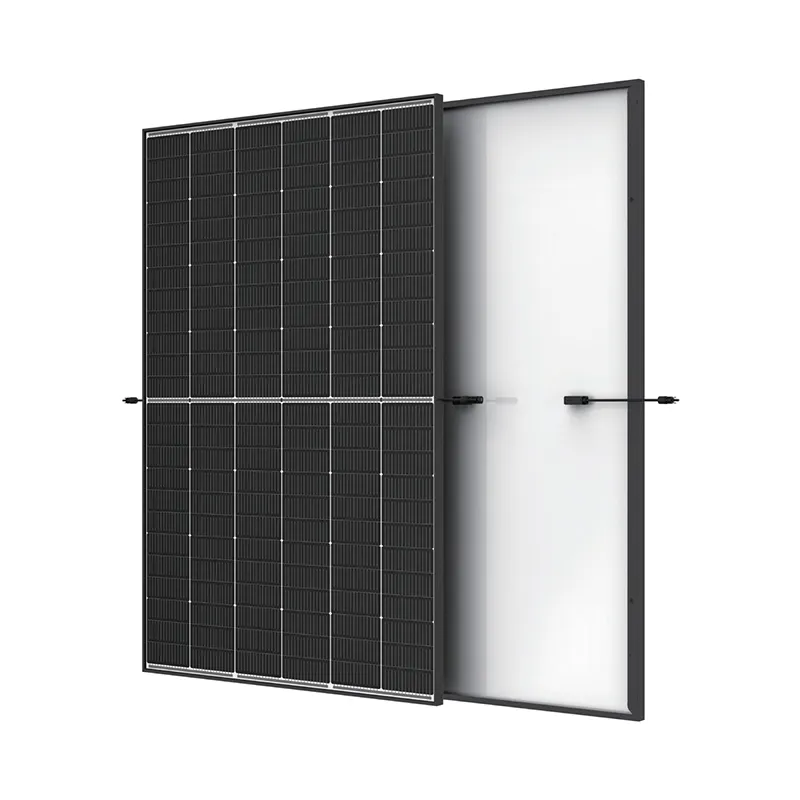
At the forefront of this innovation is the JinKO 410-430W N-Type Mono-facial Module Solar Panel for Home, a product engineered to redefine residential energy independence. This module leverages cutting-edge N-type TOPCon (Tunnel Oxide Passivated Contact) cell technology, which is celebrated for its inherently lower light-induced degradation (LID) and potential-induced degradation (PID) compared to conventional cell architectures. For homeowners, this translates directly into a higher effective power output and a more stable energy generation profile over the module's extensive operational lifespan. The mono-facial design ensures optimized light absorption from the front side, making it ideal for standard rooftop installations where direct sunlight exposure is the primary source. With a power output range of 410W to 430W, these modules offer exceptional power density, enabling more energy production within a smaller footprint—a crucial advantage for residential properties with limited roof space. This capacity allows for the design of highly efficient solar arrays that can meet substantial household energy demands, reducing reliance on grid electricity and significantly lowering utility bills. The robust construction and adherence to stringent quality control measures ensure these panels withstand various environmental challenges, providing reliable performance for decades.
Technical Specifications and Performance Metrics
Understanding the technical specifications of a solar module is crucial for B2B decision-makers, as these parameters directly influence system design, energy yield predictions, and overall project viability. The JinKO 410-430W N-Type Mono-facial Module Solar Panel for Home stands out due to its optimized electrical and mechanical characteristics. Its N-type TOPCon cells are designed with a very thin silicon dioxide layer between the silicon wafer and the doped polysilicon layer, which effectively passivates the surface and reduces recombination losses. This results in higher open-circuit voltage (Voc) and fill factor, translating to superior power conversion efficiency. The module's impressive efficiency range, typically exceeding 21%, ensures maximum power harvest even in less-than-ideal conditions, such as during morning or late afternoon hours, or on cloudy days, thanks to enhanced low-light performance. This makes it particularly suitable for residential environments where fluctuating light conditions are common.
Furthermore, the thermal performance of a solar module is a critical metric, as efficiency can degrade with rising temperatures. N-type modules, including the JinKO 410-430W N-Type Mono-facial Module Solar Panel for Home, exhibit a lower temperature coefficient (typically around -0.29%/°C), meaning their power output degrades less significantly under hot operating conditions compared to P-type modules. This translates to higher annual energy production, especially in warmer climates. The module also boasts superior mechanical load resistance, tested to withstand significant wind and snow loads (e.g., 2400 Pa for wind, 5400 Pa for snow), ensuring durability against harsh weather conditions. The integrated half-cut cell technology further minimizes current loss, reduces hot spot risks, and improves shade tolerance, which enhances overall system reliability and longevity. The following table provides a detailed overview of key parameters for this advanced solar solution.
JinKO 410-430W N-Type Mono-facial Module Solar Panel Specifications (Typical Range)
| Parameter | Value/Range |
|---|---|
| Module Type | N-Type Mono-facial |
| Power Output (Pmax) | 410W - 430W |
| Module Efficiency | 21.08% - 22.02% |
| Cell Type | N-Type Monocrystalline (TOPCon) |
| Number of Cells | 108 (6x18 half-cut) |
| Open Circuit Voltage (Voc) | 38.74V - 39.42V |
| Short Circuit Current (Isc) | 13.88A - 14.15A |
| Max Power Voltage (Vmp) | 32.06V - 32.74V |
| Max Power Current (Imp) | 12.79A - 13.14A |
| Power Tolerance | 0 ~ +3W |
| Temperature Coefficient (Pmax) | -0.29%/°C |
| Dimensions (L x W x H) | Approx. 1722mm x 1134mm x 30mm |
| Weight | Approx. 22 kg |
| Product Warranty | 15 Years |
| Performance Warranty | 30 Years Linear Power Output (e.g., 1st Year ≤1.0%, Annual Degradation ≤0.4%) |
The Manufacturing Excellence: A Glimpse into JinKO's Process
The superior performance and longevity of the JinKO 410-430W N-Type Mono-facial Module Solar Panel for Home are rooted in a meticulously engineered manufacturing process that adheres to the highest industry standards. The journey begins with the meticulous production of N-type monocrystalline silicon ingots through the Czochralski process, ensuring exceptional purity and crystalline structure. These ingots are then precisely sawn into thin wafers, which undergo rigorous chemical and physical treatments to prepare them for cell fabrication. The core of the N-type TOPCon cell manufacturing involves several intricate steps: first, texturing the silicon surface to minimize reflection and maximize light absorption; second, creating the p-n junction through advanced diffusion processes; and crucially, applying the ultra-thin tunnel oxide layer followed by a doped polysilicon layer on the rear side. This passivation layer is critical for reducing surface recombination and improving carrier collection, leading to higher efficiency and better low-light performance. Front and rear metal contacts are then applied using advanced metallization techniques, typically screen printing, to efficiently collect the generated current. Each cell undergoes stringent electrical sorting and visual inspection to ensure uniformity and defect-free quality before proceeding to module assembly. This attention to detail at the cell level is paramount for the overall module's performance and reliability.
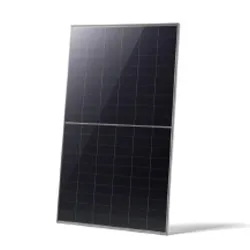
The module assembly phase integrates these high-performance cells into a robust and durable panel. Half-cut cells are interconnected using multi-busbar (MBB) technology, which reduces internal resistance losses and enhances current collection efficiency, contributing to higher power output and improved reliability. These interconnected cells are then carefully encapsulated between layers of highly transparent, low-iron tempered glass on the front and a durable backsheet (or another layer of glass for dual-glass modules) using an EVA (Ethylene Vinyl Acetate) encapsulant. This lamination process is performed under vacuum and heat to create a highly protective and hermetically sealed unit that safeguards the cells from moisture, dust, and environmental stressors, ensuring long-term integrity and performance. The module is then framed with a lightweight, anodized aluminum alloy, providing structural integrity and ease of installation. A junction box, equipped with bypass diodes, is attached to the rear, facilitating safe and efficient electrical connections. Throughout this entire process, JinKO adheres to rigorous international inspection standards, including ISO 9001 for quality management, ISO 14001 for environmental management, and OHSAS 18001 for occupational health and safety. Furthermore, modules undergo comprehensive performance and safety certifications such as IEC 61215 and IEC 61730, along with specific tests for salt mist corrosion, ammonia resistance, and potential induced degradation (PID) resistance, affirming their suitability for diverse and demanding operational environments. The typical service life of these modules, backed by robust warranties, extends beyond 30 years, proving their long-term value proposition for residential applications.
Application Scenarios, Technical Advantages, and Customization
The JinKO 410-430W N-Type Mono-facial Module Solar Panel for Home is primarily designed for residential rooftop solar installations, offering an ideal solution for homeowners seeking to maximize their energy independence and reduce electricity costs. Its high power density allows for efficient use of limited roof space, making it suitable for compact urban dwellings as well as larger suburban homes. Beyond typical residential applications, these modules can also be effectively deployed in small-scale commercial projects, such as office buildings, community centers, or agricultural facilities, where optimizing energy yield within a constrained area is critical. The panels' advanced low-light performance ensures consistent energy generation during cloudy days or in shaded conditions, which is a significant advantage in regions with varying weather patterns or complex urban landscapes. Moreover, their enhanced durability and resistance to degradation make them well-suited for deployment in diverse climatic zones, from coastal areas prone to salt mist to regions experiencing extreme temperatures or heavy snowfall. The consistent and high energy yield provided by these modules contributes significantly to the economic viability of solar projects, accelerating the return on investment for end-users.
The technical advantages of N-type TOPCon technology are manifold and directly translate into tangible benefits for solar installers and their residential clientele. Key among these is the ultra-low degradation rate, which ensures that the module maintains a higher percentage of its initial power output over its 30-year performance warranty period. This translates to more energy generated and greater financial savings for the homeowner over the lifetime of the system. The absence of LID and minimal PID effects, inherent to N-type cells, means consistent performance from day one. Furthermore, the excellent temperature coefficient ensures that even on hot summer days, when traditional P-type modules might suffer significant power losses, the JinKO 410-430W N-Type Mono-facial Module Solar Panel for Home continues to perform robustly. For B2B clients, this reliable performance minimizes post-installation support needs and enhances customer satisfaction. In terms of customization and project solutions, Benjiu Solar provides comprehensive support for integrating these modules into diverse residential system designs. This includes assisting with system sizing, inverter compatibility, mounting solutions, and battery storage integration. We work closely with installers and developers to offer tailored configurations that meet specific energy requirements, aesthetic preferences, and regulatory compliance, ensuring an optimized and seamless deployment for every unique home solar project.
Trust, Warranty, and Customer Support
Building trust in the B2B solar market hinges on transparency, robust warranties, and reliable customer support. The JinKO 410-430W N-Type Mono-facial Module Solar Panel for Home is backed by industry-leading warranties that underscore its quality and long-term reliability. A 15-year product warranty provides comprehensive coverage against material and workmanship defects, offering peace of mind for both installers and end-users. More impressively, the module comes with a 30-year linear power output performance warranty, guaranteeing that the module will produce at least 87.4% of its nominal power by the end of its third decade of operation. This superior performance warranty, characterized by an initial degradation of less than 1.0% in the first year and an ultra-low annual degradation rate of 0.4% thereafter, significantly outperforms conventional modules and reinforces the long-term energy yield expectations. This commitment to sustained performance is a key differentiator, ensuring that the solar investment continues to deliver substantial returns over an extended period. Our commitment to client success extends beyond product quality, encompassing responsive customer service and technical expertise to address any queries or support needs throughout the project lifecycle.
Our dedication to trustworthiness is further reinforced by clear communication regarding delivery cycles and comprehensive customer support. We maintain efficient supply chain logistics to ensure timely and reliable delivery of the JinKO 410-430W N-Type Mono-facial Module Solar Panel for Home modules to project sites, minimizing delays and optimizing installation schedules. Typical delivery periods are communicated upfront and adhere to agreed-upon timelines, reflecting our commitment to operational excellence. Our technical support team comprises experienced solar engineers who can provide detailed product information, installation guidance, troubleshooting assistance, and post-sales support. This comprehensive support structure ensures that our B2B partners have the resources and expertise needed to successfully deploy and maintain residential solar systems. We believe that a strong partnership built on reliability and mutual trust is fundamental to achieving sustainable growth in the renewable energy sector. We invite potential partners to explore our extensive track record of successful residential and commercial solar projects and leverage our expertise for their upcoming ventures, confident in the robust backing and unwavering support for every product we supply.
Frequently Asked Questions (FAQ)
- Q: What makes N-type TOPCon technology superior for residential use?
A: N-type TOPCon modules offer higher efficiency, lower degradation rates (no LID/minimal PID), better low-light performance, and a lower temperature coefficient, resulting in higher energy yield and greater long-term savings for homeowners. - Q: How does the 30-year performance warranty benefit me as an installer?
A: A long performance warranty minimizes customer complaints related to power degradation, enhances customer satisfaction, and builds trust, ultimately reducing your long-term support obligations and improving your brand reputation. - Q: Can the JinKO 410-430W N-Type module be integrated with existing residential energy storage systems?
A: Yes, these modules are fully compatible with most standard residential inverters and battery storage systems. Our technical team can assist with compatibility checks and system design recommendations. - Q: What inspection standards do these modules comply with?
A: They comply with international standards such as IEC 61215 and IEC 61730, along with ISO 9001, ISO 14001, and OHSAS 18001 certifications, ensuring global quality and safety benchmarks are met.
References
- International Energy Agency. (2023). Renewables 2023.
- National Renewable Energy Laboratory. (2022). PV Technology Basics.
- Solar Energy Industries Association. (2023). Solar Market Insight Report.
- IEEE Journal of Photovoltaics. (Various Issues). Advances in N-Type Solar Cell Technology.
-
Designing a Modern Home Roof Made Out of Solar Panels GuideNewsApr.16,2026
-
Guide to the Size of 150 Watt Solar Panel for Your ProjectNewsApr.09,2026
-
Understanding the Dimensions and Applications of a 200W Solar PanelNewsApr.07,2026
-
Understanding the Dimensions and Factors of a 330W Solar Panel SizeNewsApr.04,2026
-
Understanding the Size and Dimensions of a 4kW Solar Panel System for Your HomeNewsMar.31,2026
-
Comprehensive Guide to Sizing Your Solar System for Optimal Energy ProductionNewsMar.28,2026