Panel Solar Bifacial Boosts Energy Yields
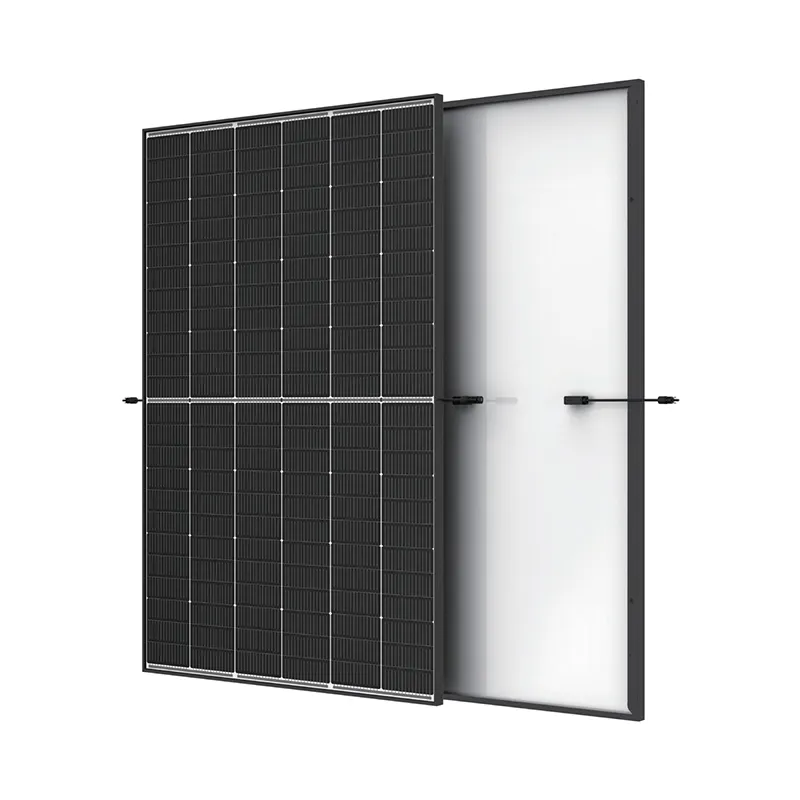
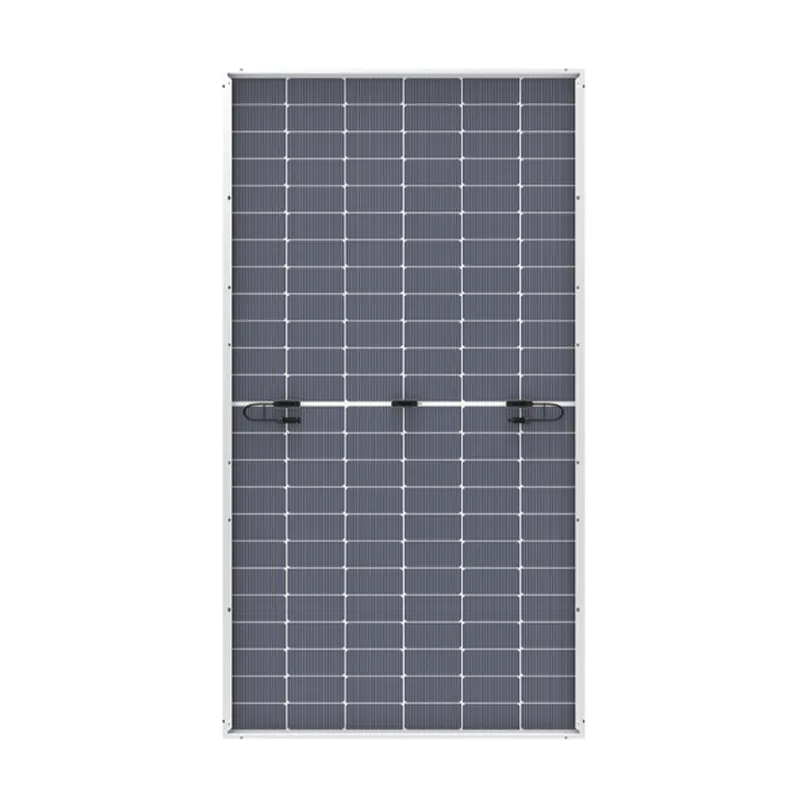
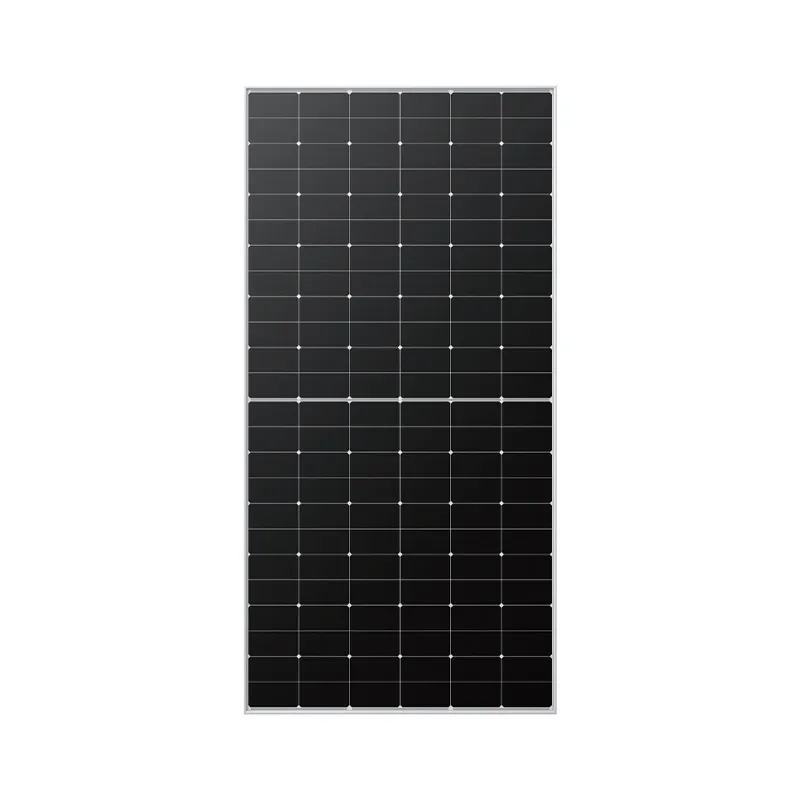
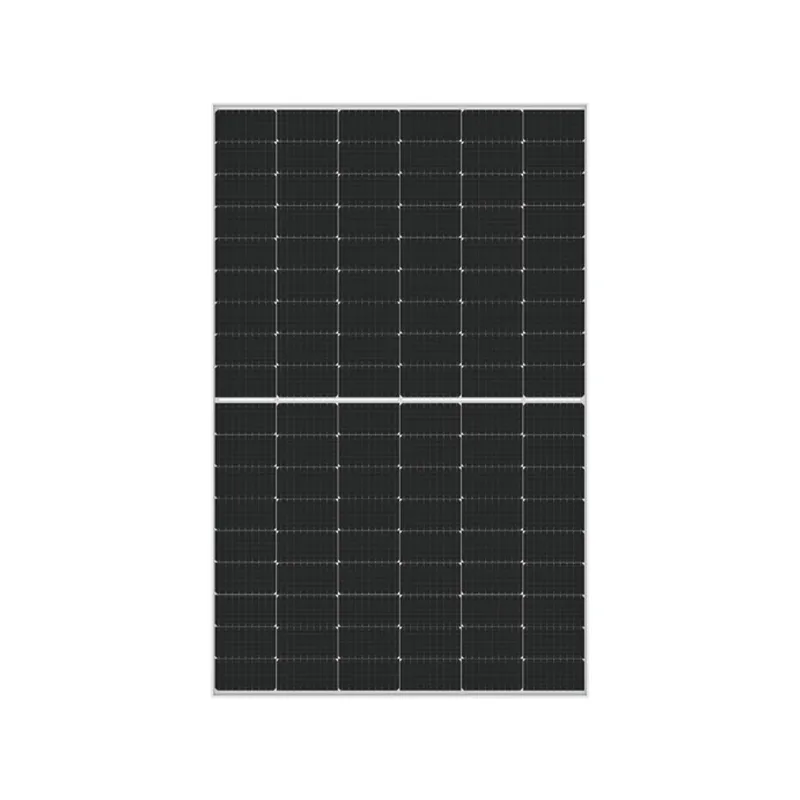
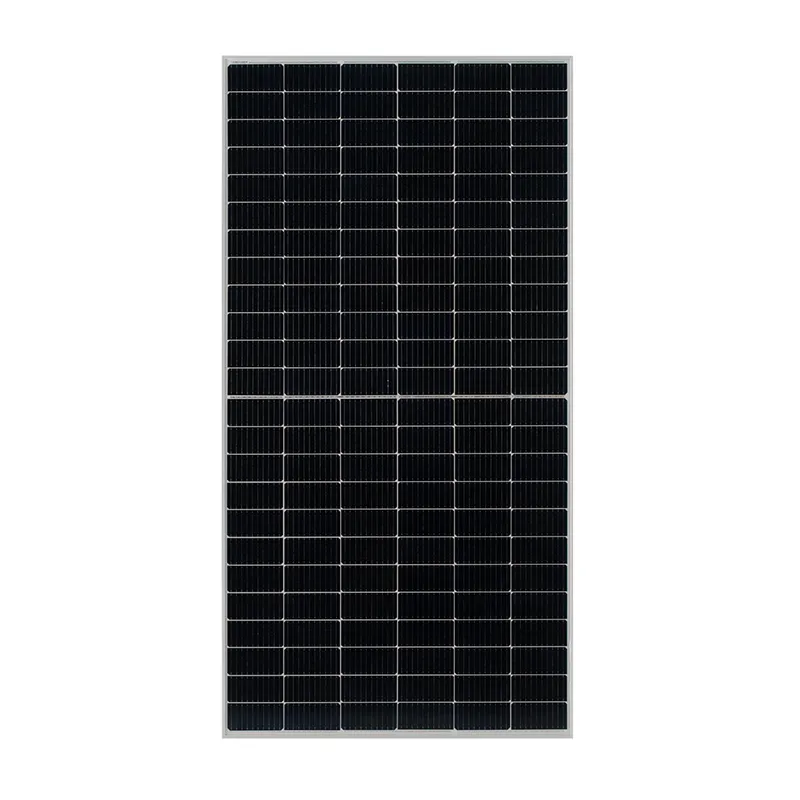
Bifacial solar panels represent a transformative advancement in photovoltaic technology, capturing sunlight from both front and rear surfaces to significantly increase energy production. Unlike traditional monofacial panels, these innovative panel solar bifacial units harness direct illumination plus reflected light—a capability quantified as bifacial gain. With studies confirming substantial yield increases depending on installation conditions, bi facial solar panel systems are redefining efficiency benchmarks across all project scales. This performance leap stems from deliberate engineering: advanced silicon substrates resist degradation, glass-glass construction enhances durability, and rear-side transparency exploits reflection effects. Crucially, the narrowing bifacial solar panel price premium accelerates adoption, positioning these panels as essential tools for maximizing power density and accelerating decarbonization.
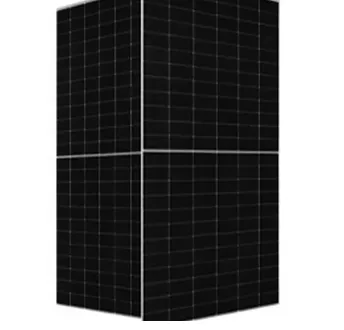
Panel Solar Bifacial: Dual-Sided Energy Science
Installation configuration magnifies these advantages. Vertical mounting—especially effective at high latitudes—captures low-angle morning and evening light while reducing snow accumulation. UK field trials demonstrated vertical panel solar bifacial systems outperforming tilted monofacial arrays during dawn and dusk hours . Similarly, elevated ground mounts enhance rear-side illumination.Bifacial solar panels leverage physics and material science to achieve unprecedented energy yields. The core innovation transforms traditionally passive rear surfaces into active power-generating planes. When photons strike reflective surfaces beneath the modules, a portion reflects upward toward the panel’s backside. This albedo effect contributes significant additional electricity depending on ground conditions.
Cell architecture further elevates efficiency. Advanced cell technologies minimize performance degradation and ensure long-term charge carrier retention. Such advances enable modules to deliver exceptional front efficiency with high bifaciality, pushing equivalent module performance beyond conventional limits.
Installation configuration magnifies these advantages. Vertical mounting captures low-angle light while reducing weather-related obstructions. Field trials confirm vertical panel solar bifacial systems outperform tilted monofacial arrays during critical dawn and dusk hours. Similarly, elevated ground mounts enhance rear-side illumination potential.
Bi Facial Solar Panel Performance Proven
Empirical data confirms bi facial solar panel systems consistently outperform monofacial equivalents across diverse environments. In high-temperature climates, bifacial modules generated substantially more monthly electricity while reducing energy costs. Temperate settings reveal even greater advantages due to enhanced light capture during shorter days.
Seasonal analysis further validates their resilience. Consistent performance gains occur across spring, summer, and autumn periods. These align with technical simulations showing measurable output elevation over monofacial equivalents.
Utility-scale deployments highlight operational synergies. When integrated with solar trackers, rear-side exposure to reflected light increases significantly. Such innovations enable solar farms to achieve superior energy density with optimized land use.
Financial Analysis: Bifacial Solar Panel Price Versus ROI
While bifacial solar panel price premiums exist over monofacial alternatives, their superior energy harvest slashes payback periods and lifetime costs. Commercial projects achieve faster breakeven timelines due to higher annual yields.
Three factors amplify long-term value:
- Reduced Balance-of-System Costs: Higher wattage per panel means fewer components
- Extended Warranties: Robust construction allows longer performance guarantees
- Grid Independence: Battery integration eliminates utility rate volatility
Future bifacial solar panel price reductions will further elevate ROI, positioning this technology as the lowest lifetime cost solution.
Panel Solar Bifacial: Peak Performance Tuning
Maximizing panel solar bifacial energy gains demands site-specific engineering:
- Ground Surface Selection: High-reflectivity surfaces yield substantially more energy
- Mounting Geometry: Elevated racks and optimized tilt angles balance illumination
- Microclimate Adaptation: Vertical mounts prevent obstructions while exploiting seasonal reflections
- Spacing Configurations: Wider row spacing reduces shading losses
Hybrid Applications: Agricultural integrations generate more power while protecting crops
Real-time monitoring enables ongoing calibration for peak seasonal performance.
.FAQs About Panel Solar Bifacial
How does albedo impact bi facial solar panel efficiency?
Surface reflectivity directly determines rear-side energy gains. Installers optimize this by selecting high-reflectivity ground treatments.
Why does bifacial solar panel price exceed monofacial options?
Bifacial panels command modest premiums due to specialized cells and encapsulation. However, their higher lifetime energy output delivers superior cost efficiency per kWh.
Can panel solar bifacial work in residential rooftops?
Yes. Elevated mounts with reflective underlayments enable significant gains. High-wattage bifacial modules maximize power within limited spaces.
Do bi facial solar panel systems require specialized maintenance?
No. Their durable designs resist environmental challenges while maintaining efficiency in diverse conditions.
How do subsidies affect bifacial solar panel price viability?
Financial incentives substantially enhance project economics across multiple global markets.
As pioneers in dual-sided solar technology, we transform panel solar bifacial potential into measurable energy returns. Our vertically integrated manufacturing process ensures every module delivers:
- Uncompromised Durability: Military-grade tempered glass withstands extreme weather while hermetically sealing cells against moisture ingress
- Intelligent Light Harvesting: Laser-patterned rear grids capture diffuse irradiance competitors ignore, boosting dawn/dusk yields
- Climate-Specific Optimization: Arctic-series modules enhance snow albedo utilization, while desert variants incorporate anti-soiling nanotechnology
Integrated microinverters enable panel-level monitoring and optimization
The narrowing bifacial solar panel price differential makes this transition economically inevitable. By choosing Hebei BenJiu, you secure more than panels – you acquire a perpetual energy partner committed to maximizing your renewable investment.
-
Designing a Modern Home Roof Made Out of Solar Panels GuideNewsApr.16,2026
-
Guide to the Size of 150 Watt Solar Panel for Your ProjectNewsApr.09,2026
-
Understanding the Dimensions and Applications of a 200W Solar PanelNewsApr.07,2026
-
Understanding the Dimensions and Factors of a 330W Solar Panel SizeNewsApr.04,2026
-
Understanding the Size and Dimensions of a 4kW Solar Panel System for Your HomeNewsMar.31,2026
-
Comprehensive Guide to Sizing Your Solar System for Optimal Energy ProductionNewsMar.28,2026