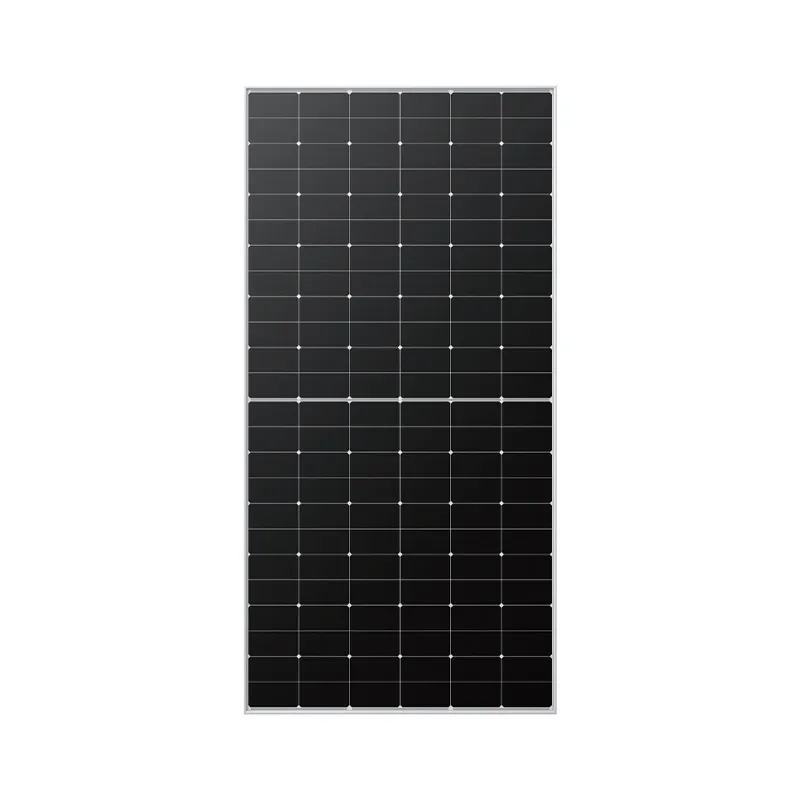
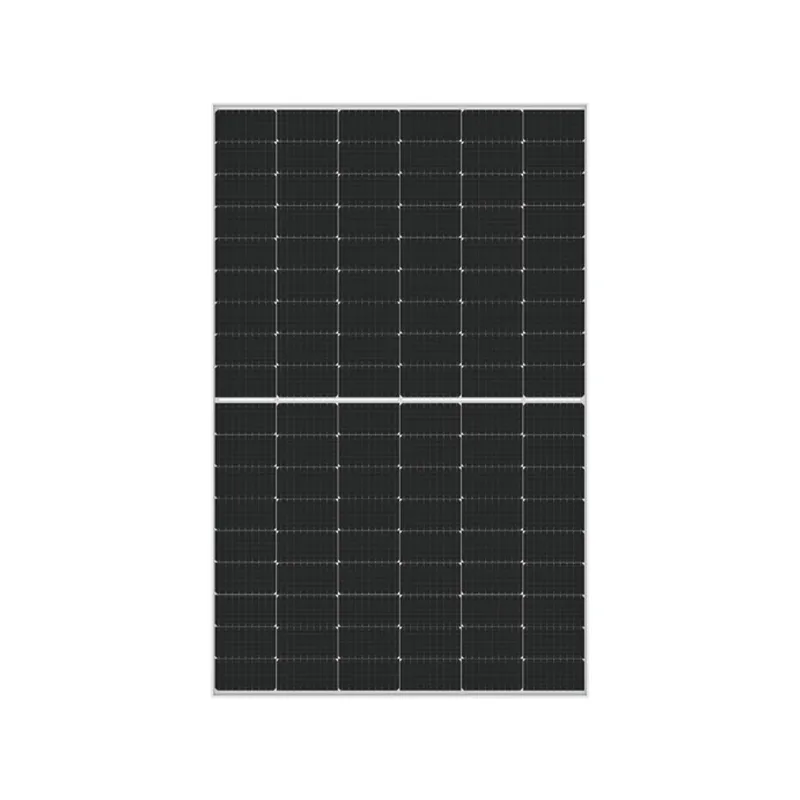
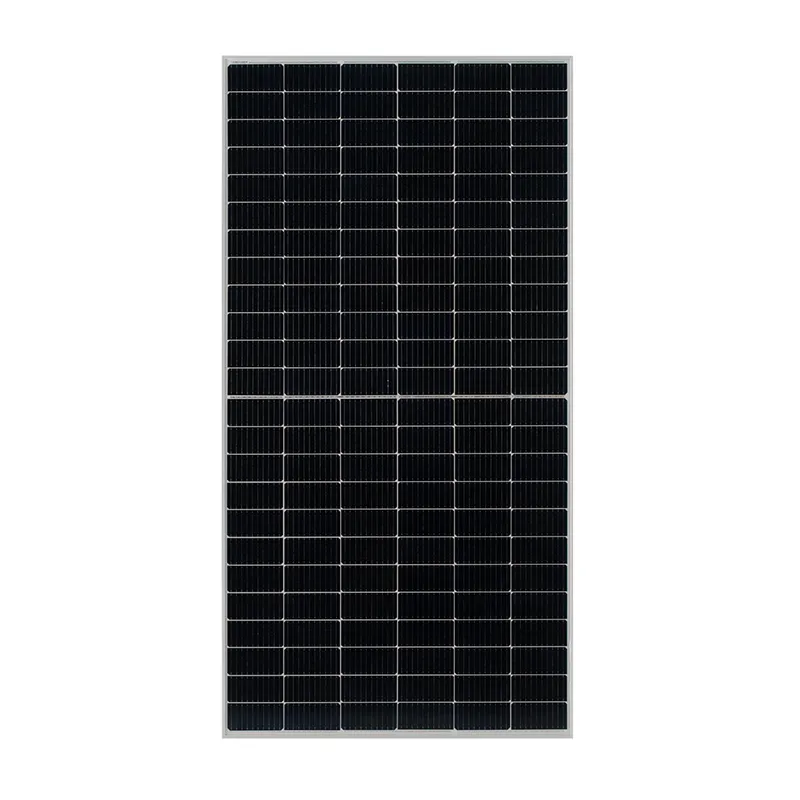
AIKO 445-460W N-Type ABC Dual-Glass Solar Panel for Your System
Industry Trends and the Evolution of Photovoltaic Technology
The global solar photovoltaic (PV) market is experiencing unprecedented growth, driven by increasing demand for sustainable energy, supportive government policies, and significant advancements in solar cell technology. A pivotal shift is underway from traditional P-type PERC (Passivated Emitter Rear Cell) to more advanced N-type technologies, which offer superior efficiency, lower degradation rates, and enhanced performance characteristics, especially in high-temperature environments. Among these innovations, All-Back Contact (ABC) technology combined with N-type wafers stands out for its ability to achieve exceptional power output and aesthetic integration. The introduction of AIKO 445-460W N-Type ABC Dual-glass Solar Panel for Solar System represents a significant leap forward, designed to meet the rigorous demands of industrial, commercial, and utility-scale solar projects. This dual-glass construction further enhances durability and extends the service life, making it a compelling choice for long-term energy investments.
Current industry trends indicate a strong preference for modules that promise not just high power, but also long-term reliability and minimal performance degradation. N-type cells inherently offer advantages such as lower light-induced degradation (LID) and light- and elevated temperature-induced degradation (LeTID) compared to P-type counterparts. The ABC architecture eliminates shading losses on the front surface by moving all metal contacts to the rear, thus maximizing the active light-absorbing area and boosting conversion efficiency. Dual-glass encapsulation provides superior protection against micro-cracks, moisture ingress, and potential-induced degradation (PID), crucial for projects requiring robust performance in challenging environmental conditions.
Technical Specifications and Parameters
The AIKO 445-460W N-Type ABC Dual-glass Solar Panel for Solar System is engineered for peak performance and durability. Its N-type wafer base offers superior electron mobility and a longer minority carrier lifetime, contributing to higher efficiency and reduced degradation. The All-Back Contact (ABC) technology is a key differentiator, eliminating front-side metallization grids and maximizing sunlight capture. The dual-glass design, comprising two layers of high-strength tempered glass, significantly enhances mechanical load resistance and overall longevity, making it an ideal solution for applications requiring high reliability.
Key Electrical and Mechanical Parameters (STC)
| Parameter | Value (460W Model) |
|---|---|
| Maximum Power (Pmax) | 460 W |
| Module Efficiency | Up to 23.6% |
| Maximum Power Voltage (Vmpp) | 33.8 V |
| Maximum Power Current (Impp) | 13.61 A |
| Open Circuit Voltage (Voc) | 39.9 V |
| Short Circuit Current (Isc) | 14.52 A |
| Power Temperature Coefficient (Pmax) | -0.29 %/°C |
| Operating Temperature | -40°C to +85°C |
| Max System Voltage | 1500 V DC (IEC) |
| Cell Type | N-Type Monocrystalline ABC |
| Number of Cells | 108 (6x18) |
| Module Dimensions (approx.) | 1722 x 1134 x 30 mm |
| Weight (approx.) | 23.5 kg |
| Glass Type (Front/Rear) | 2.0 mm Tempered Glass |
| Junction Box | IP68 rated |
| Connector | MC4 compatible |
Note: Parameters are typical values under Standard Test Conditions (STC: Irradiance 1000 W/m², Cell Temperature 25°C, Air Mass 1.5). Actual performance may vary.
Manufacturing Process Flow
The production of the AIKO 445-460W N-Type ABC Dual-glass Solar Panel for Solar System involves a highly sophisticated and quality-controlled manufacturing process, integrating advanced material science with precision engineering. This ensures the delivery of a superior photovoltaic product. While traditional heavy industrial processes like casting or forging are not directly applicable to cell manufacturing, the underlying principles of material refinement, precision shaping, and stringent quality assurance are paramount.
Key Manufacturing Stages:
1. Wafer Production & Doping
High-purity silicon ingots are grown (Czochralski method), then precisely sliced into N-type wafers using advanced multi-wire sawing techniques. These wafers are then subjected to controlled doping processes to create the desired electrical properties, forming the basis for the N-type architecture.
2. ABC Cell Fabrication
This stage involves advanced photolithography and etching, precise dielectric layer deposition, and sophisticated metallization processes. All electrical contacts are strategically placed on the rear side of the cell (All-Back Contact), eliminating front-side shading and maximizing light absorption. This is akin to the precision required in microelectronics manufacturing.
3. Stringing & Layup
Individual ABC cells are interconnected in series using automated tabbing and stringing machines. These strings are then carefully laid up between two layers of 2.0mm tempered glass, separated by advanced encapsulant materials (e.g., EVA or POE), ensuring robust adhesion and protection.
4. Lamination & Curing
The entire layup is then subjected to a vacuum lamination process under precisely controlled temperature and pressure. This step cures the encapsulant, permanently bonding the cells, glass layers, and backsheet (or second glass in dual-glass) into a single, cohesive, weather-resistant module. This process is critical for preventing moisture ingress and delamination.
5. Framing & Junction Box Assembly
For framed modules, a robust aluminum alloy frame is affixed, providing structural integrity. The IP68-rated junction box, housing bypass diodes and connectors, is securely attached to the rear side, ensuring reliable electrical connections and protection against environmental factors.
6. Testing & Quality Control
Every AIKO 445-460W N-Type ABC Dual-glass Solar Panel for Solar System undergoes rigorous testing. This includes Electroluminescence (EL) inspection to detect micro-cracks, IV curve testing for power output verification, hipot testing for insulation integrity, and visual inspection. Compliance with international standards such as ISO 9001 (Quality Management), ISO 14001 (Environmental Management), IEC 61215, and IEC 61730 is strictly maintained throughout the process.
The service life of these panels is designed to exceed 30 years, supported by the inherent stability of N-type cells and the enhanced protection offered by dual-glass construction. Target industries include sectors demanding high reliability and long-term asset performance, such as large-scale industrial rooftops (e.g., petrochemical facilities requiring stable energy supply), commercial buildings, ground-mounted utility projects, and specialized applications like solar-powered water supply & drainage systems where corrosion resistance and durability are paramount. The energy saving benefits are substantial, reducing operational costs, while the dual-glass structure provides superior corrosion resistance in harsh environments, including coastal or agricultural settings.
Technical Advantages and Performance Edge
The AIKO 445-460W N-Type ABC Dual-glass Solar Panel for Solar System brings a confluence of advanced technologies that deliver significant performance advantages compared to conventional modules.
- Superior Efficiency: With module efficiencies reaching up to 23.6%, the ABC technology ensures maximum power generation from a given footprint. This is crucial for projects with space constraints or those aiming for higher energy yields per area, translating to lower Balance of System (BoS) costs.
- Exceptional Temperature Coefficient: The power temperature coefficient of -0.29 %/°C is significantly better than P-type panels, meaning less power loss in hot climates. This translates to higher energy production throughout the day, especially during peak sunlight hours when temperatures are highest.
- Ultra-Low Degradation: N-type cells inherently exhibit lower LID and LeTID. The first-year degradation is typically less than 1%, followed by an annual degradation rate as low as 0.35% for the remaining warranty period. This guarantees long-term performance stability and higher cumulative energy output over the panel's lifetime.
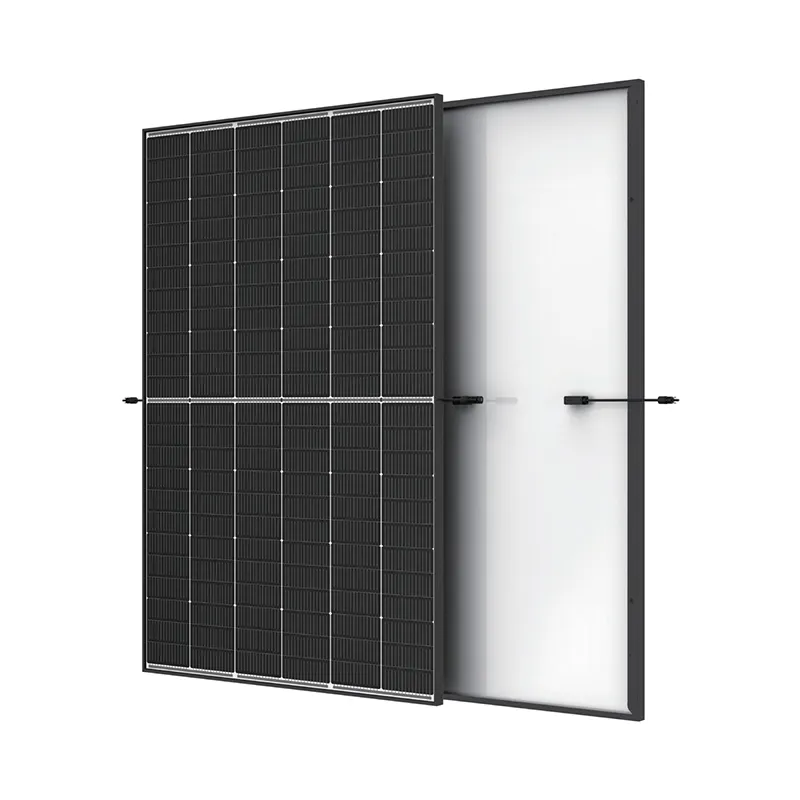
- Enhanced Durability with Dual-Glass: The dual-glass structure provides robust protection against mechanical stresses, harsh weather conditions, and corrosive environments. It virtually eliminates PID (Potential Induced Degradation) and reduces the risk of micro-cracks, contributing to an extended product lifespan and consistent performance.
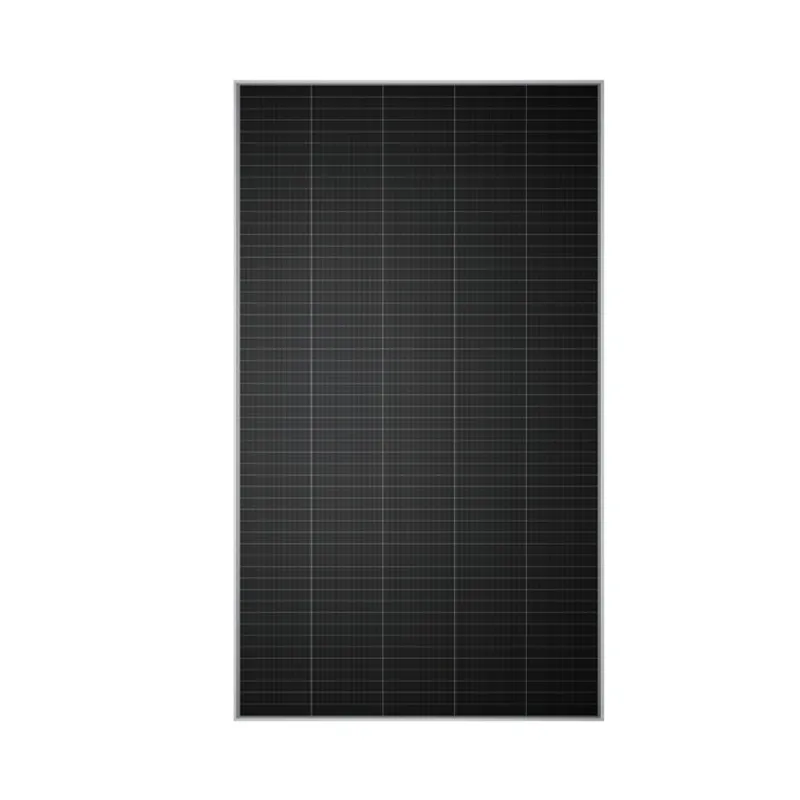
- Aesthetic Superiority: The All-Back Contact design results in an all-black appearance (pure black module) without visible busbars on the front, offering a sleek, premium aesthetic highly desirable for architectural integration in commercial and residential applications.
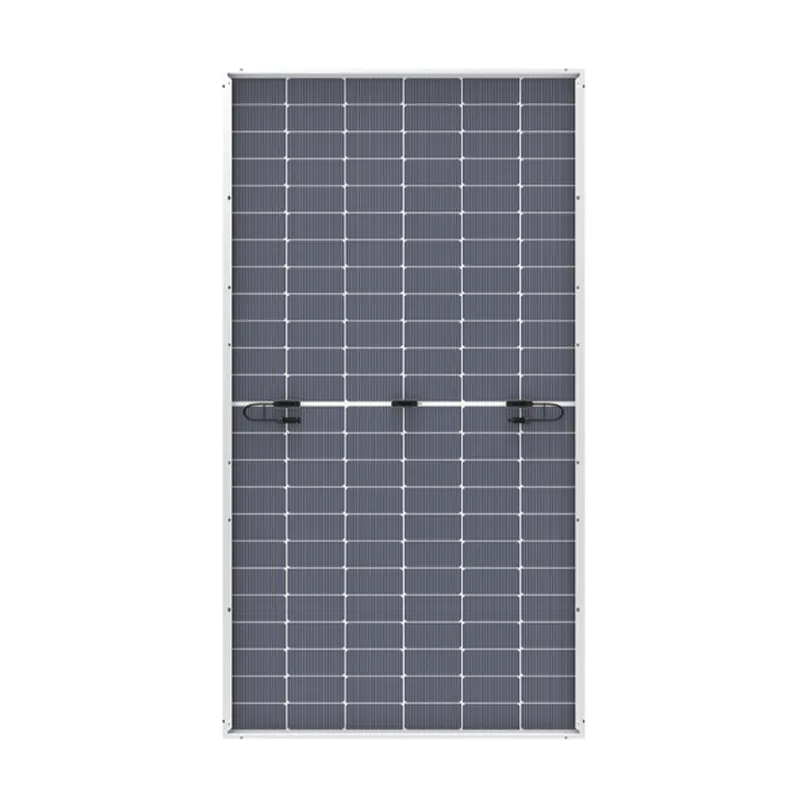
- Bifacial Potential: While primarily front-facing, the dual-glass structure facilitates potential bifacial gain depending on the mounting and ground conditions, allowing for additional energy harvesting from reflected light on the rear side.
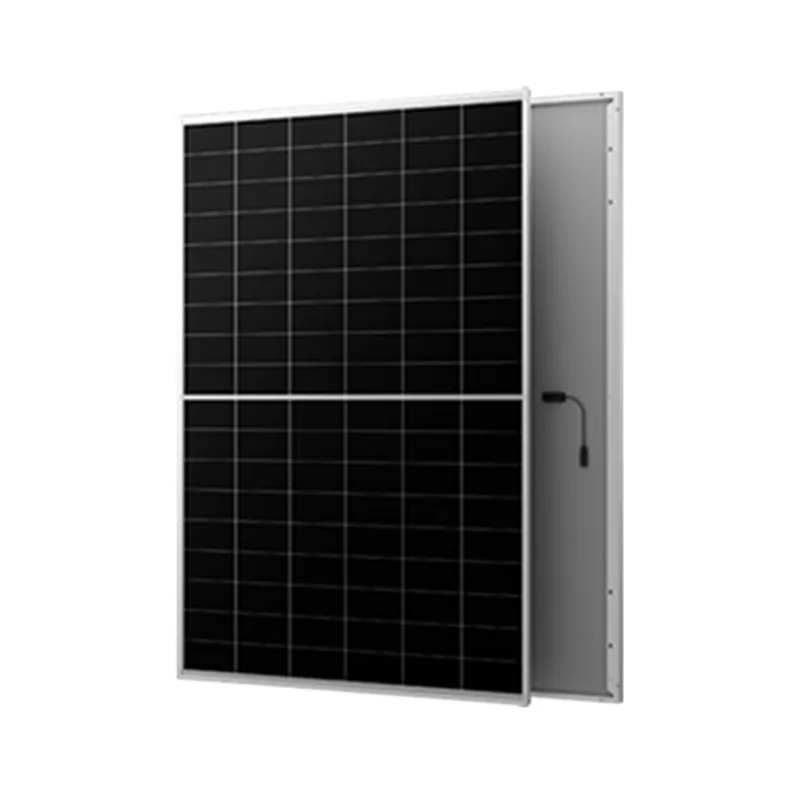
Illustration of the sleek, all-black design and robust construction of the AIKO N-Type ABC Dual-glass Solar Panel.
Application Scenarios and Case Studies
The robust design and high-performance characteristics of the AIKO 445-460W N-Type ABC Dual-glass Solar Panel for Solar System make it suitable for a wide range of demanding B2B applications, from industrial energy solutions to utility-scale power generation.
Typical Application Scenarios:
- Industrial Rooftop Installations: Factories, warehouses, and logistics centers in sectors such as metallurgy or manufacturing can significantly reduce operational energy costs and improve energy independence by deploying these high-efficiency panels. The dual-glass structure provides enhanced fire resistance and durability in industrial environments.
- Commercial Building Projects: Office complexes, shopping malls, and institutional buildings benefit from the high power density, allowing for maximum energy generation within limited rooftop or facade space. The sleek all-black aesthetic is also a significant advantage for architectural integration.
- Utility-Scale Solar Farms: For large-scale ground-mounted projects, the superior efficiency and low degradation rates translate to a higher Levelized Cost of Energy (LCOE), ensuring better long-term returns on investment. The enhanced durability minimizes maintenance needs over decades.
- Remote & Off-Grid Applications: In challenging environments, such as powering remote petrochemical facilities, telecommunications towers, or agricultural pumping stations, the panel's robust build and reliable performance are critical. Its corrosion resistance is particularly beneficial in harsh, remote settings.
- Water Supply & Drainage Infrastructure: Solar systems powering water treatment plants, pumping stations, or desalination facilities can leverage these panels for consistent, cost-effective energy. The dual-glass design offers resistance to humidity and salt mist, crucial for such critical infrastructure.
Illustrative Application Case Study:
Case Study: Large-Scale Industrial Rooftop - "Green Steelworks Initiative"
Client: A leading metallurgy company operating a sprawling steel production facility.
Challenge: High energy consumption for manufacturing processes, desire to reduce carbon footprint, and mitigate volatile electricity prices. The facility's extensive rooftop space presented a significant opportunity, but required durable panels resistant to industrial dust and temperature fluctuations.
Solution: Installation of 5,000 units of the AIKO 445-460W N-Type ABC Dual-glass Solar Panel for Solar System, totaling a 2.3 MW capacity. The high efficiency of the ABC panels maximized power generation within the available roof area, while the dual-glass structure ensured robust performance against environmental stressors common in heavy industry.
Results:
- Energy Saving: Offset approximately 30% of the facility's annual electricity demand, leading to significant operational cost reductions.
- Environmental Impact: Reduced CO2 emissions by an estimated 1,500 tons annually.
- Performance Reliability: Initial monitoring showed performance exceeding projections, largely due to the excellent temperature coefficient and low degradation of the N-type ABC cells, especially during hot summer months.
- Customer Feedback: "The decision to invest in AIKO's N-Type ABC panels was driven by their superior specifications and the promise of long-term reliability. We are highly satisfied with the energy yields and the robustness of the system, which continues to perform optimally even in our demanding industrial setting." - Facility Manager.
Vendor Comparison and Competitive Analysis
In a competitive solar market, discerning the optimal module requires a clear understanding of comparative advantages. The AIKO 445-460W N-Type ABC Dual-glass Solar Panel for Solar System distinguishes itself through a combination of leading-edge technology and robust construction, offering distinct benefits over conventional and even some other N-type modules.
Product Comparison: AIKO N-Type ABC vs. Mainstream Technologies
| Feature | AIKO N-Type ABC Dual-Glass (e.g., 460W) | Standard N-Type TOPCon (e.g., 580W, Larger Size) | Mainstream P-Type PERC (e.g., 450W) |
|---|---|---|---|
| Cell Technology | N-Type ABC | N-Type TOPCon | P-Type PERC |
| Module Efficiency | Up to 23.6% (smaller module format) | ~22.5-23.0% | ~21.0-21.5% |
| Power Temp. Coefficient (Pmax) | -0.29 %/°C | ~ -0.30 to -0.32 %/°C | ~ -0.34 to -0.36 %/°C |
| 1st Year Degradation | < 1.0% | ~1.0% | ~2.0% |
| Annual Degradation (Yr 2-30) | 0.35% | ~0.40% | ~0.45% to 0.50% |
| PID Resistance | Excellent (Dual-Glass & N-type) | Very Good (N-type) | Good (Can be an issue without proper mitigation) |
| Mechanical Strength | Superior (Dual-Glass) | Very Good | Good |
| Aesthetic | Premium All-Black (No busbars) | Good (Often visible busbars) | Standard (Visible busbars) |
| Product Warranty | Up to 20 years | 12-15 years | 10-12 years |
Comparison based on typical market offerings and general technological characteristics. Specific values may vary by manufacturer.
The comparison highlights that while TOPCon technology offers competitive efficiencies, the ABC technology in the AIKO panels often surpasses it in power density (given a similar module size), and boasts an even better temperature coefficient and lower degradation rates. The dual-glass construction of the AIKO panel provides an additional layer of reliability and extended warranty that often exceeds those offered by standard backsheet modules, including many TOPCon variants. For B2B clients prioritizing long-term energy yield, durability, and a premium aesthetic, the AIKO 445-460W N-Type ABC Dual-glass Solar Panel for Solar System presents a superior value proposition.
Customized Solutions and Project Integration
Recognizing that every B2B solar project has unique requirements, our approach extends beyond merely supplying high-performance modules. We offer comprehensive support for customized solutions, ensuring that the AIKO 445-460W N-Type ABC Dual-glass Solar Panel for Solar System is optimally integrated into diverse project designs. This involves detailed consultations, system design recommendations, and logistical planning tailored to specific site conditions and energy demands.
- System Design Optimization: Our technical team assists with array layout optimization to maximize energy harvest, inverter and balance-of-system (BOS) component selection for seamless compatibility, and shade analysis to mitigate performance losses. This bespoke approach ensures maximum efficiency and cost-effectiveness for installations ranging from complex industrial rooftops to vast ground-mounted arrays.
- Mounting Structure Adaptation: The dual-glass panels, while offering superior durability, might require specific mounting considerations. We provide guidance on appropriate racking systems, including ballasted systems for flat roofs or specialized ground-mount structures, ensuring structural integrity and ease of installation.
- Logistics and Supply Chain Management: For large-scale projects, efficient logistics are paramount. We work closely with clients to plan delivery schedules, optimize shipping routes, and manage inventory to ensure timely project execution without disruption.
- Energy Storage Integration: For clients requiring enhanced energy independence or grid stability, we offer solutions for integrating the solar PV system with advanced battery energy storage systems (BESS), ensuring continuous power supply during peak demand or grid outages.
Our goal is to be a strategic partner, providing not just a product, but a complete, optimized energy solution that drives long-term value for our B2B clients.
Authoritativeness and Trustworthiness
Building trust and demonstrating expertise are foundational in the B2B sector. Our commitment to quality, reliability, and customer satisfaction is underpinned by rigorous certifications, transparent practices, and robust customer support.
Certifications and Quality Assurance:
- IEC 61215 & IEC 61730: Compliance with these international standards for photovoltaic module design qualification and safety type approval ensures our products meet stringent performance and safety benchmarks.
- ISO 9001: Certified quality management system, guaranteeing consistency in manufacturing processes and product quality.
- ISO 14001: Environmental management system certification, reflecting our commitment to sustainable and environmentally responsible production.
- TÜV Rheinland / UL Certification: Independent third-party testing and certification confirm product performance and safety against global standards.
Warranty and Lead Time Commitments:
- Product Warranty: We offer an industry-leading 15-year product warranty for the AIKO 445-460W N-Type ABC Dual-glass Solar Panel for Solar System, covering defects in materials and workmanship.
- Performance Warranty: A robust 30-year linear power output warranty guarantees that the module will retain at least 98.0% of its nominal power output in the first year, and then degrade by no more than 0.35% annually, ensuring at least 87.4% of nominal power output by year 30.
- Lead Time & Fulfillment: Standard lead times for container111-load orders typically range from 4 to 8 weeks, depending on order volume and current production schedules. We maintain transparent communication regarding fulfillment timelines.
Customer Support & After-Sales Service:
Our commitment extends beyond product delivery. A dedicated team of technical support specialists is available to assist with installation, commissioning, and any post-installation queries. We provide comprehensive documentation, troubleshooting guides, and a responsive communication channel to ensure seamless operation and maximize your investment.
Frequently Asked Questions (FAQ):
Q1: What is the primary advantage of N-Type ABC technology over traditional P-Type PERC?
A1: N-Type ABC panels offer significantly higher module efficiency (up to 23.6%), a better temperature coefficient (less power loss in heat), ultra-low degradation rates, and superior aesthetic due to the absence of front-side busbars. These factors translate to higher energy yields and longer service life.
Q2: How does the dual-glass construction benefit the panel's performance and longevity?
A2: Dual-glass construction provides enhanced mechanical strength, significantly improving resistance to micro-cracks, hail, and snow loads. It also offers superior protection against moisture ingress, UV degradation, and Potential Induced Degradation (PID), extending the panel's lifespan and maintaining performance stability in harsh environments. It also contributes to a higher fire rating.
Q3: Can these panels be used in corrosive environments, such as coastal areas?
A3: Yes, the dual-glass structure provides excellent resistance to salt mist and ammonia corrosion, making the AIKO 445-460W N-Type ABC Dual-glass Solar Panel for Solar System highly suitable for deployment in coastal, agricultural, and industrial environments where such conditions are prevalent. This is backed by IEC 61701 (Salt Mist Corrosion Test) certification.
Q4: What is the typical return on investment (ROI) timeframe for a system using these panels?
A4: While ROI depends on various factors such as local electricity prices, installation costs, and incentive programs, the high efficiency and low degradation rates of AIKO panels lead to higher annual energy production and a faster payback period compared to less efficient alternatives. Long-term, the superior longevity and performance stability contribute to a lower LCOE and maximized overall project profitability.
Conclusion and Future Outlook
The AIKO 445-460W N-Type ABC Dual-glass Solar Panel for Solar System stands at the forefront of photovoltaic innovation, offering unparalleled efficiency, durability, and aesthetic appeal. Designed for the discerning B2B market, this panel addresses the critical needs for high-performance, reliable, and long-lasting solar energy solutions. As the global energy landscape continues its rapid transition towards renewables, technologies like N-Type ABC dual-glass will be instrumental in driving higher energy yields, lowering the Levelized Cost of Energy (LCOE), and accelerating the adoption of solar power across diverse industrial and commercial sectors. Investing in this advanced solar technology provides a strategic advantage, ensuring a robust and sustainable energy future.
Citations
- Jäger, K. D., Müller, P., & Schirrmacher, A. (2019). N-Type Solar Cells: State of the Art and Future Trends. In Progress in Photovoltaics: Research and Applications, 27(12), 1017-1032.
- Green, M. A., Hishikawa, Y., Warta, W., Dunlop, E. D., Levi, D. H., Hohl-Ebinger, J., & Ho-Baillie, A. W. Y. (2023). Solar cell efficiency tables (Version 62). In Progress in Photovoltaics: Research and Applications, 31(1), 3-19.
- Kroon, J. (2018). Reliability and Degradation of PV Modules: A Review of Recent Progress. IEEE Journal of Photovoltaics, 8(4), 1083-1092.
- International Electrotechnical Commission (IEC). (2016). IEC 61215-1:2016 Terrestrial photovoltaic (PV) modules – Design qualification and type approval – Part 1: Test requirements.
- Fraunhofer Institute for Solar Energy Systems ISE. (Annual). Photovoltaics Report.
-
Designing a Modern Home Roof Made Out of Solar Panels GuideNewsApr.16,2026
-
Guide to the Size of 150 Watt Solar Panel for Your ProjectNewsApr.09,2026
-
Understanding the Dimensions and Applications of a 200W Solar PanelNewsApr.07,2026
-
Understanding the Dimensions and Factors of a 330W Solar Panel SizeNewsApr.04,2026
-
Understanding the Size and Dimensions of a 4kW Solar Panel System for Your HomeNewsMar.31,2026
-
Comprehensive Guide to Sizing Your Solar System for Optimal Energy ProductionNewsMar.28,2026