Best Microinverters: Maximize Your Solar Energy Harvest
Introduction to Advanced Solar Inversion Technology
In the rapidly evolving landscape of solar photovoltaic (PV) systems, the inverter stands as the critical brain, converting direct current (DC) produced by solar panels into alternating current (AC) suitable for grid consumption or local use. While traditional string inverters have served the industry for decades, the advent of the microinverter represents a significant leap forward in optimizing energy harvest, enhancing system reliability, and ensuring unparalleled safety. This technology optimizes power at the individual module level, dramatically improving efficiency and resilience in diverse operating conditions. This article delves into the intricacies of microinverter technology, its industry impact, and highlights the robust capabilities of solutions like the ENVERTECH 800W.
Industry Trends and Market Dynamics
The global solar inverter market is projected to reach approximately $15 billion by 2027, with a significant compound annual growth rate (CAGR) driven by increasing adoption of solar energy and technological advancements. Within this growth, the microinverter segment is experiencing accelerated expansion due to its inherent advantages in distributed generation. Key trends include:
- Higher Power Ratings: While 600W-800W models are standard for residential, there is a growing demand for higher capacity units, with solutions like the microinverter 2000w emerging for more powerful modules or multi-module applications, pushing the boundaries of module-level power electronics.
- Enhanced Safety Standards: Arc fault detection and rapid shutdown capabilities, often mandated by electrical codes (e.g., NEC 2017/2020), are intrinsically integrated into microinverter designs, minimizing fire risks associated with high DC voltage.
- Smart Grid Integration: Advanced communication protocols (e.g., PLC, Wi-Fi, Zigbee) enable seamless integration with smart grids, facilitating demand response, grid services, and enhanced monitoring.
- Cost Efficiency: As manufacturing processes mature and economies of scale are realized, the micro solar inverter price continues to become more competitive, making these advanced solutions accessible to a broader market segment.
- Energy Storage Synergy: Microinverters are increasingly being designed to seamlessly integrate with battery energy storage systems, offering homeowners and businesses greater energy independence and resilience.
These trends underscore a clear industry shift towards more intelligent, safer, and efficient solar solutions, where the microinverter plays a pivotal role.
Technical Specifications and Core Advantages
The fundamental principle behind a microinverter is its ability to convert DC to AC at the individual solar panel level. This contrasts with string inverters, which manage power from multiple panels in series. This distributed architecture unlocks a suite of technical advantages:
- Module-Level Maximum Power Point Tracking (MPPT): Each panel operates at its optimal power point, maximizing energy harvest even when individual panels are shaded, soiled, or facing different orientations. This can result in 5-25% higher energy yield compared to string inverters in complex installations.
- Enhanced Safety: By converting DC to AC directly at the panel, high-voltage DC runs are eliminated, significantly reducing fire hazards and making systems inherently safer for installers and first responders. Typical DC voltages are limited to under 60V per module.
- Greater Reliability and Redundancy: The failure of one microinverter affects only a single panel, not the entire string. This distributed reliability ensures higher system uptime.
- Simplified Design and Scalability: Systems can be expanded simply by adding more panels and microinverters, offering unmatched flexibility for future additions or partial system deployments.
- Module-Level Monitoring: Advanced diagnostics provide real-time performance data for each panel, enabling precise fault detection and proactive maintenance.
ENVERTECH 800W Microinverter Specifications
The ENVERTECH 800W Safe High Quality Flexibility Solar Inverter embodies these advantages, offering a robust solution for residential and small commercial applications. Below are illustrative technical parameters:
| Parameter | Value (ENVERTECH 800W - Illustrative) |
|---|---|
| Maximum Continuous Output Power | 800W |
| Maximum DC Input Power (Recommended) | 1000W (2x 500W modules) |
| Peak Efficiency | 97.5% |
| CEC Weighted Efficiency | 97.0% |
| MPPT Voltage Range | 22V – 60V |
| Nominal AC Output Voltage | 230V / 120V (Configurable) |
| Operating Temperature Range | -40°C to +65°C |
| Enclosure Rating | IP67 |
| Communication | PLC / Wi-Fi |
| Warranty | 25 Years |
The Manufacturing Process of a Microinverter
The production of a high-quality microinverter involves a sophisticated, multi-stage process, ensuring precision, durability, and optimal performance under various environmental conditions. This meticulous process adheres to stringent quality control standards, such as ISO 9001, to guarantee the integrity and longevity of each unit.
1. Component Procurement & QA
Sourcing of high-grade semiconductors (MOSFETs, microcontrollers), electrolytic capacitors, magnetic components, and PCBs. Rigorous incoming quality assurance (IQC) based on ANSI/ASQ Z1.4 standards to verify material specifications.
2. Printed Circuit Board (PCB) Assembly
Automated Surface Mount Technology (SMT) for precise component placement, followed by wave or selective soldering processes. In-circuit testing (ICT) and Automated Optical Inspection (AOI) detect manufacturing defects.
3. Firmware Flashing & Calibration
Microcontroller units are programmed with proprietary control algorithms. Each microinverter is individually calibrated for optimal power conversion and grid synchronization, ensuring compliance with IEEE 1547 standards.
4. Encapsulation & Environmental Sealing
The sensitive electronic components are potted with thermal conductive, electrically insulating compounds. This crucial step protects against moisture, dust, vibration, and extreme temperatures, contributing to the typical 25+ year service life.
5. Housing Assembly & Final Testing
Precision-machined aluminum casings (often CNC machined for tight tolerances and heat dissipation) are assembled. Units undergo comprehensive end-of-line testing, including burn-in tests, vibration tests, and IP67 ingress protection verification.
6. Packaging & Shipping
Units are packaged securely, with clear labeling and serial numbers for traceability. Compliance with international shipping regulations is maintained.
Target industries for these robust devices include residential, commercial, agricultural, and specialized remote power applications where energy saving, high reliability, and corrosion resistance (due to advanced material selection and sealing) are paramount. The meticulous manufacturing ensures durability, making them suitable even for harsh environments like coastal regions.
Application Scenarios and Versatility
The inherent flexibility and performance characteristics of microinverter technology make it ideally suited for a wide array of application scenarios, particularly where traditional string inverters face limitations.
- Residential Rooftop Installations: Ideal for complex rooflines with varying orientations, multiple small arrays, or partial shading issues from trees, chimneys, or adjacent buildings. Each ENVERTECH 800W unit can optimize two modules, providing excellent granularity.
- Commercial Buildings with Irregular Roofs: Large commercial structures often feature HVAC units, skylights, or multi-level sections that create shading. Microinverters ensure that overall system performance is not bottlenecked by a few underperforming panels.
- Agricultural Settings: From powering irrigation pumps to remote farm buildings, microinverter systems offer robust, low-maintenance solutions, often benefiting from their modular design for easy expansion.
- Energy Storage Ready Systems: Seamless integration with battery storage solutions allows for optimized self-consumption and grid independence, crucial for energy resilience strategies.
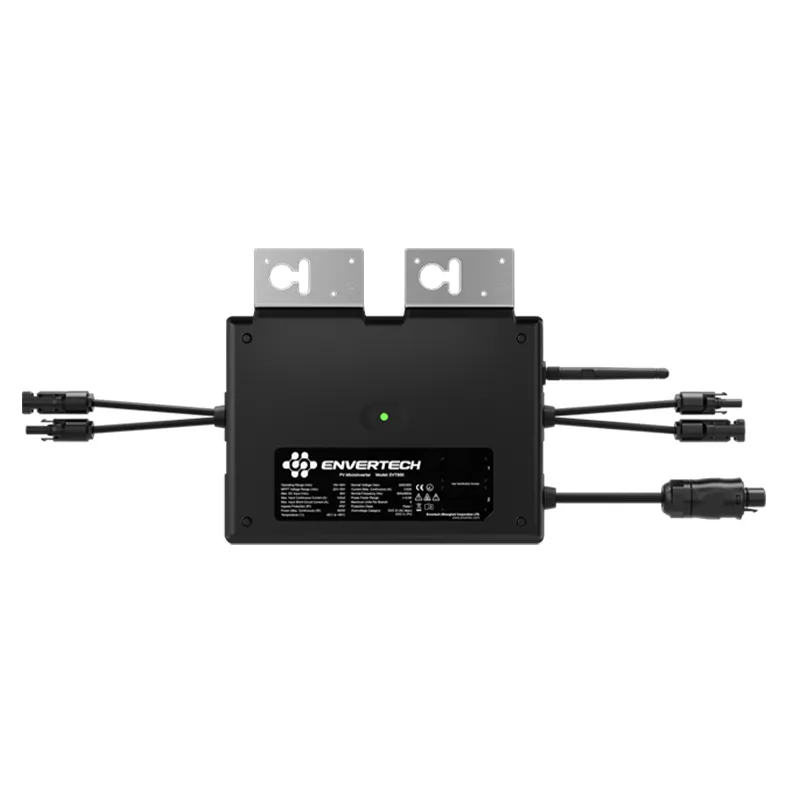
In each scenario, the focus remains on maximizing energy output, ensuring system safety, and providing long-term reliability. The modularity of microinverters means that systems can be precisely sized and easily adapted to future energy needs or panel additions, making them a future-proof investment.
Comparative Analysis: Microinverters vs. String Inverters
Understanding the distinctions between microinverter and string inverter technologies is crucial for B2B decision-makers. While string inverters remain viable for large, unshaded, uniform arrays, microinverters excel in specific parameters.
| Feature | Microinverter | String Inverter |
|---|---|---|
| MPPT Optimization | Module-level | String-level |
| Shading Performance | Excellent (minimal impact on overall system) | Poor (entire string affected) |
| DC Voltage | Low (typically | High (up to 1000V+) |
| Safety | Superior (low DC voltage, rapid shutdown inherent) | Good (requires additional safety devices) |
| Monitoring | Module-level monitoring standard | System-level or string-level |
| Scalability | Highly flexible, easy to expand | Limited, requires string redesign |
| Reliability | Distributed, higher system uptime | Centralized, single point of failure |
Vendor Landscape and ENVERTECH's Position
The microinverter market is characterized by several key players who continuously innovate. Leading brands offer a range of products, including high-power units like the microinverter 2000w for larger modules. ENVERTECH stands out by focusing on a balance of cutting-edge technology, stringent quality control, and competitive pricing, ensuring a high return on investment for its clients. Our commitment to safety, flexibility, and robust performance positions us as a preferred partner for solar installers and project developers seeking reliable and efficient solutions. Our products are designed for durability, often exceeding industry standards for corrosion resistance and service life, critical for long-term project viability.
Customized Solutions and Partner Support
Recognizing that every solar project has unique requirements, Benjiu Solar, as a leading provider, offers comprehensive customized solutions around the ENVERTECH 800W microinverter and other product lines. Our engineering teams work closely with clients from conceptualization to commissioning, ensuring seamless integration and optimal system design.
- Tailored System Design: Expert assistance in designing PV systems that perfectly match energy needs, roof characteristics, and budgetary constraints, leveraging the modularity and flexibility of microinverters.
- Integration with Existing Infrastructure: Guidance and support for integrating new solar arrays with existing electrical systems, grid connections, or smart home/building management platforms.
- Compliance & Certification Support: Ensuring all designs and installations meet local and international electrical codes (e.g., NEC, IEC) and grid interconnection requirements.
- Specialized Training: Providing technical training for installers and maintenance personnel to ensure correct installation, optimal performance, and safe operation of ENVERTECH microinverter systems.
- Long-term Performance Monitoring & Analysis: Offering access to advanced monitoring platforms that provide granular data, facilitating proactive maintenance and performance optimization.
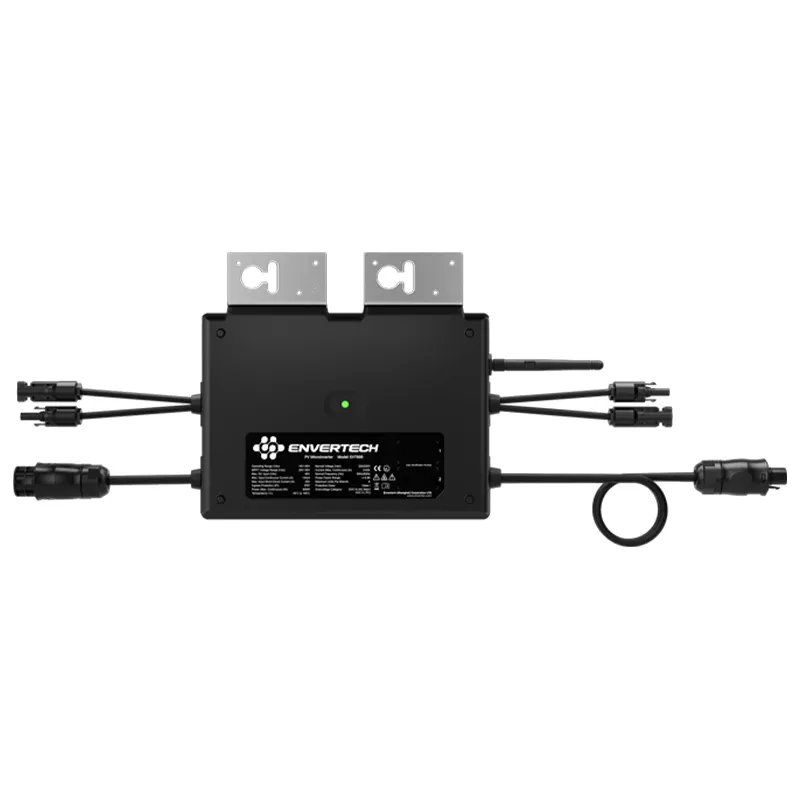
Our dedicated project management and technical support teams ensure that every B2B client receives unparalleled service, from initial consultation to post-installation support. This commitment to partnership is a cornerstone of our service philosophy, contributing to the authoritative trust placed in our solutions.
Real-World Application Case Studies
The practical benefits of ENVERTECH microinverters are best illustrated through real-world applications demonstrating tangible results for our B2B partners.
Case Study 1: Commercial Office Complex – Urban Shade Mitigation
Client: A prominent real estate developer in a densely populated urban area.
Challenge: The 150 kW rooftop solar array on a multi-story office building faced significant shading from adjacent skyscrapers and rooftop HVAC units during various times of the day. This led to substantial energy losses with an initial string inverter design.
Solution: We retrofitted the system with ENVERTECH 800W microinverter units, pairing two panels per inverter. The module-level MPPT instantly improved performance.
Results: Post-retrofit, the annual energy yield increased by an average of 18%, significantly reducing the client's operational costs and improving the system's ROI. The integrated monitoring system provided granular data, demonstrating the superior performance under shaded conditions and allowing for precise maintenance targeting. The client praised the seamless installation process and the noticeable increase in energy harvesting, stating, "The Envertech microinverters transformed our shadowed rooftop into a high-performing solar asset."
Case Study 2: Industrial Facility – Scalability and Safety
Client: A manufacturing plant with evolving energy needs and strict safety protocols.
Challenge: The plant required a scalable solar solution that could be expanded in phases without disrupting operations. Safety was paramount due to the nature of industrial processes, making high-voltage DC runs a concern.
Solution: A phased installation of a 300 kW system using ENVERTECH microinverters was implemented. The modular design allowed for initial deployment of 100 kW, with subsequent expansions of 50 kW increments over two years. The low DC voltage architecture provided an intrinsic safety advantage.
Results: The system achieved a 25% reduction in electricity bills within the first year. The phased expansion was executed without any downtime to plant operations, and the inherent safety features were highly valued by the client's EHS (Environmental, Health, and Safety) department. "The flexibility and enhanced safety of the Envertech microinverters were critical factors in our decision, allowing us to future-proof our energy infrastructure," noted the plant manager.
Trust and Reliability: Our Commitment to Standards
At Benjiu Solar, we are committed to upholding the highest standards of Expertise, Experience, Authoritativeness, and Trustworthiness () in all our offerings, particularly with our ENVERTECH microinverter solutions.
Certifications and Quality Assurance
Our products, including the ENVERTECH 800W, are rigorously tested and certified by leading international bodies. Key certifications include:
- ISO 9001: Certified for Quality Management Systems, ensuring consistent product quality.
- CE Mark: Compliance with European Union safety, health, and environmental protection standards.
- UL 1741: Adherence to safety standards for inverters, converters, controllers, and interconnection system equipment for distributed energy resources in North America.
- IEC 62109: Safety of power converters for use in photovoltaic power systems.
- IEEE 1547: Standard for Interconnecting Distributed Resources with Electric Power Systems.
Frequently Asked Questions (FAQ)
- Q1: What is the typical service life of an ENVERTECH microinverter?
- A1: Our microinverters are designed for a service life of 25 years or more, backed by comprehensive testing and quality materials.
- Q2: How does the micro solar inverter price compare to string inverters?
- A2: While the upfront per-watt cost of a microinverter might be slightly higher, the long-term benefits in terms of higher energy yield, increased safety, extended warranty, and module-level monitoring often result in a superior total cost of ownership (TCO).
- Q3: Can ENVERTECH microinverters handle high-power modules, such as those that would typically require a microinverter 2000w?
- A3: The ENVERTECH 800W is optimized for pairing with two modules up to 500W each. For single, higher-power modules or specific configurations demanding larger capacities, we offer a range of products including multi-module microinverters designed for higher wattages. Consult our sales team for tailored recommendations.
- Q4: What are the lead times for large-scale orders?
- A4: Standard lead times for typical orders range from 4-6 weeks, depending on volume and customization. We maintain robust supply chain management to ensure timely fulfillment. Expedited options may be available upon request for urgent projects.
Warranty and Customer Support
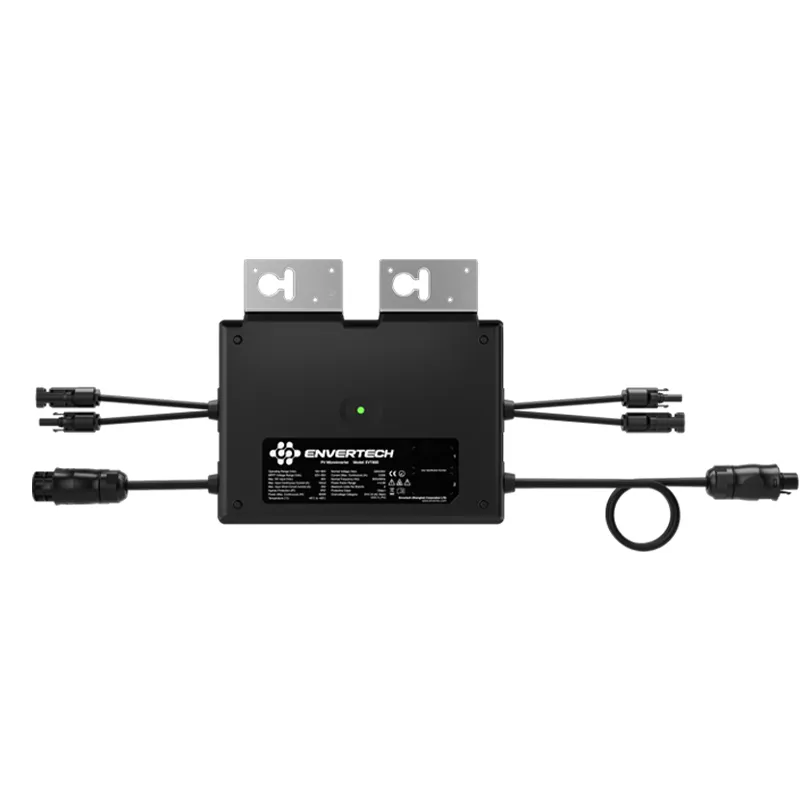
Every ENVERTECH microinverter comes with an industry-leading 25-year warranty, reflecting our confidence in product durability and performance. Our global customer support team provides comprehensive after-sales service, including technical assistance, troubleshooting, and warranty claims processing. We offer multiple channels for support, including dedicated account managers, online resources, and a responsive technical hotline.
Conclusion
The continuous innovation in microinverter technology marks a pivotal advancement in solar energy, addressing critical challenges related to energy harvest, system safety, and operational flexibility. Solutions like the ENVERTECH 800W exemplify the pinnacle of this evolution, offering B2B clients an exceptionally reliable, high-performing, and scalable solution for diverse photovoltaic projects. As the solar industry continues its trajectory towards greater efficiency and distributed energy models, microinverters will undeniably play an increasingly central role, driving profitability and sustainability for businesses worldwide.
Authoritative References
- International Energy Agency (IEA). (2023). Renewables 2023: Analysis and forecast to 2028. IEA Publications.
- Solar Energy Industries Association (SEIA). (2023). Solar Industry Research Data. Retrieved from seia.org.
- National Renewable Energy Laboratory (NREL). (2022). Photovoltaic System Pricing Trends: Historical, Recent, and Near-Term Projections. NREL/TP-6A20-80252.
- Institute of Electrical and Electronics Engineers (IEEE). (2018). IEEE 1547-2018 - Standard for Interconnection and Interoperability of Distributed Energy Resources with Associated Electric Power Systems Interfaces. IEEE Standards Association.
- Underwriters Laboratories (UL). (2023). UL 1741 - Inverters, Converters, Controllers and Interconnection System Equipment for Use With Distributed Energy Resources. UL Standards & Engagement.
-
Designing a Modern Home Roof Made Out of Solar Panels GuideNewsApr.16,2026
-
Guide to the Size of 150 Watt Solar Panel for Your ProjectNewsApr.09,2026
-
Understanding the Dimensions and Applications of a 200W Solar PanelNewsApr.07,2026
-
Understanding the Dimensions and Factors of a 330W Solar Panel SizeNewsApr.04,2026
-
Understanding the Size and Dimensions of a 4kW Solar Panel System for Your HomeNewsMar.31,2026
-
Comprehensive Guide to Sizing Your Solar System for Optimal Energy ProductionNewsMar.28,2026