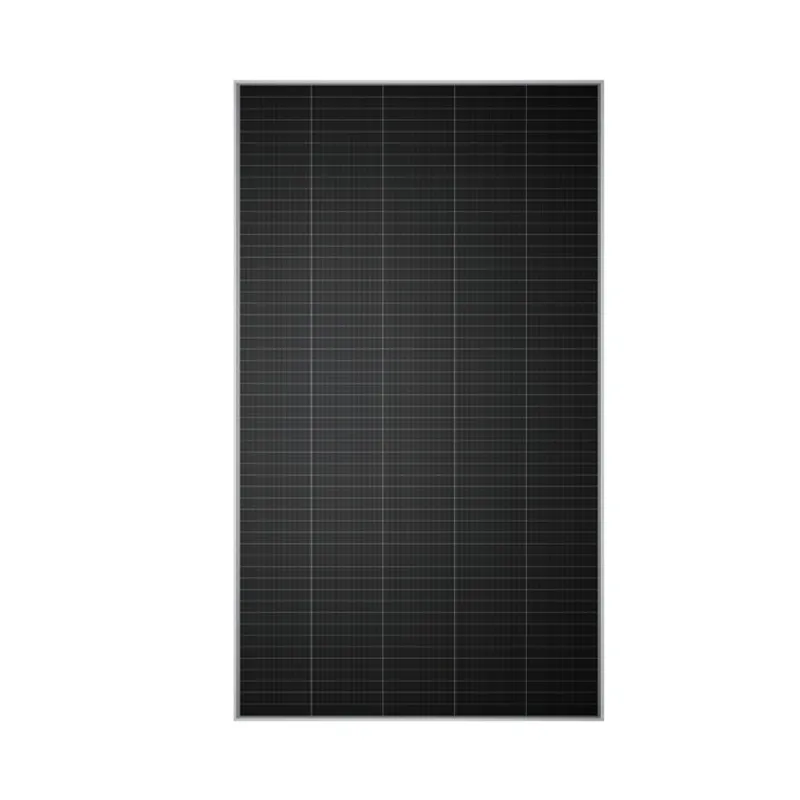
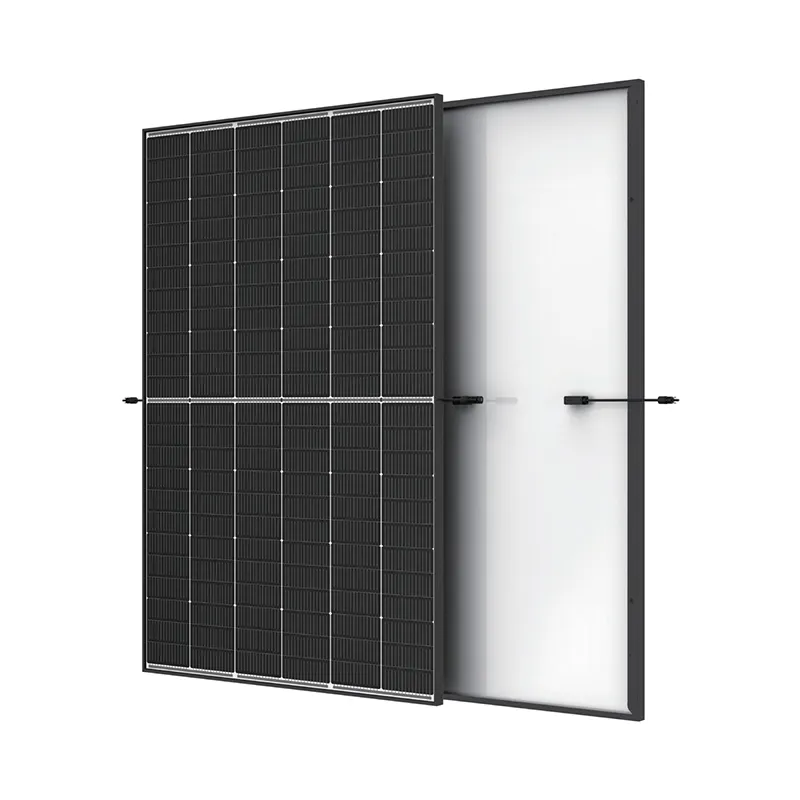
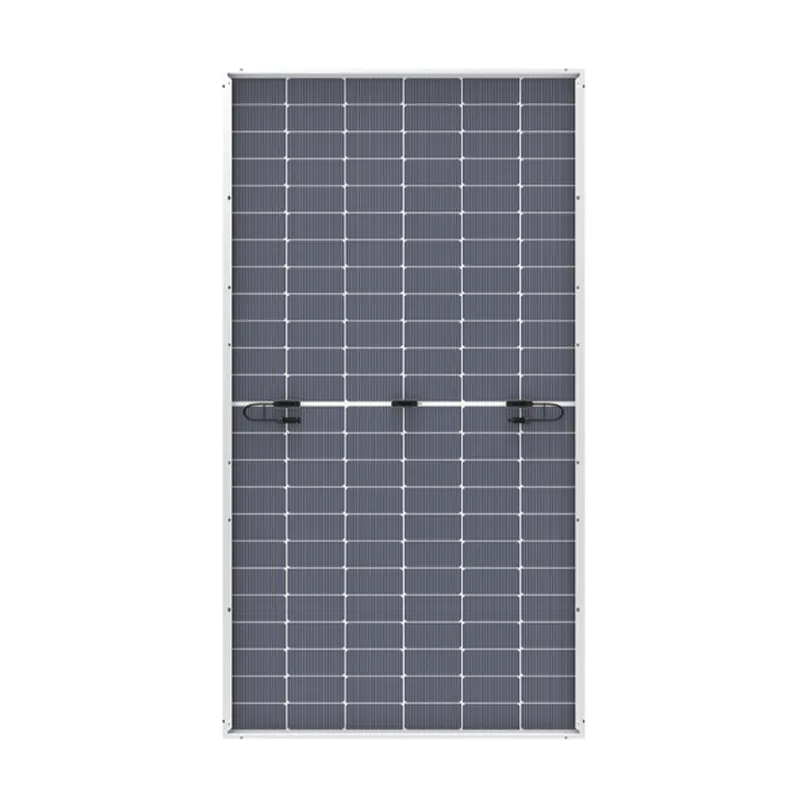
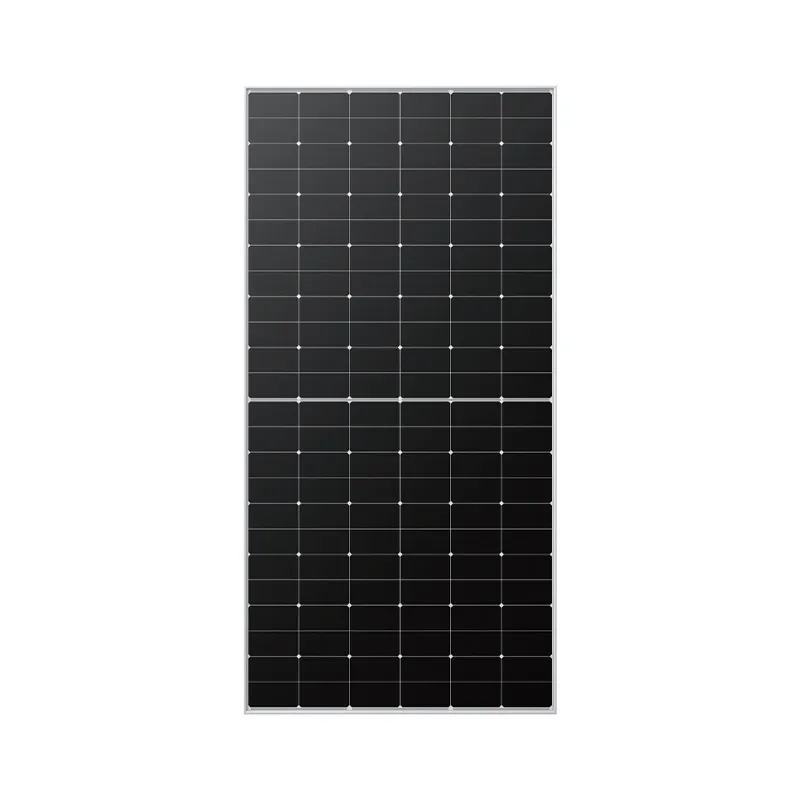
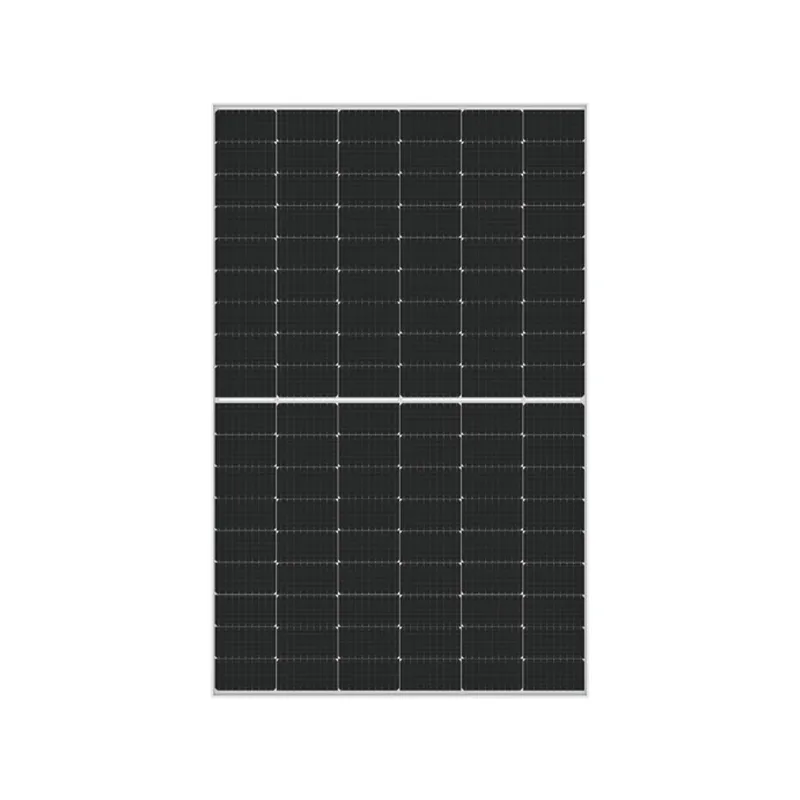
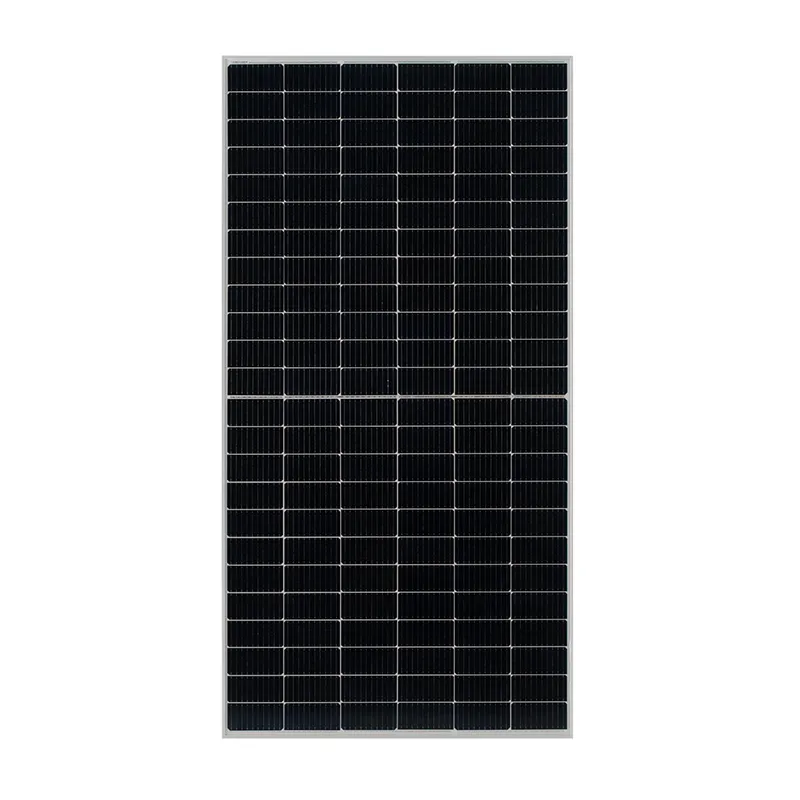
LONGi Hi-MO7 Bifacial Half-Cell Solar Panel 585-620W for Home
Advancing Residential Solar Performance: An In-Depth Look at the LONGi Hi-MO7 Series
In the rapidly evolving landscape of renewable energy, solar photovoltaic (PV) technology continues to push boundaries, offering increasingly efficient and reliable solutions for both commercial and residential applications. At the forefront of this innovation is the next-generation LONGi 585-620W Hi-MO7 Bifacial Half cell Solar Panel for Home. This cutting-edge module represents a significant leap forward in residential solar energy capture, integrating sophisticated bifacial and half-cell technologies with LONGi's renowned manufacturing excellence to deliver unparalleled energy yield, durability, and cost-effectiveness for homeowners and small-scale commercial entities. This article provides a comprehensive technical overview, exploring its core technologies, manufacturing process, application advantages, and market positioning for B2B decision-makers and technical professionals.
Industry Trends and Market Landscape: The Rise of High-Performance Residential PV
The global solar energy market is witnessing robust growth, driven by decreasing costs, supportive government policies, and increasing environmental awareness. A key trend in distributed generation, particularly in residential sectors, is the demand for higher power density and increased energy yield from a smaller footprint. This demand has accelerated the adoption of advanced module technologies such as bifacial and half-cell architectures. Bifacial modules capture sunlight from both the front and rear sides, significantly increasing overall energy production, especially in environments with high albedo. Half-cell technology, by dividing traditional cells into two, reduces internal current and resistive losses, mitigating hot spot risks and improving performance under shaded conditions. These innovations are crucial for maximizing energy harvest from limited roof space, making solutions like the LONGi 585-620W Hi-MO7 Bifacial Half cell Solar Panel for Home increasingly vital for modern energy systems.
Furthermore, the industry is moving towards n-type cell technologies, particularly TOPCon (Tunnel Oxide Passivated Contact), which offers superior efficiency and lower degradation compared to traditional p-type PERC cells. LONGi's Hi-MO7 series, leveraging HPDC (High Performance Double-Cell) technology, a proprietary n-type TOPCon variant, epitomizes this trend, delivering higher open-circuit voltage (Voc) and fill factor, leading to enhanced overall module performance and a lower Levelized Cost of Energy (LCOE) over its extended operational lifespan.
Technical Deep Dive: LONGi Hi-MO7 Panel Architecture and Core Innovations
The LONGi 585-620W Hi-MO7 Bifacial Half cell Solar Panel for Home is engineered for maximum performance and reliability, integrating several sophisticated technologies:
- Bifacial Technology: The module utilizes a transparent backsheet or dual-glass construction (depending on specific model variant) allowing sunlight to be absorbed from both the front and rear surfaces. This increases energy yield by capturing reflected and diffused light from the ground, rooftops, or surrounding surfaces (albedo). Depending on the installation environment and albedo coefficient, bifacial gain can range from 5% to 25%, significantly boosting overall system output without requiring additional roof space.
- Half-Cell Design: By laser-cutting each PV cell into two halves, the current flowing through each busbar is effectively halved. This reduction in current minimizes resistive (I²R) losses within the module, leading to lower operating temperatures and improved performance, particularly under partial shading conditions. The lower current also reduces hot spot formation, enhancing module longevity and safety.
- N-Type TOPCon (HPDC) Cells: LONGi's Hi-MO7 series incorporates advanced n-type TOPCon cells, specifically their proprietary HPDC technology. This cell architecture features a passivating layer of silicon oxide grown on the back surface, topped with a thin doped polysilicon layer. This design effectively reduces surface recombination losses, leading to higher conversion efficiencies (over 22.5% for the module) and superior low-light performance. N-type cells also inherently exhibit extremely low Light Induced Degradation (LID) and negligible Light and elevated Temperature Induced Degradation (LeTID), ensuring sustained high performance over the module's 30-year operational life.
- Gallium-Doped Silicon Wafers: LONGi's consistent use of gallium-doped silicon wafers further minimizes LID, a common degradation mechanism in conventional p-type silicon cells, ensuring more stable power output throughout the module's lifespan.
Manufacturing Process Flow: Precision and Quality in Every Panel
The production of the LONGi 585-620W Hi-MO7 Bifacial Half cell Solar Panel for Home adheres to rigorous manufacturing standards, integrating advanced materials and processes to ensure optimal performance and durability.
- Silicon Ingot Production: High-purity polysilicon feedstock is melted and then grown into large mono-crystalline ingots (boules) using the Czochralski (CZ) method. Gallium doping occurs at this stage to enhance long-term stability. This process ensures a uniform crystalline structure, critical for high-efficiency PV cells.
- Wafer Slicing: The ingots are precisely sliced into thin n-type silicon wafers using diamond wire sawing technology. This method minimizes material waste and achieves ultra-thin wafers, reducing material costs while maintaining mechanical integrity.
-
Cell Manufacturing (HPDC/TOPCon):
- Texturing: Wafers undergo chemical etching to create a textured surface, minimizing light reflection and maximizing absorption.
- Doping & Junction Formation: Phosphorus diffusion creates the n-p junction on the front surface, while a tunnel oxide layer and doped polysilicon are formed on the rear for the TOPCon structure.
- Passivation & Anti-Reflection Coating: Dielectric layers are applied to reduce surface recombination and further enhance light capture.
- Metallization: Fine-line silver contacts are screen-printed on the front and rear to collect current.
- Half-Cell Cutting: Finished cells are precisely cut into halves using non-destructive laser technology, preparing them for module assembly.
-
Module Assembly:
- Tabbing & Stringing: Half-cells are soldered together using multi-busbar (MBB) technology, forming strings. MBB enhances current collection and improves reliability.
- Lamination: Cell strings are encapsulated between two layers of high-transmission tempered glass (for dual-glass bifacial) or a front glass and transparent backsheet (for backsheet bifacial) with Ethyl Vinyl Acetate (EVA) or POE (Polyolefin Elastomer) encapsulants. This process, performed under vacuum and heat, cures the encapsulant, protecting the cells from environmental degradation.
- Framing: An anodized aluminum alloy frame is affixed, providing structural integrity, ease of mounting, and protection against mechanical stress and corrosion.
- Junction Box & Cabling: A robust, IP68-rated junction box with bypass diodes is attached to the rear, facilitating electrical connections and preventing hot spots in shaded conditions. MC4 connectors ensure secure and weather-resistant wiring.
- Quality Control & Testing: Each module undergoes stringent testing compliant with international standards such as IEC 61215 (performance), IEC 61730 (safety), ISO 9001 (quality management), ISO 14001 (environmental management), and ISO 45001 (occupational health and safety). Tests include Electroluminescence (EL) inspection for micro-cracks, power output flash testing to determine actual wattage, mechanical load testing for wind and snow resilience, and accelerated environmental chamber testing (damp heat, thermal cycling, UV exposure) to ensure a service life exceeding 30 years.
Target industries benefiting from these panels include residential rooftop installations, small commercial buildings, carports, and various distributed generation projects where energy saving, high efficiency, and corrosion resistance are paramount.
Technical Specifications: LONGi 585-620W Hi-MO7 Bifacial Half-Cell Solar Panel
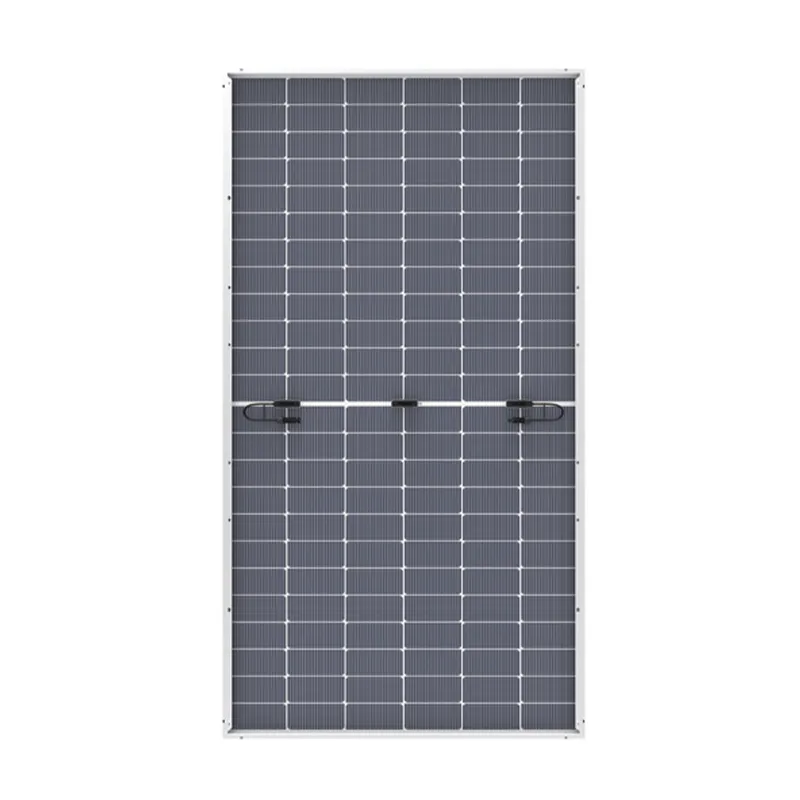
Below are detailed technical parameters for the LONGi 585-620W Hi-MO7 Bifacial Half cell Solar Panel for Home, illustrating its superior performance characteristics under Standard Test Conditions (STC: 1000 W/m², 25°C, AM 1.5) and Nominal Operating Cell Temperature (NOCT: 800 W/m², 20°C ambient, 1 m/s wind speed).
Application Scenarios and Strategic Advantages for Homeowners
The design and performance characteristics of the LONGi 585-620W Hi-MO7 Bifacial Half cell Solar Panel for Home make it exceptionally suitable for a diverse range of residential and light commercial solar installations. Its high power output and bifacial gain optimize energy harvest, particularly where space is at a premium.
- Residential Rooftop Systems: Maximizing energy generation from limited rooftop space is critical for homeowners. The high efficiency and bifacial capability of the Hi-MO7 panels ensure a greater power output per square meter, leading to a higher energy offset for household consumption and potentially larger savings on electricity bills. Their robust construction (often dual-glass variants) offers enhanced resistance to micro-cracks and environmental factors, ideal for long-term rooftop exposure.
- Carports and Pergolas: Installations on structures like carports and pergolas are prime locations for bifacial modules. The elevated mounting allows for significant light reflection from the ground (e.g., light-colored gravel, painted surfaces), boosting rear-side energy capture. This dual-use application provides both shade and substantial electricity generation.
- Ground-Mounted Systems (Residential): For homes with available land, ground-mounted systems using these panels can be optimized for tilt and height to maximize bifacial gain. Strategic placement over reflective ground covers can further enhance performance, making them highly efficient for dedicated solar farms or larger residential properties.
- Distributed Generation Projects: Small-scale commercial installations, agricultural applications (e.g., solar for irrigation pumps), or community solar projects can also benefit from the high efficiency and reliability, offering faster ROI and lower operational costs.
Beyond pure energy generation, the panels offer strategic advantages:
- Enhanced Energy Yield: Bifaciality, coupled with the N-type TOPCon cell technology, ensures a superior energy yield over the lifetime of the system compared to conventional mono-facial modules. This means more kWh generated per kWp installed.
- Improved Performance in Challenging Conditions: Half-cell technology and the excellent temperature coefficient (-0.29 %/°C) ensure robust performance even in high-temperature environments or under partial shading, minimizing power losses.
- Superior Durability and Longevity: The use of dual-glass (where applicable), robust aluminum frames, and low degradation N-type cells significantly extends the operational lifespan and ensures long-term power stability, protecting the investment for over 30 years. The rigorous testing against PID (Potential Induced Degradation), LID, and LeTID guarantees minimal output loss over time.
- Reduced LCOE: Higher energy output per panel and sustained performance reduce the overall cost of electricity produced over the system's lifetime, offering a compelling economic advantage.
Vendor Comparison: LONGi Hi-MO7 vs. Competing Residential Modules
In the competitive landscape of high-performance residential solar, the LONGi 585-620W Hi-MO7 Bifacial Half cell Solar Panel for Home stands out. Here's a comparison against other leading residential/small-commercial modules from reputable manufacturers, highlighting key differentiators.
LONGi's Hi-MO7, with its refined HPDC technology and industry-leading temperature coefficient, often achieves a slightly higher module efficiency and a more favorable long-term degradation rate, translating into higher lifetime energy production. This makes it a highly competitive choice for residential applications prioritizing maximum energy harvest and long-term value.
Customized Solutions and System Integration
Integrating the LONGi 585-620W Hi-MO7 Bifacial Half cell Solar Panel for Home into a tailored residential or small-commercial energy system involves more than just selecting high-performance modules. Benjiu Solar works closely with installers and system integrators to design comprehensive solutions that meet specific energy needs and architectural requirements. This includes:
- Optimized System Sizing: Precise calculation of energy consumption and generation potential to match panel quantity and inverter sizing for maximum self-consumption or grid export.
- Advanced Mounting Solutions: Recommendations for mounting structures that maximize bifacial gain, such as elevated racking systems, light-colored roofing materials, or ground-mount designs with optimized albedo.
- Battery Energy Storage Integration: Seamless integration with leading battery storage systems to store excess solar energy for use during peak demand or grid outages, enhancing energy independence and resilience.
- Smart Home Energy Management: Integration with home energy management systems (HEMS) for real-time monitoring, optimization of energy flows, and intelligent control of loads.
Our technical support team provides detailed guidance on array design, string sizing, inverter compatibility, and wiring diagrams to ensure efficient and compliant installations, leveraging the full potential of these advanced panels.
Application Case Studies: Real-World Impact
The deployment of LONGi Hi-MO7 panels consistently demonstrates superior performance in diverse scenarios.
Case Study 1: High-Efficiency Suburban Residential Rooftop
A homeowner in a sun-rich suburban area sought to offset 100% of their electricity consumption. A 12 kW system utilizing twenty 600W LONGi 585-620W Hi-MO7 Bifacial Half cell Solar Panel for Home modules was installed on a light-colored asphalt shingle roof. The system was designed with optimized tilt and spacing to maximize rear-side irradiance. Post-installation data showed an average of 15% additional energy gain from the bifaciality, exceeding initial projections. The N-type cells maintained high efficiency even during peak summer temperatures, contributing to an estimated annual energy production of 16,500 kWh, resulting in a full energy offset and an accelerated payback period of 6 years. Customer feedback highlighted the system's aesthetic integration and consistent high performance, particularly under varied weather conditions.
Case Study 2: Integrated Solar Carport with EV Charging
A client required a solar solution for their home that also provided covered parking and electric vehicle (EV) charging. A custom-designed carport was constructed using sixteen 620W LONGi Hi-MO7 Bifacial Half cell Solar Panels. The underside of the carport roof structure was painted white to maximize albedo. This setup generated sufficient power not only for the household's daily needs but also fully charged two EVs. The bifacial gain from reflected light off the concrete driveway and white underside added an estimated 18% to the total energy output. The robust design provided both functional utility and significant energy savings, demonstrating the versatility and efficiency of the Hi-MO7 panels in multi-functional applications.
Trustworthiness and Support: A Commitment to Excellence
LONGi, as a global leader in solar technology, upholds the highest standards of quality and customer support, ensuring peace of mind for B2B partners and end-users alike.
- Certifications and Compliance: All LONGi products, including the Hi-MO7 series, are manufactured under stringent quality management systems (ISO 9001) and environmental management systems (ISO 14001). They comply with major international product standards such as IEC 61215 (Performance), IEC 61730 (Safety), UL (for North American markets), and CE (for European markets), ensuring global market acceptance and reliability. LONGi is also a Tier 1 PV module manufacturer, recognized by BloombergNEF for its bankability.
- Comprehensive Warranty: The LONGi 585-620W Hi-MO7 Bifacial Half cell Solar Panel for Home comes with an industry-leading 12-year product warranty covering defects in materials and workmanship, and an exceptional 30-year linear power output warranty, guaranteeing at least 88.9% of nominal power output by year 30. This robust warranty package reflects LONGi's confidence in the long-term performance and durability of its N-type TOPCon technology.
- Lead Time and Fulfillment: Benjiu Solar maintains efficient supply chain logistics to ensure timely delivery. Standard lead times for B2B orders typically range from 4 to 8 weeks, depending on order volume and destination. Expedited shipping options can be arranged upon request. Our dedicated logistics team provides transparent tracking and communication throughout the fulfillment process.
- Customer Support: Benjiu Solar provides comprehensive pre-sales and post-sales technical support. Our expert team assists with system design, technical inquiries, installation guidance, and troubleshooting. We are committed to fostering long-term partnerships through responsive and knowledgeable service, ensuring optimal performance of every deployed system.
Frequently Asked Questions (FAQ)
- Q1: What is bifacial solar technology?
- A1: Bifacial solar panels can generate electricity from both their front and rear sides. The rear side captures reflected and diffused light, known as albedo, which can significantly increase the total energy yield, especially in installations with highly reflective surfaces underneath or optimal mounting conditions.
- Q2: How does half-cell technology benefit my home solar system?
- A2: Half-cell technology divides each solar cell into two, reducing the current and resistive losses within the module. This leads to higher power output, improved performance under partial shading, and reduced hot spot risks, enhancing the overall reliability and longevity of your solar system.
- Q3: What is the expected lifespan and degradation rate of the LONGi 585-620W Hi-MO7 Bifacial Half cell Solar Panel for Home?
- A3: These panels are designed for a service life exceeding 30 years. Thanks to N-type TOPCon technology, the annual power degradation is extremely low, typically around 0.40% after the first year's 1% initial degradation. LONGi guarantees 88.9% of the nominal power output by the 30th year, one of the best in the industry.
- Q4: What maintenance is required for these solar panels?
- A4: Generally, solar panels require minimal maintenance. Regular cleaning of the surface to remove dirt, dust, or debris is recommended to maintain optimal performance. Periodic inspections by a professional ensure all components are functioning correctly. The robust construction of the Hi-MO7 panels makes them highly resilient to environmental factors.
- Q5: Are these panels compatible with battery storage systems?
- A5: Yes, the LONGi Hi-MO7 panels are fully compatible with various battery energy storage systems (BESS). Integrating these high-efficiency panels with a suitable battery storage solution allows homeowners to maximize self-consumption, provide backup power during outages, and potentially participate in demand response programs.
Conclusion
The LONGi 585-620W Hi-MO7 Bifacial Half cell Solar Panel for Home represents a pinnacle in residential solar technology, offering an unparalleled combination of high efficiency, superior energy yield, and long-term reliability. By integrating cutting-edge N-type TOPCon cells with bifacial and half-cell architectures, LONGi has engineered a module that not only maximizes energy capture from limited spaces but also ensures robust performance and extended durability. For B2B partners and homeowners seeking to invest in a future-proof, high-return solar solution, the Hi-MO7 series provides a compelling proposition, setting a new standard for performance in distributed generation.
References
- LONGi Solar Official Product Documentation. "Hi-MO 7 Series Technical Datasheet." Available at LONGi Solar official website.
- International Electrotechnical Commission (IEC). "IEC 61215: Terrestrial photovoltaic (PV) modules – Design qualification and type approval." and "IEC 61730: Photovoltaic (PV) module safety qualification."
- Fraunhofer Institute for Solar Energy Systems ISE. "Current and future developments in PV modules." Published in various solar energy journals.
- National Renewable Energy Laboratory (NREL). "Bifacial Photovoltaic System Performance and Cost Analysis." NREL Technical Report.
- Solar Energy International (SEI). "Advanced Photovoltaics: N-Type TOPCon and Heterojunction." Educational materials.
-
Designing a Modern Home Roof Made Out of Solar Panels GuideNewsApr.16,2026
-
Guide to the Size of 150 Watt Solar Panel for Your ProjectNewsApr.09,2026
-
Understanding the Dimensions and Applications of a 200W Solar PanelNewsApr.07,2026
-
Understanding the Dimensions and Factors of a 330W Solar Panel SizeNewsApr.04,2026
-
Understanding the Size and Dimensions of a 4kW Solar Panel System for Your HomeNewsMar.31,2026
-
Comprehensive Guide to Sizing Your Solar System for Optimal Energy ProductionNewsMar.28,2026