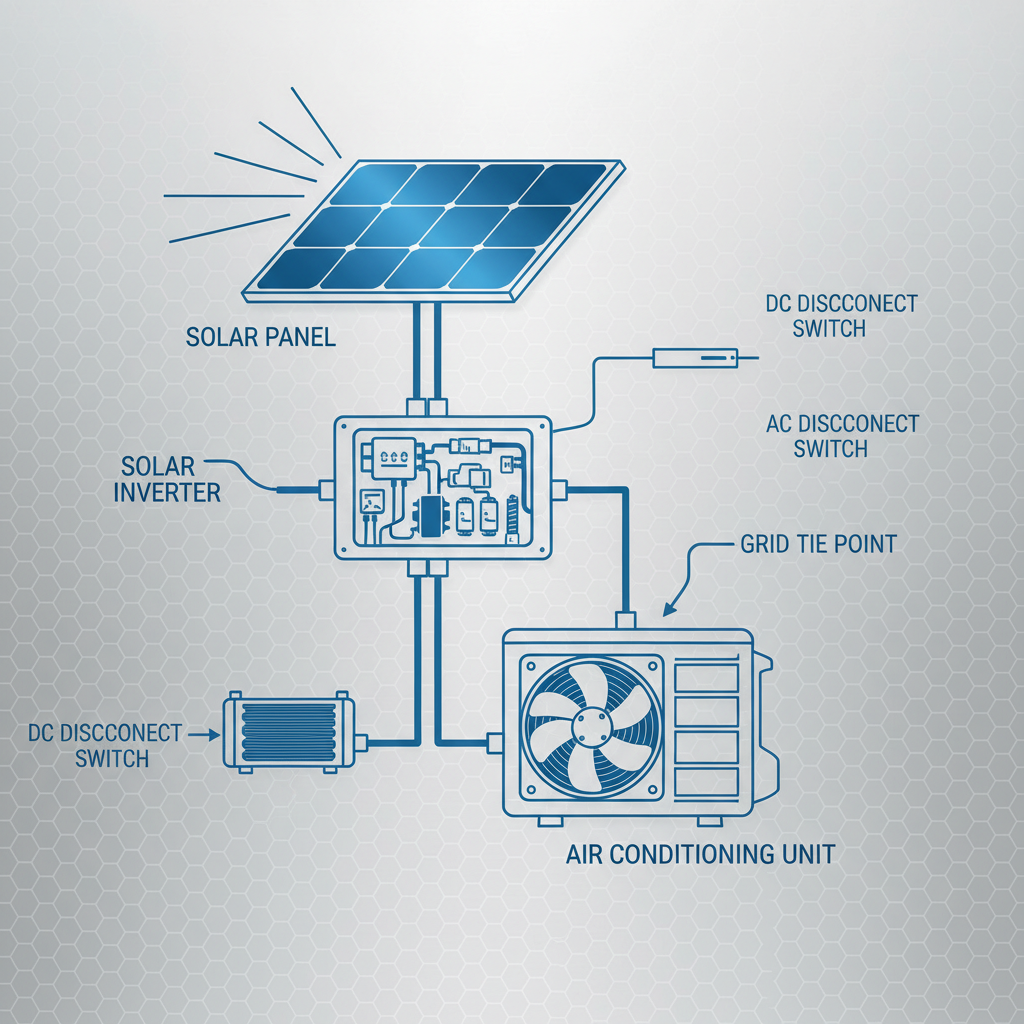
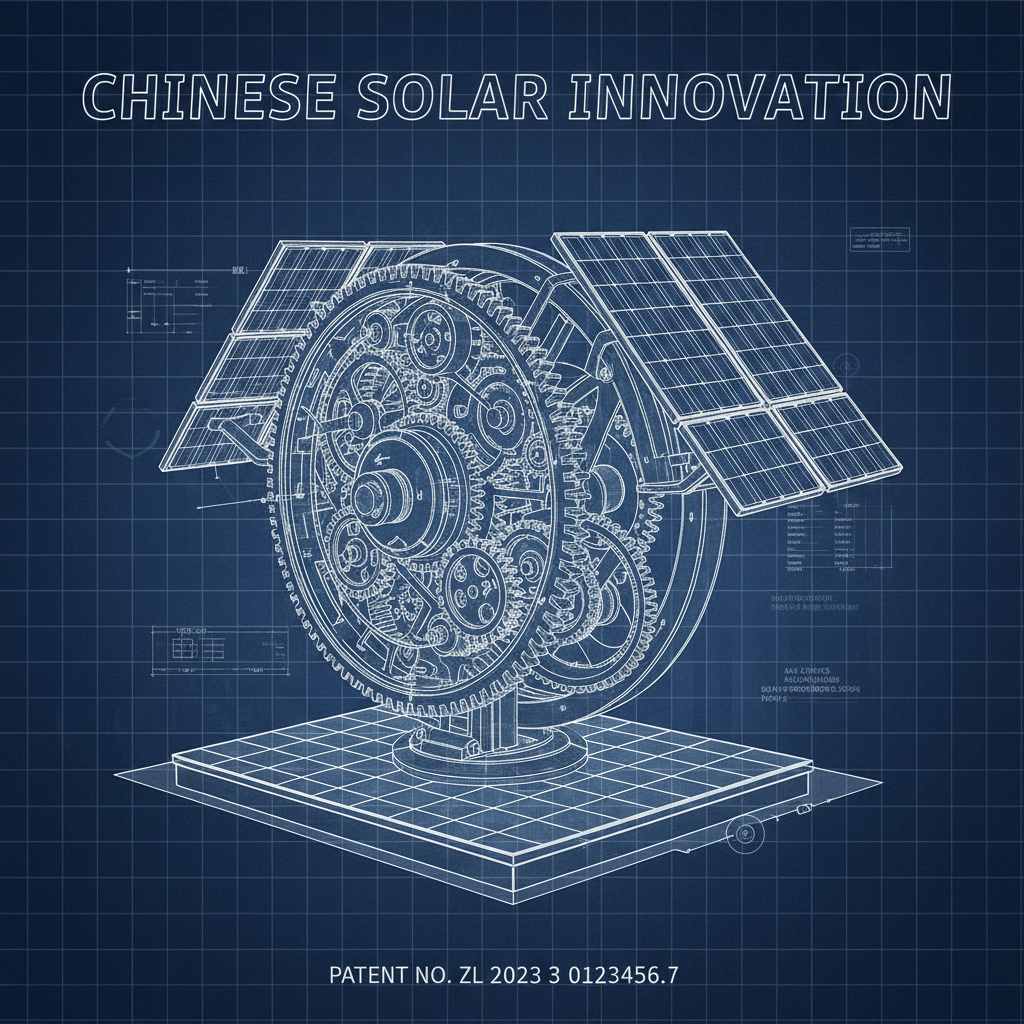
Solar panel companies are at the forefront of a global energy revolution, driving the transition towards sustainable power sources. These companies encompass a wide range of activities, from manufacturing and installation to maintenance and research & development, all centered around harnessing the sun’s energy. The growing demand for cleaner energy solutions, coupled with decreasing costs of solar technology, has propelled the industry into a period of rapid expansion and innovation, making solar panel companies critical players in combating climate change.
The relevance of solar panel companies extends far beyond environmental concerns. They contribute significantly to economic growth by creating jobs, stimulating investment, and reducing dependence on fossil fuels. Furthermore, access to affordable and reliable solar energy empowers communities, particularly in remote areas lacking traditional grid infrastructure. The increasing efficiency and affordability of solar technologies offered by these companies are making decentralized energy solutions a reality for millions worldwide.
Understanding the landscape of solar panel companies – their technologies, business models, and impacts – is crucial for investors, policymakers, and consumers alike. The sector is rapidly evolving, with new innovations constantly emerging. A comprehensive knowledge of the industry is essential for making informed decisions and accelerating the global adoption of sustainable energy.
The Global Relevance of solar panel companies
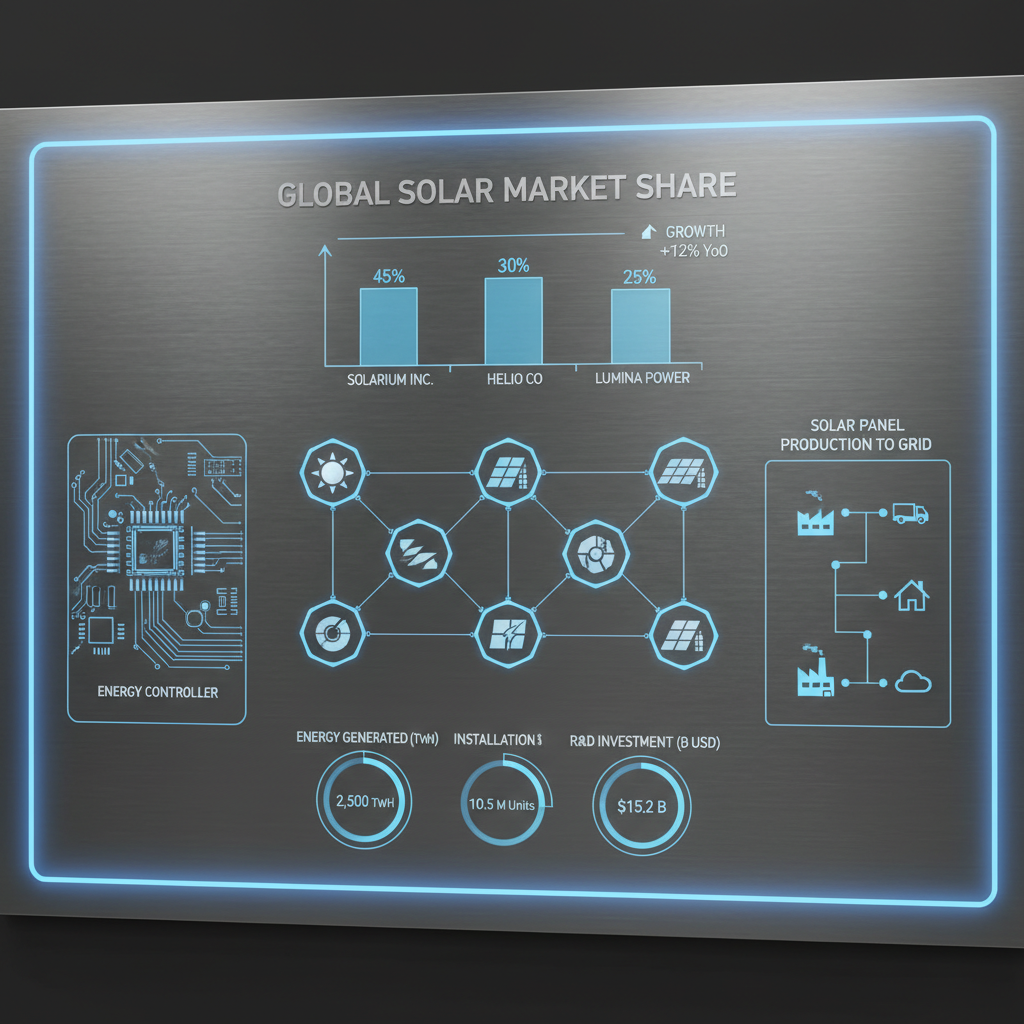
The global solar energy market is experiencing unprecedented growth, driven by concerns about climate change, energy security, and decreasing costs. According to the International Renewable Energy Agency (IRENA), renewable energy accounted for 83% of all new power capacity added globally in 2022, with solar leading the charge. This surge in demand has spurred a corresponding expansion in the number and capabilities of solar panel companies worldwide. The United Nations Sustainable Development Goal 7 – Affordable and Clean Energy – directly relies on the innovation and deployment efforts of these companies.
However, challenges remain. Uneven distribution of solar resources, intermittency issues, and the need for robust energy storage solutions present hurdles that solar panel companies are actively addressing through research and development. Furthermore, ensuring responsible sourcing of materials and promoting sustainable manufacturing practices are crucial for maintaining the long-term viability of the industry. Competition among these companies is fierce, leading to continuous improvement in efficiency and affordability.
Defining Solar Panel Companies
Solar panel companies are businesses involved in any stage of the photovoltaic (PV) value chain – from the manufacturing of silicon wafers and solar cells to the assembly of solar panels, system design, installation, and ongoing maintenance. These companies range in size from multinational corporations with global operations to smaller, regional installers catering to local markets. Some companies specialize in specific areas, such as research and development of new solar technologies, while others offer comprehensive solutions covering the entire project lifecycle.
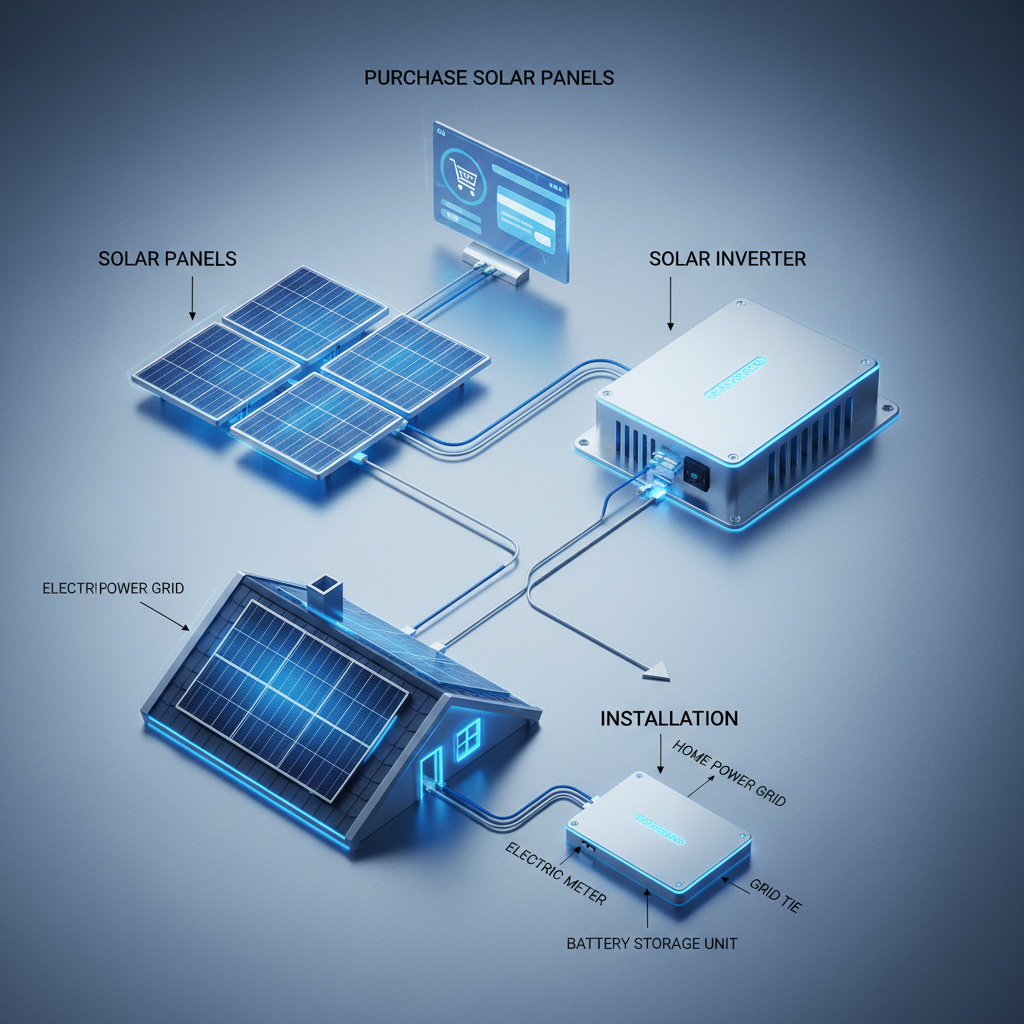
A key distinction exists between solar panel manufacturers and solar installers. Manufacturers focus on producing the physical solar panels themselves, while installers are responsible for integrating these panels into functional solar energy systems for homes, businesses, and utility-scale projects. Often, these functions are integrated within larger solar panel companies offering end-to-end solutions.
The role these companies play extends beyond simply providing electricity. They are increasingly involved in developing smart grid technologies, energy storage solutions (like batteries), and innovative financing models to make solar energy more accessible to a wider range of customers, helping realize the dream of energy independence and a sustainable future.
Key Characteristics of Leading solar panel companies
Leading solar panel companies typically possess several defining characteristics. First and foremost is a commitment to innovation, continuously investing in research and development to improve panel efficiency, durability, and cost-effectiveness. They actively seek out new materials and manufacturing processes to reduce their environmental footprint and enhance performance. These companies are also often characterized by a strong focus on quality control, ensuring their products meet rigorous industry standards and provide reliable long-term operation.
Another key trait is a robust supply chain management system. The production of solar panels relies on a complex network of suppliers, and successful companies effectively manage these relationships to ensure a consistent flow of high-quality materials at competitive prices. They also prioritize ethical sourcing and responsible environmental practices throughout their supply chain. Furthermore, financial stability and a clear long-term vision are crucial for sustained success in this rapidly evolving industry.
Finally, excellent customer service and a strong reputation for reliability are paramount. Positive word-of-mouth and customer referrals are essential for building trust and securing future business. Leading solar panel companies understand the importance of providing comprehensive support throughout the entire customer journey, from initial consultation to post-installation maintenance.
Core Components & Technological Advancements
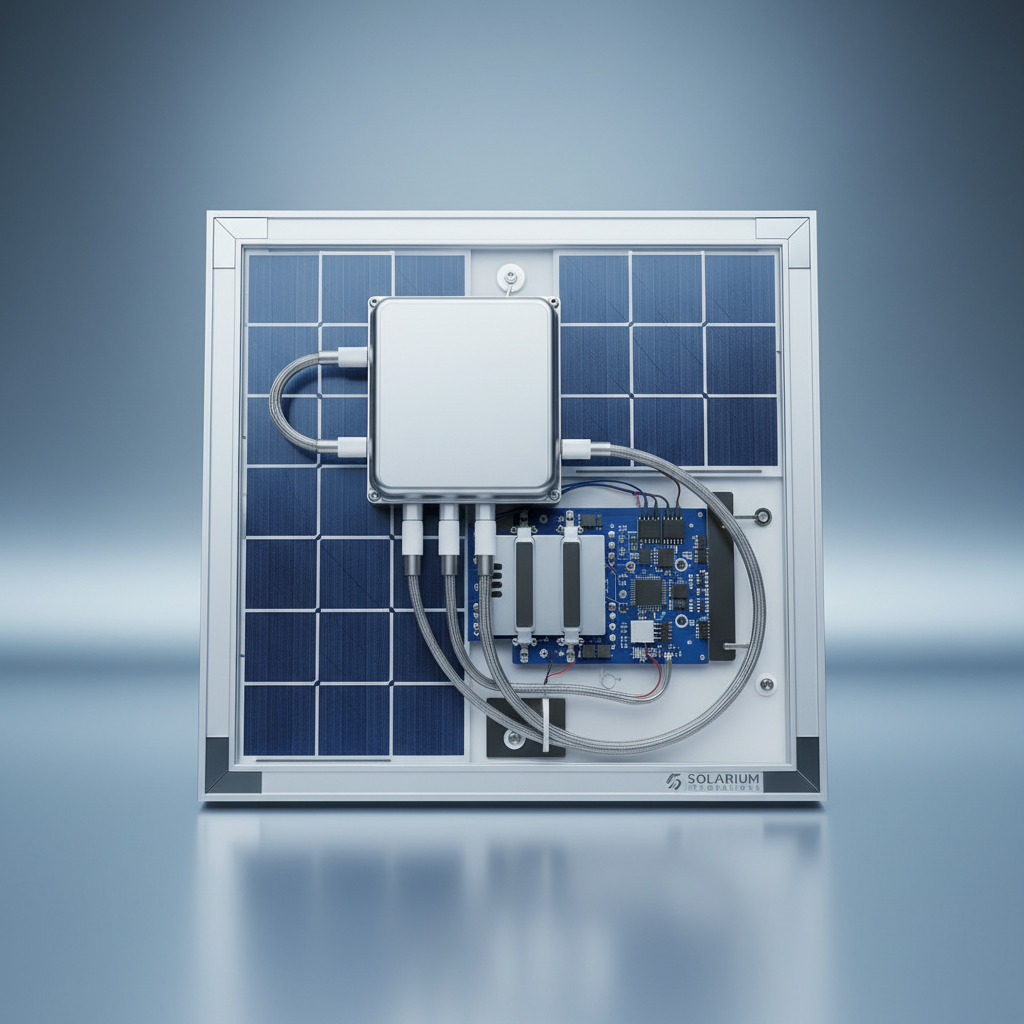
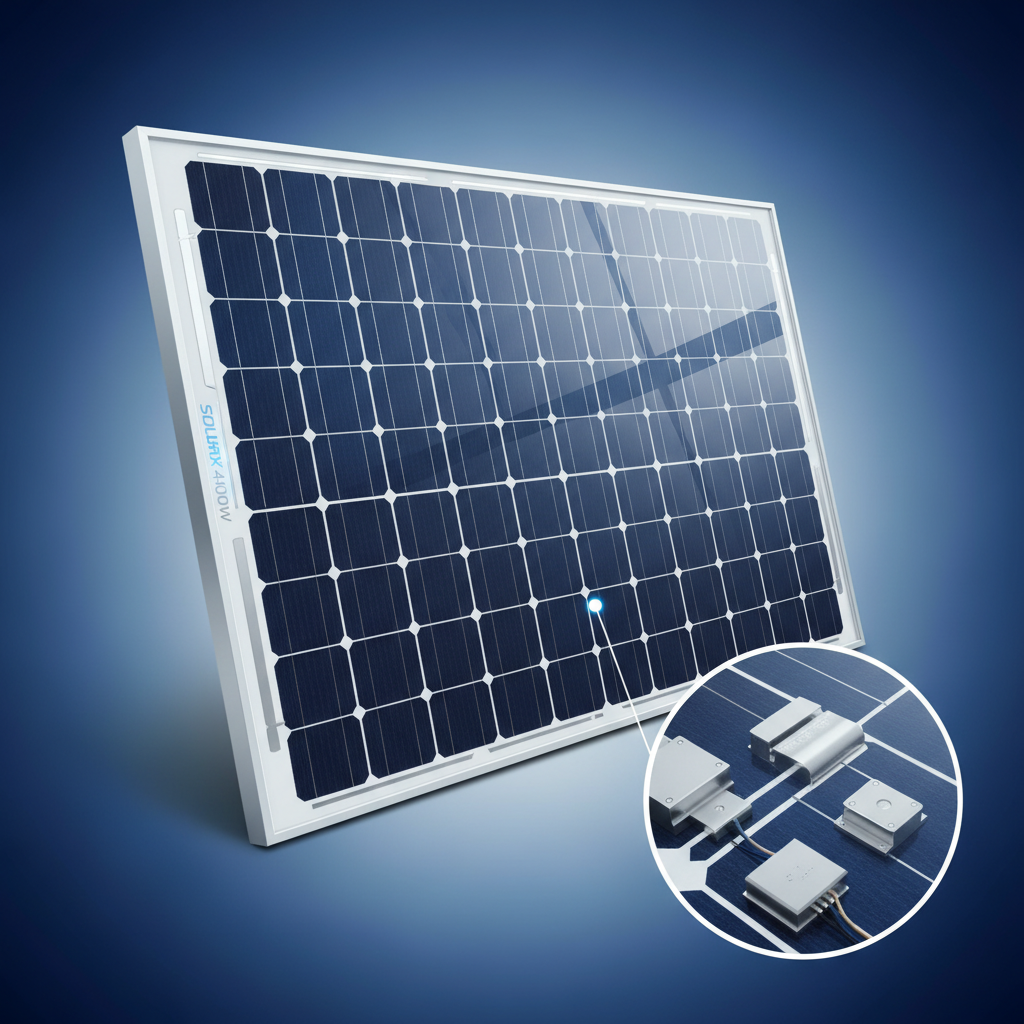
The performance of solar panels, and by extension, the success of solar panel companies, hinges on several core components and ongoing technological advancements. The primary component is the photovoltaic (PV) cell, which converts sunlight directly into electricity. Different types of PV cells exist, including monocrystalline, polycrystalline, and thin-film technologies, each with its own advantages and disadvantages regarding efficiency, cost, and durability.
Recent innovations focus on enhancing the efficiency of these cells. PERC (Passivated Emitter and Rear Cell) technology, for example, increases efficiency by reducing electron recombination, while bifacial panels capture sunlight from both sides, boosting energy output. Other advancements include the development of heterojunction technology (HJT) and tandem solar cells, which promise even higher efficiencies.
Solar Panel Company Technological Advancement Ratings
Global Applications and Industry Impact
The applications of solar panel companies' products are remarkably diverse, ranging from residential rooftop installations to large-scale solar farms supplying power to entire cities. In post-disaster relief operations, portable solar generators provide critical power for communication, medical equipment, and basic necessities. Similarly, in remote industrial zones lacking grid access, solar energy offers a reliable and cost-effective alternative to diesel generators.
Developing countries, particularly those with abundant sunshine, are witnessing significant growth in solar energy adoption, driven by the need for affordable and sustainable electricity. Solar panel companies are actively expanding their presence in these markets, providing not only technology but also job training and economic opportunities. The agricultural sector is also benefiting from solar-powered irrigation systems and greenhouses, improving crop yields and reducing reliance on fossil fuels.
Advantages & Long-Term Value Proposition
The advantages of utilizing solar energy, as provided by solar panel companies, are multi-faceted. Economically, solar power reduces electricity bills and protects against fluctuating fossil fuel prices. Environmentally, it drastically reduces carbon emissions, contributing to a cleaner and more sustainable future. Socially, it empowers communities with access to reliable and affordable energy. Solar panel companies are offering long-term value by helping to reduce reliance on environmentally damaging fossil fuels.
Furthermore, solar energy enhances energy independence, reducing reliance on centralized power grids and geopolitical instability. The long lifespan of solar panels (typically 25-30 years) provides a secure and predictable return on investment. These factors combine to create a compelling value proposition for consumers, businesses, and governments alike, fostering trust and innovation within the solar industry.
Future Trends & Innovation in solar panel companies
The future of solar panel companies is characterized by continuous innovation. Perovskite solar cells, with their potential for higher efficiency and lower manufacturing costs, are a promising area of research. The integration of artificial intelligence (AI) and machine learning (ML) is optimizing solar farm operations, predicting energy output, and improving grid management. Digital transformation is streamlining processes, from sales and installation to monitoring and maintenance.
Furthermore, the development of advanced energy storage solutions, such as solid-state batteries and flow batteries, will address the intermittency challenge of solar energy, enabling 24/7 power availability. Smart grids, utilizing blockchain technology, will enhance energy trading and distribution, creating a more decentralized and resilient energy system. Sustainability is becoming increasingly central, with companies focusing on circular economy principles and responsible sourcing of materials.
Finally, governmental policies and incentives, such as tax credits and feed-in tariffs, will continue to play a crucial role in accelerating the adoption of solar energy and fostering growth within solar panel companies.
Challenges & Solutions
Despite the immense progress, solar panel companies face ongoing challenges. The upfront cost of installation can still be a barrier for some consumers, requiring innovative financing models and government subsidies. Intermittency – the fluctuating nature of solar energy – necessitates robust energy storage solutions and grid integration strategies. Supply chain vulnerabilities and geopolitical risks can disrupt the flow of critical materials.
Solutions include the development of more affordable and efficient solar technologies, the deployment of large-scale energy storage systems, and diversification of supply chains. Investing in research and development, fostering international collaboration, and implementing supportive policies are essential for overcoming these hurdles. Furthermore, promoting energy efficiency and demand-side management can reduce overall energy consumption and enhance the effectiveness of solar energy.
Overview of Critical Analysis Areas for Solar Panel Companies
| Technological Innovation Score |
Market Share & Growth |
Sustainability Practices |
Customer Satisfaction Index |
| 8.5 |
12% (Growing) |
9/10 |
4.7/5 |
| 7.8 |
8% (Stable) |
7/10 |
4.2/5 |
| 9.2 |
15% (Rapid Growth) |
9.5/10 |
4.9/5 |
| 6.5 |
5% (Declining) |
6/10 |
3.8/5 |
| 8.0 |
10% (Moderate Growth) |
8/10 |
4.5/5 |
| 7.2 |
7% (Slow Growth) |
7.5/10 |
4.0/5 |
FAQS
Most modern solar panels, especially those sourced from leading solar panel companies, come with a 25-30 year performance warranty, guaranteeing at least 80-85% of their original power output. While panels can continue to generate electricity beyond this period, their efficiency will gradually decline. Proper maintenance and occasional cleaning can help maximize their lifespan and performance. The durability also depends on the quality of installation and the environmental conditions.
Several factors impact the cost of a solar system, including the size of the system (kW), the type of panels used (monocrystalline, polycrystalline, thin-film), the complexity of the installation, and any additional components like battery storage. Location also plays a role, as labor costs and permitting fees vary. Different solar panel companies offer diverse financing options, which can significantly impact the overall cost, including leasing, power purchase agreements (PPAs), and loans.
Warranty coverage and customer support vary considerably between solar panel companies. Reputable companies offer comprehensive warranties covering both the panels themselves and the installation workmanship. Excellent customer support includes readily available technical assistance, prompt response times to inquiries, and a streamlined claims process. It’s important to thoroughly review the warranty terms and customer reviews before selecting a provider.
Monocrystalline panels are made from a single crystal of silicon, resulting in higher efficiency and a sleek, uniform appearance. They are typically more expensive than polycrystalline panels. Polycrystalline panels are made from multiple silicon fragments, making them less efficient but also more affordable. The choice between the two depends on space constraints, budget, and desired energy output. Many solar panel companies offer both options.
Researching different solar panel companies and obtaining multiple quotes is crucial. Consider factors like company reputation, warranty coverage, customer reviews, and the type of technology offered. Check for local incentives and rebates. Also, assess your energy consumption patterns and roof orientation to determine the optimal system size and configuration. Local companies often have a better understanding of regional regulations and permitting processes.
Energy storage, typically in the form of batteries, allows you to store excess solar energy generated during the day for use at night or during power outages. This increases energy independence and reduces reliance on the grid. Solar panel companies often offer integrated battery storage solutions. Battery systems can also enable participation in grid services programs, allowing you to sell excess energy back to the utility. The cost of batteries has been declining rapidly, making them an increasingly attractive option.
Conclusion
In conclusion, solar panel companies are driving a pivotal transformation in the global energy landscape, offering sustainable, affordable, and reliable power solutions. Their innovation in technology, coupled with supportive policies and decreasing costs, is making solar energy increasingly accessible to communities and industries worldwide. The long-term benefits – from reduced carbon emissions to enhanced energy independence – are undeniable.
Looking ahead, continued investment in research and development, along with streamlined regulations and improved grid infrastructure, will be crucial for unlocking the full potential of solar energy. Choosing a reputable solar panel company is an investment in a sustainable future. Visit our website today to learn more and explore how we can help you harness the power of the sun!