The world is increasingly focused on sustainable energy sources, and a solar power system is at the forefront of this transition. As concerns over climate change and fossil fuel depletion intensify, the demand for clean, renewable energy solutions is surging globally. Understanding solar power systems – how they function, their benefits, and their potential – is now more crucial than ever.
The deployment of solar power systems is no longer limited to large-scale utility projects. Advancements in technology and falling costs have made solar accessible to homes, businesses, and communities worldwide. This accessibility is driving a paradigm shift in energy production and consumption, empowering individuals and organizations to take control of their energy needs and reduce their carbon footprint.
Investing in knowledge about solar power systems is vital for professionals in the energy sector, policymakers, and anyone interested in a sustainable future. It’s a rapidly evolving field with exciting innovations happening constantly. The potential for economic growth, environmental protection, and energy independence makes understanding solar power a compelling pursuit.
The Global Rise of Solar Power System
The growth of solar power systems is fueled by a confluence of factors, including declining costs, increasing efficiency, and supportive government policies. Globally, solar capacity has experienced exponential growth in the past decade. According to the International Renewable Energy Agency (IRENA), global installed solar PV capacity reached over 1 terawatt in 2022, demonstrating a remarkable expansion.
This expansion isn’t just about megawatts; it's about shifting energy paradigms. Countries are setting ambitious renewable energy targets, and solar is playing a pivotal role in meeting those goals. The United Nations Sustainable Development Goal 7 – affordable and clean energy – is increasingly reliant on the wide-scale adoption of solar power systems. The affordability of solar continues to improve, making it a viable alternative in many regions.
Defining a Solar Power System
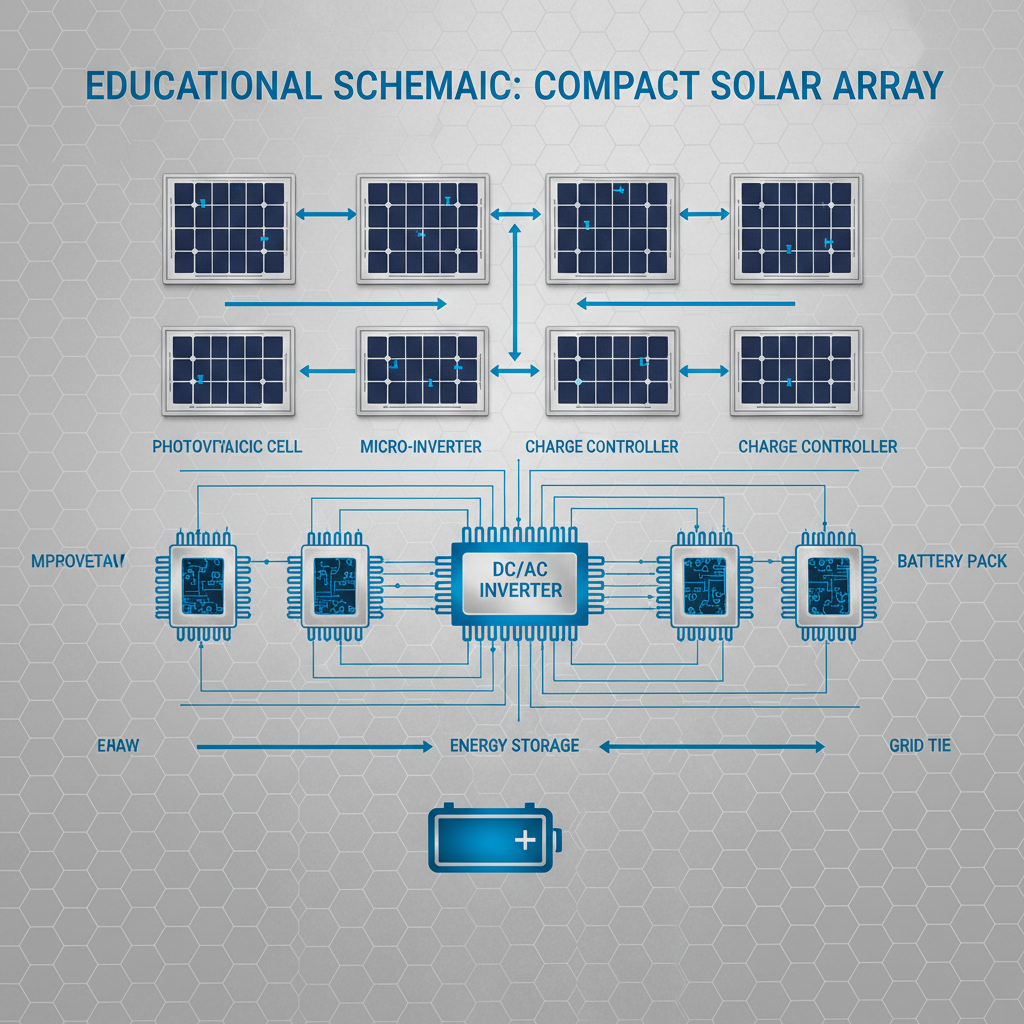
A solar power system is essentially a collection of components designed to convert sunlight into usable electricity. The core of the system is the photovoltaic (PV) cell, which generates direct current (DC) electricity when exposed to light. These cells are assembled into modules, or solar panels, which are then connected to form an array.
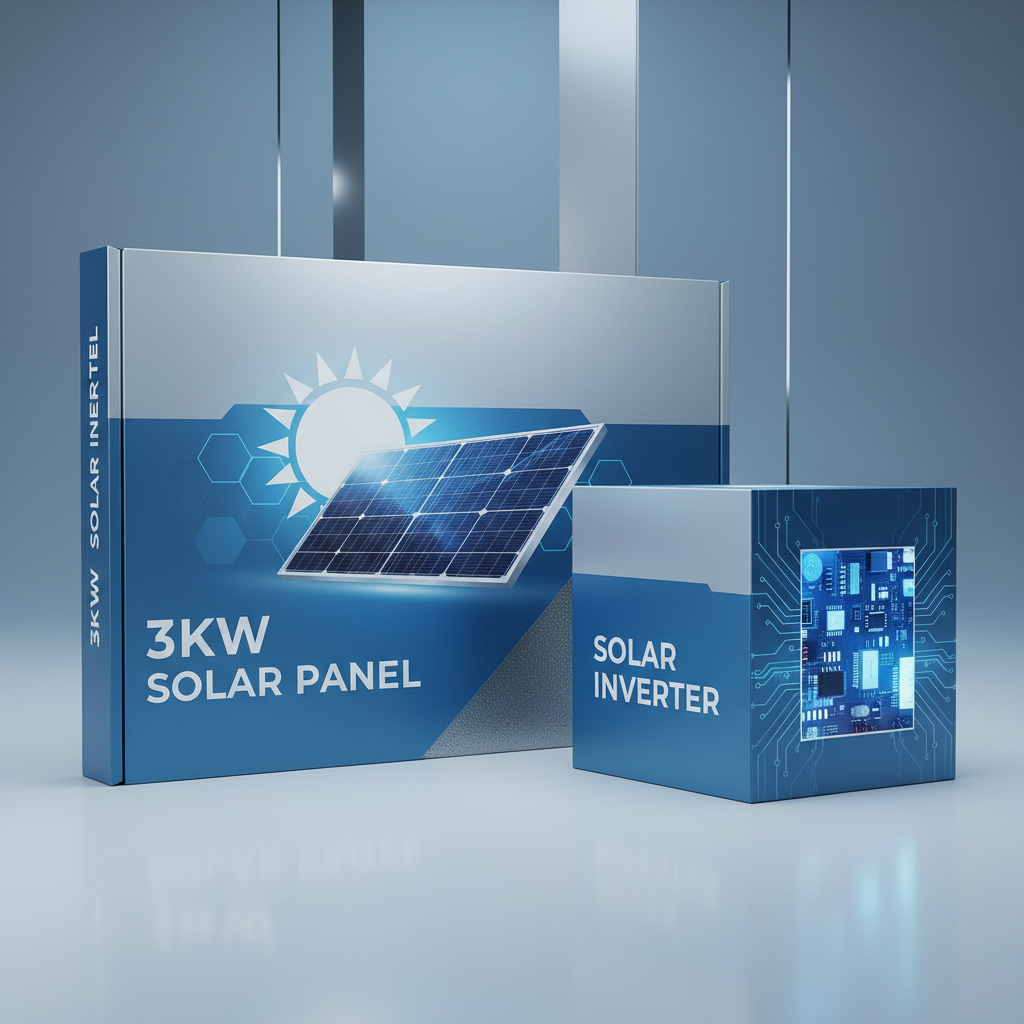
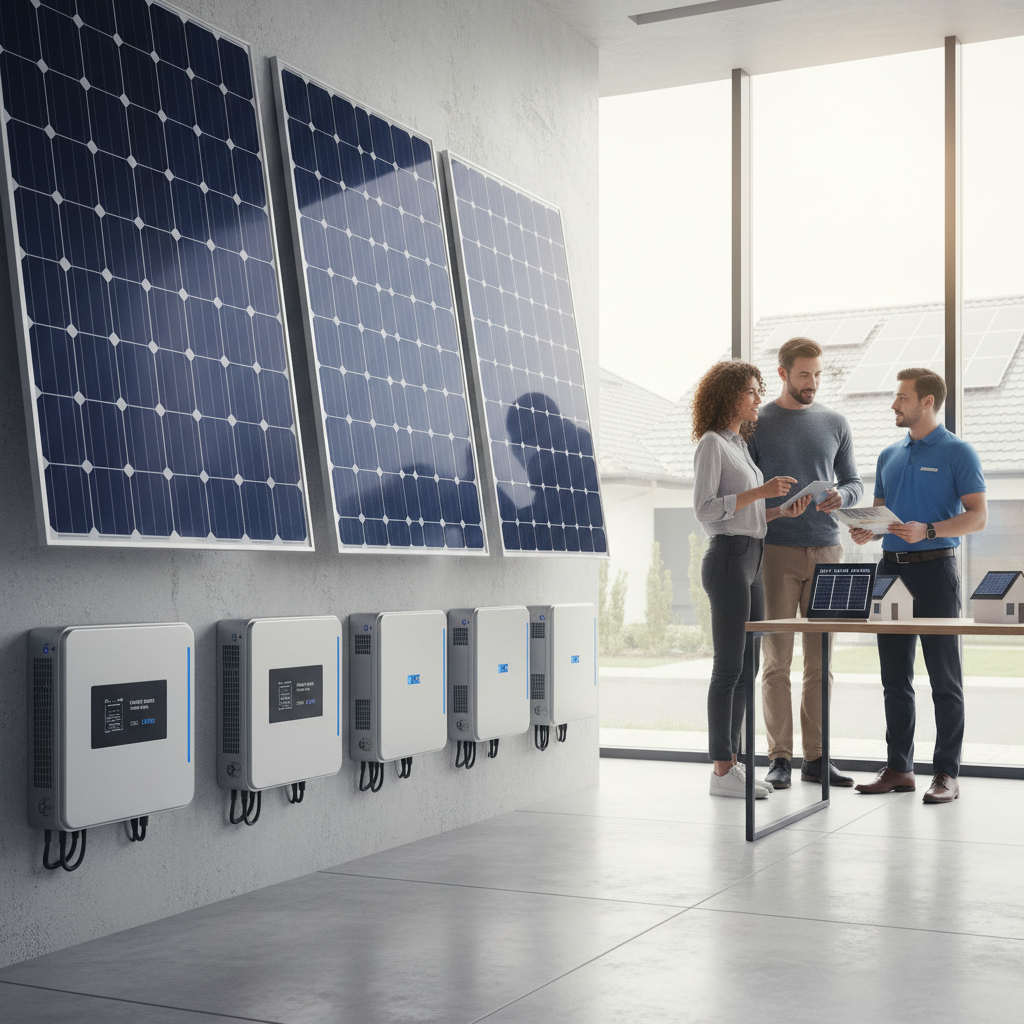
Beyond the panels themselves, a complete solar power system includes an inverter, which converts DC electricity into alternating current (AC) electricity – the type used by most homes and businesses. Other essential components include mounting structures, wiring, and often, energy storage solutions like batteries.
The connection to modern industry and humanitarian needs is profound. From powering remote villages and disaster relief efforts to fueling industrial facilities and reducing carbon emissions, solar power systems address critical challenges and contribute to a more sustainable future.
Key Components and Factors
Efficiency: The efficiency of a solar power system, measured as the percentage of sunlight converted into electricity, is a crucial factor. Higher efficiency means more power generated from the same surface area. Advancements in PV cell technology, such as PERC and TOPCon cells, are driving efficiency gains.
Durability: Solar panels are designed to withstand harsh weather conditions for decades. Their long-term performance is impacted by factors like temperature fluctuations, UV exposure, and physical stress. High-quality components and robust construction are essential for ensuring durability.
Scalability: Solar power systems are incredibly scalable, ranging from small residential installations to massive utility-scale solar farms. This flexibility makes them suitable for a wide variety of applications and energy needs.
Cost Efficiency: The levelized cost of electricity (LCOE) for solar has plummeted in recent years, making it competitive with traditional energy sources. Economies of scale, technological advancements, and government incentives contribute to its cost-effectiveness.
Maintenance: Compared to other energy sources, solar power systems require relatively little maintenance. Regular cleaning and periodic inspections are typically sufficient to ensure optimal performance.
Environmental Impact: Solar power significantly reduces reliance on fossil fuels, lowering greenhouse gas emissions and minimizing environmental pollution.
Global Applications & Use Cases
Solar power systems are being deployed across a vast range of applications. In residential settings, rooftop solar panels are becoming increasingly common, allowing homeowners to generate their own electricity and reduce their energy bills. Commercial and industrial facilities are also adopting solar to lower operating costs and demonstrate environmental responsibility.
In remote and off-grid areas, solar provides a vital source of electricity for communities lacking access to traditional power grids. In post-disaster relief operations, portable solar power systems provide critical power for communication, medical equipment, and basic necessities.
Large-scale solar farms are being built in sun-rich regions around the world, contributing significantly to national energy production. From California and Australia to Chile and India, solar is playing an increasingly important role in the global energy mix. In remote industrial zones, solar provides a reliable and cost-effective power source, enabling economic development and reducing reliance on expensive diesel generators.
Comparative Efficiency of Solar Power System Methods
Advantages and Long-Term Value
The advantages of solar power systems are numerous and far-reaching. From a financial perspective, solar can significantly reduce or eliminate electricity bills, offering long-term cost savings. Government incentives and tax credits can further enhance the economic benefits.
Environmentally, solar is a clean, renewable energy source that reduces carbon emissions and helps combat climate change. The sustainability aspect is crucial for preserving the planet for future generations. The reliable nature of solar power systems also provides energy security and independence.
Future Trends and Innovations
The future of solar power systems is bright, with ongoing innovations constantly improving efficiency and reducing costs. Perovskite solar cells, for example, offer the potential for significantly higher efficiencies compared to traditional silicon-based cells.
Advancements in energy storage technologies, such as lithium-ion batteries and flow batteries, are enabling greater grid stability and allowing for the storage of excess solar energy for use during peak demand or periods of low sunlight. The integration of digital technologies, like artificial intelligence and machine learning, is optimizing solar power systems performance and improving grid management.
Challenges and Potential Solutions
Despite its many advantages, solar power systems face certain challenges. Intermittency – the variability of sunlight – is a primary concern. Energy storage solutions and grid modernization are essential for addressing this challenge.
The environmental impact of manufacturing solar panels, including the use of certain materials, is another consideration. Research into sustainable materials and recycling processes is crucial for minimizing the environmental footprint.
Land use requirements for large-scale solar farms can also be a constraint. Utilizing existing infrastructure, such as rooftops and brownfields, can help mitigate this issue. Ongoing research and development, coupled with supportive policies, will continue to drive innovation and overcome these challenges.
Summarizing Core Factors Influencing Solar Power System Deployment
| Investment Cost |
Geographical Suitability |
Regulatory Framework |
Technological Advancement |
| High Initial Expense |
Excellent in Sunny Climates |
Supportive Policies Needed |
Rapidly Improving Efficiency |
| Long-Term ROI |
Moderate in Cloudy Regions |
Incentives Encourage Adoption |
New Materials Emerging |
| Financing Options Available |
Less Effective in Polar Areas |
Net Metering Programs Common |
Storage Solutions Advancing |
| Decreasing Costs over Time |
Adaptable with Tracking Systems |
Permitting Processes Vary |
Smart Grid Integration |
| Tax Credits and Rebates |
Suitable for Diverse Landscapes |
Government Subsidies Available |
AI-Powered Optimization |
| Reduced Energy Dependence |
Effective in Arid Environments |
Renewable Portfolio Standards |
Microgrid Applications |
FAQS
Most modern solar power systems are designed to last for 25-30 years. While the power output may gradually decline over time, the panels themselves are incredibly durable. Warranties typically cover performance for 25 years, guaranteeing a certain level of electricity production. Regular maintenance, such as cleaning, can help maximize the lifespan and efficiency of the system. This longevity makes solar a compelling long-term investment, offering decades of clean energy generation.
The space required for a solar power system depends on your energy needs and the efficiency of the panels. A typical residential system might require between 300 and 600 square feet of roof space. However, this can vary significantly. A professional solar installer will assess your energy consumption and roof space to determine the optimal system size and configuration. Ground-mounted systems require more space, but offer greater flexibility in terms of orientation and tilt.
Solar panel recycling is becoming increasingly important as more panels reach the end of their lifespan. While recycling infrastructure is still developing, significant progress is being made. Many components of solar panels, such as glass, aluminum, and copper, can be readily recycled. Research is also underway to develop more efficient methods for recovering valuable materials like silicon. Responsible disposal and recycling of solar panels are crucial for minimizing environmental impact.
Yes, it is possible to go completely off-grid with a solar power system, but it requires careful planning and a robust system design. This typically involves incorporating battery storage to provide electricity during periods of low sunlight or at night. The size of the battery bank and the overall system capacity must be sufficient to meet your energy demands year-round. Off-grid systems require more upfront investment but offer complete energy independence.
Solar panel performance is affected by weather conditions, but modern panels are designed to withstand a wide range of temperatures and weather events. Cloudy days reduce the amount of sunlight reaching the panels, resulting in lower electricity production. Snow can temporarily block sunlight, but typically slides off the panels. Extreme temperatures can also affect performance, but most panels are tested and certified to operate reliably in various climates. Regular cleaning can help maintain efficiency in dusty or dirty conditions.
Yes, many governments offer incentives to encourage the adoption of solar power systems. These incentives can include tax credits, rebates, grants, and net metering programs. The Federal Investment Tax Credit (ITC) in the United States, for example, provides a significant tax credit for solar installations. State and local incentives vary, so it's important to research the specific programs available in your area. These incentives can substantially reduce the overall cost of a solar system.
Conclusion
In conclusion, solar power systems represent a transformative solution to the world's growing energy challenges. From their environmental benefits and long-term cost savings to their scalability and versatility, solar offers a compelling pathway to a sustainable future. The continuous advancements in technology and supportive policies are driving wider adoption and unlocking new opportunities for innovation.
Embracing solar is not just an environmental imperative; it's an economic opportunity and a step towards energy independence. We encourage you to explore the potential of solar power systems for your home, business, or community. Visit our website at www.benjiusolar.com to learn more and discuss your specific energy needs.