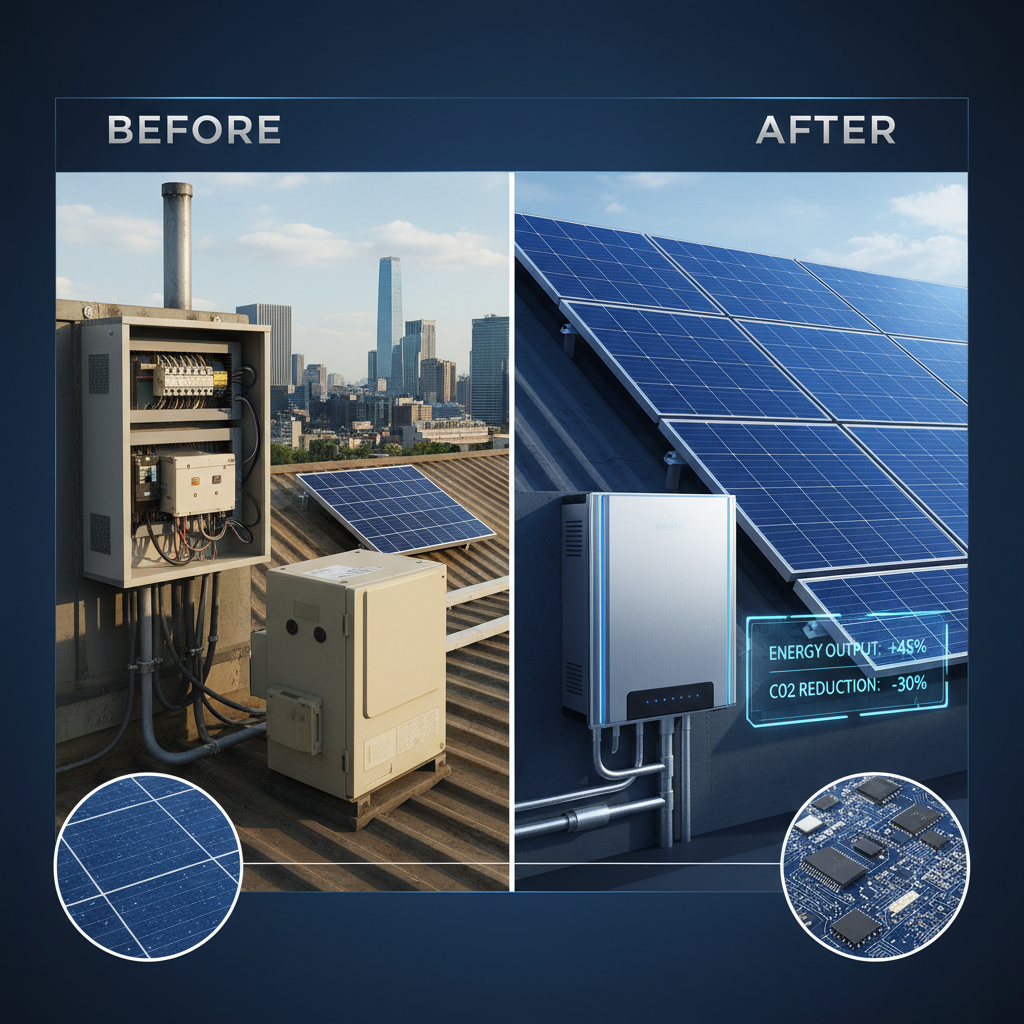
The global demand for sustainable energy solutions is rapidly increasing, making the role of a solar panel manufacturer more critical than ever. As concerns about climate change and energy independence grow, solar energy has emerged as a viable and increasingly cost-effective alternative to traditional fossil fuels. This necessitates robust and innovative manufacturing capabilities to meet the surging demand and drive down costs, fostering wider adoption of this clean energy source.
The solar panel manufacturing industry is a complex ecosystem, encompassing material science, engineering, and automated production processes. A successful solar panel manufacturer must prioritize efficiency, quality control, and technological advancement to remain competitive in a rapidly evolving market. Furthermore, ethical sourcing of materials and responsible manufacturing practices are becoming increasingly important considerations for consumers and investors alike.
Understanding the intricacies of solar panel manufacturing – from silicon purification to module assembly and quality testing – is essential for anyone involved in the renewable energy sector, including installers, policymakers, and consumers. This knowledge empowers informed decision-making and accelerates the transition towards a sustainable energy future powered by reliable and efficient solar technologies produced by leading solar panel manufacturers.
The Importance of Solar Panel Manufacturing
A capable solar panel manufacturer isn’t just producing components; it's contributing to global sustainability efforts and energy independence. The ability to manufacture high-quality, efficient solar panels at scale directly impacts the affordability and accessibility of clean energy for communities and industries worldwide. Investing in advanced manufacturing technologies and skilled labor is crucial for driving down costs and maximizing the benefits of solar power.
Furthermore, responsible manufacturing practices—including material sourcing, waste reduction, and ethical labor standards—are paramount. Consumers and investors are increasingly demanding transparency and accountability from solar panel manufacturers, rewarding those who prioritize sustainability and social responsibility alongside economic viability.
Defining Solar Panel Manufacturing
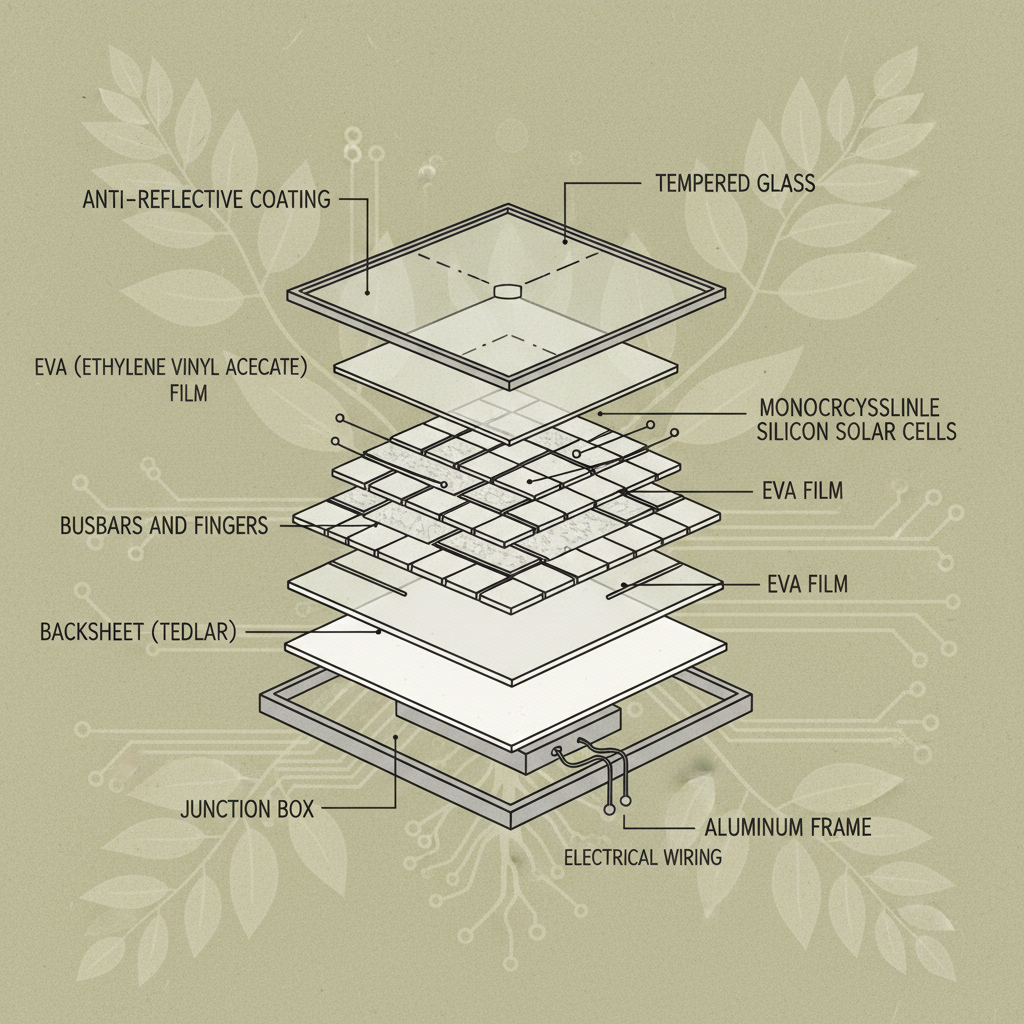
Solar panel manufacturing is the process of transforming raw materials, primarily silicon, into photovoltaic (PV) modules capable of converting sunlight into electricity. This involves a series of intricate steps, including silicon purification, wafer production, cell fabrication, module assembly, and rigorous quality control testing. The entire process demands precision engineering, advanced materials science, and sophisticated automated systems.
A key distinction exists between different types of solar panel manufacturing, notably monocrystalline, polycrystalline, and thin-film. Each approach utilizes varying manufacturing techniques and materials, resulting in panels with distinct performance characteristics and cost profiles. The choice of manufacturing process significantly impacts the efficiency, durability, and overall lifespan of the final product.
The success of any solar panel manufacturer rests on optimizing these processes and maintaining consistent quality control, ensuring the delivery of reliable and high-performing solar modules to meet the demands of a rapidly growing global market.
Key Components of Effective Manufacturing
Durability is a cornerstone of effective solar panel manufacturing. Panels must withstand harsh environmental conditions – including extreme temperatures, humidity, wind, and hail – for decades to deliver a reliable return on investment. This requires robust materials, meticulous construction, and rigorous testing to ensure long-term performance and resistance to degradation.
Scalability is critical for solar panel manufacturers seeking to meet growing demand. The ability to rapidly increase production capacity without sacrificing quality or efficiency is essential for capitalizing on market opportunities and achieving economies of scale. This necessitates investing in flexible manufacturing infrastructure and streamlining production processes.
Cost efficiency is paramount in a competitive market. Manufacturers must continually strive to reduce production costs through process optimization, material innovation, and efficient supply chain management. This ensures that solar energy remains an affordable and accessible option for consumers and businesses alike.
Performance Metrics in Solar Panel Manufacturing
Evaluating the performance of a solar panel manufacturer requires careful consideration of several key metrics. Efficiency, measured as the percentage of sunlight converted into electricity, is a primary indicator of panel quality. Higher efficiency translates to more power generation per square foot.
Degradation rate, indicating the annual percentage decline in power output, is another critical factor. Lower degradation rates ensure longer-lasting performance and a better return on investment. Reliability, assessed through rigorous testing standards and warranty provisions, provides confidence in the long-term durability of the panels.
Solar Panel Manufacturing Quality Metrics
Global Applications & Industry Impact
Solar panel manufacturers are playing a critical role in powering a global transition towards clean energy. From large-scale solar farms providing electricity to entire cities, to rooftop installations empowering individual homeowners, solar technology is transforming the energy landscape. The benefits extend to diverse sectors, including agriculture, transportation, and telecommunications.
In remote and off-grid communities, solar panels provide a vital source of electricity, enabling access to education, healthcare, and economic opportunities. In post-disaster relief operations, portable solar power systems offer immediate and reliable energy for emergency responders and affected populations. The applications are boundless and continually expanding as technology advances.
Long-Term Benefits and Value Proposition
The long-term benefits of investing in solar energy, supported by reputable solar panel manufacturers, are substantial. Reduced electricity bills provide significant cost savings over the lifespan of the system. Decreased reliance on fossil fuels mitigates environmental impact and contributes to a cleaner, healthier planet.
Solar energy also offers energy independence, protecting against fluctuating fuel prices and geopolitical instability. The increasing affordability and accessibility of solar technology, coupled with government incentives, make it an increasingly attractive investment for both individuals and businesses. Choosing a reliable manufacturer ensures a lasting return and peace of mind.
Beyond the financial and environmental advantages, solar power promotes social equity by providing access to clean, affordable energy for underserved communities and fostering sustainable economic development.
Future Trends and Innovations in Manufacturing
The future of solar panel manufacturing is focused on continuous innovation and technological advancements. Perovskite solar cells, offering potentially higher efficiencies and lower production costs, are a promising area of research. Bifacial solar panels, capable of generating electricity from both sides, are gaining traction.
Automation and artificial intelligence (AI) are being integrated into manufacturing processes to enhance efficiency, improve quality control, and reduce costs. Digital transformation, leveraging data analytics and machine learning, is enabling manufacturers to optimize production and predict maintenance needs.
Furthermore, the development of sustainable and recyclable materials is becoming increasingly important, contributing to a circular economy and minimizing environmental impact. Leading solar panel manufacturers are actively investing in these technologies to shape the future of renewable energy.
Summary of Future Trends in Solar Panel Manufacturing
| Trend Category |
Description |
Impact on Manufacturing |
Timeline |
| Perovskite Cells |
Next-generation solar cell technology with high potential efficiency. |
Requires new manufacturing processes and materials. |
5-10 years |
| Bifacial Panels |
Panels that generate electricity from both sides. |
Requires modified module assembly processes. |
Currently being adopted |
| Automation & AI |
Implementation of robotics and AI for increased efficiency. |
Requires investment in automated equipment and AI software. |
Ongoing |
| Digital Transformation |
Utilizing data analytics and machine learning for process optimization. |
Requires data collection infrastructure and analytics expertise. |
3-5 years |
| Sustainable Materials |
Developing and utilizing recyclable and eco-friendly materials. |
Requires research and development of new materials and processes. |
5+ years |
| Advanced Quality Control |
Implementation of sophisticated testing and inspection techniques. |
Requires investment in specialized testing equipment. |
Ongoing |
FAQS
A leading solar panel manufacturer prioritizes several key factors: consistently high efficiency ratings, low degradation rates, robust warranty provisions, stringent quality control measures, and a commitment to sustainable manufacturing practices. Furthermore, a strong track record of innovation and a reliable supply chain are crucial indicators of a manufacturer's long-term viability and commitment to customer satisfaction.
The sourcing of raw materials, particularly silicon and other rare earth elements, significantly impacts the sustainability of solar panels. Ethical sourcing ensures responsible mining practices, minimizing environmental damage and promoting fair labor conditions. Furthermore, utilizing recycled materials and developing closed-loop manufacturing processes reduces the carbon footprint and promotes a circular economy.
Automation plays a critical role in increasing efficiency, reducing costs, and improving quality control in solar panel manufacturing. Robotic systems automate repetitive tasks, such as wafer handling and cell assembly, minimizing human error and maximizing throughput. AI-powered systems analyze data and optimize processes, leading to further improvements in production efficiency.
Monocrystalline panels generally require a more complex and costly manufacturing process due to the need for single-crystal silicon ingots. Polycrystalline panels, utilizing multi-crystal silicon, have a simpler and less expensive manufacturing process, but typically exhibit slightly lower efficiency. Thin-film technologies involve entirely different manufacturing techniques, often relying on deposition processes rather than silicon wafer fabrication.
Look for manufacturers with certifications such as ISO 9001 (quality management), ISO 14001 (environmental management), and IEC standards (product performance and safety). These certifications demonstrate a commitment to quality, environmental responsibility, and adherence to international standards. UL listings also verify product safety and performance.
A comprehensive warranty from a reputable solar panel manufacturer is a strong indicator of product reliability. A longer warranty period, covering both performance and materials, demonstrates confidence in the long-term durability of the panels. Pay attention to the warranty terms and conditions, including the annual degradation rate and the process for filing a claim.
Conclusion
In conclusion, a high-quality solar panel manufacturer is not just a supplier of components; it’s a vital partner in the global transition to sustainable energy. From prioritizing durability and scalability to embracing innovation and responsible manufacturing practices, these companies are driving down costs, improving performance, and expanding access to clean energy for communities worldwide. The continued development of advanced materials, automated processes, and data-driven optimization will further solidify their role in shaping a cleaner, more sustainable future.
As the demand for solar energy continues to surge, investing in robust and innovative manufacturing capabilities is paramount. By supporting solar panel manufacturers committed to quality, sustainability, and technological advancement, we can accelerate the adoption of clean energy and create a more resilient and equitable energy future for all. Visit our website at www.benjiusolar.com to learn more about our commitment to solar innovation.