Designing a Modern Home Roof Made Out of Solar Panels Guide
The Future of Home Energy: Designing a Roof Made Out of Solar Panels
Imagine a home where the structure itself is the power plant. A roof made out of solar panels is no longer a futuristic concept; it is a sophisticated reality known as Building-Integrated Photovoltaics (BIPV). Unlike traditional solar panels that are bolted onto an existing roof, solar roofs replace the traditional roofing materials entirely with energy-generating cells. This seamless integration offers not only an aesthetic upgrade but also a significant leap in efficiency and structural longevity. In this guide, we will explore why homeowners are switching to integrated solar solutions to achieve true energy independence.
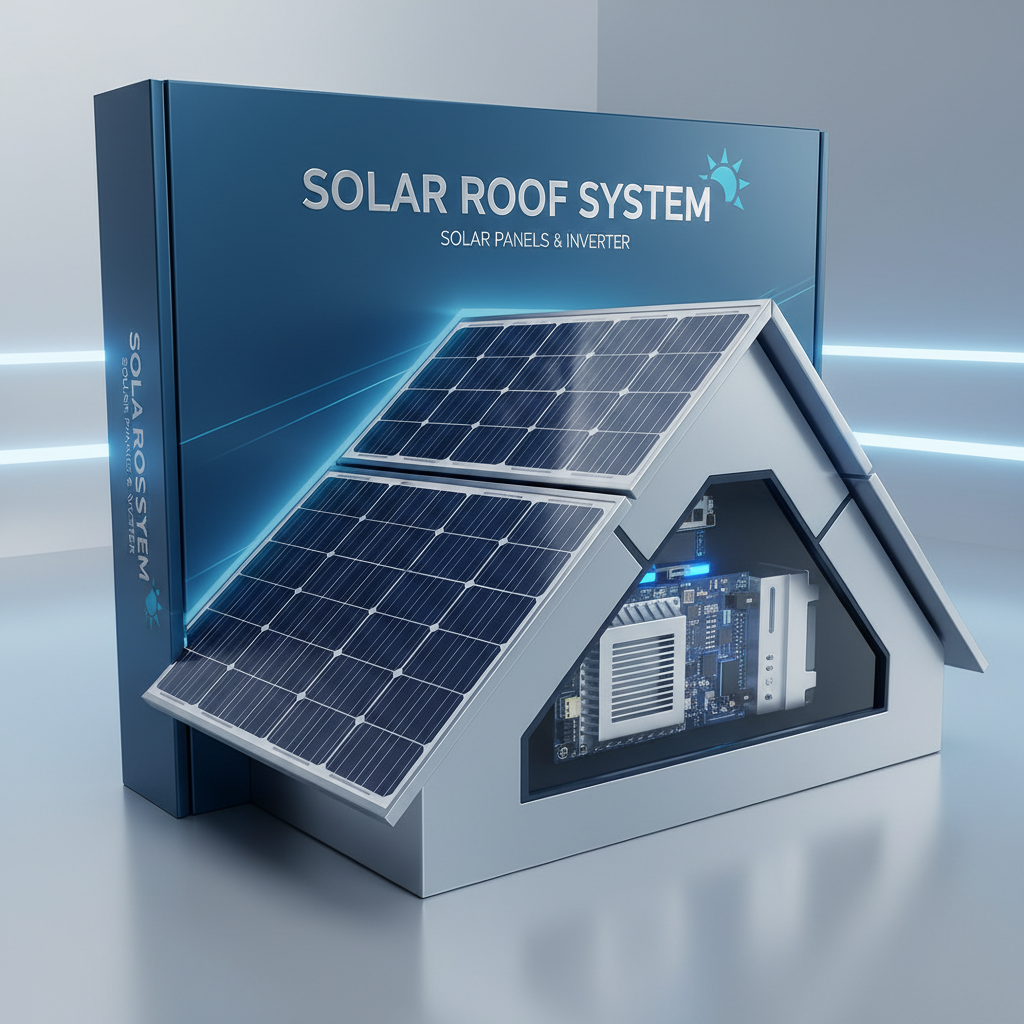
The Core Benefits of a Roof Made Out of Solar Panels
Choosing a roof made out of solar panels provides a dual-purpose solution: weather protection and electricity generation. By consolidating these two functions, homeowners can reduce the overall weight of the roof structure and eliminate the risk of leaks often associated with the penetrations required for traditional rack-mounted systems. Furthermore, these systems are designed to be highly durable, often outlasting traditional asphalt shingles, while significantly increasing the property value of the home through modern curb appeal and lower utility costs.
Key Advantages: Seamless architectural integration, reduced material waste during construction, enhanced structural integrity, and a drastic reduction in monthly carbon footprints.
Solar Roof vs. Traditional Solar Panels: Which is Better?
Many homeowners struggle to decide between a traditional "add-on" system and a full roof made out of solar panels. While traditional panels are generally cheaper to install initially, they can be visually intrusive and require the existing roof to be in good condition. Conversely, an integrated solar roof acts as the actual roof, meaning you don't pay for shingles only to cover them with panels. The long-term financial benefit is often higher when the original roof needs replacement.
Technical Specifications of a Solar-Integrated Roof
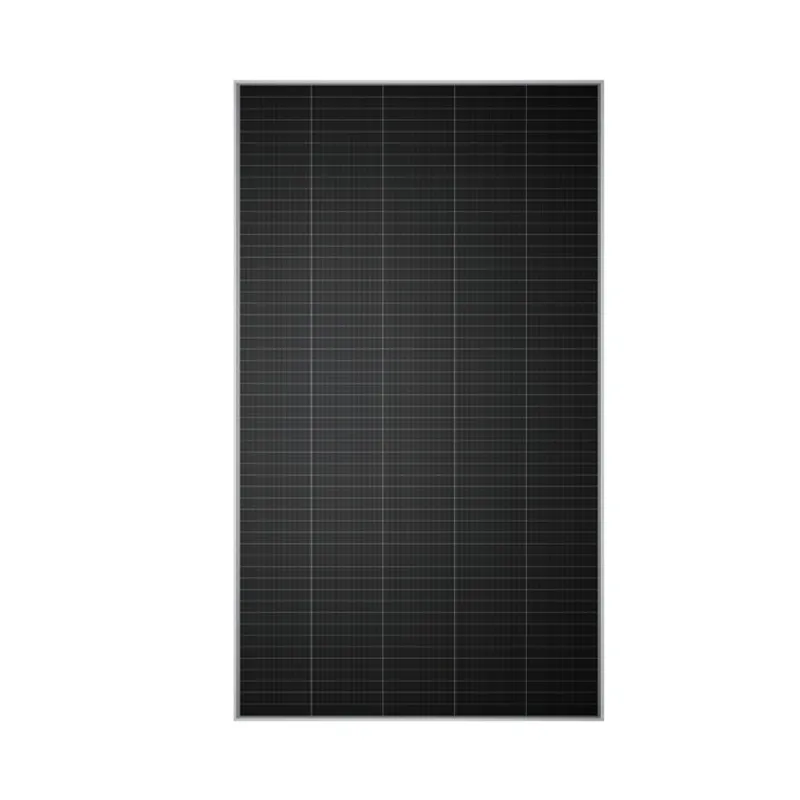
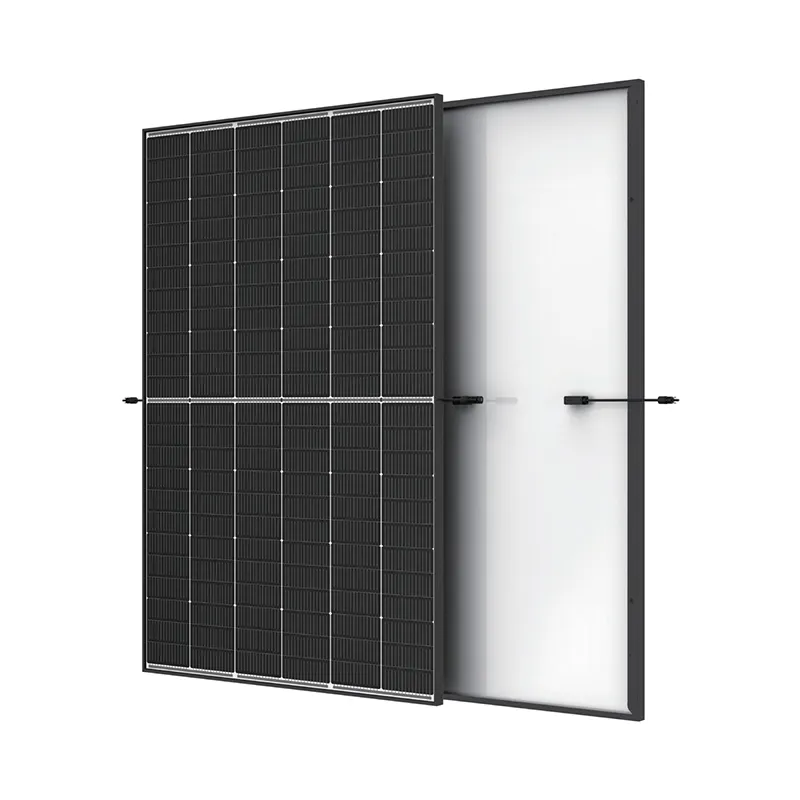
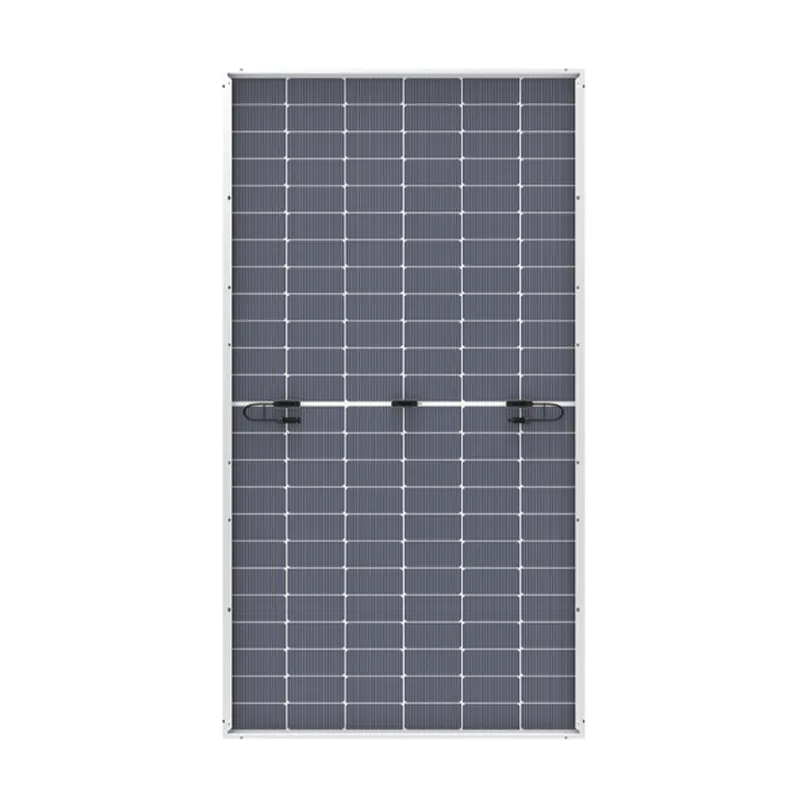
When investing in a roof made out of solar panels, it is essential to understand the technical components. These systems utilize high-efficiency monocrystalline silicon cells protected by tempered glass or specialized polymers. The integration involves a complex layering system that ensures the roof remains waterproof and wind-resistant while maintaining high electrical conductivity. Below are the typical specifications for professional-grade integrated solar roofing.
Installation Process for Integrated Solar Roofing
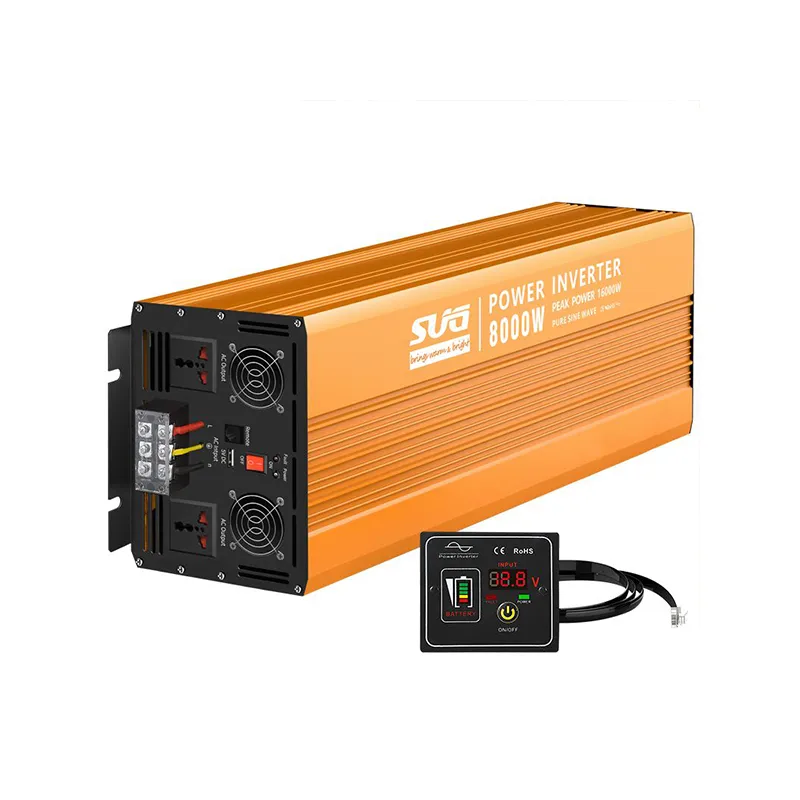
The installation of a roof made out of solar panels is more akin to a roofing project than an electrical project. First, the old roofing material is removed to expose the deck. A waterproof underlayment is applied, followed by the installation of the solar tiles or panels, which are interlocked to create a weather-tight seal. The wiring is concealed beneath the panels, leading to a central inverter. This process ensures that the home is protected from the elements while simultaneously harnessing the sun's energy.
Maintenance and Longevity of Solar-Integrated Roofs
One of the most common concerns regarding a roof made out of solar panels is maintenance. Fortunately, these systems are designed for low upkeep. Because they are flush with the roof, they are less prone to wind damage than traditional panels. Periodic cleaning to remove dust and debris is usually sufficient to maintain peak efficiency. Most professional installations come with comprehensive warranties that cover both the energy production and the structural integrity of the roof.
Maintenance Tips:
• Schedule bi-annual cleaning to remove dust and pollen.
• Monitor system output via smart apps to detect early cell degradation.
• Inspect seals and flashing after extreme weather events.
• Ensure surrounding trees are trimmed to avoid shading.
Conclusion: Transitioning to a Sustainable Future
Investing in a roof made out of solar panels is more than just an upgrade—it is a commitment to a sustainable lifestyle. By blending architectural elegance with cutting-edge energy technology, homeowners can slash their electricity bills while contributing to a greener planet. Whether you are building a new home or renovating an old one, integrated solar solutions provide the perfect balance of form and function. Embrace the power of the sun and transform your shelter into a source of endless energy.
Frequently Asked Questions (FAQs)
Is a roof made out of solar panels more expensive than traditional panels?
Initially, yes, the upfront cost of an integrated solar roof is typically higher because it includes the cost of the roofing materials themselves. However, if you were already planning to replace your roof, the "net cost" is much lower. You are essentially combining two expenses (a new roof and a solar system) into one. Over time, the increased property value and the total energy savings often make the integrated approach more financially viable than installing panels over a roof that will eventually need replacing anyway.
Can a solar roof withstand extreme weather like hail or hurricanes?
Yes, most high-quality solar roofs are engineered to be as strong as, or stronger than, traditional roofing materials. Many integrated solar tiles are made from tempered glass that is impact-tested to withstand heavy hail. Because the panels are integrated into the roof structure rather than sitting on top of it, they have a lower profile, which significantly reduces the risk of being ripped off during high-wind events or hurricanes. Always check the specific wind and impact ratings provided by the manufacturer.
What happens if one solar tile breaks?
Modern integrated solar roofs are designed with modularity in mind. If a single tile or panel is damaged, it can usually be replaced individually without needing to dismantle the entire roof. Expert installers can remove the damaged section and slot in a new one, reconnecting the electrical circuit quickly. This ensures that the system continues to function efficiently without requiring a full-scale overhaul. For more information on repair and maintenance, visit the Benjiu Solar website.
Do solar roofs work in cloudy or rainy climates?
Absolutely. While solar panels produce the most energy in direct sunlight, they still generate electricity from diffused light on cloudy or rainy days. While the output is lower than on a clear summer day, the system continues to contribute to your home's energy needs. Many homeowners in these regions pair their solar roofs with battery storage systems, allowing them to store excess energy from sunny days for use during overcast periods, ensuring a consistent and reliable power supply year-round.
-
Guide to the Size of 150 Watt Solar Panel for Your ProjectNewsApr.09,2026
-
Understanding the Dimensions and Applications of a 200W Solar PanelNewsApr.07,2026
-
Understanding the Dimensions and Factors of a 330W Solar Panel SizeNewsApr.04,2026
-
Understanding the Size and Dimensions of a 4kW Solar Panel System for Your HomeNewsMar.31,2026
-
Comprehensive Guide to Sizing Your Solar System for Optimal Energy ProductionNewsMar.28,2026