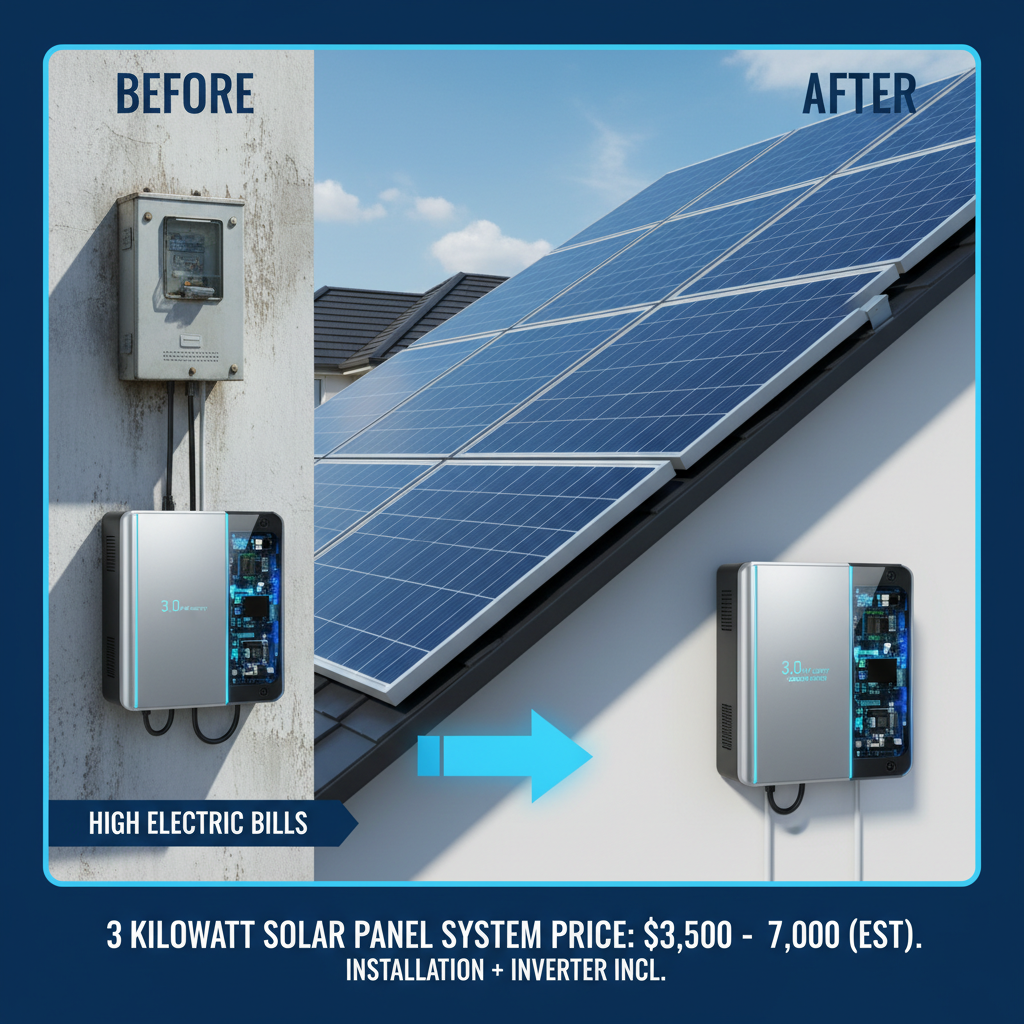
Navigating the transition to renewable energy often begins with a fundamental question about accessibility and cost, specifically focusing on the 3 kilowatt solar panel price. For many homeowners and small business owners, a 3kW system represents the "sweet spot" of solar adoption, providing enough energy to significantly offset utility bills without requiring a massive industrial-scale investment. Understanding the pricing dynamics allows consumers to balance their initial capital expenditure against long-term energy independence.
Globally, the shift toward decentralized power generation is accelerating, driven by the declining cost of photovoltaic cells and increased government incentives. When analyzing the 3 kilowatt solar panel price, it is essential to look beyond the sticker price of the panels themselves and consider the total system cost, which includes inverters, mounting hardware, and labor. This holistic view ensures that the investment is sustainable and provides a predictable return on investment (ROI) over the next two decades.
Whether you are looking to reduce your carbon footprint or protect yourself against volatile electricity tariffs, the 3 kilowatt solar panel price serves as a critical benchmark for planning. By comparing different technologies—such as monofacial versus bifacial panels—users can optimize their energy yield per square meter. In this comprehensive guide, we will break down every variable that influences the cost of a 3kW installation to help you make an informed procurement decision.
Global Market Trends Influencing 3 Kilowatt Solar Panel Price
The global landscape for solar energy has shifted dramatically over the last decade. According to reports from the International Renewable Energy Agency (IRENA), the average cost of photovoltaic modules has plummeted, which directly correlates to a more affordable 3 kilowatt solar panel price. This decline is attributed to economies of scale in manufacturing, primarily in Asia, and a global push toward Net-Zero emissions targets.
However, market volatility remains a factor. Fluctuations in the price of polysilicon and aluminum can create temporary spikes in the 3 kilowatt solar panel price. Despite these ripples, the long-term trajectory is downward, making small-scale 3kW systems more accessible to the middle-class residential market in developing nations and established economies alike.
Defining the Components of a 3kW Solar System
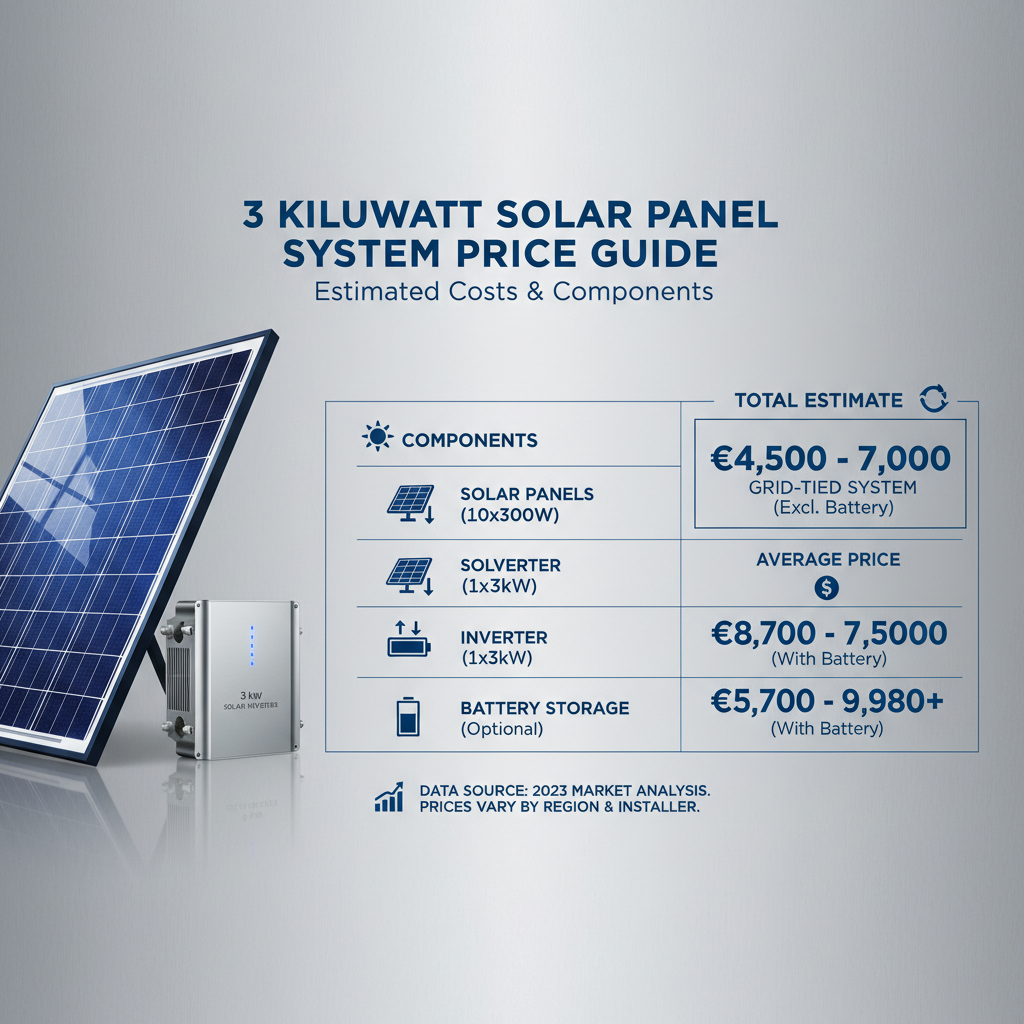
To truly understand the 3 kilowatt solar panel price, one must first understand what is actually being purchased. A 3kW system typically consists of 6 to 10 high-efficiency solar panels, depending on the wattage of each individual module. These panels capture photons from sunlight and convert them into Direct Current (DC) electricity.
The next critical component is the inverter. Depending on the user's needs, they might choose an On-Grid Solar Inverter for maximum efficiency and grid-selling capabilities, or an Off-Grid Solar Inverter if they reside in a remote area. The choice of inverter significantly impacts the final 3 kilowatt solar panel price, as high-end smart inverters offer better monitoring and energy management.
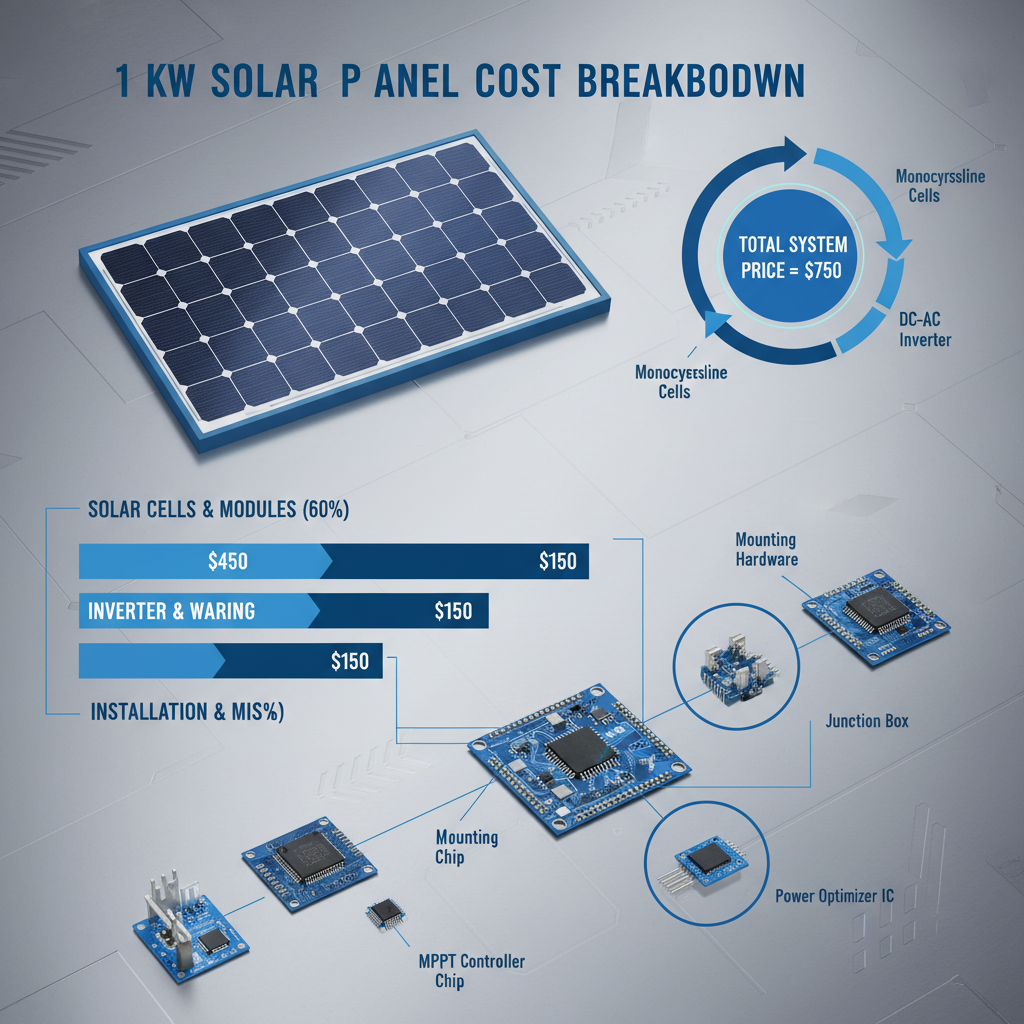
Finally, the balance of system (BOS) includes the mounting racks, cabling, and electrical protection devices. While these are often overlooked, they ensure the safety and longevity of the installation. When a professional provides a quote for the 3 kilowatt solar panel price, these components are bundled to provide a turnkey solution that is ready for immediate power generation.
Key Factors Driving the 3 Kilowatt Solar Panel Price
One of the primary drivers of the 3 kilowatt solar panel price is the panel technology used. Monocrystalline panels, known for their higher efficiency and sleek black look, generally carry a premium price compared to polycrystalline options. For users with limited roof space, the higher efficiency justifies the cost.
The emergence of Bifacial Solar Panels has also introduced a new variable into the 3 kilowatt solar panel price calculation. By capturing sunlight on both the front and rear sides, bifacial modules increase total energy yield, effectively lowering the "price per watt" over the system's lifetime, even if the upfront cost is slightly higher.
Lastly, regional labor costs and permit requirements play a massive role in the local 3 kilowatt solar panel price. In regions with strict building codes or high labor rates, the installation cost can sometimes exceed the cost of the hardware itself, making it crucial to source high-quality, easy-to-install equipment to minimize man-hours.
Comparative Cost Analysis of Solar Technologies
When evaluating the 3 kilowatt solar panel price, consumers often compare different system configurations to see which offers the best value. For instance, a basic Regular Solar Panel setup is the most affordable, while a system integrating Micro Solar Inverters provides better resilience against shading issues at a higher price point.
The trade-off is typically between initial investment and long-term efficiency. A high-performance system might increase the initial 3 kilowatt solar panel price by 15-20%, but it can result in 10% more energy production annually, leading to a faster payback period in sun-rich regions.
Comparison of Value Metrics for 3 Kilowatt Solar Panel Price
Global Applications and Use Cases for 3kW Systems
The versatility of a 3kW system makes it ideal for a wide array of global applications. In suburban residential areas in Europe and North America, a 3 kilowatt solar panel price is often viewed as an entry-level investment to power basic appliances and reduce dependence on the grid during peak hours. These systems are frequently paired with on-grid inverters to take advantage of feed-in tariffs.
In contrast, in remote industrial zones or rural villages in Southeast Asia and Africa, the 3 kilowatt solar panel price represents a lifeline. Here, off-grid configurations are paramount, providing reliable power for lighting, refrigeration, and communication equipment where the national grid is nonexistent or unstable. This application transforms the solar system from a luxury cost-saving tool into a critical piece of humanitarian infrastructure.
Long-term Financial Value and Sustainability
When discussing the 3 kilowatt solar panel price, it is vital to shift the perspective from "cost" to "investment." Most 3kW systems pay for themselves within 5 to 8 years, depending on local electricity rates. After this break-even point, the electricity generated is essentially free for the remainder of the system's 25-year lifespan.
Beyond the financial gains, there is an emotional and social value. Homeowners experience a sense of dignity and security knowing they are not entirely vulnerable to energy price hikes or grid failures. This psychological peace of mind is an intangible but significant benefit that accompanies the initial 3 kilowatt solar panel price.
Furthermore, the environmental impact is substantial. A 3kW system can offset several tons of CO2 emissions annually. By investing in this technology, users are contributing to a global movement toward sustainability, ensuring that the cost they pay today helps preserve the environment for future generations.
Future Innovations Affecting Solar Pricing
The future of the 3 kilowatt solar panel price will be shaped by breakthroughs in materials science. Perovskite solar cells, for example, promise even higher efficiency than traditional silicon, which could either lower the cost of producing 3kW of power or increase the energy output for the same price point.
Digital transformation is also playing a role. The integration of AI-driven energy management systems allows 3kW installations to optimize their output in real-time, maximizing the value derived from the initial 3 kilowatt solar panel price. Automation in installation and maintenance will further reduce the labor component of the total cost.
As governments implement more aggressive green energy policies, we can expect more subsidies and tax credits to lower the effective 3 kilowatt solar panel price for the end-user. This regulatory support, combined with technological leaps, will make solar power the default choice for small-scale energy generation.
Analysis of 3kW Solar System Cost Drivers and Performance
| System Component |
Impact on 3kW Price |
Efficiency Gain |
Expected Lifespan |
| Monocrystalline Panels |
Medium-High |
High (19-22%) |
25+ Years |
| Polycrystalline Panels |
Low-Medium |
Medium (15-17%) |
20-25 Years |
| Bifacial Modules |
High |
Very High (+10-30%) |
25-30 Years |
| On-Grid Inverter |
Medium |
High Stability |
10-15 Years |
| Off-Grid Inverter + Battery |
Very High |
High Autonomy |
5-10 Years (Battery) |
| Aluminum Mounting Kit |
Low |
N/A |
30+ Years |
FAQS
A comprehensive 3 kilowatt solar panel price usually covers the PV modules, the solar inverter (on-grid or off-grid), mounting structures, electrical wiring, and professional installation labor. Some quotes may also include the cost of applying for government permits and grid interconnection fees. It is always recommended to ask for an itemized bill to ensure no hidden costs are added during the installation phase.
On average, the payback period for a 3kW system ranges from 5 to 8 years. This varies based on your local electricity tariff, the amount of sunlight your region receives, and any available government rebates. In areas with high electricity costs and high solar irradiation, the ROI is significantly faster, often making the system pay for itself in under 5 years.
While a "DIY" approach can reduce the upfront 3 kilowatt solar panel price by eliminating labor costs, it is generally discouraged for the electrical components. Improper installation of inverters or panel wiring can lead to safety hazards or void the manufacturer's warranty. A hybrid approach—where the homeowner handles the mounting while a licensed electrician handles the wiring—is often the safest way to save money.
Yes, bifacial panels typically cost 10% to 20% more than monofacial panels. However, they can produce up to 30% more energy by capturing reflected light from the ground. When evaluating the 3 kilowatt solar panel price, it is better to look at the "Levelized Cost of Energy" (LCOE); the higher initial cost of bifacial panels is often offset by the increased electricity generation over time.
For many small to medium households, a 3kW system is an excellent starting point. It can typically cover the energy needs of basic lighting, refrigeration, and a few electronic devices. If you have heavy loads like central air conditioning or electric vehicle chargers, you might find the 3 kilowatt solar panel price to be the baseline for a larger 5kW or 10kW system to fully achieve energy independence.
Government incentives can drastically reduce the effective 3 kilowatt solar panel price. These include investment tax credits (ITC), rebates, and feed-in tariffs where the utility company pays you for excess energy. In some regions, these incentives can cover 20% to 40% of the total system cost, significantly accelerating the return on investment and making solar accessible to a wider demographic.
Conclusion
Investing in a 3kW solar system is one of the most effective ways for homeowners and small businesses to transition toward a sustainable future. By understanding the nuances of the 3 kilowatt solar panel price—from the choice of panel technology to the impact of inverters and regional labor—consumers can optimize their budget for maximum energy yield. The shift from seeing solar as an expense to viewing it as a long-term financial asset is key to achieving true energy autonomy.
Looking ahead, as efficiency increases and costs continue to fall, the barrier to entry for renewable energy will only diminish. We encourage you to evaluate your current energy consumption and compare different system configurations to find the perfect balance of performance and price. Take the first step toward a greener, more cost-effective tomorrow. Visit our website: www.benjiusolar.com