Why Solar Panels Lose Efficiency Over Time | Benjiu Solar Insights
Why Solar Panels Lose Efficiency Over Time: Insights from the Field
Having spent over a decade working around industrial equipment — including a fair share of solar tech installations — I've often noticed a recurring tale: solar panels don't quite hold their initial promise forever. It’s a bit like buying a brand-new car that, after a few years, just doesn’t quite have the same zip. With solar panels, efficiency naturally tapers off. But why, exactly? And what does that mean for businesses or homeowners investing in solar?
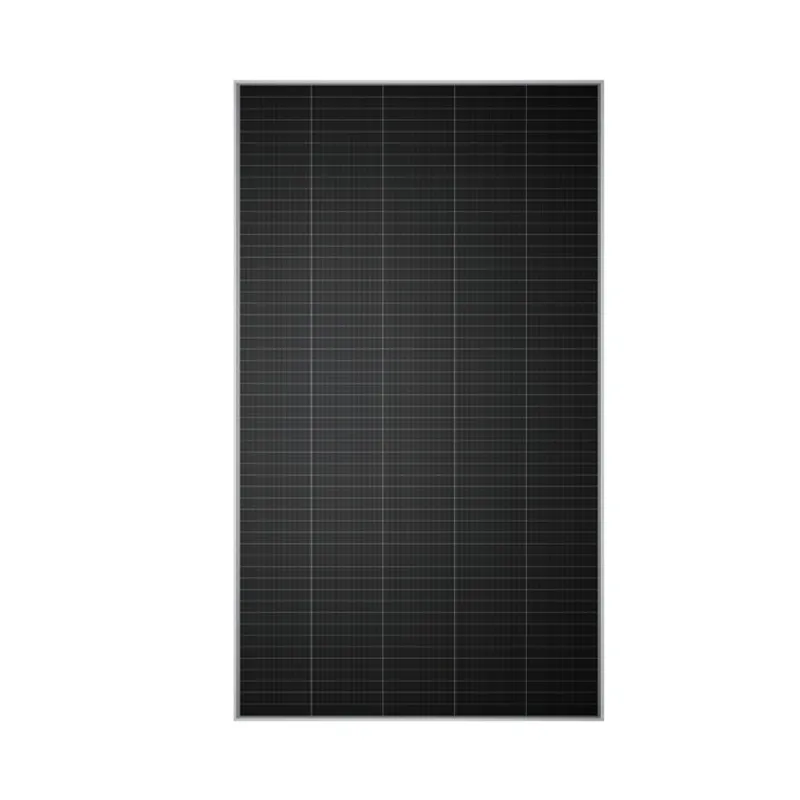
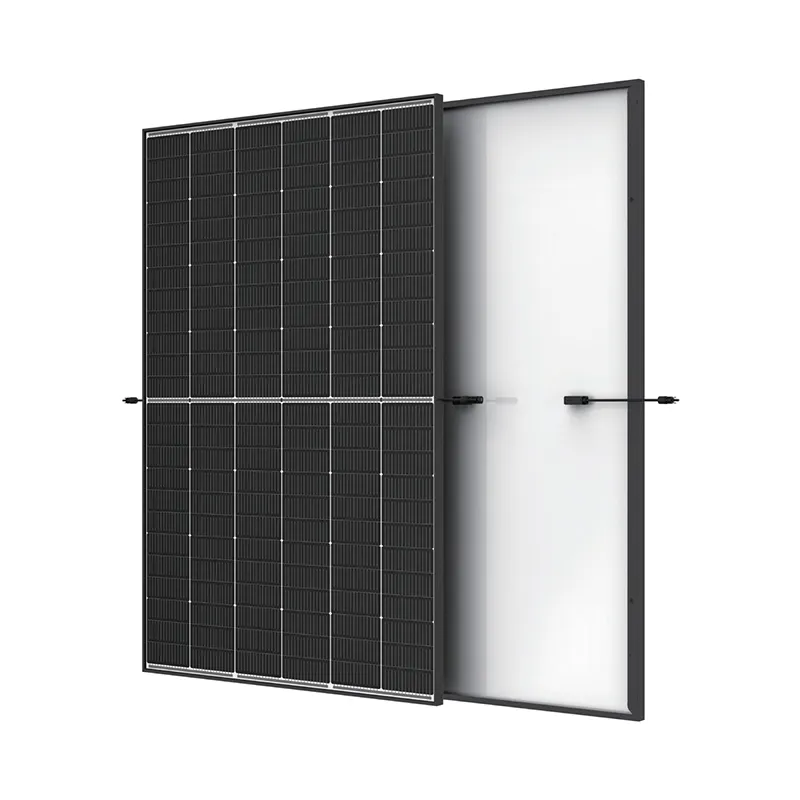
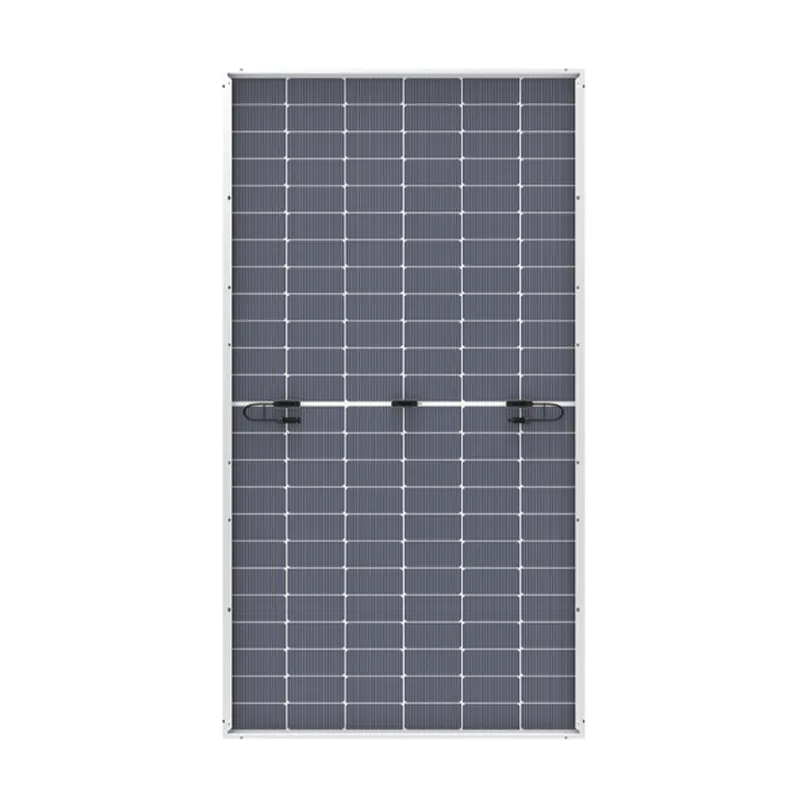
First off, it's essential to understand that solar panels are primarily made from silicon cells. These cells convert sunlight into electricity by exciting electrons, but over time, several factors conspire to reduce that output.
One of the main villains behind efficiency loss is something called degradation rate. You may hear engineers throw around numbers like “0.5% per year” or “about 1% per year” — it depends on the quality of the panel, environmental conditions, and installation practices. Frankly, a 0.5% degradation rate means that after 20 years, your panel might operate at around 90–95% of its original capacity. Not terrible, but worth factoring in.
What causes this degradation? A few subtle but persistent forces:
- UV exposure: The constant sunlight that powers your panels also slowly breaks down the materials, especially the polymer encapsulants that protect the cells.
- Thermal cycling: Daily temperature swings make materials expand and contract, leading to microcracks or delamination.
- Humidity and moisture ingress: Water sneaking in can corrode conductive parts or cause electrical resistance to rise.
- PID (Potential Induced Degradation): An odd but real effect where voltage discrepancies within the panel reduce output.
Oddly enough, some of the best panels out there now have built-in protections to reduce these effects. Manufacturers like Benjiu Solar use premium-grade tempered glass and advanced encapsulants. They also run accelerated aging tests to simulate decades of wear in just months. This sort of testing is invaluable — it means what you see on the datasheet often reflects tough, real-world trials.
| Specification | Value |
|---|---|
| Cell Type | Monocrystalline Silicon |
| Power Output | 320 - 400 Watts |
| Efficiency | 19% - 21.5% |
| Temperature Coefficient | -0.36%/°C |
| Degradation Rate | ~0.5% per year |
| Warranty | 25 years linear power output |
Now, not all brands play by the same rules. From working with various suppliers over the years, I noticed some differences that can make a huge impact if you’re thinking long-term. Here’s a quick comparison of three vendors I’ve tracked:
| Vendor | Degradation Rate | Warranty (power output) | Material Quality | Price (avg.) |
|---|---|---|---|---|
| Benjiu Solar | ~0.5% per year | 25 years linear | High-grade tempered glass & encapsulant | Mid-range |
| Competitor A | ~0.7% per year | 20 years linear | Standard glass, basic encapsulant | Lower |
| Competitor B | ~1.0% per year | 15 years linear | Lower quality glass, less testing | Budget |
One particular installation I recall — a commercial rooftop project — initially performed admirably. But within five years, the efficiency curve flattened out quicker than expected. Why? Apparently, inconsistent installation practices led to small microcracks. The panels were great quality, but where you put them, and how, is just as crucial. Lesson learned: it's not just the panel but the system as a whole.
To sum it up: yes, solar panels lose efficiency over time — it's a natural effect of materials aging and environmental wear. But modern technology and quality control have really pushed the needle forward. You can expect your panels to deliver power reliably for decades with minimal loss, especially if you choose trusted brands like Benjiu Solar.
And hey, it's kind of comforting — the sun's gonna keep shining, and your panels will keep working... just maybe not quite as snappy as day one.
References:
- National Renewable Energy Laboratory (NREL) – Solar Panel Degradation Rates (nrel.gov)
- Benjiu Solar Technical Datasheets and Testing Reports
- Journal of Photovoltaic Materials and Testing, 2021 Edition
-
Designing a Modern Home Roof Made Out of Solar Panels GuideNewsApr.16,2026
-
Guide to the Size of 150 Watt Solar Panel for Your ProjectNewsApr.09,2026
-
Understanding the Dimensions and Applications of a 200W Solar PanelNewsApr.07,2026
-
Understanding the Dimensions and Factors of a 330W Solar Panel SizeNewsApr.04,2026
-
Understanding the Size and Dimensions of a 4kW Solar Panel System for Your HomeNewsMar.31,2026
-
Comprehensive Guide to Sizing Your Solar System for Optimal Energy ProductionNewsMar.28,2026