Solar Panels New Construction: High-Efficiency Solutions for B2B Industrial Projects
Solar Panels New Construction is a key solution in the industry, specifically within commercial and industrial sectors. This article explores how Benjiu Solar supports professionals with durable, high-performance products, and explains why this product is an ideal choice for businesses in these sectors.
Table of Contents
- Solar Panels New Construction Overview
- Benefits & Use Cases of Solar Panels New Construction
- Cost, Maintenance & User Experience
- Sustainability & Market Trends
- Frequently Asked Questions
- Conclusion on Solar Panels New Construction from China
Solar Panels New Construction Overview
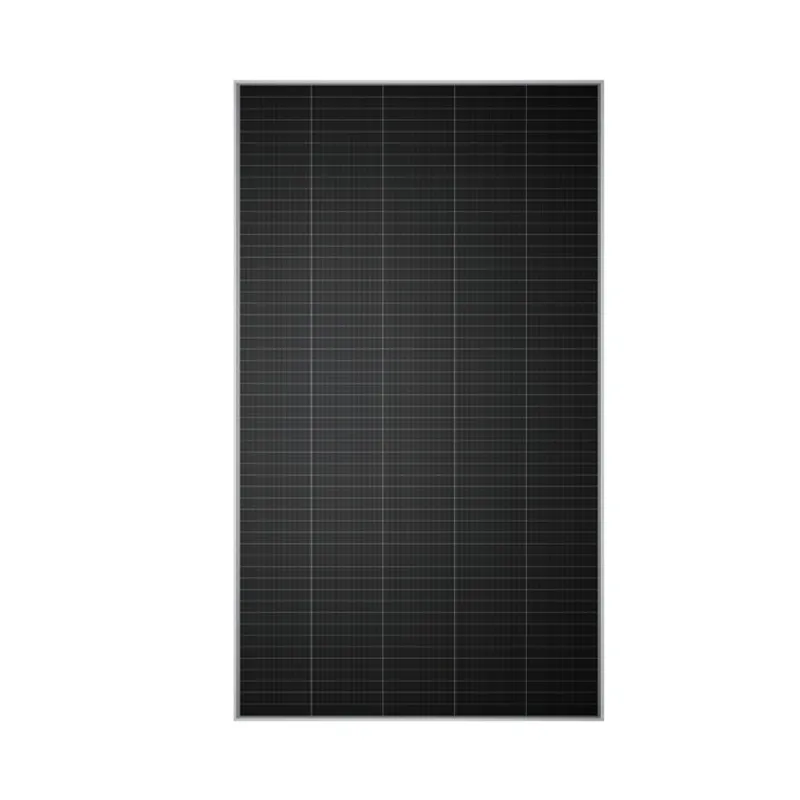
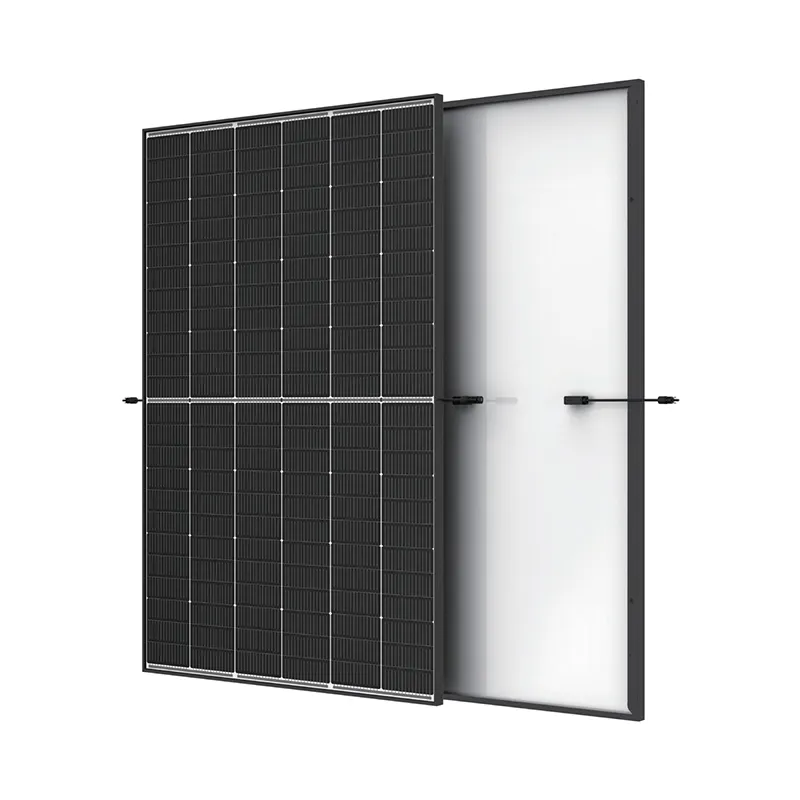
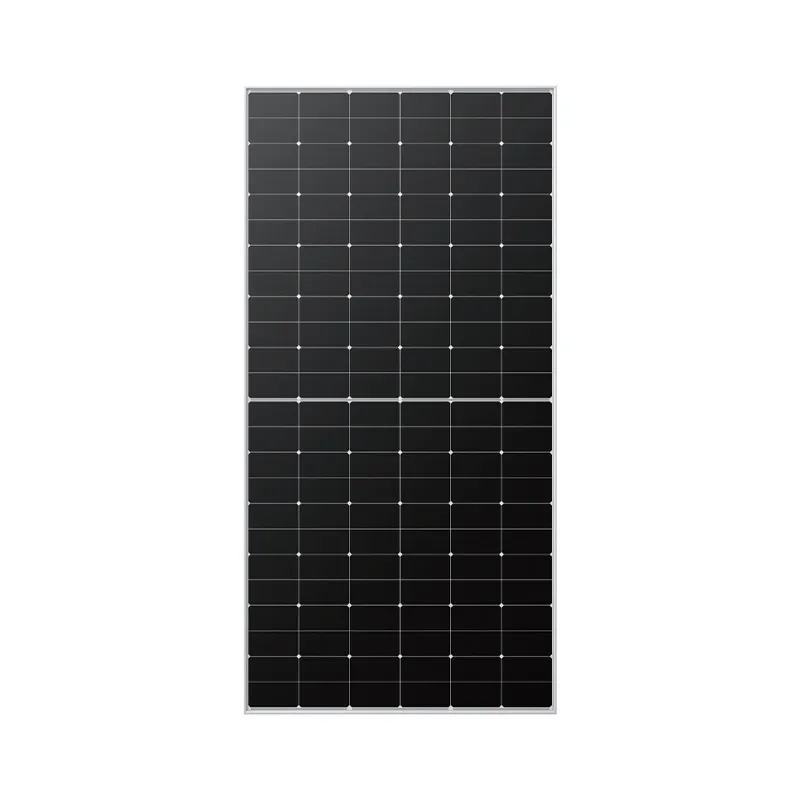
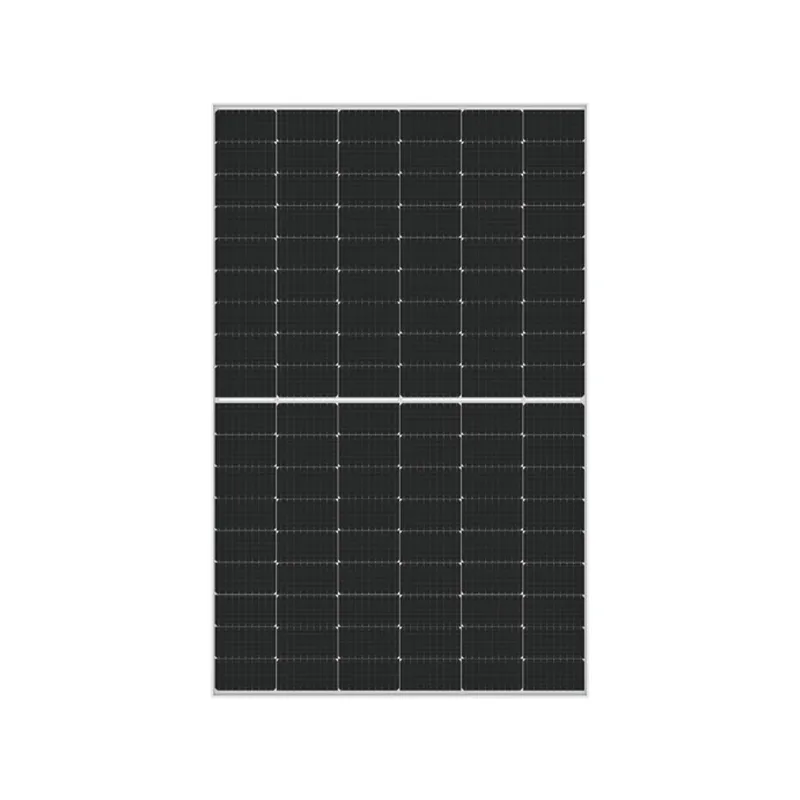
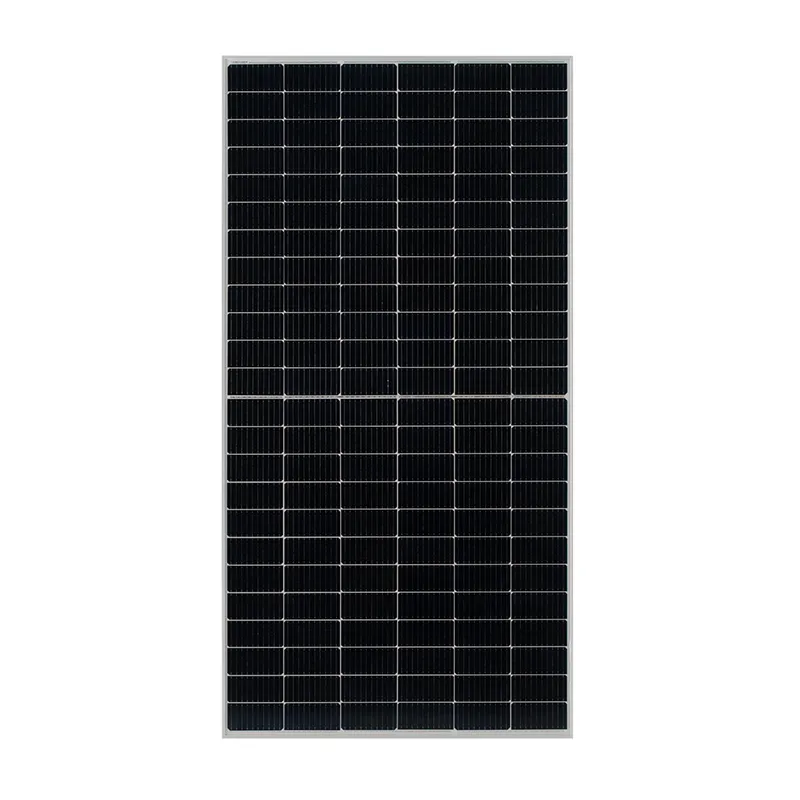
Simply put, Solar Panels New Construction refers to photovoltaic systems specifically designed and integrated into new building projects. Unlike retrofitting panels onto old roofs, these are planned from the ground up, which often means better efficiency, aesthetics, and durability. Frankly, the idea is clever — why add solar afterward when you can build it right into the design?
- They employ monocrystalline silicon cells, known for their high efficiency rates (up to 22%).
- A typical Benjiu panel offers a 275-340 watt range, with temperature coefficient values around –0.38%/°C, ensuring stable performance in heat.
- These panels have passed rigorous durability testing, including hail and salt mist resistance, critical for industrial environments near coasts or in harsh climates.
| Specification | Details |
|---|---|
| Panel Type | Monocrystalline Silicon |
| Power Output | 275-340 W |
| Efficiency | Up to 22% |
| Temperature Coefficient | –0.38%/°C |
| Durability Tests | Hail, Salt Mist, Thermal Cycling |
Benefits & Use Cases of Solar Panels New Construction
In real terms, integrating solar panels into new construction projects has become a go-to strategy for manufacturing plants, warehouses, and commercial building developers who want to slash energy costs without sacrificing design. The advantage? It’s seamless, efficient, and frankly, more aesthetically pleasing because it avoids the patchwork look of retrofitted panels.
- Industrial facilities often pair these panels with battery storage, enabling energy management even during grid outages.
- Benjiu’s panels boast anti-reflective coatings and high-powered cells that maximize output per square meter – a boon when roof space is limited.
- They support green building certifications, which growing numbers of firms seek for both regulatory compliance and branding benefits.
Vendor Comparison
| Feature | Benjiu Solar | Competitor A | Competitor B |
|---|---|---|---|
| Panel Efficiency | Up to 22% | 20-21% | 19-20% |
| Durability Testing | Hail, Salt Mist, Thermal Cycling | Hail, Thermal Cycling | Hail Only |
| Warranty | 25 years | 20 years | 15 years |
| Price | Competitive | Moderate | Lower |
Cost, Maintenance & User Experience
Truth be told, the initial investment can feel steep, but the total cost of ownership tells a different story. Benjiu Solar’s panels come with a well-earned reputation for longevity and low degradation rates — meaning your return on investment isn’t just hopeful, it’s measurable.
- Maintenance needs are minimal, usually limited to basic cleaning and system monitoring.
- Customer feedback highlights ease of installation and consistent power output, even in less-than-ideal weather.
- With modular designs, scaling solar capacity during expansion phases is straightforward, helping businesses grow green smoothly.
Sustainability & Market Trends
The push for sustainability isn’t just a buzzword — it’s reshaping how construction and energy sectors operate. Solar Panels New Construction align perfectly with tightening regulations around carbon emissions and energy efficiency.
- Governments increasingly offer incentives for developers incorporating solar from day one, reducing payback periods.
- Industry growth forecasts predict a nearly 15% CAGR in solar panel integration for new builds over the next decade — a signal this is more than a passing trend.
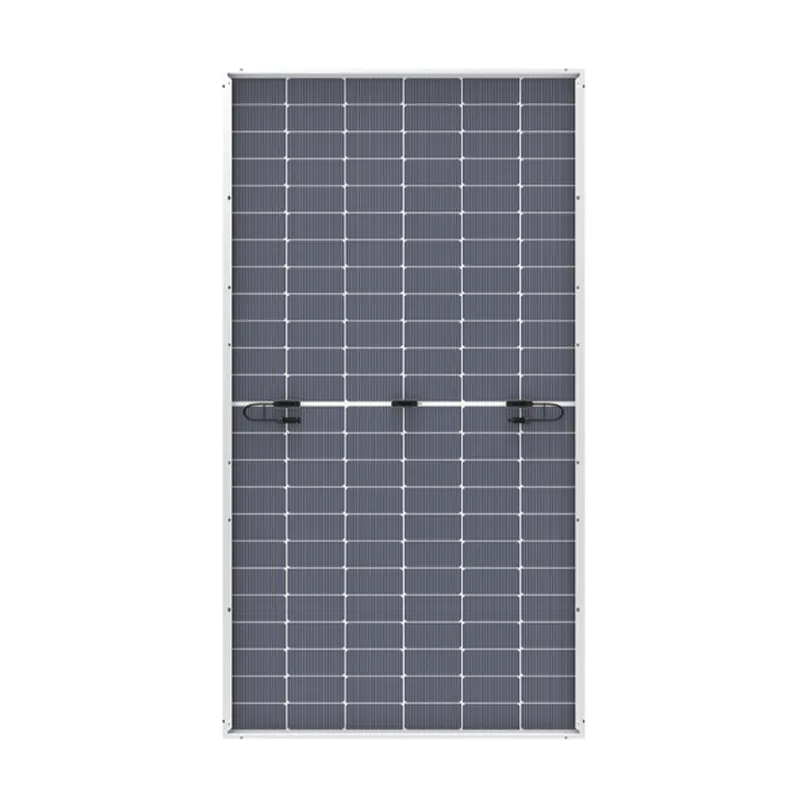
- Materials innovation, such as bifacial panel technology and lightweight frames, continue to improve solar’s footprint in new construction projects.
Frequently Asked Questions about Solar Panels New Construction
- What is Solar Panels New Construction and how does it work?
- Solar Panels New Construction are photovoltaic systems integrated into buildings during their initial development. They convert sunlight into electricity using silicon solar cells embedded into the roof or facade, reducing energy costs while complementing design.
- What are the main benefits of using Solar Panels New Construction in industrial applications?
- Benefits include energy independence, lower utility bills, increased property value, and compliance with environmental standards. They’re tailored to withstand industrial conditions, often outperforming retrofit panels in durability.
- How does Solar Panels New Construction compare to traditional alternatives?
- New construction solar systems integrate cleanly with architecture, avoid costly retrofits, and generally offer higher efficiencies. They also allow for customization, including wiring and layout designed to optimize power output and system longevity.
- What industries can benefit most from Solar Panels New Construction implementation?
- Manufacturing, warehousing, commercial real estate, educational campuses, and healthcare facilities are prime candidates. Many companies in these sectors report substantial operational savings and sustainability gains years after installation.
Conclusion on Solar Panels New Construction from china
To wrap up, the value proposition of Solar Panels New Construction lies in their reliability, efficiency, and seamless integration into modern industrial buildings. For B2B decision makers, this means not just cost savings but a strategic edge in sustainability and corporate responsibility. It's worth considering Benjiu Solar as a trusted partner when planning your next solar-integrated construction project.
- Recap the value of Solar Panels New Construction.
- - Visit our website: https://www.benjiusolar.com
Reflecting on these insights, it’s clear that embracing solar integration early can be transformative – and those who act now stand to gain the most as markets and regulations evolve.
References:
1. International Energy Agency - Solar PV Market Reports (2023)
2. Benjiu Solar Product Datasheets (2024)
3. Green Building Council Guidelines on Solar Integration (2023)
-
Designing a Modern Home Roof Made Out of Solar Panels GuideNewsApr.16,2026
-
Guide to the Size of 150 Watt Solar Panel for Your ProjectNewsApr.09,2026
-
Understanding the Dimensions and Applications of a 200W Solar PanelNewsApr.07,2026
-
Understanding the Dimensions and Factors of a 330W Solar Panel SizeNewsApr.04,2026
-
Understanding the Size and Dimensions of a 4kW Solar Panel System for Your HomeNewsMar.31,2026
-
Comprehensive Guide to Sizing Your Solar System for Optimal Energy ProductionNewsMar.28,2026