Understanding the Efficiency of Polycrystalline Solar Panels | Benefits & Insights
Understanding the Efficiency of Polycrystalline Solar Panels: Why It Matters
Solar energy has steadily shifted from a niche green dream to a backbone of modern, sustainable power solutions worldwide. Among the different solar technologies, polycrystalline solar panels have gained significant attention — especially for their cost-effectiveness and adaptability. But what really sets these panels apart? It boils down mainly to the efficiency of polycrystalline solar panels — a factor that touches everything from energy output to long-term affordability. Without grasping their efficiency, it’s hard to weigh their real-world value, be it for a rooftop in Spain or a remote village in sub-Saharan Africa.
Simply put, understanding the efficiency offers a lens into how well these panels convert sunlight into usable electricity — a global priority as the world races toward renewable energy targets.
Global Context: Why Efficiency of Polycrystalline Solar Panels Takes Center Stage
Globally, solar power capacity grew over 20% per year for the last decade, with polycrystalline panels representing a sizable chunk of installations (International Renewable Energy Agency, 2023). These panels are often preferred because they strike a balance between cost and performance. However, as countries aim to meet ambitious emission goals (like the UN's SDG 7 – affordable, clean energy), panel efficiency becomes a dealbreaker.
Because less efficient panels mean more rooftop space, higher deployment costs, and potentially less stable power output. This presents challenges especially for densely populated urban areas or regions with limited land — or even for humanitarian crises where quick and reliable power sources can save lives.
Mini takeaway: Globally, the efficiency of polycrystalline solar panels shapes how practical and affordable solar energy remains, especially when scaling up deployment.
Breaking It Down: What Does Efficiency of Polycrystalline Solar Panels Really Mean?
At its core, the efficiency of polycrystalline solar panels refers to the percentage ratio of sunlight that a solar panel can convert into usable electrical energy. For polycrystalline panels, efficiency typically ranges between 15% and 17%, which is somewhat lower than the 18-22% often found in monocrystalline panels — but this difference often comes with significant cost savings.
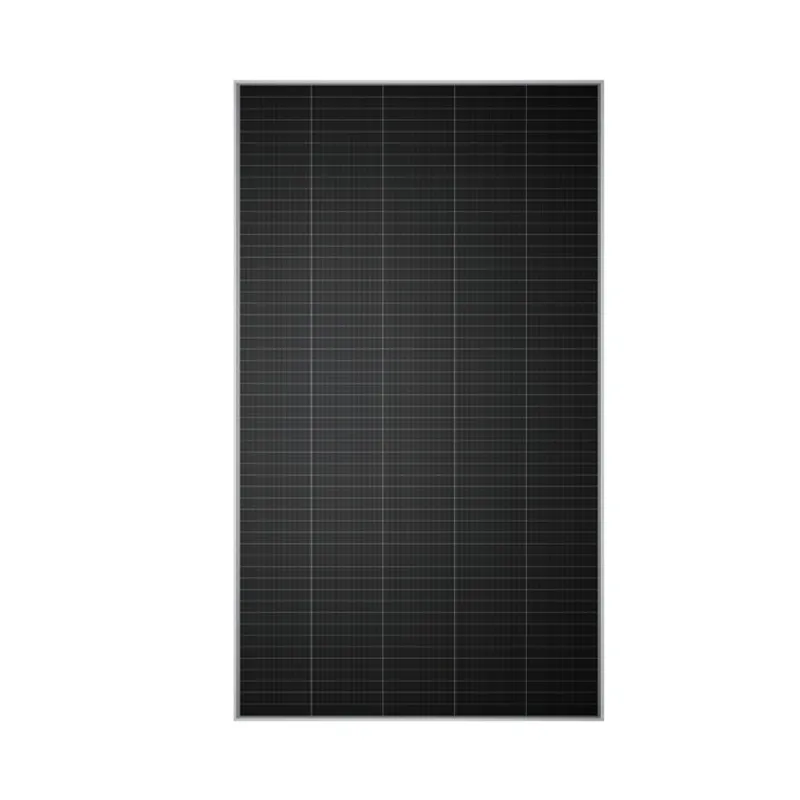
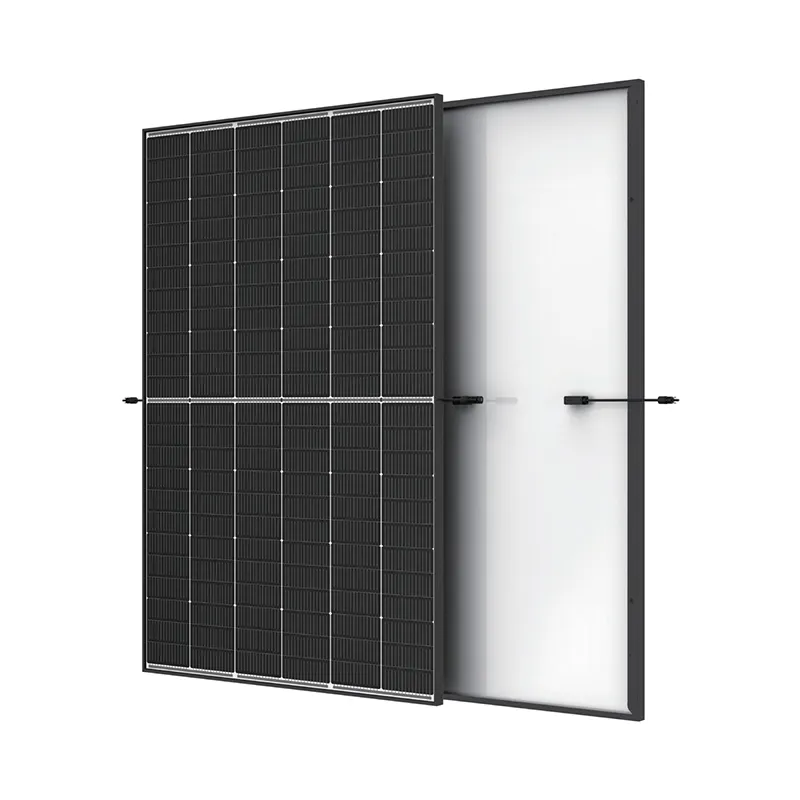
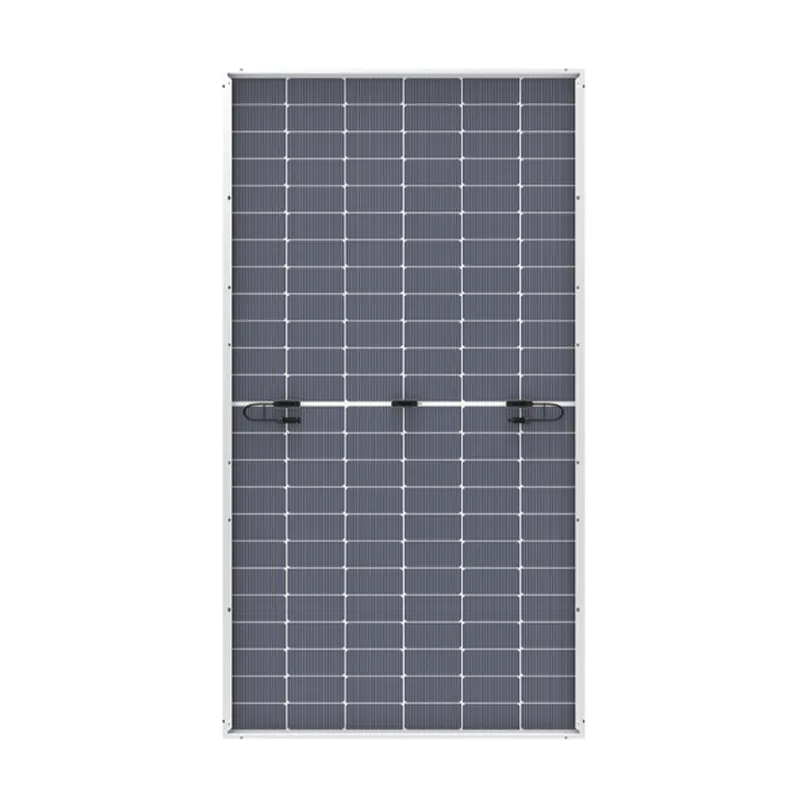
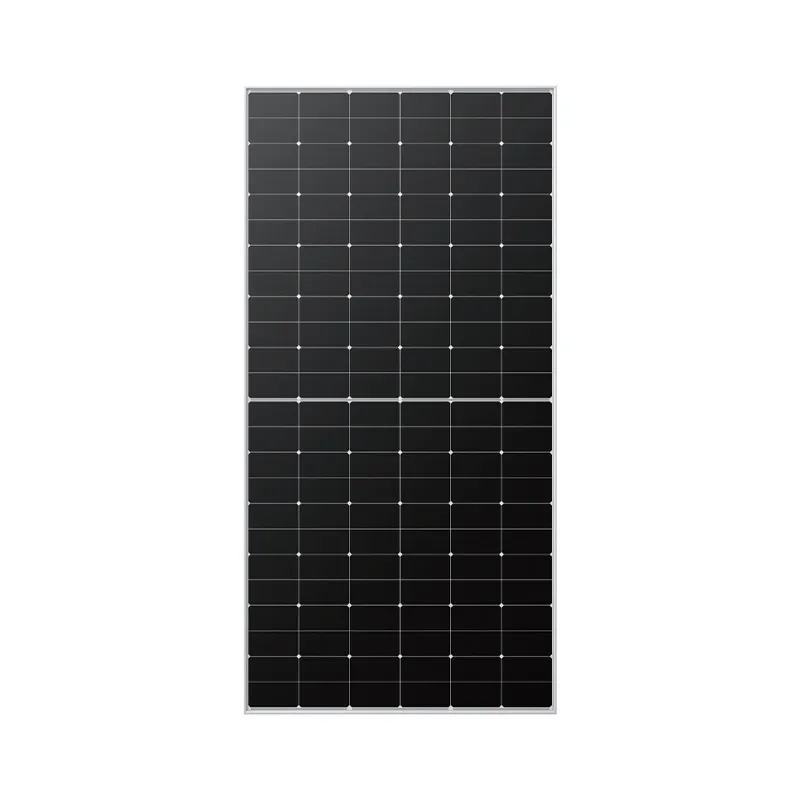
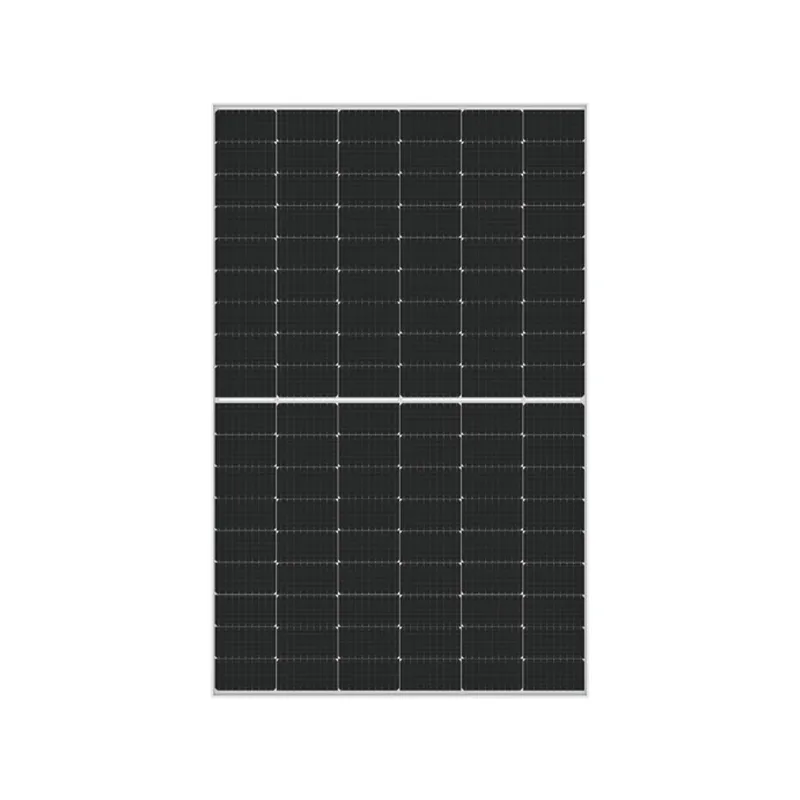
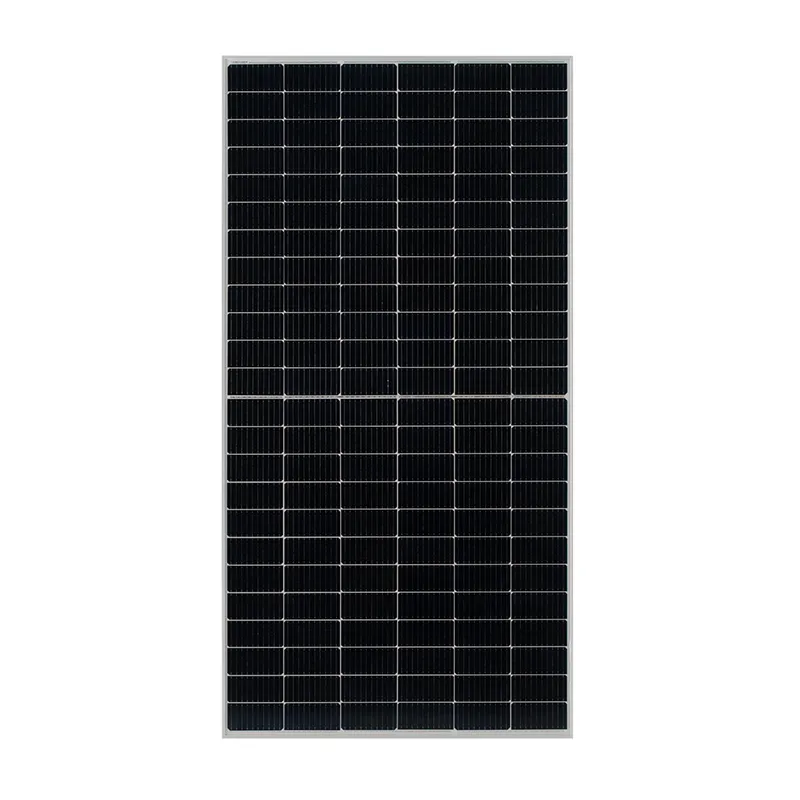
Polycrystalline panels are made from multiple silicon crystals melted together, giving them a distinctive speckled blue appearance. This manufacturing process reduces costs but affects electron flow, which caps the efficiency a bit. Nevertheless, the efficiency is good enough for many industry and humanitarian needs, where budget and scalability often outweigh the single-digit efficiency gains.
Wikipedia's solar panel page offers a solid overview of these mechanics if you want a deep dive.
Core Aspects Affecting Efficiency
1. Durability and Weather Resistance
Efficiency value isn’t static — it degrades under real-world conditions like dust, temperature swings, or hail. Polycrystalline panels tend to hold up well against temperature variations, though their efficiency dips slightly in extreme heat.
2. Cost Efficiency
Because cheaper manufacturing processes bring down upfront costs, end users often get a decent “efficiency per dollar” ratio. This is vital for large-scale solar farms or developing regions.
3. Scalability and Installation Flexibility
With their moderate efficiency, these panels require slightly more surface area — but companies often design scalable arrays that make up for this via modular setups. That’s great for industrial applications or expansive rooftops.
4. Maintenance Needs
Efficiency degrades over time, but routine cleaning and inspections keep real-world losses minimal. Poly panels' robust design makes maintenance fairly straightforward.
5. Environmental Impact
The manufacturing process emits less silicon waste than monocrystalline panels. From a sustainability viewpoint, this is an important part of the efficiency story — speed and scale at a moderate environmental cost.
Mini takeaway: Several practical factors like durability, cost, and maintenance influence the true efficiency of polycrystalline solar panels on the ground.
Global Applications & Real-World Use Cases
These panels pop up everywhere — from urban commuter train stations in Europe to sprawling farms in India. Post-disaster relief efforts often rely on polycrystalline panels thanks to their balance of ease and durability. For example, after flooding in Southeast Asia in 2022, NGOs used these panels to power communication hubs in makeshift shelters, offering reliable energy despite harsh climatic conditions.
In remote industrial zones like mining operations in Australia, the cost savings and ease of deployment make polycrystalline panels a go-to choice, supplying energy to equipment where diesel generators were once the norm.
Specification Table of Typical Polycrystalline Solar Panel
| Specification | Typical Value |
|---|---|
| Efficiency (%) | 15-17% |
| Power Output (Watts) | 250W – 320W |
| Temperature Coefficient | -0.45%/°C |
| Warranty | 25 years performance warranty |
| Dimensions | 1640 x 992 x 35 mm |
What Sets Polycrystalline Panels Apart from Competitors?
| Vendor | Average Efficiency | Price per Watt (USD) | Warranty (Years) |
|---|---|---|---|
| SolarPanelCo | 16% | $0.45 | 25 |
| GreenVolt Inc. | 15.5% | $0.43 | 20 |
| Sunrise Energy | 16.2% | $0.48 | 25 |
Advantages and Long-Term Value of Polycrystalline Solar Panels
From an investor’s or user’s perspective, honing in on efficiency reveals several concrete benefits:
- Cost Savings: Slightly lower efficiency panels reduce upfront costs, helping to democratize access to solar energy.
- Sustainability: Less wasteful silicon processing results in a smaller carbon footprint embedded in manufacturing.
- Reliability & Safety: Durable design means fewer replacements and trustworthy operation in varied climates.
- Social Impact & Access: Deploying affordable panels can light homes, clinics, and schools in underserved regions, improving quality of life.
Emotionally, there’s a sense of empowerment in using solar – a trust in cleaner energy and forward-looking tech that stands the test of time.
Looking Ahead: Trends & Innovations in Polycrystalline Panel Efficiency
Engineers are constantly pushing the limits—recent tweaks in silicon purity and cell design are nudging efficiencies upward. Emerging hybrid solar tech that blends polycrystalline bases with thin-film layers could soon improve output without dramatically hiking costs.
On policy fronts, governments worldwide are tightening efficiency standards while incentivizing low-cost solar deployment. The rise of digital monitoring platforms helps operators optimize arrays for maximum yield, a kind of “brain boost” for steady efficiency under changing conditions.
Common Challenges and Smart Solutions
No technology is perfect, and polycrystalline panels face a few hurdles: moderate efficiency ceilings, slight degradation under heat, and larger space requirements compared to monocrystalline. But smart design choices — like improved ventilation, reflective coatings, and modular arrays — can offset these drawbacks.
FAQ About Efficiency of Polycrystalline Solar Panels
- Q1: How long do polycrystalline solar panels maintain their efficiency?
- A1: Typically, these panels retain about 80-85% of their original efficiency after 25 years, thanks to their sturdy construction and reliable warranty terms.
- Q2: Are polycrystalline panels a cheaper alternative without much efficiency trade-off?
- A2: Yes, their manufacturing process is less complex than monocrystalline panels, making them more affordable while maintaining decent efficiency (15-17%). This balance appeals to many residential and commercial projects.
- Q3: How does temperature affect their efficiency?
- A3: Polycrystalline panels typically lose efficiency as temperature rises, at roughly -0.45% per degree Celsius above 25°C, so installation in well-ventilated locations improves performance.
- Q4: Can these panels be recycled or eco-friendly after their lifecycle?
- A4: The panels are largely recyclable, with many manufacturers and recycling programs working to reclaim silicon and glass components, reducing environmental impact.
Wrapping Up: Why Efficiency of Polycrystalline Solar Panels Matters for the Future
In the end, understanding the efficiency of polycrystalline solar panels isn’t just a numbers game—it’s about unlocking smarter, more equitable energy access worldwide. These panels offer a practical middle ground, delivering reliable power at reasonable costs, and supporting global clean energy goals. For anyone investing in solar technology, grasping this balance is key to planting seeds for a brighter, cleaner future.
Curious to learn more or explore polycrystalline technology options? Visit our website at https://www.benjiusolar.com for insights, products, and guidance on next-generation solar solutions.
References:
-
Designing a Modern Home Roof Made Out of Solar Panels GuideNewsApr.16,2026
-
Guide to the Size of 150 Watt Solar Panel for Your ProjectNewsApr.09,2026
-
Understanding the Dimensions and Applications of a 200W Solar PanelNewsApr.07,2026
-
Understanding the Dimensions and Factors of a 330W Solar Panel SizeNewsApr.04,2026
-
Understanding the Size and Dimensions of a 4kW Solar Panel System for Your HomeNewsMar.31,2026
-
Comprehensive Guide to Sizing Your Solar System for Optimal Energy ProductionNewsMar.28,2026