Nov . 27, 2025 21:25
Back to list
Top Reasons to Get Solar Panels Today | Sustainable Energy for Homes & Industry
Why It’s Time to Seriously Consider Getting Solar Panels
Let’s start at the top: across the planet, clean energy is no longer just a buzzword or a future dream. It’s taking shape, powering homes, industries, and even entire cities. Getting solar panels has become a practical, wise move for individuals and businesses alike, not just because it’s greener, but because it hits at some of the world’s most gnarly problems: climate change, energy access, and rising electricity costs. Interestingly, the United Nations estimates nearly 789 million people worldwide still lack electricity, and solar tech offers a way to bridge that massive gap quickly and sustainably. From rural villages in sub-Saharan Africa to urban rooftops in Germany, solar panels are reshaping how we generate power — one panel at a time. ---Understanding the Basics: What Does It Mean to Get Solar Panels?
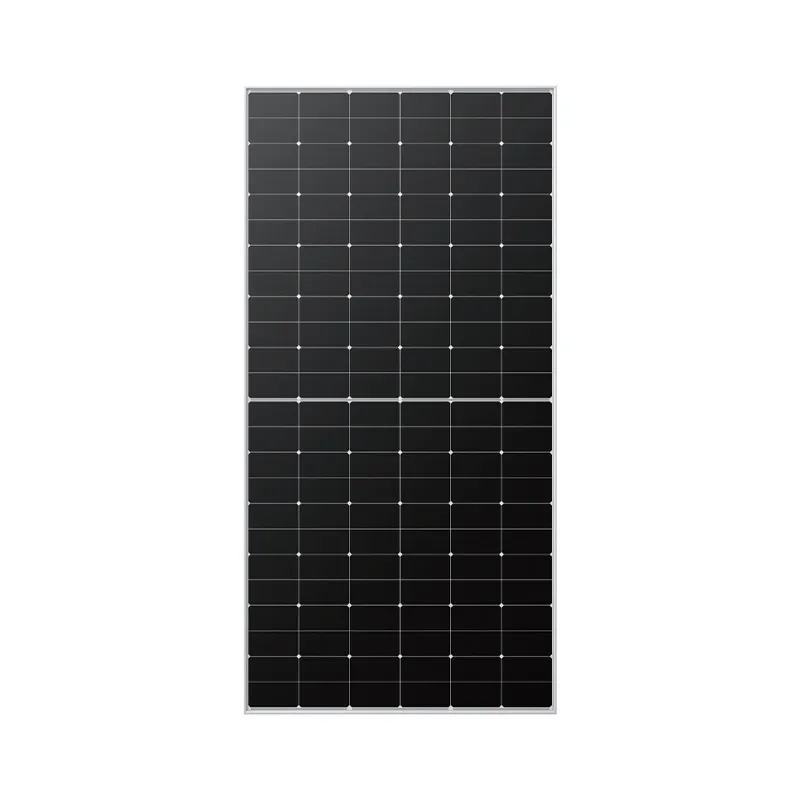
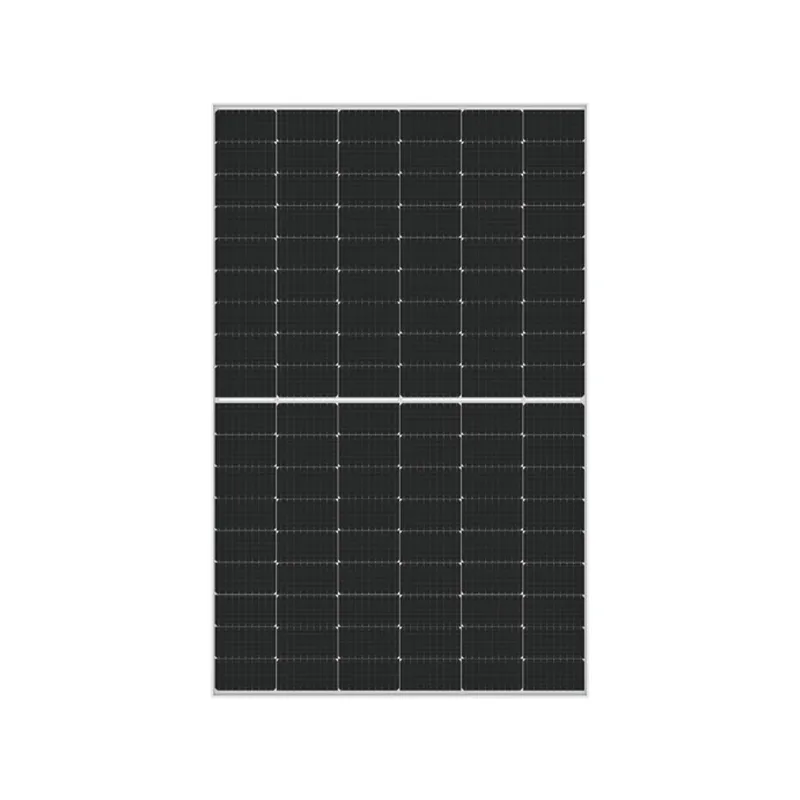
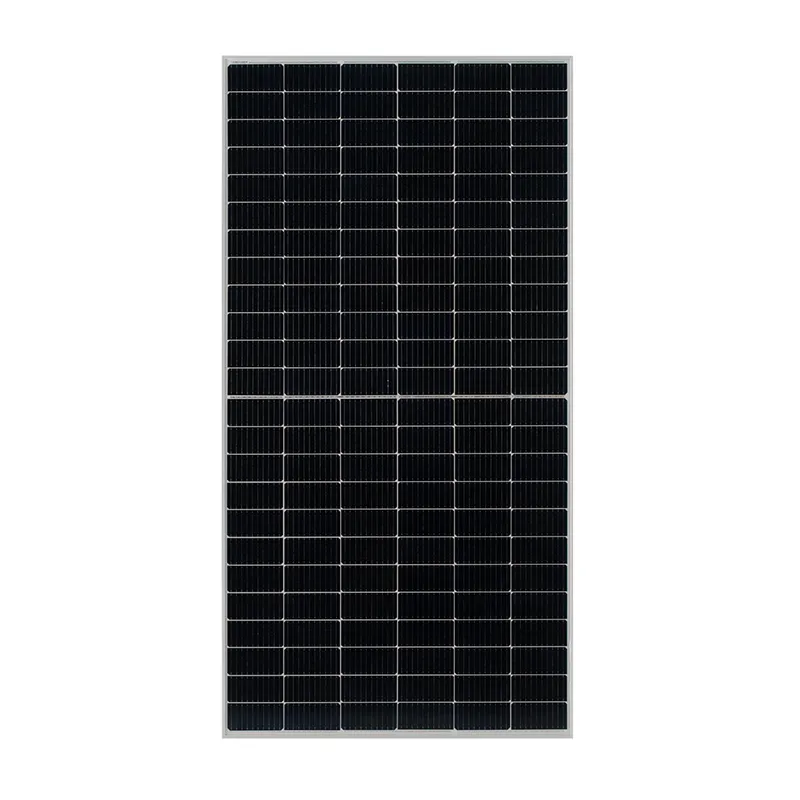
To put it simply: “get solar panels” means outfitting your home, business, or project site with photovoltaic (PV) modules that convert sunlight directly into electricity. The technology isn’t magic — it’s science that’s come a long way since the first silicon cell in the 1950s. Today, solar panels connect to your electrical system to reduce reliance on the grid, lower bills, and shrink carbon footprints. For industries and humanitarian efforts, deploying solar systems can even mean powering operations where conventional power is non-existent or unstable. Think about remote clinics or disaster zones — practically lifelines powered by sunlight. ---What Really Matters When You Decide to Get Solar Panels
Solar isn’t one-size-fits-all. Here are the key factors that anyone looking to install should consider: DurabilityPanels can face harsh weather, fluctuating temperatures, and long daily cycles. High-quality panels last 25-30 years, but the materials and protective coatings matter — otherwise, efficiency drops fast. Scalability
Whether for a tiny cottage or a sprawling factory, solar systems must scale wisely. Easily expandable setups allow for growth in energy demand without costly overhauls. Cost Efficiency
Prices for panels and installation dropped sharply in the last decade. Still, upfront investment and payback timelines depend on panel type, local incentives, and electricity costs. Energy Output and Efficiency
This depends on panel technology (monocrystalline, polycrystalline, thin-film) and installation angle/location. Better efficiency means more juice per square meter. Maintenance
Generally low maintenance, but regular cleaning and inspection prevent dust, debris, or shading issues from throwing a wrench in the works. Quick takeaway: choose panels that fit your environment and budget — durability and efficiency often trump flashy features. It’s about reliable, clean power in real life. ---
Global Applications & Real-World Use Cases
The places where solar panels shine (literally) are diverse. For example: - Remote industrial zones: Mining and oil fields use off-grid solar to power monitoring equipment and communications. - Disaster relief efforts: After hurricanes or earthquakes, quickly deployed solar kits can restore essential power to aid stations. - Urban environments: Rooftop solar in cities like Tokyo and New York helps reduce energy bills and grid strain. - Developing countries: Off-grid solar microgrids in India and Africa deliver electricity to communities previously in the dark. A memorable story comes from a solar provider working with NGOs in Southeast Asia. They installed modular solar systems in a flood-prone area, ensuring clinics kept operating through seasonal disruptions. It feels like a small step but means life or death for many. ---Product Specification Spotlight: Typical Residential Solar Panel
| Specification | Detail |
|---|---|
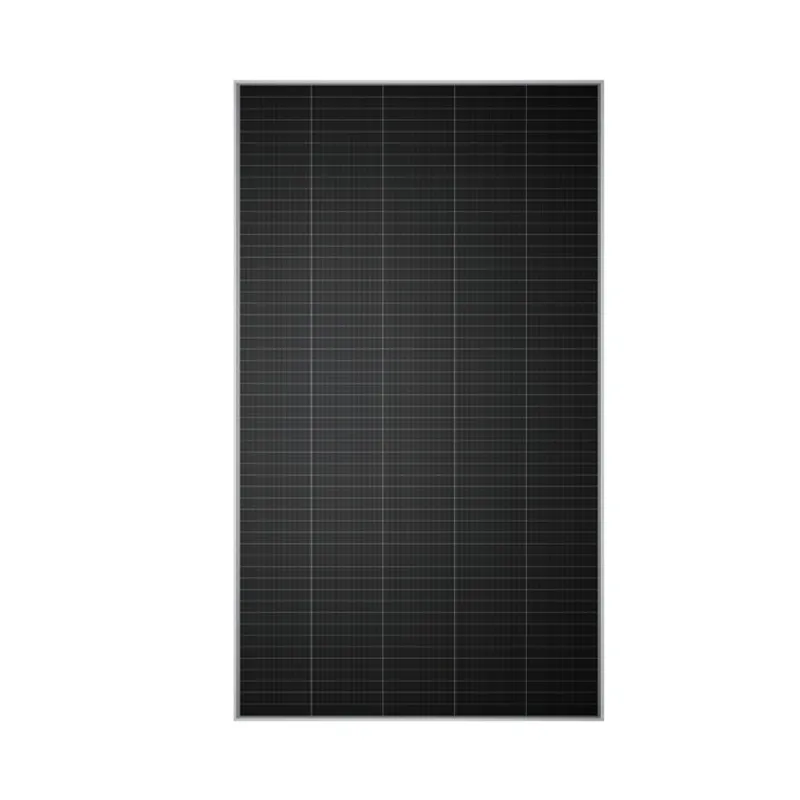
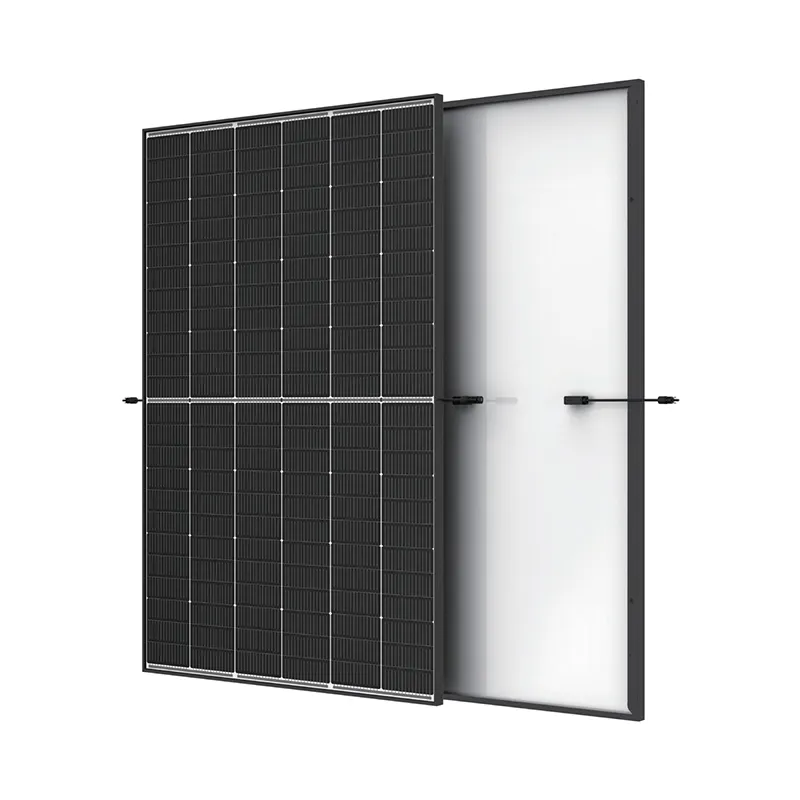
| Panel Type | Monocrystalline Silicon |
| Peak Power Output | 330 W |
| Efficiency | 18-20% |
| Dimensions (LxW) | 1640 x 992 mm |
| Weight | 18 kg |
| Warranty | 25 years performance |
Comparing Solar Panel Providers at a Glance
| Vendor | Price per Watt ($) | Warranty (Years) | Average Efficiency (%) | Global Presence |
|---|---|---|---|---|
| SolarMax | 0.32 | 25 | 20.2 | North America, Europe |
| HelioTech | 0.29 | 20 | 19.5 | Asia, Africa |
| SunGrid Corp | 0.34 | 30 | 21.0 | Global |
The Long-Term Value of Installing Solar
Here’s the thing: installing solar panels isn’t just a purchase; it’s a commitment to a different way of living with energy. From a cost perspective, the price of electricity keeps creeping up in most markets, while solar systems often pay for themselves in under a decade. That’s a pretty solid investment, especially when paired with government incentives or net metering policies. Socially, it’s also appealing: reducing carbon emissions, supporting grid stability, and sometimes even empowering local economies or communities with power autonomy. Emotionally, it’s satisfying — many users say their solar systems give them peace of mind, a feeling of safety amid unpredictable energy markets. ---Emerging Trends and New Frontiers in Solar Tech
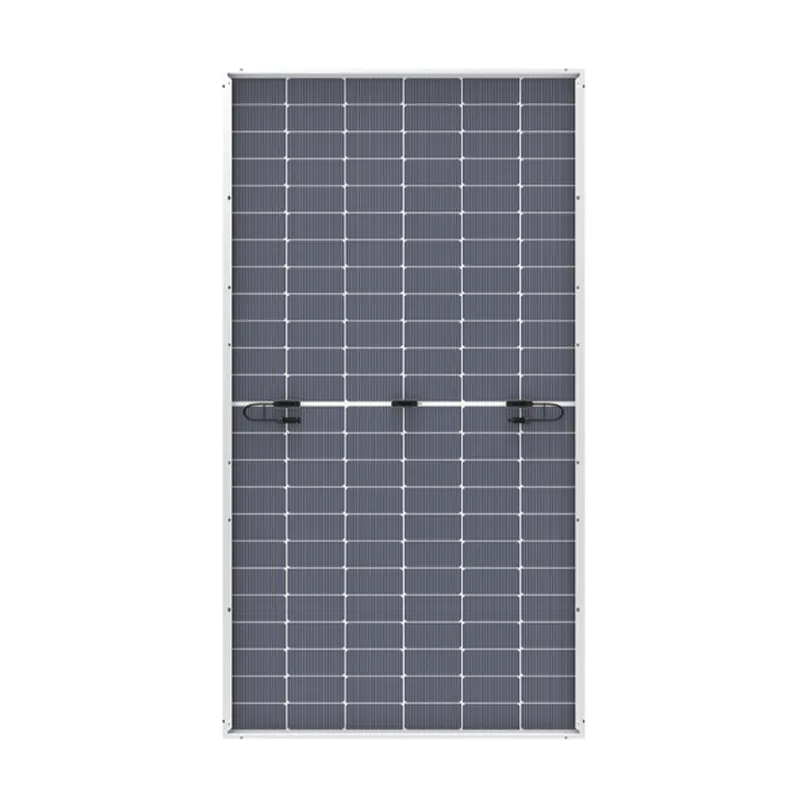
Solar industry geeks — engineers, scientists, and innovators — are working on some neat advancements that could shape your next system: - Perovskite solar cells: these materials promise higher efficiencies and cheaper production, though stability remains under study. - Bifacial modules: capturing light from front and back surfaces, squeezing more energy out of limited space. - Smart solar integration: AI and IoT devices optimizing performance, predicting maintenance, and even trading energy in microgrids. - Recycling and circular economy: as old panels retire, better recycling methods are emerging to avoid electronic waste headaches. Overall, it’s an exciting time where sustainability meets digital transformation in energy. ---Common Challenges When You Decide to Get Solar Panels — And Solutions
Not everything about solar is perfect. Here are a few common pain points: - Intermittency: Panels only produce when the sun shines. Solar plus battery storage is becoming standard to smooth this out. - Initial costs: Though dropping, upfront investment can be a barrier. Financing options and leasing plans help hugely. - Space limitations: Urban homes might not have ideal roof orientation or space. Creative mounting, community solar programs, or portable kits come to the rescue. - Permitting and regulations: Navigating local rules can feel like jumping through hoops — but many vendors assist with this. Pro tip: working with experienced installers who listen to your unique needs usually saves headaches down the line. ---FAQ: Getting Solar Panels — What You’re Asking
Q1: How long does it take to install solar panels on a typical home?Installation usually takes between one to three days depending on system size and site conditions. The trickier part can be getting permissions and grid connections, which varies by location. Q2: Will my solar panels work on cloudy days?
Yes, but their efficiency drops. Modern panels still generate some power under diffuse light, around 10-25% of peak output, so it’s not all or nothing. Q3: Can I expand my solar system after installation?
Absolutely. Many systems are designed with scalability in mind. You can add panels or batteries later to meet growing needs. Q4: Does installing solar panels increase property value?
Studies show solar-equipped homes often sell faster and at premiums compared to non-solar homes, mainly due to energy savings and environmental appeal. ---
Final Thoughts: Why You Should Get Solar Panels Now
Frankly, the decision to get solar panels is about more than just saving money — it’s about investing in sustainability, control, and resilience for the future. Technology keeps improving, prices are dropping, and support schemes abound, so it’s never been easier or more worthwhile. If you’re curious to explore options or ready to bring renewable power to your doorstep, I’d recommend to get solar panels from trusted suppliers who understand your needs. With a little planning and the right partners, the sun truly can power your tomorrow. ---References
Latest news
-
Designing a Modern Home Roof Made Out of Solar Panels GuideNewsApr.16,2026
-
Guide to the Size of 150 Watt Solar Panel for Your ProjectNewsApr.09,2026
-
Understanding the Dimensions and Applications of a 200W Solar PanelNewsApr.07,2026
-
Understanding the Dimensions and Factors of a 330W Solar Panel SizeNewsApr.04,2026
-
Understanding the Size and Dimensions of a 4kW Solar Panel System for Your HomeNewsMar.31,2026
-
Comprehensive Guide to Sizing Your Solar System for Optimal Energy ProductionNewsMar.28,2026
Related PRODUCTS