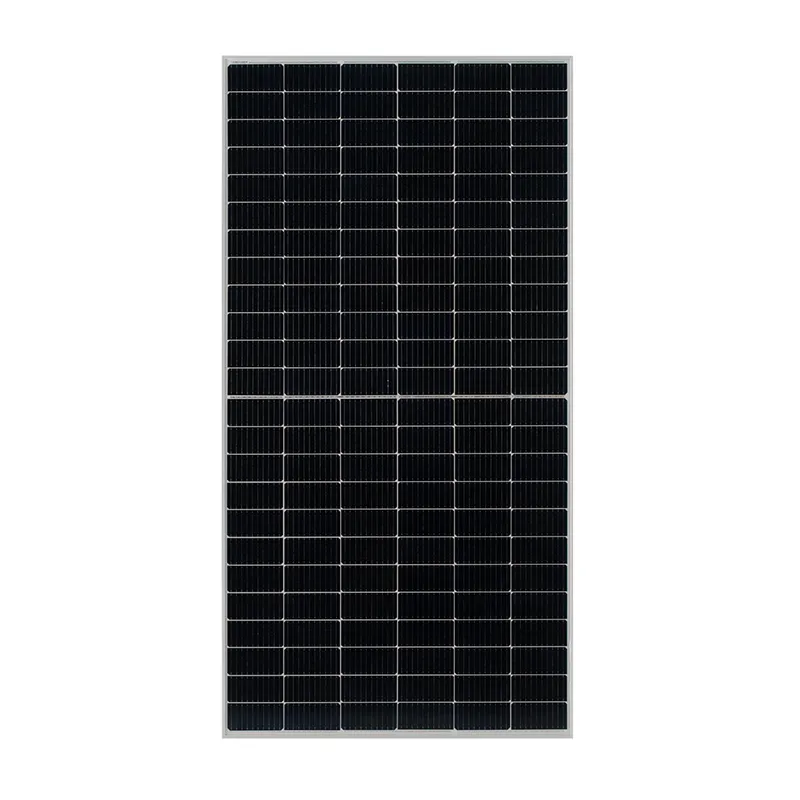
Understanding the Cost to Replace Solar Panels: Key Factors and Global Insights
Understanding the Cost to Replace Solar Panels: Why It Matters in Today’s Energy Landscape
Solar energy has been this rising star in the global push towards sustainability— bright, promising, and with a whispered promise to save energy bills. But, like any tech, solar panels don’t last forever. Knowing the cost to replace solar panels isn’t just an accountant’s headache; it’s critical for homeowners, businesses, and even humanitarian organizations planning energy futures. This knowledge helps in budgeting, evaluating sustainability over time, and avoiding nasty surprises.
Global Context: A Growing World's Solar Reliance and the Replacement Challenge
Globally, solar energy capacity is soaring. According to the International Renewable Energy Agency (IRENA), solar installations have quadrupled in the last decade. The UN's renewable energy report highlights that by 2030, solar could cover up to 30% of global electricity needs. Yet, as these panels age, replacing them becomes a glaring challenge—whether due to wear and tear, damage, or the push for more efficient models.
Why does that matter so much? Well, the cost to replace solar panels impacts everything from energy price stability to environmental footprint. For utilities or remote communities relying heavily on solar, replacement costs can define project viability. It’s an often overlooked cog in green energy machinery.
What Exactly Does the Cost to Replace Solar Panels Mean?
Simply put, the cost to replace solar panels is the total expense involved when swapping out old or malfunctioning solar panels with new ones. This includes the price of the panels themselves, labor, transport, potential system downtime, and sometimes ancillary equipment.
This concept is closely linked with the lifespan and efficiency of photovoltaic systems and plays a pivotal role not only in household budgeting but also in large-scale solar farm maintenance. For humanitarian needs—think remote villages or disaster zones—knowing replacement costs ensures reliable power without unexpected interruptions.
Mini takeaway:
The cost to replace solar panels is a mix of material, labor, and system integration expenses that directly influences long-term energy planning.
Key Factors Affecting the Cost to Replace Solar Panels
1. Panel Durability and Lifespan
Many engineers say modern solar panels last about 25–30 years, but factors like weather exposure or substandard installation can shorten this. More durable panels might cost more upfront but pay off with fewer replacements.
2. Advances in Panel Efficiency
Cost isn’t static — newer solar panels offer better efficiency, sometimes 20–25%, compared to older models hitting around 15%. That jump affects how many panels you need, influencing replacement scales and costs.
3. Labor and Installation Charges
Replacing solar panels isn’t just “plug and play.” It can require specialized technicians, especially if roofing or mounting hardware also needs repair or upgrading.
4. Government Incentives and Tariffs
Regional policies can either cushion or spike replacement costs. For instance, some countries provide rebates for upgrading to more efficient panels, while others impose tariffs on imported solar products.
5. Geographic and Environmental Conditions
Harsh climates—extreme heat, snow, salt air—can accelerate damage, influencing replacement frequency and expense.
Mini takeaway:
The cost to replace solar panels hinges on panel quality, labor, market forces, and environmental wear—in a dance that makes exact estimates tricky but critical.
Product Specification Table: Typical Solar Panel Replacement Components
| Component | Specification | Typical Cost (USD) |
|---|---|---|
| Monocrystalline Solar Panel | 60-cell, 320W – 350W output | $180 – $350 per panel |
| Labor and Installation | Certified technician, 4–8 hours | $200 – $500 |
| Mounting Brackets and Wiring | Aluminum frame fittings, copper wiring | $50 – $150 |
| System Downtime Costs | Energy loss during replacement | Varies by size, $0 – $200 estimated |
Global Use Cases: Who's Feeling the Impact of Solar Panel Replacement Costs?
In emerging economies, replacing solar installations can either empower rural electrification or become a financial barrier that stalls it. NGOs working in off-grid areas, particularly in Africa and Southeast Asia, often rely on understanding these costs to sustain renewable energy projects over decades.
In industrial areas like deserts or mining sites, where solar power often supplements grid supply, replacement costs influence operational reliability and downtime. Oddly enough, even developed regions face challenges; for example, California and Australia’s solar homeowners reckon with system upgrades or replacements as old panels weaken.
Mini takeaway:
From African villages to Aussie suburbs, understanding replacement costs shapes energy access and sustainability stories everywhere.
Vendor Comparison Table: Typical Replacement Panel Providers
| Vendor | Price per Panel (USD) | Warranty | Global Shipping | Sustainability Certifications |
|---|---|---|---|---|
| SolarTech Pro | $200 – $330 | 25 years performance | Yes | ISO 14001, UL Listed |
| SunEdge Panels | $180 – $310 | 20 years performance | Limited regions | RE100, Energy Star |
| EcoSolar Supplies | $220 – $350 | 25 years product + performance | Worldwide | Cradle to Cradle Certified |
Advantages & Long-Term Value of Knowing Your Solar Panel Replacement Costs
Understanding replacement costs isn’t just about dollars and cents; it’s about trust, peace of mind, and sustainability. You see, when a homeowner or a business can plan for replacement, it translates into fewer surprises and more predictable finances.
Socially, it means communities—particularly vulnerable or low-income—can maintain reliable energy sources without abrupt interruptions. Environmentally, opting for efficient replacements reduces wasted resources and supports greener energy cycles.
What’s Ahead? Trends and Innovations Influencing Replacement Costs
Fast forward a few years, and smart solar panels equipped with IoT sensors will predict failures before they happen, allowing for just-in-time replacements that cut costs. Materials like perovskite promise cheaper, lighter, and more flexible panels, which could change replacement economics drastically.
On the policy front, more governments are pushing “right to repair” laws and sustainability mandates that encourage recycling and refurbishment, trimming the environmental and financial burdens of full panel swap-outs.
Challenges and How the Industry is Tackling Them
A big hurdle remains the labor costs associated with replacement, especially in remote or hard-to-reach locations. Also, the disposal of old panels poses environmental challenges. Thankfully, innovations in modular panel design and recycling programs are gaining traction, making replacements more affordable and greener.
FAQ: Cost to Replace Solar Panels
Q1: How much does it typically cost to replace solar panels on a residential roof?
A1: For a typical residential installation of 15–20 panels, replacement costs range between $4,000 and $7,000 including labor. Factors like panel type, roof accessibility, and regional labor rates strongly influence this figure.
Q2: Can newer solar panels improve the overall system output even after replacement?
A2: Absolutely. Newer, higher-efficiency panels can boost total output by 10–20%, meaning fewer panels might be needed for the same power. This can offset some replacement expenses long term.
Q3: Are there financing options or incentives for replacing solar panels?
A3: Many regions offer rebates, tax credits, or financing plans to ease replacement costs. It’s smart to consult local policies before scheduling replacements to take advantage of such programs.
Q4: How often should solar panels be expected to need replacement?
A4: Most panels reliably last 25–30 years, but replacement might be needed sooner in harsh climates or after damage. Regular monitoring helps anticipate replacements.
Q5: What happens to old solar panels when they’re replaced?
A5: Ideally, old panels are recycled or refurbished. However, recycling infrastructure is still developing globally. Choosing vendors committed to responsible disposal helps reduce environmental impact.
Conclusion: Planning Ahead for Sustainable Solar Panel Replacement
To wrap it all up, the cost to replace solar panels is more than just a budget line—it’s a strategic factor in ensuring the sustainability, reliability, and environmental friendliness of solar power systems in the long run. By understanding what influences replacement expenses, from panel durability to labor and policies, you’re basically future-proofing your energy setup. And if this has sparked your interest or you want tailored advice, I encourage you to visit https://www.benjiusolar.com for deeper insights and solutions geared toward your solar needs.
Final thought:
Solar power’s promise shines brightest when we make smart plans for every phase—generation, maintenance, and yes, replacement.
References
-
Designing a Modern Home Roof Made Out of Solar Panels GuideNewsApr.16,2026
-
Guide to the Size of 150 Watt Solar Panel for Your ProjectNewsApr.09,2026
-
Understanding the Dimensions and Applications of a 200W Solar PanelNewsApr.07,2026
-
Understanding the Dimensions and Factors of a 330W Solar Panel SizeNewsApr.04,2026
-
Understanding the Size and Dimensions of a 4kW Solar Panel System for Your HomeNewsMar.31,2026
-
Comprehensive Guide to Sizing Your Solar System for Optimal Energy ProductionNewsMar.28,2026