North Facing Solar Panels – Adaptive Solar Solutions for Urban & Remote Energy Needs
Understanding North Facing Solar Panels: What They Are and Why They Matter
When we talk about solar panels, most of us think about installing panels that face south (in the northern hemisphere) to capture the maximum sunlight. But what if your rooftop or installation site faces north? Enter north facing solar panels, a solution that’s increasingly relevant in urban environments, developing regions, and innovative energy projects worldwide. Simply put, understanding how to optimize solar panel placement—even on “less ideal” orientations—can open doors to sustainable energy access everywhere.
The Global Context: Why North Facing Solar Panels Are Gaining Attention
As governments and industries ramp up their green energy commitments, the World Bank estimates that solar power installations will grow by over 20% annually in emerging markets alone. Yet not every building or structure has the luxury of a perfectly south-facing roof. Urban density, architectural constraints, or natural shading can limit panel placement to north-facing areas.
This challenge has brought north facing solar panels into sharper focus: if we want to truly democratize solar energy, we need options that work for various orientations and geographies. The International Renewable Energy Agency (IRENA) notes that optimizing panel angles and placements—even if not “textbook perfect”—can still deliver 70-80% of the output compared to ideal setups.
This is particularly crucial for humanitarian projects, remote off-grid communities, or industries needing reliable energy irrespective of roof orientation.
What Exactly Are North Facing Solar Panels?
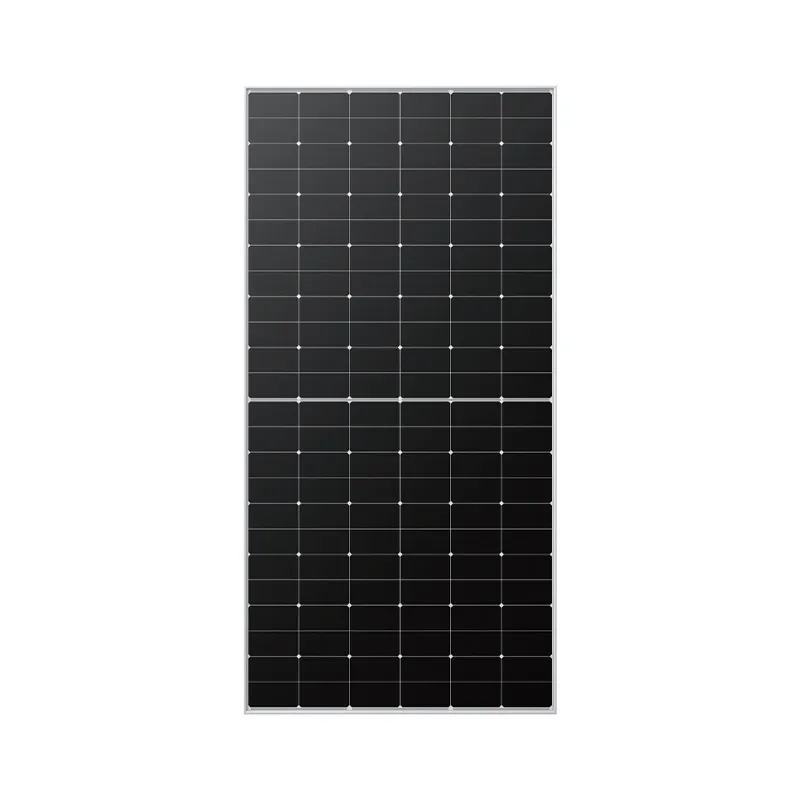
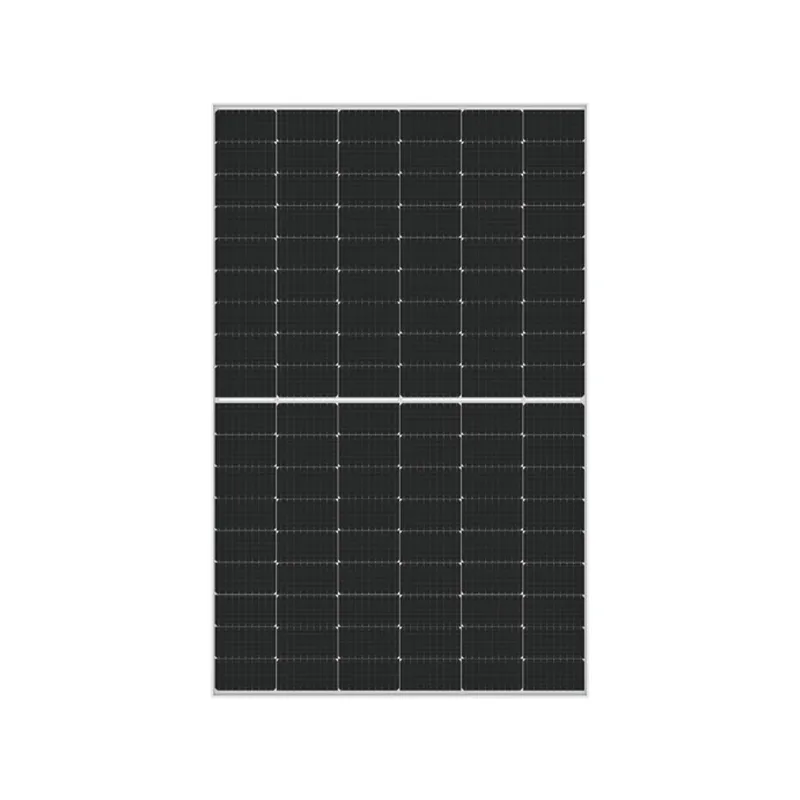
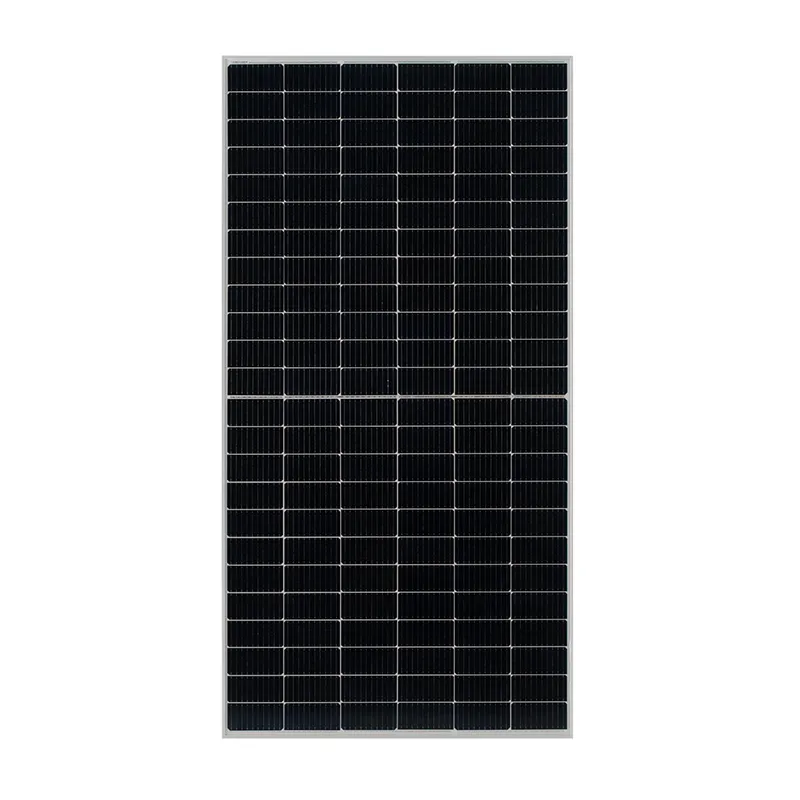
At its core, a north facing solar panel system consists of photovoltaic (PV) modules installed on surfaces oriented towards the north rather than the typically preferred south (northern hemisphere) or south towards north (southern hemisphere). In practical terms, this means the panels capture less direct sunlight but can still generate meaningful electricity when paired with thoughtful design considerations.
Interestingly, the term also reflects a mindset shift—moving away from “perfect” focus and toward adaptability, making solar viable in more places. The demand for these systems comes from everything from city apartments with limited roof space to off-grid solar-powered devices designed for humanitarian use in unpredictable locations.
Core Factors Influencing North Facing Solar Panel Performance
1. Panel Technology and Efficiency
Higher-efficiency solar cells, such as monocrystalline types, tend to perform better in less sunny or non-optimal orientations like north facing installations. These cells maximize limited sunlight and make up some ground on energy yield.
2. Tilt Angle Optimization
Instead of just pointing straight north, adjusting the tilt angle can improve solar capture. For example, tilting panels more steeply can help compensate for lower irradiance during the day.
3. Use of Tracking Systems
Though not always cost-effective for smaller systems, some north facing panel installations leverage solar trackers or adjustable mounts. These can follow the sun’s path slightly better, boosting output substantially.
4. Weather and Shading Considerations
North facing roofs are sometimes less shaded by trees or neighboring buildings, ironically giving them an edge in urban areas. Careful site assessment can reveal if north facing panels might actually outperform partially shaded south facing ones.
5. Panel Durability and Warranty
Since north facing panels may be subject to slightly different UV and weather exposure, choosing robust panels with solid warranties is smart—especially when installations are meant to last decades.
Mini Takeaway:
Even if your roof points north, modern solar technology combined with smart installation practices can harness meaningful clean energy, challenging the “south-facing only” dogma.
Real-World Uses: Where North Facing Solar Panels Shine
Globally, this technology finds diverse applications:
- Urban Apartments and Offices: In cities like London, Tokyo, or New York, dense building clusters mean north facing panels are often the only option. They help reduce reliance on grid electricity and lower rooftop energy costs.
- Remote Industrial Sites: Mining or communication stations located where terrain limits south exposure can rely on north facing arrays to keep operations running sustainably.
- Post-Disaster Relief: Relief organizations sometimes deploy portable solar kits that must adapt to available surfaces, including north facing walls and structures, enabling quick energy supply in emergencies.
- North facing solar panels also find traction in agricultural setups where barn roofs or equipment shelters face north, powering irrigation and processing tools.
Advantages and Long-Term Benefits of North Facing Solar Solutions
While it’s true that north facing solar panels might produce slightly less energy per unit area, their strategic advantages include:
- Cost Savings: Enabling solar installations without expensive roof modifications or complicated re-orientation saves money upfront.
- Increased Installation Flexibility: More rooftops become candidates for solar, expanding access.
- Social and Environmental Impact: Providing renewable energy options in constrained environments supports sustainability and energy equity goals.
- Reliability: Often placed where shading is minimized, these installations can be surprisingly consistent in output.
- Emotional Satisfaction: Users often express pride in making green choices even when conditions aren’t “ideal.”
Innovations and Trends Shaping the Future of North Facing Solar Panels
As digital transformation sweeps through the energy sector, we’re seeing some fascinating innovations tailored to solve orientation challenges:
- Advanced PV Materials: Bifacial solar panels that capture reflected light from both sides, increasing yield even on less optimal axes.
- AI-Driven Installation Planning: Software models predicting best tilt and angle settings based on microclimate and building parameters.
- Hybrid Systems: Incorporating battery storage and integrating with smart home grids to optimize north facing panel usage.
- Green Policy Incentives: Increasing government subsidies recognizing the value of adaptable solar panel installations.
Overcoming Challenges in North Facing Solar Panel Deployment
Of course, it’s not all sunshine and rainbows. The key challenges—and their emerging solutions—include:
- Lower Energy Output: Mitigated through high-efficiency panels and better tilt or tracking.
- Routing Wiring in Complex Urban Roofs: Solved by modular, scalable system designs and skilled electricians.
- Perception Issues: Educating stakeholders on realistic expectations and benefits to reduce reluctance.
- Cost Concerns: Overcome with innovative financing, such as power purchase agreements tailored for unconventional installations.
North Facing Solar Panels: Product Specification Table
| Specification | Typical Value | Notes |
|---|---|---|
| Panel Type | Monocrystalline | Higher efficiency for limited light |
| Nominal Power Output | 300–350 Wp | Depends on size and efficiency |
| Tilt Angle | 30°–60° | Optimized to compensate orientation |
| Durability | 25 years warranty | Designed for urban & harsh weather |
| System Type | Grid-tied or off-grid | Flexible deployment |
Comparing Leading Vendors for North Facing Solar Panels
| Vendor | Panel Efficiency | Warranty | Availability | Price Range |
|---|---|---|---|---|
| SolBright Co. | 21.5% | 25 years | Global | $$ |
| HelioNorth Ltd. | 22.3% | 20 years | Europe & Asia | $$$ |
| EcoPanel Solutions | 20.8% | 30 years | North America | $ |
Frequently Asked Questions About North Facing Solar Panels
Q1. Can north facing solar panels produce enough energy for home use?
Absolutely. Though their output may be somewhat lower than ideal south-facing panels, with efficient technology and tilt optimization, they can still cover a significant portion of household energy needs, especially when combined with energy-saving measures.
Q2. Are north facing solar panels more expensive?
Installation costs might be similar or slightly higher if special mounts or tracking systems are used, but the panel prices themselves don’t differ. Often, avoiding costly roof modifications balances the cost.
Q3. How long do north facing solar panels typically last?
Most quality solar panels come with a 25-year warranty and can last up to 30 years or more, regardless of orientation, provided they are well-maintained.
Q4. Can these panels be used in off-grid or disaster relief scenarios?
Yes, their adaptability makes them suitable for portable or quickly deployed solar solutions, often used by NGOs and relief agencies in diverse environments.
Q5. Where can I learn more about adaptable solar installations?
For detailed info on north facing solar panels and more flexible systems, visit our dedicated solar resource page.
Wrapping Up: North Facing Solar Panels Are More Than Just a Compromise
To sum it up, north facing solar panels might not be the superstar headline grabbers you'd expect, but in reality, they play an unsung vital role in expanding solar energy’s reach. From cramped urban rooftops to remote industrial zones, their adaptive approach unlocks green power in places once considered unsuitable. With ongoing innovations, their potential only grows stronger.
If you’re considering solar options—whether your roof faces north or you’re planning a community project—tap into these flexible solutions and lead your energy transition smartly.
Curious to learn more? Check out north facing solar panels and start your green journey today.
References:
1. International Renewable Energy Agency (IRENA) – irena.org
2. World Bank Group – worldbank.org
3. Wikipedia: Solar Panel Orientation – en.wikipedia.org
-
Designing a Modern Home Roof Made Out of Solar Panels GuideNewsApr.16,2026
-
Guide to the Size of 150 Watt Solar Panel for Your ProjectNewsApr.09,2026
-
Understanding the Dimensions and Applications of a 200W Solar PanelNewsApr.07,2026
-
Understanding the Dimensions and Factors of a 330W Solar Panel SizeNewsApr.04,2026
-
Understanding the Size and Dimensions of a 4kW Solar Panel System for Your HomeNewsMar.31,2026
-
Comprehensive Guide to Sizing Your Solar System for Optimal Energy ProductionNewsMar.28,2026