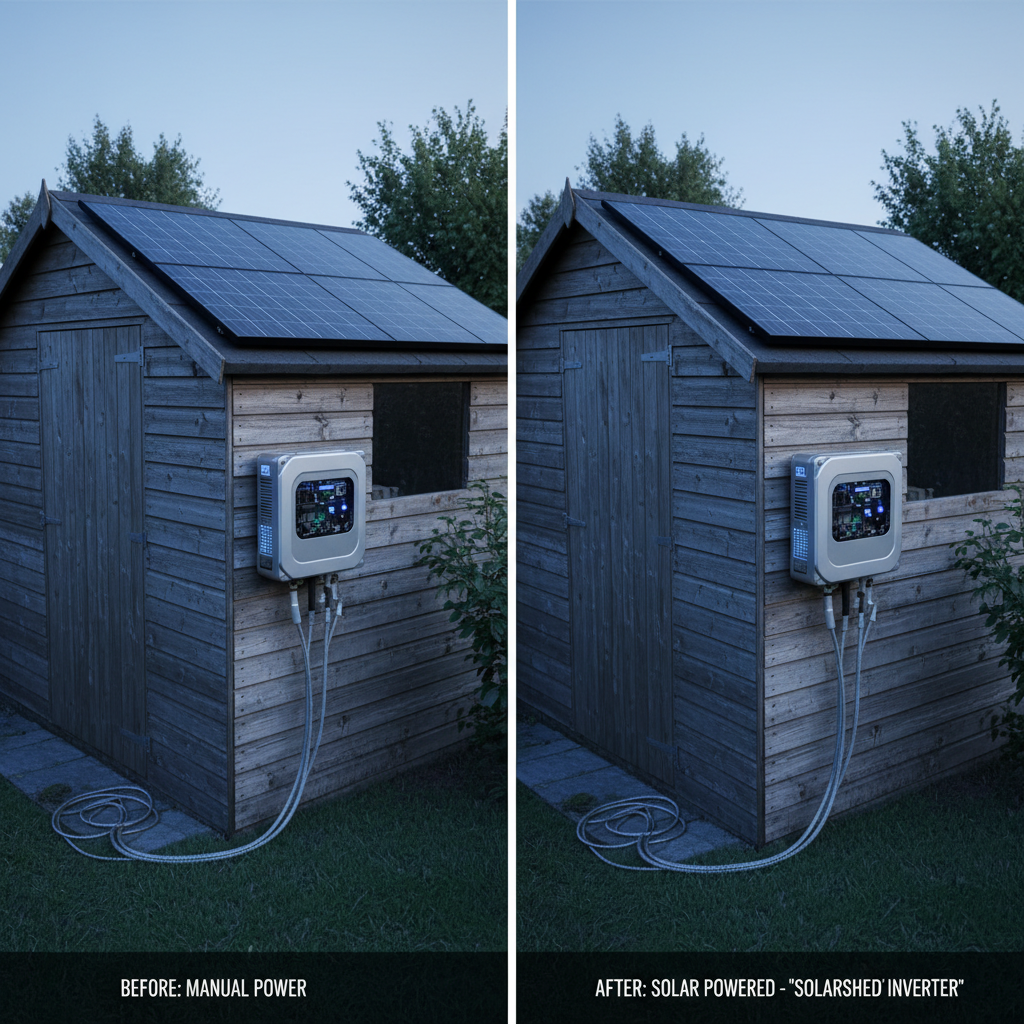
When evaluating the total cost of a photovoltaic installation, the 540 watt solar panel price often becomes a focal point for commercial and industrial buyers. This specific wattage represents a sweet spot in modern solar engineering, balancing high energy density with manageable physical dimensions for rooftop and ground-mount deployments.
Understanding the pricing of these high-output modules requires looking beyond the initial sticker price. Factors such as cell efficiency, bifacial capabilities, and long-term warranty structures fundamentally alter the Return on Investment (ROI) for energy projects.
In this professional analysis, we examine the market drivers affecting 540W module costs and how procurement strategies can be optimized to ensure maximum energy generation performance per dollar spent.

Market Dynamics Influencing 540W Solar Module Costs

The pricing of 540W solar panels is not static; it is the result of a complex interplay between raw material availability, such as polycrystalline and monocrystalline silicon, and the scaling of manufacturing automation. As the industry shifts toward larger wafer sizes and higher efficiency cells, the cost per watt typically decreases, but the absolute price per panel reflects the increased material volume.
National policies and clean energy subsidies also play a critical role. In markets where industrial distribution is supported by government mandates, the 540W module has become a standard for commercial rooftops due to its ability to maximize limited space. This high demand often stabilizes the price point even when smaller residential panels fluctuate.
Furthermore, the logistical costs associated with shipping these larger modules impact the final delivered price. Buyers must consider whether the higher power output justifies the increased shipping and handling requirements compared to standard 400W modules.
Technical Specifications Driving Premium Pricing
Not all 540W panels are priced equally. The primary differentiator is the cell technology—specifically the use of bifacial designs. Bifacial solar panels can capture sunlight on both sides, significantly increasing the total energy yield in environments with high albedo, such as sandy or snowy terrain.
Another critical factor is the integration of intelligent monitoring and fast shutdown capabilities. Modules that incorporate these safety and optimization features command a higher price but reduce long-term operational risks and improve system reliability.
Warranty terms also act as a price driver. A standard 5-year warranty on materials is common, but premium modules often offer an extended 25-year linear power output guarantee, which provides the financial certainty required for large-scale infrastructure loans.
Strategic Application Scenarios for High-Wattage Panels
High-output 540W modules are ideally suited for industrial and commercial distribution markets. In these settings, the goal is to achieve the highest possible kilowatt-peak (kWp) installation within a fixed square footage of rooftop or idle land.
For off-grid solar inverter systems, these panels allow for a reduced number of total modules to reach the necessary charging threshold for energy storage batteries. This simplifies the mounting structure and reduces the amount of wiring required, potentially lowering the overall balance-of-system (BOS) costs.
Additionally, the deployment of 540W panels in on-grid systems helps commercial entities meet sustainability goals more rapidly. By increasing the density of the power station, companies can maximize their self-consumption of green energy and reduce reliance on the volatile grid pricing.
Analyzing Energy Yield vs Initial Expenditure
The true value of a 540W solar panel is found in the ratio of energy generation to the initial capital expenditure. While the absolute cost per unit is higher than lower-wattage alternatives, the cost per watt is often lower due to economies of scale in production.
When comparing a standard panel to a high-efficiency 540W model, the primary gains are seen in reduced installation labor and fewer racking components. The following metrics illustrate the relative performance gains in typical commercial environments.
540 watt solar panel price Performance Metrics
The data suggests that while the initial investment may be higher, the accelerated energy harvest leads to a shorter payback period. This is particularly evident in regions with moderate solar irradiance where every percentage of efficiency is vital.
Procurement Framework for Commercial Solar Projects
Procuring solar equipment for large-scale distribution requires a rigorous evaluation of supplier certifications. Standards such as ISO 9001, IEC 61215, and TUV SUD Mark are non-negotiable for ensuring that the 540W panels will perform reliably over their 25-year lifespan.
Buyers should assess the manufacturer's ability to provide comprehensive energy solutions, including compatible solar inverters and energy storage batteries. A unified system from a single provider often reduces integration errors and streamlines after-sales service.
It is also advisable to request detailed linear power output degradation charts. A high-quality 540W panel should maintain a significant percentage of its rated power even in year 25, which is the key to maintaining a positive cash flow throughout the project life.
Future Trends in High-Efficiency Photovoltaic Materials
The trajectory of the solar industry suggests that we are moving toward even higher wattages through the adoption of TOPCon and HJT cell technologies. These innovations may further lower the cost per watt while increasing the efficiency of 540W and larger modules.
Integration with AI-driven intelligent monitoring is likely to become standard. Real-time optimization at the component level can maximize power station capacity by independently managing the output of each module, effectively mitigating the impact of partial shading.
Environmental sustainability in manufacturing is also expected to influence pricing. As the industry adopts more eco-friendly silicon purification processes, the "green premium" may shift, rewarding manufacturers who reduce the carbon footprint of the panel production itself.
Comparative Analysis of 540W Solar Solution Types
Choosing the right 540W configuration depends entirely on the site conditions and the energy goal. A bifacial module is superior for open ground with reflective surfaces, whereas a regular mono-facial panel is more cost-effective for dark-shingled rooftops.
The following table compares different implementation models based on technical approach and operational conditions to guide the final selection process.
| Solution Model | Primary Technology | Best Use Case | Cost Driver |
|---|---|---|---|
| Bifacial Commercial | Dual-Glass Cell | Albedo-Rich Ground | High Glass Cost |
| Standard Industrial | Mono-PERC | Flat Factory Roof | Scale Production |
| Off-Grid Hybrid | High-Efficiency Mono | Remote Power Hubs | Inverter Matching |
| Urban Distribution | Compact 540W Frame | Limited Roof Space | Installation Labor |
| Agricultural Solar | Bifacial Elevated | Agrivoltaics/Fields | Mounting Height |
| Utility Scale | Large Format Mono | Solar Farm Arrays | Logistics/Shipping |
Ultimately, the optimal choice is the one that minimizes the Levelized Cost of Energy (LCOE). Buyers are encouraged to review the full product range and company capabilities at www.benjiusolar.com to align their technical requirements with the most efficient hardware.
Frequently Asked Questions
Conclusion
Investing in 540W solar panels is a strategic decision that balances immediate capital expenditure with long-term energy gains. For commercial operators, the ability to maximize power density leads to a more efficient use of space and a faster path to energy independence.
By focusing on certified quality, bifacial advantages, and comprehensive system integration, businesses can ensure their photovoltaic investment remains productive for decades. For those seeking detailed specifications or customized energy solutions, the resources available at www.benjiusolar.com provide a professional starting point for procurement.