When evaluating the 1 solar panel price, it is essential to understand that the cost is not merely a purchase price but an investment in long-term energy independence. The price of a single solar panel fluctuates based on technology—such as monocrystalline versus polycrystalline—as well as the total wattage and the efficiency rating of the cells. For most users, understanding the price per watt is the most accurate way to gauge value and predict the return on investment for their specific installation.
The global shift toward sustainable energy has made photovoltaic systems more accessible, yet many buyers struggle with the complexity of pricing structures. Factors such as regional subsidies, installation labor, and the choice between on-grid or off-grid inverters significantly impact the final expenditure. In the current market, the challenge lies in balancing the initial capital outlay with the quality of materials to ensure the system operates reliably for two decades or more.
This guide provides a comprehensive analysis of solar panel pricing, focusing on how to select the right hardware for residential and commercial applications. We will explore the technical specifications that drive cost, compare different panel types, and provide procurement strategies to help you maximize energy yield while minimizing expenses. By the end of this article, you will have the necessary criteria to evaluate quotes and select a system that aligns with your energy goals.

1Understanding the Components of Solar Pricing

The 1 solar panel price is influenced by several core factors beyond the silicon wafers themselves. The manufacturing process, the quality of the tempered glass, and the framing materials all contribute to the final cost. Higher-end panels often utilize PERC (Passivated Emitter and Rear Cell) technology to increase light capture, which adds a premium to the price but results in higher energy production per square meter of roof space.
Additionally, the scale of the project impacts the unit price. Procurement for industrial and commercial distribution typically allows for bulk discounts that are not available for small-scale residential setups. However, the inclusion of high-efficiency inverters—whether on-grid or off-grid—is where a significant portion of the system budget is allocated to ensure stable power conversion.
For those seeking a balanced investment, focusing on panels with a strong linear power output warranty is critical. A panel that maintains 80% of its original capacity after 25 years offers a much lower "lifecycle cost" than a cheaper panel that degrades rapidly within a decade.
2Technical Drivers of Panel Cost and Efficiency
The primary technical driver of the 1 solar panel price is the purity of the silicon. Monocrystalline panels, made from a single crystal structure, are more efficient and space-saving but generally more expensive to produce. Polycrystalline panels offer a lower entry price but require more surface area to produce the same amount of electricity, making them more suitable for large ground-mount arrays where space is not a constraint.
Modern innovations such as half-cut cell technology have also influenced pricing. By splitting cells in half, manufacturers reduce internal resistance and improve the panel's performance in shaded conditions. This architectural change helps in maximizing power station capacity by ensuring that a small amount of shade does not shut down the entire string of panels.
Furthermore, the integration of intelligent monitoring and fast-shutdown capabilities adds to the initial cost but is now a standard requirement for safety and compliance in many regions. These systems allow for real-time optimization, ensuring the output power is maximized throughout the day regardless of weather fluctuations.
3Application Scenarios for Different Solar Solutions
Solar applications have expanded from simple home rooftops to complex industrial ecosystems. For residential users, the goal is typically to reduce dependence on the traditional grid. In this scenario, a combination of regular solar panels and a hybrid inverter with energy storage batteries provides the best balance of cost and autonomy, allowing homeowners to use stored energy during peak pricing hours.
Commercial buildings, characterized by large roof areas, benefit from high-capacity distribution systems. These installations often utilize on-grid inverters to feed excess power back into the utility grid, effectively turning the roof into a revenue-generating asset. The focus here is on the lowest possible cost per kilowatt-hour (kWh) over the system's lifespan.
Beyond buildings, solar energy is increasingly integrated into transportation and marine sectors. From electric buses to aircraft, the integration of lightweight, high-efficiency panels allows for extended operation times and reduced environmental pollution, although these specialized applications often carry a higher price premium due to weight and durability requirements.
4Performance Analysis and ROI Metrics
Evaluating the 1 solar panel price requires a look at the energy generation performance. The efficiency rating—typically between 17% and 22% for commercial panels—determines how much sunlight is converted into usable electricity. While a higher efficiency panel costs more, it reduces the number of panels needed, thereby lowering the costs of mounting hardware and labor.
Return on Investment (ROI) is calculated by comparing the total system cost (including the panels and inverters) against the cumulative energy savings over time. Factors such as local electricity rates and available government tax credits can accelerate the payback period, often bringing it down to between 5 and 8 years for well-optimized systems.
1 solar panel price Performance Metrics
It is also important to consider the degradation rate. High-quality panels from reputable manufacturers like Hebei BenJiu New Energy Technology ensure that the power output remains stable. A typical high-grade panel might lose only 0.5% efficiency per year, ensuring that the financial model remains accurate over the 25-year project lifecycle.
5Procurement Guidelines for Solar Hardware
When sourcing solar panels and inverters, procurement teams should prioritize certifications over marketing claims. Standards such as ISO 9001, CE, TUV SUD, and UL are essential indicators of quality and safety. These certifications ensure that the panels have undergone rigorous testing for wind load, hail impact, and thermal cycling, which protects the investment against extreme weather.
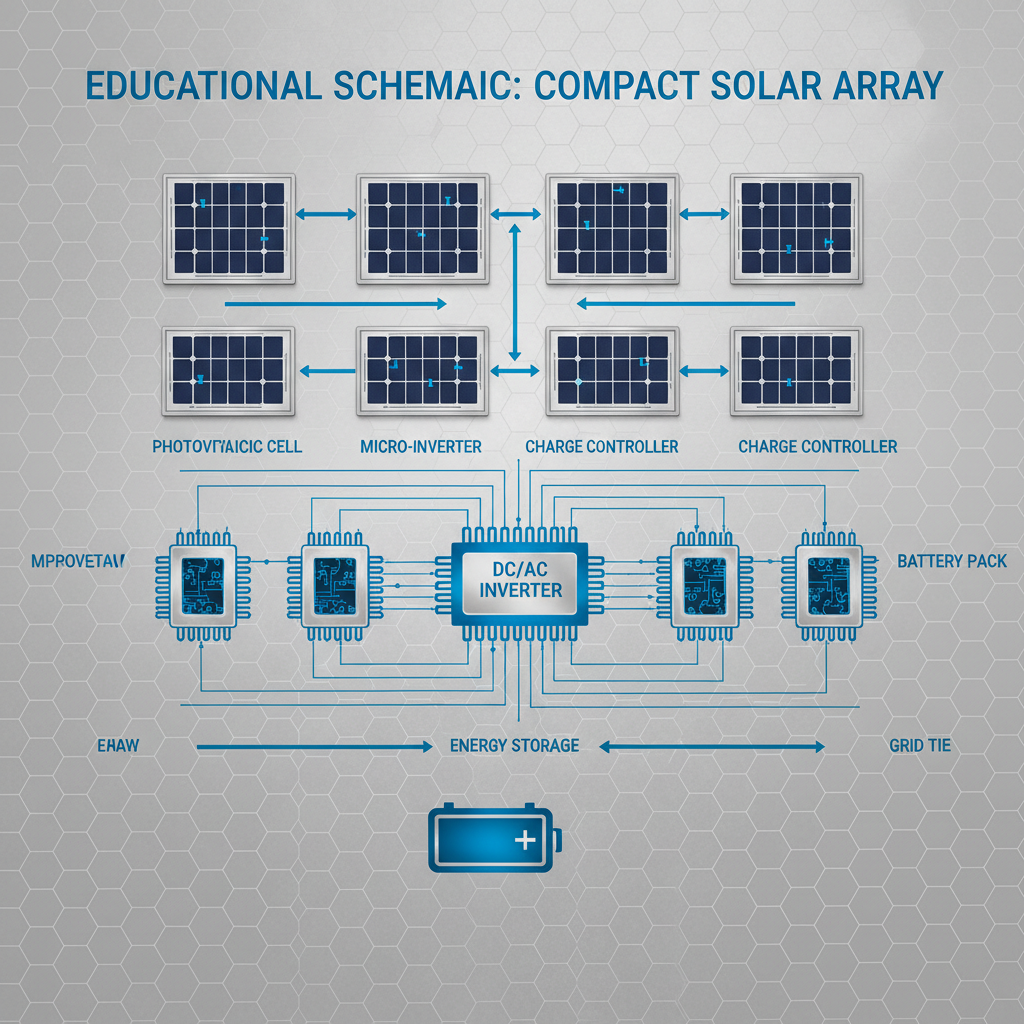
The choice of inverter is equally critical. Micro-inverters are ideal for roofs with complex angles or partial shading, as they allow each panel to operate independently. In contrast, string inverters are more cost-effective for large, open installations where panels are all exposed to the same light conditions. Matching the inverter capacity to the total panel wattage is key to avoiding energy clipping.
Finally, verify the warranty terms. A comprehensive warranty should cover both the materials and the processing (typically 5-12 years) and the linear power output (25 years). This ensures that the manufacturer stands behind the long-term performance of the product, providing peace of mind for the end-user.
6Future Trends in Photovoltaic Technology
The solar industry is moving toward "N-type" cell technology, which offers higher efficiency and lower degradation compared to traditional P-type cells. These advancements are gradually lowering the cost per watt, making high-efficiency systems more affordable for the general market. We are also seeing a rise in integrated solar solutions, such as BIPV (Building Integrated Photovoltaics), where solar cells are built directly into windows and facades.
Energy storage integration is the next major frontier. As battery costs continue to drop, the shift from simple "solar panels" to "complete energy solutions" is accelerating. This allows users to decouple their energy production from consumption, effectively eliminating the need for expensive grid upgrades in remote industrial zones.
Sustainability in manufacturing is also becoming a procurement factor. The industry is shifting toward "green" silicon production and recyclable panel frames, ensuring that the environmental benefits of solar energy are not offset by the carbon footprint of the manufacturing process.
7Comparison of Solar Panel Types and Selection
Selecting the right panel depends on a trade-off between available space, budget, and required energy output. For users with limited roof space, the higher price of monocrystalline panels is justified by their superior efficiency. For those with expansive land, polycrystalline or bifacial options provide a better cost-to-energy ratio.
The following table compares the most common options available in the current market to help you make an informed decision based on your specific deployment scenario.
| Panel Type | Efficiency | Best Use Case | Relative Cost |
|---|---|---|---|
| Monocrystalline | High (20%+) | Residential / Limited Space | Premium |
| Polycrystalline | Medium (15-17%) | Large Ground Mounts | Economic |
| Bifacial | Very High | Reflective Surfaces / Farms | Mid-High |
| Thin-Film | Low (10-13%) | Portable / Curved Surfaces | Variable |
| Half-Cut Cell | High | Shaded Roofs / Commercial | Mid-High |
| N-Type TOPCon | Highest | High-Performance Industrial | Premium |
Regardless of the type chosen, the integration of high-quality components—such as those offered by Hebei BenJiu New Energy Technology—ensures that the system meets international standards for safety and efficiency, maximizing the long-term value of the installation.
Frequently Asked Questions
Conclusion
Determining the right 1 solar panel price requires looking beyond the sticker price and evaluating the total value over the system's lifecycle. By prioritizing efficiency, verified certifications, and a strong warranty, you can ensure that your transition to renewable energy is both financially sustainable and technically reliable. Whether for a residential rooftop or a large-scale commercial project, the key to success lies in matching the technology to the specific environmental and energy demands of the site.
For procurement teams and homeowners seeking high-efficiency photovoltaic and energy storage solutions, reviewing detailed technical specifications is the first step toward a successful installation. You can explore the professional energy solutions and product ranges available at www.benjiusolar.com to find a system that optimizes both performance and cost.