Theoretical Maximum Solar Panel Efficiency Explained Simply
Understanding Theoretical Maximum Solar Panel Efficiency
Having spent a fair chunk of my career in the industrial equipment sector, especially around renewable energy gear, I’ve often found myself thinking about the age-old question: just how efficient can a solar panel really be? It’s a topic that’s tangled with physics, material science, and a healthy dose of real-world quirks. Today, I want to share some reflections on the theoretical maximum solar panel efficiency — because, frankly, it’s more fascinating and complex than most folks realize.
First off, the phrase “theoretical maximum solar panel efficiency” often brings to mind the Shockley-Queisser limit. Established in the 1960s, this is the fundamental cap on how much sunlight a traditional single-junction silicon solar cell can convert into electricity — hovering at about 33.7%. That number might feel oddly low if you’re expecting the near-perfection we get from, say, LED lights. But there are real physics constraints: photons have to have energies just right to free electrons; too high, and you lose the excess as heat, too low, and they pass right through.
Now, if you’re reading this on a sunny afternoon like I am, it’s tempting to think, “Why don’t we get closer to that limit in the real world?” The short answer is: environment, manufacturing tolerances, panel design, and materials. In real terms, most commercially available solar panels fall between 15% and 22% efficiency. I’ve worked on projects using panels from different vendors and it’s surprising how much those numbers can fluctuate based on subtle differences in silicon purity, anti-reflective coatings, and even panel architecture.
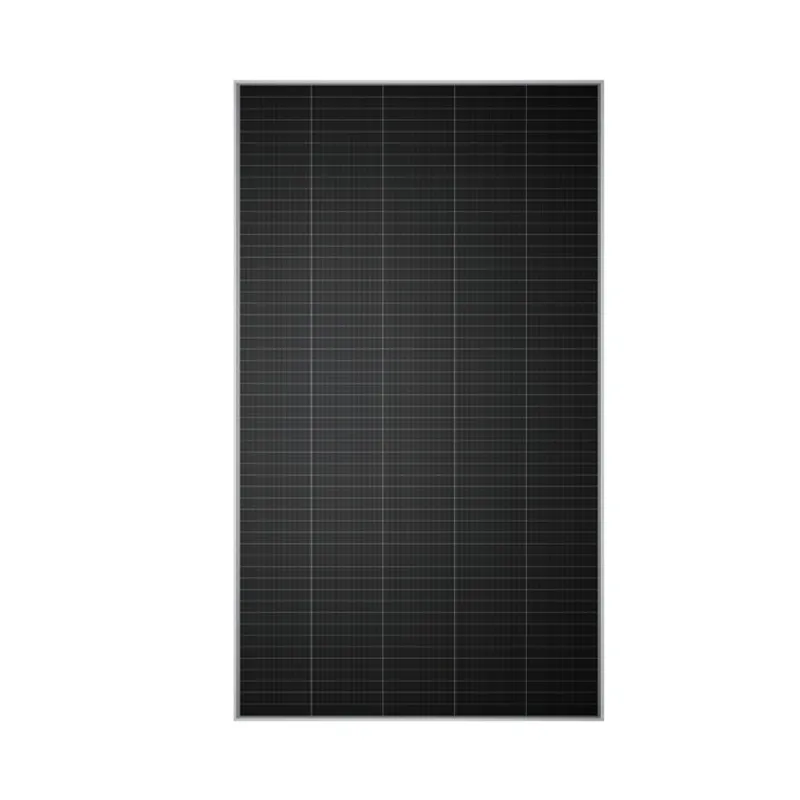
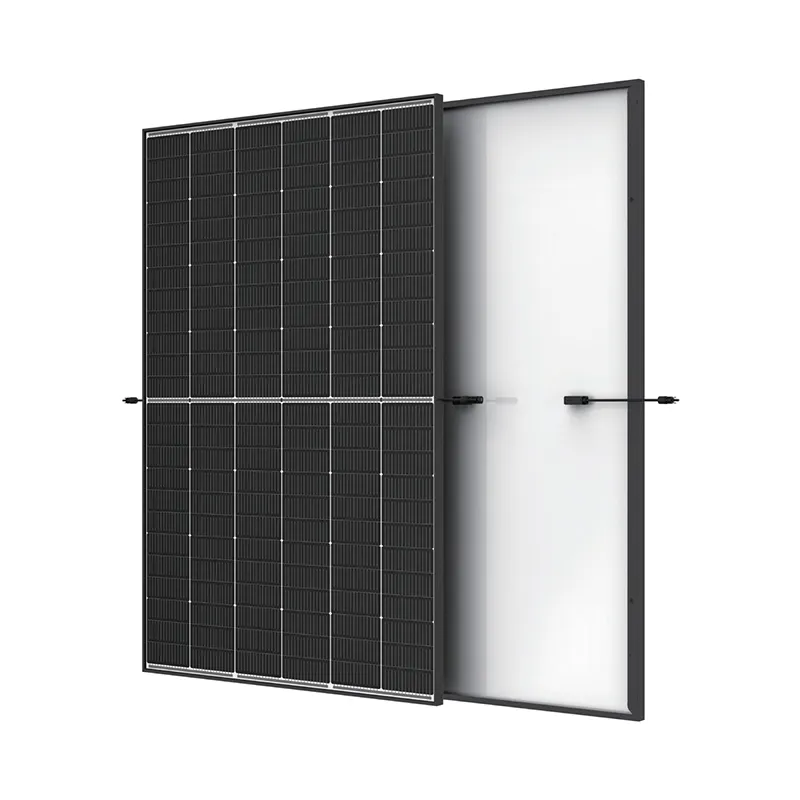
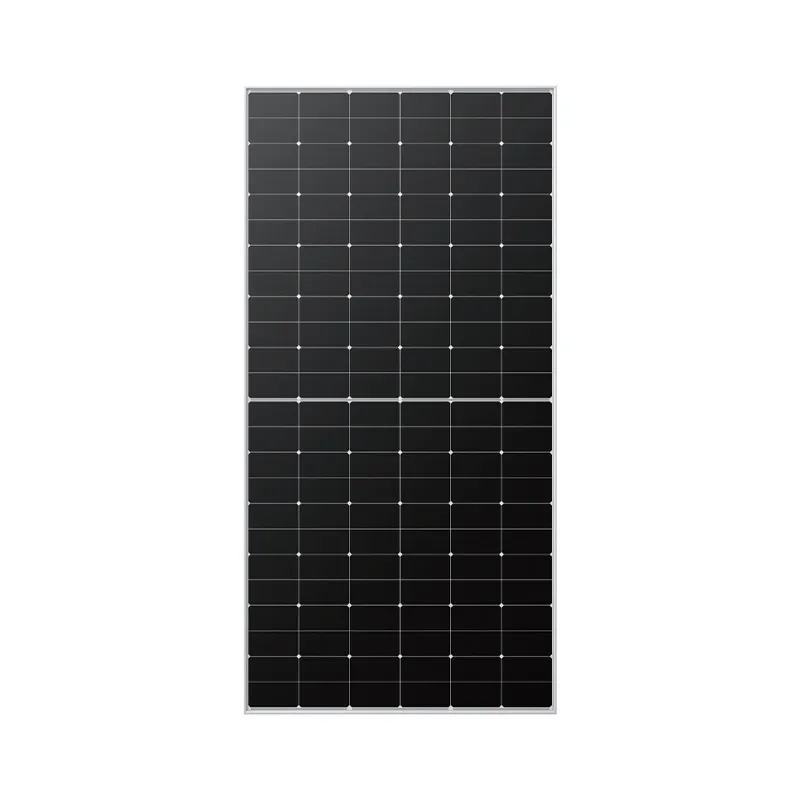
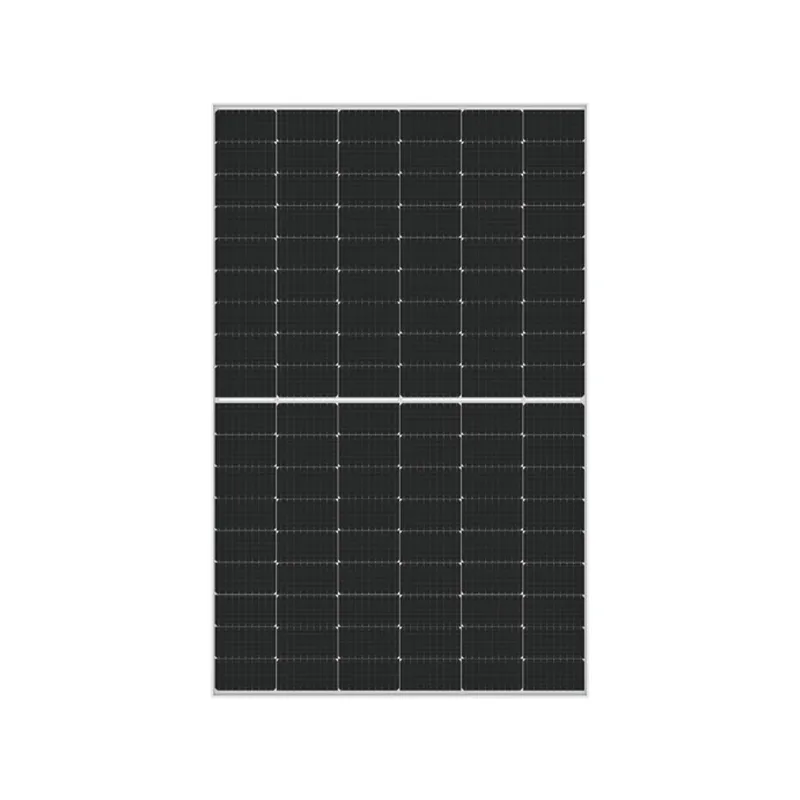
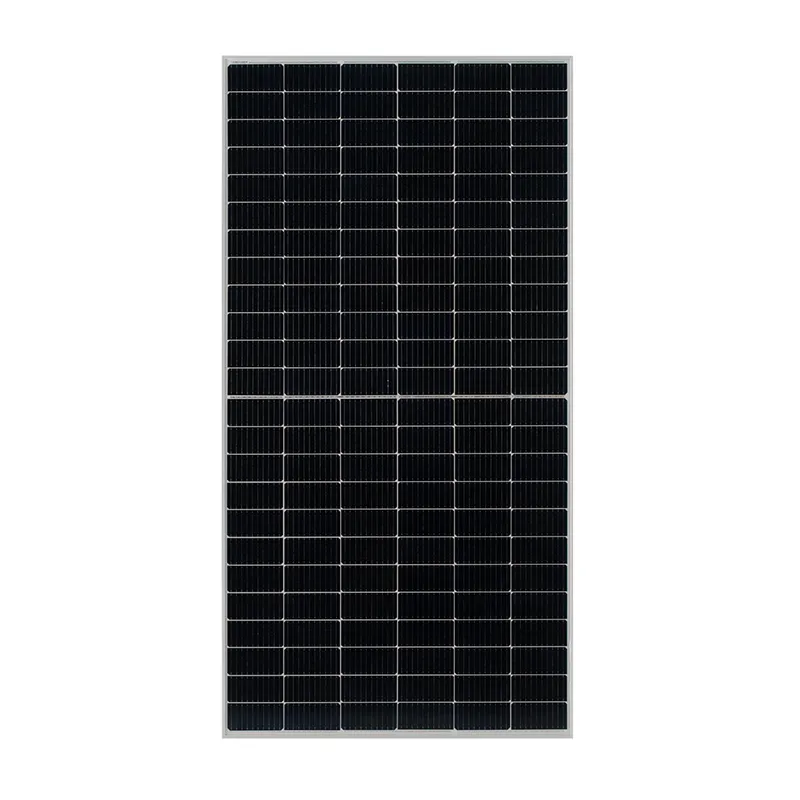
Speaking of that, here’s a quick glance at some typical product specifications for a high-efficiency panel you might find on the market:
| Specification | Typical Value |
|---|---|
| Module Efficiency | 21.5% |
| Power Output (Watt Peak) | 370W |
| Cell Type | Monocrystalline Silicon |
| Temperature Coefficient | -0.35%/°C |
| Operating Temperature Range | -40°C to 85°C |
From my experience, the devil’s really in the details – a few percentage points in efficiency gains might sound trivial, but can mean thousands of dollars saved or earned in industrial applications over time. Oddly enough, some smaller manufacturers start dipping their toes into multi-junction cells or new materials like perovskites to break the single-junction ceiling, but these solutions aren’t quite ready for widespread industrial deployment just yet.
To keep things practical, here’s a simple table comparing a few key solar vendors and their average efficiency figures—because I know many engineers and buyers wrestle with figuring out the most bang for their buck:
| Vendor | Typical Panel Efficiency | Warranty (years) | Special Features |
|---|---|---|---|
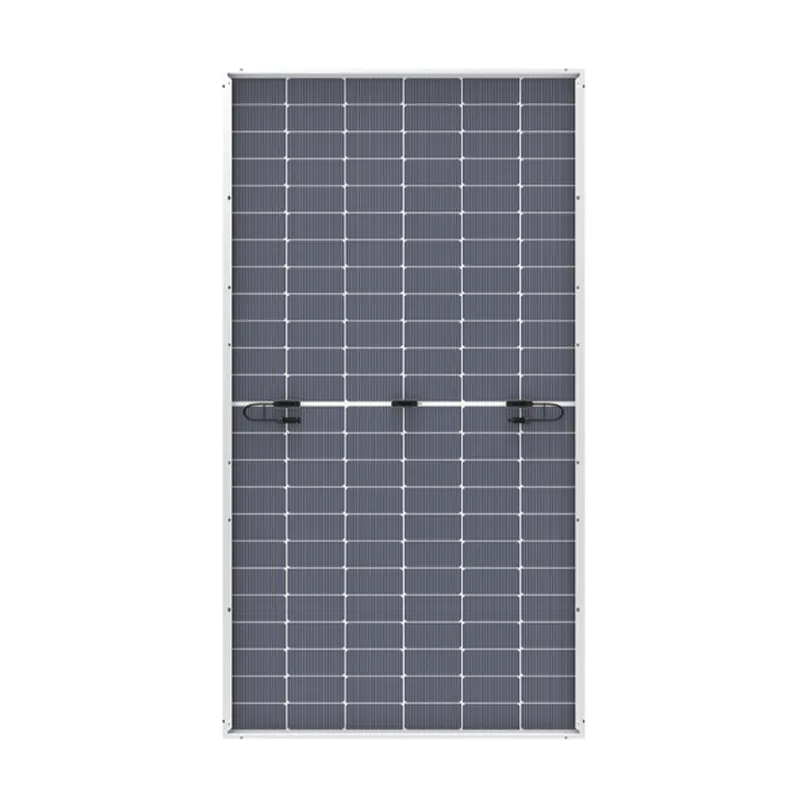
| Benjiu Solar | 21.2% | 25 | Anti PID, Bifacial Option |
| SolarMax | 20.5% | 20 | High-Temperature Resilience |
| EcoPanel Tech | 19.8% | 25 | Recyclable Materials |
Interestingly, I once worked on a pilot installation where we swapped out older polycrystalline panels for these higher-efficiency units from Benjiu Solar, and the difference in generated energy was noticeable almost right away. That project taught me how crucial matching the panel specs with the installation environment truly is — the extra few percent efficiency, combined with good temperature tolerance, really made a difference during peak summer months.
So what’s the takeaway? Well, if you’re looking into solar panels for industrial or commercial use, it pays to understand that the theoretical maximum solar panel efficiency might be an inspiring ceiling, but the practical efficiencies will vary depending on technology, environment, and your specific application needs.
And oddly enough, as solar tech evolves, it’s no longer just about smashing efficiency records — it’s also about durability, cost-effectiveness, and adaptability. If anything, that makes this field so engaging to follow.
References I have bookmarked for anyone curious to dig deeper:
- Shockley, W., & Queisser, H. J. (1961). Detailed Balance Limit of Efficiency of p-n Junction Solar Cells.
- National Renewable Energy Laboratory (NREL) Efficiency Chart – current solar cell efficiencies.
- Benjiu Solar product datasheets and case studies.
-
Designing a Modern Home Roof Made Out of Solar Panels GuideNewsApr.16,2026
-
Guide to the Size of 150 Watt Solar Panel for Your ProjectNewsApr.09,2026
-
Understanding the Dimensions and Applications of a 200W Solar PanelNewsApr.07,2026
-
Understanding the Dimensions and Factors of a 330W Solar Panel SizeNewsApr.04,2026
-
Understanding the Size and Dimensions of a 4kW Solar Panel System for Your HomeNewsMar.31,2026
-
Comprehensive Guide to Sizing Your Solar System for Optimal Energy ProductionNewsMar.28,2026