Theoretical Efficiency of Solar Panels Explained | Industrial Insights
Understanding the Theoretical Efficiency of Solar Panels
Having spent a few decades in the industrial equipment sector, particularly on renewable technologies, I’ve come to appreciate the nuances behind solar panels—their promises, their limits, and especially their theoretical efficiency. Oddly enough, what looks great on spec sheets often has a fair bit of practical fuzziness around it. But it’s that theoretical ceiling that intrigues many engineers and installers, because it defines what’s possible in the best-case scenario.
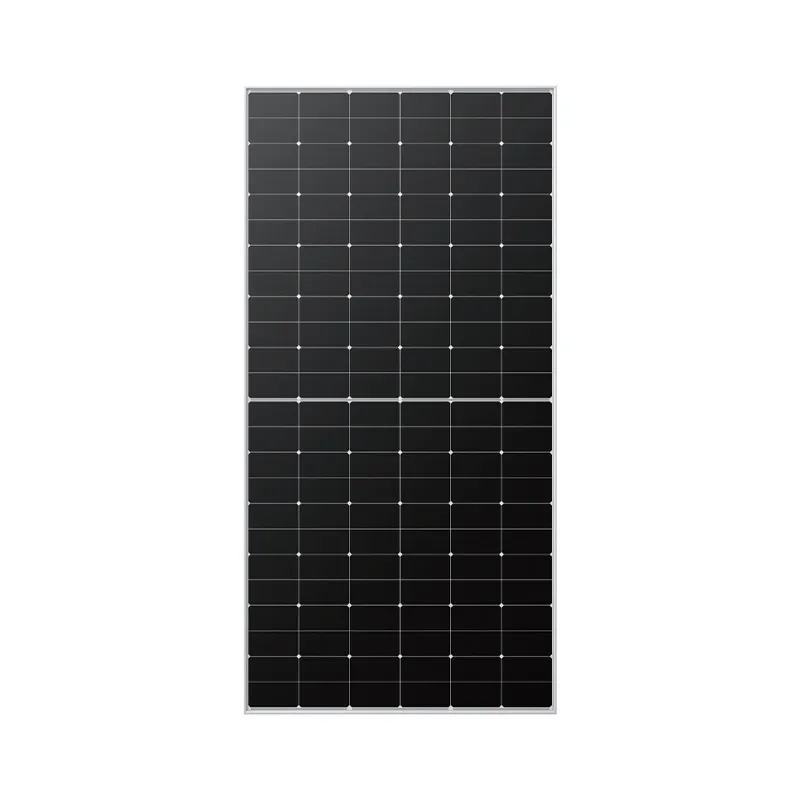
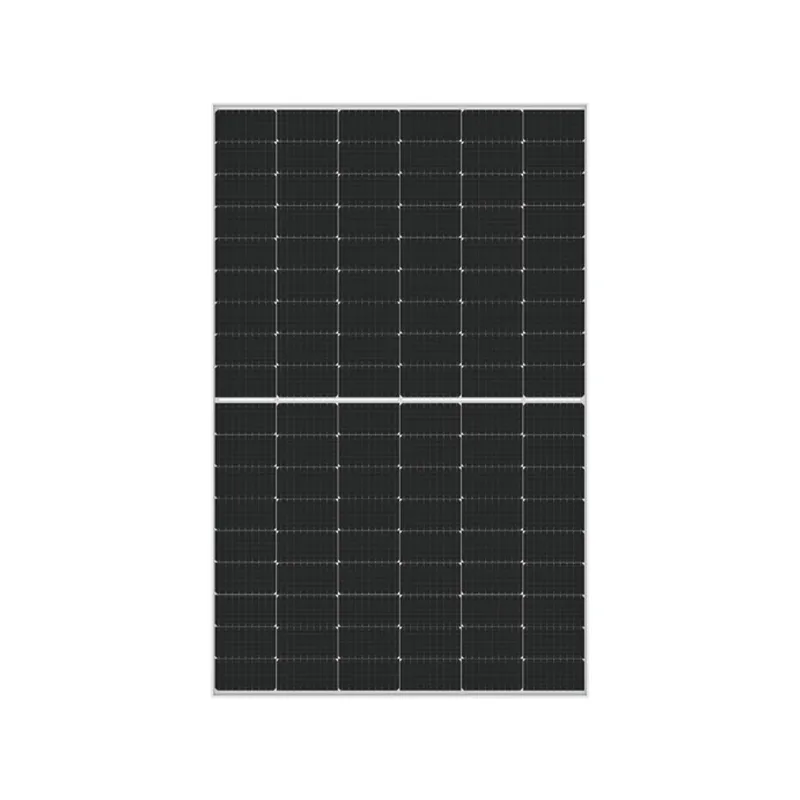
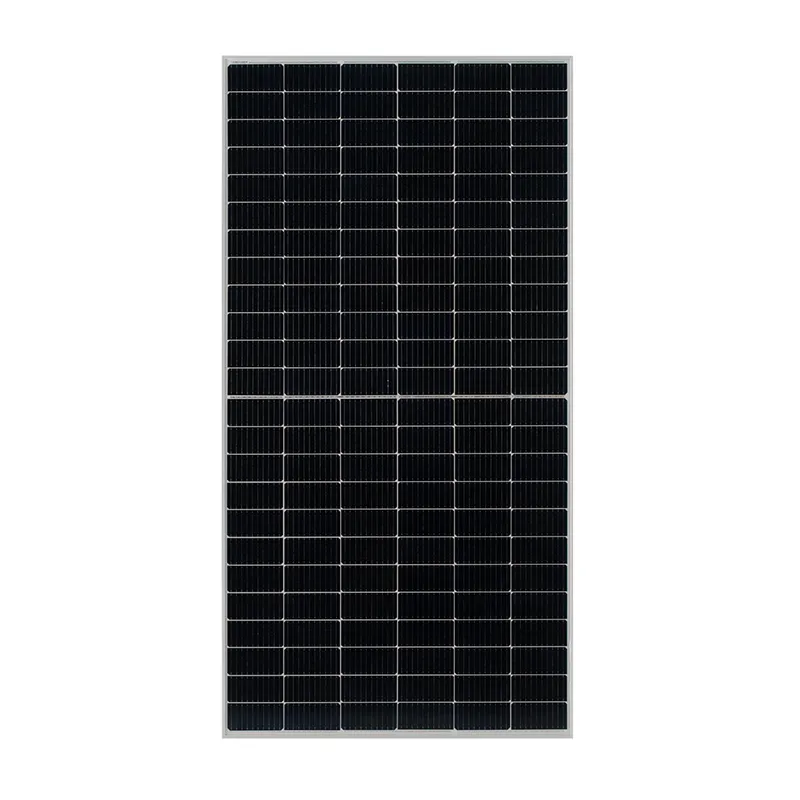
The theoretical efficiency of a solar panel essentially tells us how well the device converts sunlight into usable electricity without losses. It’s the upper limit of performance, usually set by physics and materials science rather than real-world installation conditions. For crystalline silicon panels, which dominate the market, the Shockley-Queisser limit sits around 33.7%, meaning that’s the maximum fraction of sunlight energy that can theoretically be converted under standard conditions.
Now, while this is a fascinating benchmark, real panels in the field rarely reach that number. Degradation from weather, imperfect manufacturing, and other practical challenges knock that figure way down, usually to something between 15% and 22%. I’ve noticed from working with solar panels firsthand that temperature and dust build-up play significant roles in cutting efficiency as well. For those of us installing and maintaining these technologies, understanding these theoretical and practical differences is key.
Something that doesn’t get as much press but definitely deserves a nod is the materials innovation that keeps pushing the boundaries. Multi-junction cells, which layer different semiconductors, can break past the Shockley-Queisser limit, inching closer to efficiencies above 40% in lab conditions. Of course, these are pricey and complex to manufacture, so their widespread industrial use remains somewhat limited. Still, they represent exciting directions if you’re into cutting-edge stuff.
Here’s a quick rundown of typical mono- and polycrystalline panel specs you might find on product sheets, just for context:
| Specification | Mono-crystalline | Poly-crystalline |
|---|---|---|
| Typical Efficiency | 17–22% | 15–18% |
| Temperature Coefficient | -0.35%/°C | -0.45%/°C |
| Warranty | 25 years | 20–25 years |
| Cost per Watt | $0.30–$0.45 | $0.25–$0.40 |
I remember a project a few years back where we were specifying solar panels for an off-grid installation in the Midwest. We opted for mono-crystalline mainly because the space was tight and efficiency mattered more than upfront cost. The panels performed beautifully through summer and winter alike, even if we knew their efficiency was well below theoretical maximums—real world always reminds us that.
Comparing vendors also quickly becomes a matter of balance: price, warranty, actual efficiency, and after-support. Here’s an at-a-glance comparison of three well-known suppliers in the industrial solar equipment arena:
| Vendor | Panel Efficiency | Warranty (Years) | Cost per Watt | Customer Support |
|---|---|---|---|---|
| Benjiu Solar | 18–21% | 25 | $0.28–$0.38 | Responsive & technical |
| SunStrong Tech | 17–19% | 20 | $0.25–$0.35 | Good but limited technical help |
| HelioCore Panels | 19–22% | 25 | $0.32–$0.42 | Excellent technical support |
It feels like the market is increasingly friendly toward custom solutions and better quality panels, which is all to the good because every installation has its quirks. Some customers (and I’ve seen this often) get a bit fixated on just the efficiency numbers, but honestly, practical durability and service play a huge role in overall satisfaction. I suppose it’s only natural — after all, your solar investment is supposed to last decades.
In real terms, recognizing the gap between theoretical efficiency and actual performance helps installers, buyers, and engineers set realistic expectations—while encouraging steady innovation. So next time you look over solar specs or product sheets, don’t just glance at the efficiency percent. Think about temperature conditions, panel degradation, and local environment factors too. That’s where the rubber really hits the road.
If you want to explore more about efficient solar panel options backed by solid industrial experience, check out solar panels from reliable vendors that balance performance and cost.
At the end of the day, the theoretical efficiency is a useful guidepost—but the real story unfolds on rooftops and remote sites, with panels soaking up the sun and quietly powering industry and homes alike.
— John R., Industrial Renewable Tech Specialist
References
- Shockley, W. and Queisser, H. J. (1961). "Detailed Balance Limit of Efficiency of p-n Junction Solar Cells". Journal of Applied Physics.
- Benjiu Solar Product Catalog, 2024 Edition.
- National Renewable Energy Laboratory (NREL) Research on Multi-Junction Cells, 2023.
-
Designing a Modern Home Roof Made Out of Solar Panels GuideNewsApr.16,2026
-
Guide to the Size of 150 Watt Solar Panel for Your ProjectNewsApr.09,2026
-
Understanding the Dimensions and Applications of a 200W Solar PanelNewsApr.07,2026
-
Understanding the Dimensions and Factors of a 330W Solar Panel SizeNewsApr.04,2026
-
Understanding the Size and Dimensions of a 4kW Solar Panel System for Your HomeNewsMar.31,2026
-
Comprehensive Guide to Sizing Your Solar System for Optimal Energy ProductionNewsMar.28,2026