The small-scale photovoltaic market has seen a significant shift as users seek portable and specialized energy solutions. For many system integrators and DIY enthusiasts, understanding the 40 watt solar panel price is not just about the initial cost, but about evaluating the cost-per-watt efficiency in low-power applications.
This specific power bracket is critical for remote sensing, marine navigation lights, and small-scale battery maintenance. The challenge lies in balancing the affordability of the hardware with the long-term durability required for outdoor exposure, where low-quality cells often lead to premature degradation.
This analysis explores the technical drivers behind current pricing, the engineering trade-offs in cell selection, and how to integrate these components into a stable energy system. For those scaling up to industrial levels, exploring high-efficiency options like the 40 watt solar panel price logic in larger N-type ABC modules can provide a useful benchmark for energy density.

Small-Scale PV Architecture

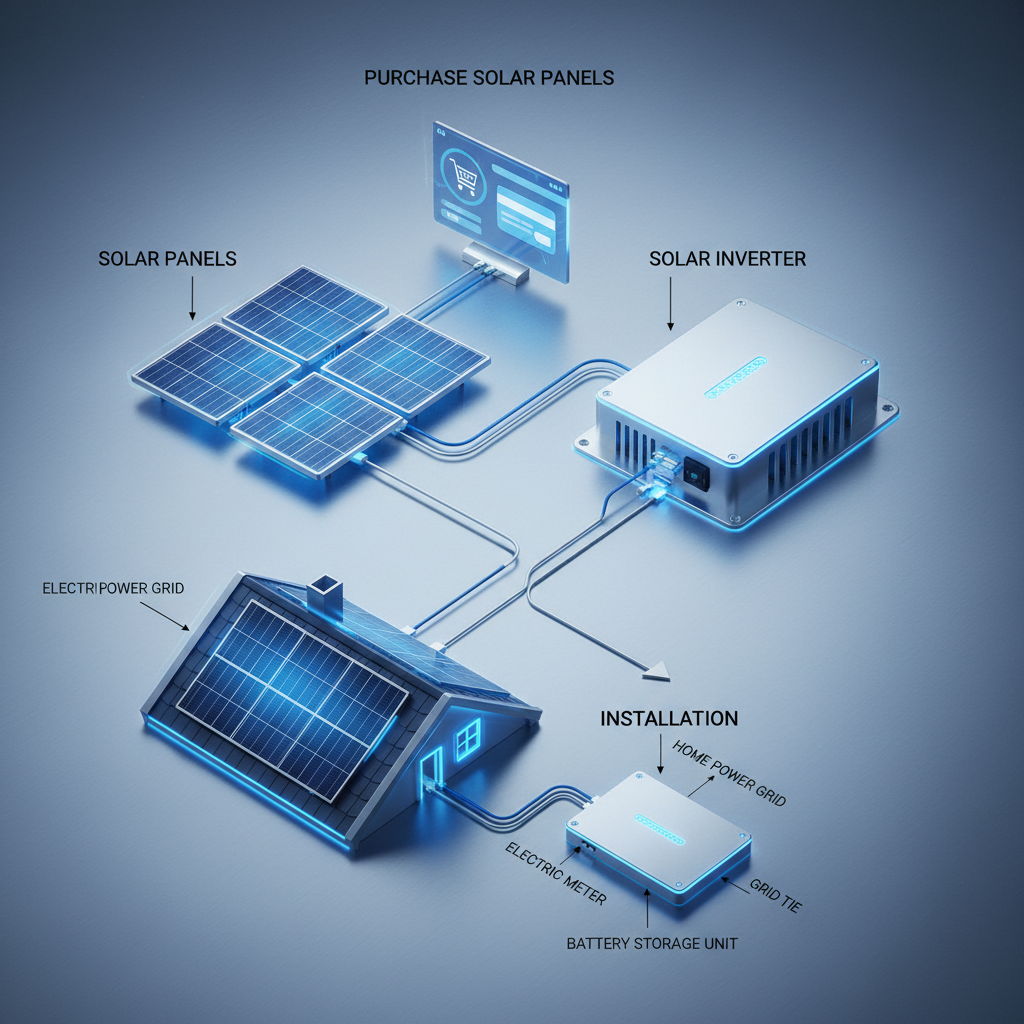
A 40W system typically employs a small array of monocrystalline or polycrystalline cells wired in series to achieve a voltage compatible with 12V lead-acid or LiFePO4 batteries. The architecture must account for the voltage drop across thin-gauge wiring common in portable setups.
The integration involves a charge controller to prevent overcharging, which is where the actual system value is realized. Without proper regulation, the efficiency gains of the panel are negated by battery degradation.
Determining Cost Drivers
The 40 watt solar panel price is primarily influenced by the grade of the silicon used and the framing material. High-purity monocrystalline cells offer better efficiency in shaded conditions but carry a price premium over polycrystalline alternatives.
Beyond the cells, the encapsulation material—such as EVA or POE—plays a critical role. Premium panels use dual-glass or high-transmittance tempered glass to reduce light reflection and protect the cells from moisture ingress, increasing the total cost but extending the operational life.
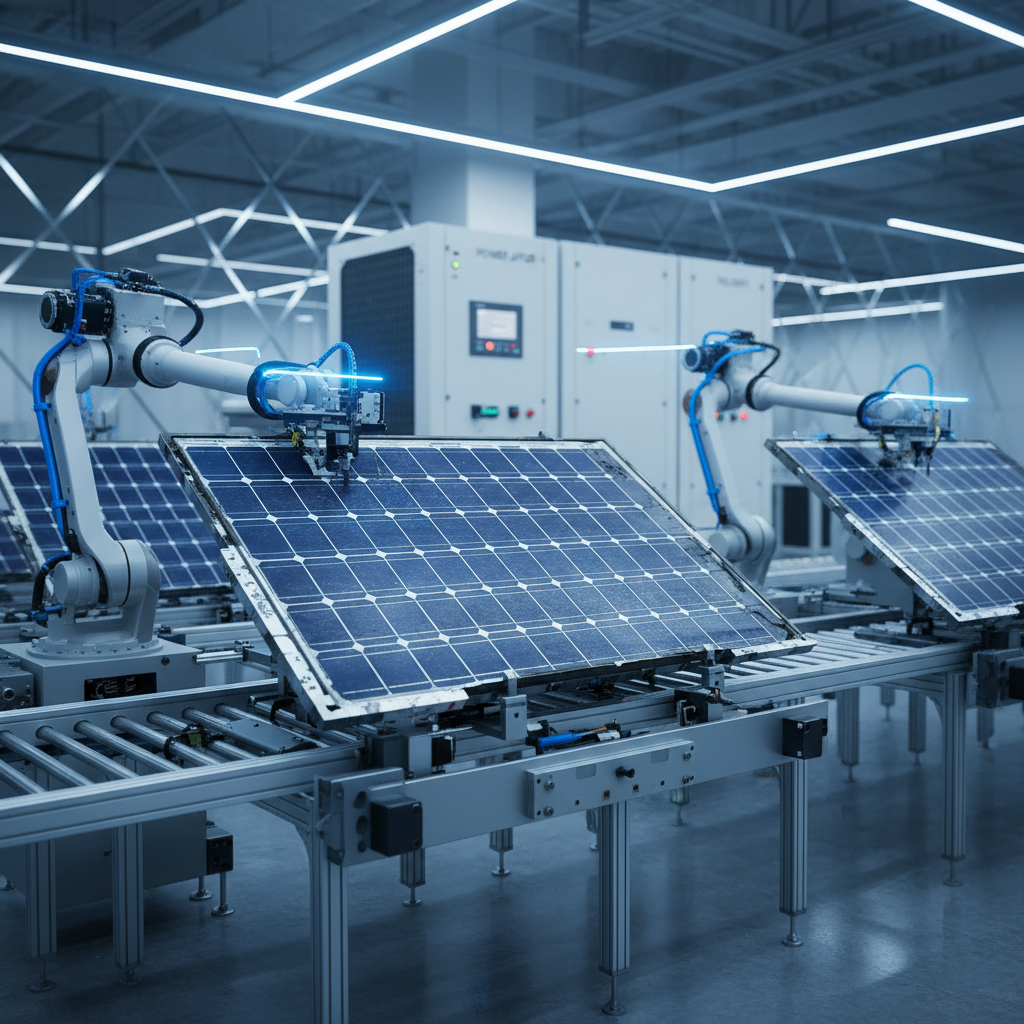
Manufacturing scale also affects the price. Since 40W panels are niche compared to 400W+ residential panels, they lack the same economies of scale, often leading to a higher price-per-watt ratio.
Material Trade-offs and Longevity
Selecting a panel involves a trade-off between weight, durability, and efficiency. Flexible panels are ideal for curved surfaces like boats or RVs but typically degrade faster than rigid framed panels.
For industrial applications, the use of an anodized aluminum frame provides necessary structural integrity for wind loads, though it adds weight. The choice of junction box IP rating (e.g., IP65 or IP67) further distinguishes professional hardware from consumer-grade electronics.
Performance Rating Matrix
To evaluate the value of a 40W panel, engineers use a normalized scoring system. This assesses the balance between conversion efficiency, thermal stability, and the overall price-to-performance ratio.
The following data represents a relative assessment of different small-scale panel technologies based on typical industrial requirements for stability and output.
Relative Engineering Assessment Score
Deployment Scenarios
In agricultural irrigation, 40W panels are frequently deployed to power low-voltage sensors and automated valve controllers in remote fields. The primary requirement here is reliability under high UV exposure and dust accumulation, making tempered glass panels the preferred choice.
For marine and aviation use, the focus shifts to salt-mist resistance and vibration stability. In these environments, the cost of failure far exceeds the 40 watt solar panel price, leading engineers to specify panels with enhanced corrosion-resistant coatings and reinforced mounting points.
Emerging Low-Power Trends
The industry is moving toward "Smart Small-PV," where the panel is integrated with micro-monitoring systems. This allows operators to track the real-time output of remote 40W arrays, identifying shading issues or cell failure without physical inspection.
Another trend is the transition to N-type cell technology for smaller modules. N-type cells offer lower LID (Light Induced Degradation) and better performance at high temperatures, which is critical for panels installed on dark commercial rooftops or in hot climates.
We are also seeing an increase in "Bifacial" small panels. By capturing reflected light from the rear side, these panels can increase total energy yield by 5-15%, depending on the albedo of the installation surface.
Configuration Selection Guide
Choosing the right configuration depends on the specific load and environmental constraints. A "Basic" setup might suffice for a simple battery trickle charge, but "High-Duty" configurations are required for 24/7 remote monitoring stations.
The following matrix helps procurement officers and engineers align the technical specifications with the intended application, ensuring the selected unit meets the required lifecycle and efficiency benchmarks.
It is essential to verify the warranty terms, specifically looking for a distinction between the materials warranty and the linear power output warranty to ensure long-term ROI.
| Configuration Profile | Cell Technology | Efficiency Rating | Recommended Use Case |
|---|---|---|---|
| Basic Configuration | Poly-Crystalline | Standard | Battery Trickle Charging |
| Standard Configuration | Mono-Crystalline | High | Remote IoT Sensors |
| High-Duty Configuration | Mono-PERC | Ultra-High | Marine Navigation Lights |
| Flexible Configuration | Thin-Film Mono | Medium | RV & Curved Surfaces |
| Precision Configuration | N-Type Mono | Premium | High-Temp Industrial Site |
| Industry Baseline | Mixed Poly | Baseline | Temporary Site Lighting |
Technical Frequently Asked Questions
The price is primarily driven by the type of silicon cell (Monocrystalline being more expensive than Polycrystalline), the protective encapsulation (dual-glass vs. plastic backsheet), and the frame material. Additionally, certifications such as CE or TUV SUD add to the cost but ensure safety and reliability in professional installations.
Yes, most 40W panels are designed with an open-circuit voltage (Voc) that is compatible with 12V systems. However, a solar charge controller is mandatory to regulate the voltage and prevent overcharging, which would otherwise permanently damage the battery's internal chemistry.
Solar panels have a negative temperature coefficient, meaning efficiency drops as the cell temperature rises. In high-temperature environments, panels with a lower temperature coefficient (like N-type cells) are preferred to maintain a steady current and prevent significant power drops during peak summer heat.
Rigid panels use tempered glass and aluminum frames, offering superior protection and a longer lifespan (often 20+ years). Flexible panels use polymers, making them lightweight and adaptable to curves, but they are more susceptible to impact and typically have a shorter operational life due to faster material degradation.
Daily yield is calculated by multiplying the panel wattage (40W) by the average peak sun hours in your location and applying a system efficiency factor (typically 0.7 to 0.8). For example, in a region with 5 peak sun hours: 40W 5h 0.75 = 150Wh per day.
A single 40W panel is generally more cost-effective and easier to install. However, two 20W panels in parallel can offer better redundancy; if one panel is shaded or damaged, the other continues to produce power. This is a critical consideration for mission-critical remote sensing applications.
Final Engineering Verdict
The analysis of the 40 watt solar panel price reveals that the lowest initial cost rarely aligns with the lowest total cost of ownership. For professional deployments in marine, agricultural, or industrial sectors, prioritizing high-transmittance glass and N-type cell technology ensures the system remains operational across its intended lifecycle.
Ultimately, the selection of a low-power PV module should be driven by the specific environmental stresses of the site. For those looking to implement larger, more robust energy solutions, the high-efficiency standards seen in dual-glass solar systems provide the ideal blueprint for maximizing energy harvest and durability.