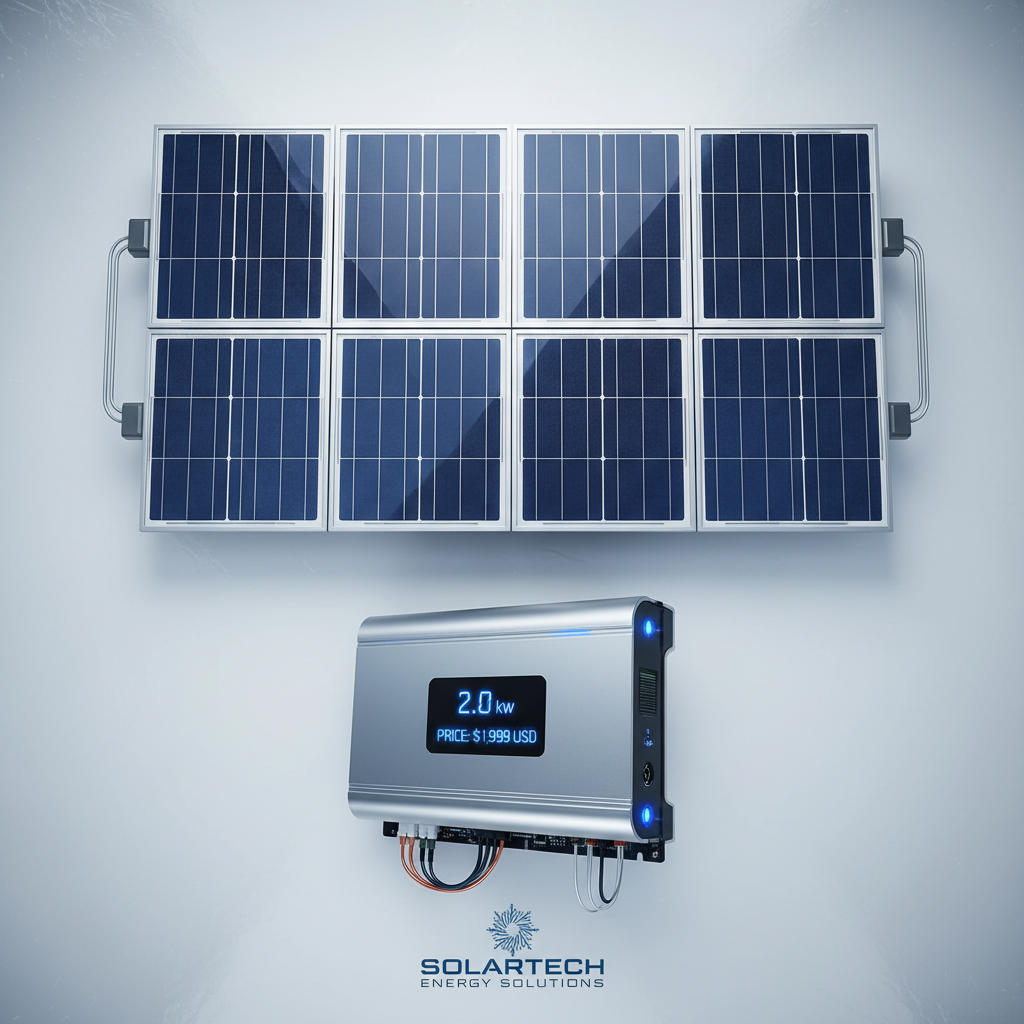
When evaluating the investment for a photovoltaic project, the 330w solar panel price often serves as a critical benchmark for calculating the return on investment (ROI) and the overall system payback period. While wattage capacity defines the potential energy harvest, the cost-per-watt ratio determines whether a project is financially viable for residential or commercial deployment.
The volatility of raw material costs and advancements in cell efficiency have shifted how buyers perceive value in the 300W-350W range. Modern procurement is no longer just about finding the lowest upfront cost but about analyzing the Levelized Cost of Energy (LCOE), where long-term durability and efficiency degradation rates outweigh a small initial price difference.
Understanding the variables that influence the 330w solar panel price allows developers and homeowners to optimize their energy procurement strategy. This analysis explores the technical drivers of pricing and the practical selection criteria for sustainable power generation.

Market Dynamics of Mid-Range Solar Modules

The pricing of solar panels in the 330W category is heavily influenced by the global supply chain of polycrystalline and monocrystalline silicon. As production scales, economies of scale have reduced the baseline cost, but premiums remain for modules that offer higher efficiency ratings and superior weather resistance.
For the distribution market, pricing is often tiered based on order volume and certification standards. Modules meeting ISO and IEC standards typically command a higher price due to the rigorous testing required for stability and long-term performance.
Technical Drivers of Value and Efficiency
The actual value of a solar panel extends beyond its nominal wattage. Technical specifications such as the temperature coefficient and the linear power output warranty are primary drivers of the total cost of ownership. A panel with a lower 330w solar panel price may exhibit faster degradation, reducing the energy yield in years 10 through 25.
Modern design incorporates features like intelligent monitoring and fast shutdown capabilities, which increase safety and operational efficiency. When components generate power independently—often achieved through the use of micro inverters—the overall capacity of the power station is maximized, as the system is no longer limited by the lowest-performing panel in a string.
Furthermore, the choice between regular and bifacial panels alters the price-to-performance ratio. Bifacial modules can capture reflected light from the rear side, significantly increasing the energy generation performance in environments with high albedo, such as snowy regions or white-roofed commercial buildings.
Balancing Initial Cost with Life-Cycle Yield
Buyers often face a trade-off between the initial procurement cost and the projected energy harvest over two decades. High-quality modules typically offer a material and processing warranty (often around 5 years) and a much longer linear power output warranty (up to 25 years).
The true cost of a solar installation is not the purchase price of the module, but the cost per kilowatt-hour generated over the system's lifespan. Prioritizing efficiency and warranty over the lowest initial price usually results in a lower LCOE.
This perspective shifts the focus from "cheapest panel" to "best energy generation performance." Investing in modules with higher efficiency means fewer panels are needed to achieve the same target output, which in turn reduces the costs of mounting structures, cabling, and labor.
Comparative Value Index by Module Type
Different solar technologies offer varying levels of efficiency relative to their cost. For instance, while regular solar panels provide a stable baseline, bifacial options increase the complexity of installation but offer higher potential yields. The value index here considers the balance between installation effort and energy return.
The following chart illustrates the relative value index across different product categories, where a higher value indicates a better balance of efficiency, durability, and cost.
Figure 2. Relative Efficiency and Cost-Value Index
Application Scenarios and Deployment Costs
The suitability of a specific solar panel depends on the application environment. For residential rooftops, simple design and high efficiency are prioritized to maximize limited space. In commercial buildings, the large roof area allows for a more flexible approach, often utilizing on-grid inverters to feed excess energy back into the utility grid, thus improving the overall financial return.
Beyond buildings, solar energy is increasingly critical for agricultural irrigation in remote areas, where off-grid systems provide the only viable water supply solution. Similarly, in transportation and marine sectors, integrated solar solutions extend the operational range of electric vehicles and vessels, reducing reliance on traditional fuel and lowering environmental pollution.
Future Trends in Photovoltaic Pricing
As the clean energy industry matures, the focus of pricing is shifting from the hardware itself to the integration of energy storage. The combination of solar panels with advanced energy storage batteries allows users to manage peak loads and ensure power stability, effectively changing the value proposition of the 330w solar panel price.
Technological shifts toward N-type cells and perovskite tandems are expected to further push efficiency boundaries. This means that while the price per panel may stabilize, the energy density will increase, allowing for smaller footprints with higher output.
National policies and green subsidies continue to play a pivotal role in reducing the effective cost for end-users. As these policies evolve, we expect a deeper penetration of photovoltaic systems into specialized niches, including aviation and industrial-scale energy storage hubs.
Selection Framework for Solar Procurement
Selecting the right photovoltaic system requires a balanced evaluation of technical specs, warranty terms, and application requirements. A manufacturer like Hebei BenJiu New Energy Technology Co., LTD. focuses on this balance by providing certified products (ISO, CE, TUV SUD) that ensure safety and stability across diverse climates.
The decision process should begin with a site analysis to determine if a regular or bifacial panel is more appropriate, followed by the selection of an inverter—whether on-grid, off-grid, or micro—based on the desired autonomy and grid connectivity.
The following table provides a conceptual framework for comparing different deployment strategies based on common project requirements.
| Scenario | Panel Priority | Inverter Type | Primary Goal |
|---|---|---|---|
| Residential Roof | High Efficiency | On-Grid/Hybrid | Bill Reduction |
| Commercial Bldg | Bifacial/Scale | On-Grid | OpEx Reduction |
| Remote Farm | Durability | Off-Grid | Water Access |
| EV Charging | Compact Design | Micro-Inverter | Fast Turnaround |
| Marine/Aviation | Lightweight | DC-Coupled | Range Extension |
| Industrial Hub | Max Yield | Industrial On-Grid | Carbon Neutrality |
Questions & Answers
The price is primarily driven by the type of silicon cells (monocrystalline vs. polycrystalline), the efficiency rating, and the quality of the frame and glass. Additionally, certifications such as IEC and UL, as well as the length of the linear power output warranty, add value to the product. Market demand and the cost of raw materials like silver and polysilicon also cause periodic price fluctuations in the distribution market.
Bifacial panels are worth the investment if the installation environment allows for rear-side light absorption. This is typical for ground-mounted systems with light-colored gravel or rooftop installations with reflective coatings. In these cases, the increase in energy generation performance often outweighs the higher initial procurement cost, leading to a better overall return on investment over 25 years.
The choice depends on your goal and location. On-grid inverters are ideal for those wanting to reduce electricity bills and sell excess power back to the utility company. Off-grid inverters, paired with energy storage batteries, are essential for remote areas without grid access or for users seeking total energy independence and backup power during grid failures.
This warranty guarantees that the solar panel will maintain a specific percentage of its original power output after 25 years. For example, a high-quality panel might guarantee at least 80-85% of its rated wattage by the end of the term. This is a critical metric for long-term financial planning as it defines the minimum energy yield the system will produce as it ages.
Yes, they can be integrated into electric vehicles, buses, and marine vessels. However, for these applications, the weight and wind resistance of the panels are key considerations. In such cases, customized energy solutions and micro inverters are often used to optimize the limited surface area and ensure that power is generated independently across different sections of the vehicle.
Intelligent monitoring allows operators to track the performance of individual panels or strings in real-time. This makes it possible to identify failures, shading issues, or degradation early. By optimizing the output power through real-time data, users can maintain maximum power station capacity and reduce maintenance costs by targeting specific problem areas rather than inspecting the entire array.
Final Thoughts
Evaluating the 330w solar panel price is only the first step in designing a sustainable energy system. The real value lies in the synergy between high-efficiency modules, appropriate inverter technology, and a robust warranty framework. By focusing on the life-cycle energy yield rather than the upfront cost, investors can ensure a more stable and profitable transition to green energy.
As technology evolves toward higher efficiency and better integration with storage, the role of quality certifications and professional energy solutions becomes paramount. Whether for residential roofs or industrial-scale distribution, the goal remains the same: maximizing energy generation while minimizing the environmental footprint for a sustainable future.