Solar Panels on Container Roof – Durable Industrial Power Solutions
Solar Panels on Container Roof: Durable Energy Solutions for Industry
Having worked around industrial equipment, I’ve seen firsthand the slow but steady shift toward integrating renewable energy, especially solar panels, in unconventional spaces. One spot that’s quietly gaining traction is the container roof. It feels kind of obvious in hindsight: those steel boxes sit out in the sun all day, so why not turn that wasted space into power? But, as with most industrial adaptations, it’s not just slapping panels on and calling it a day.
Industrial containers often serve as mobile offices, temporary storage, or even mini factories on remote sites. Their rugged construction is a plus, but solar panels up there need to match that toughness. Weather, vibration during transport, and limited rooftop space — all factors that manufacturers, installers, and users have to reckon with.
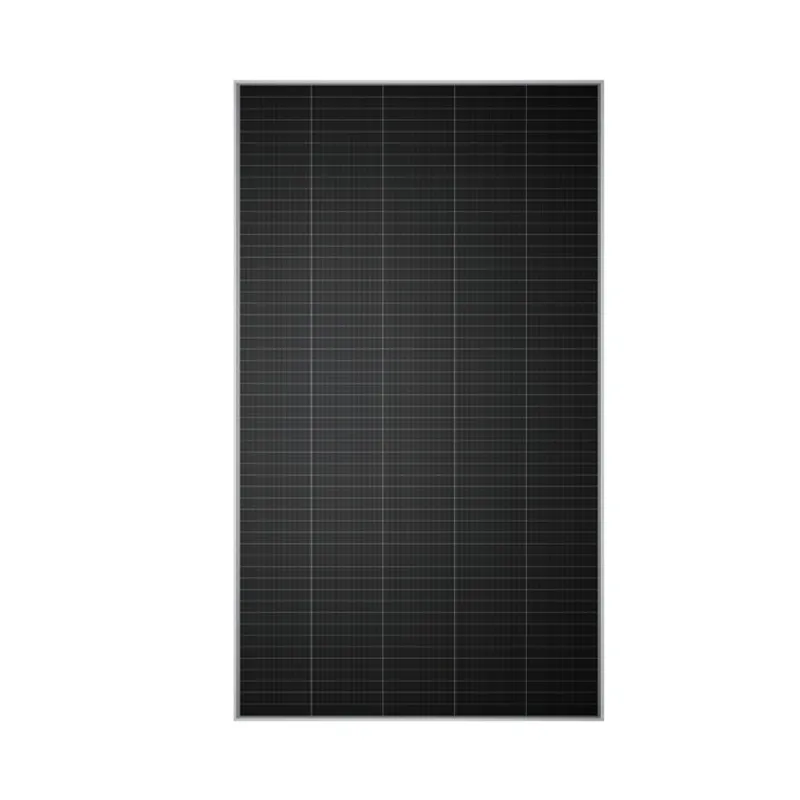
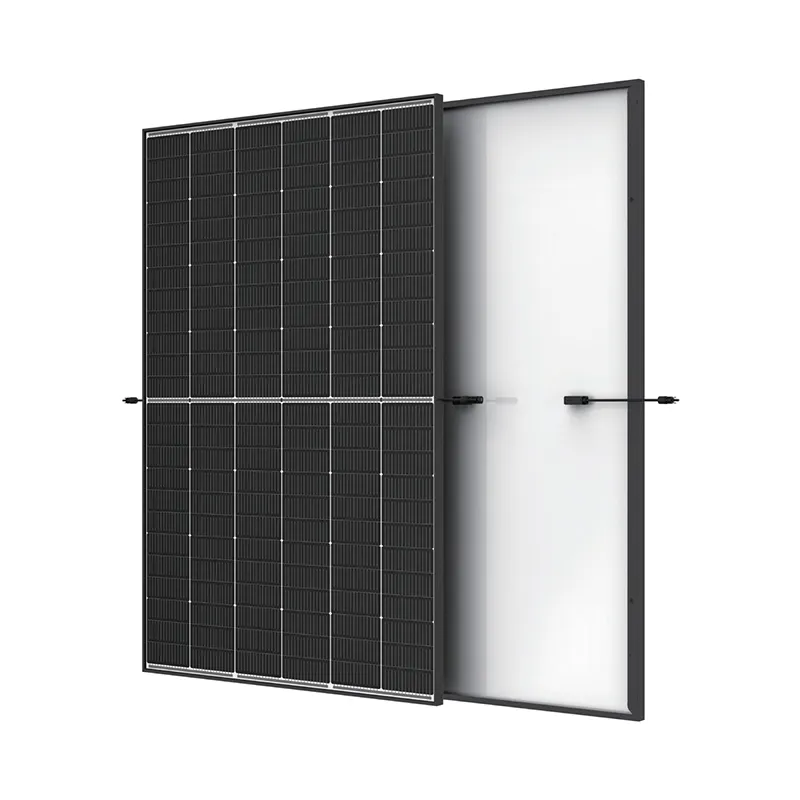
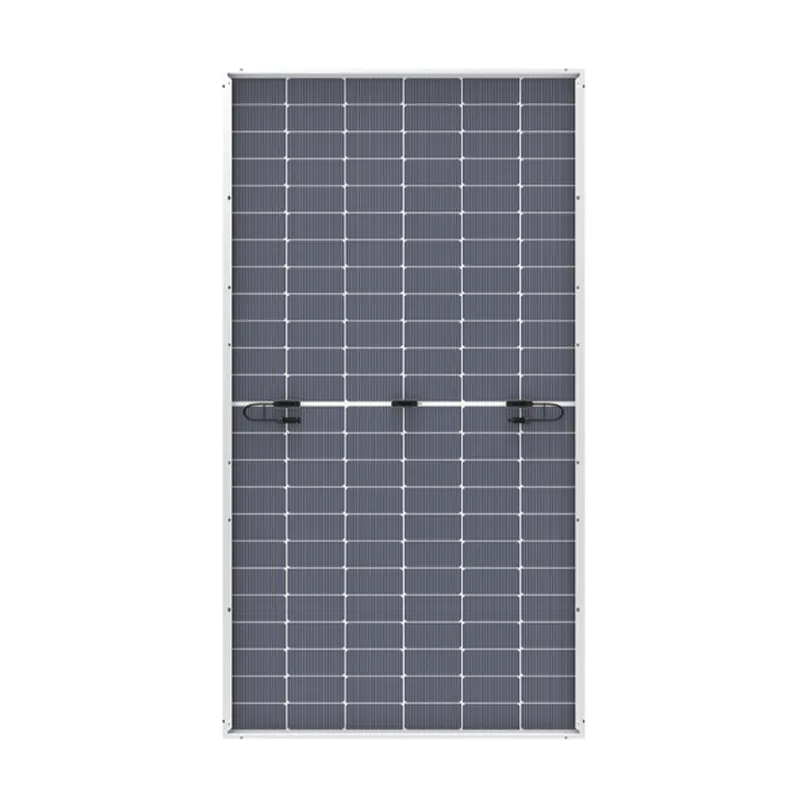
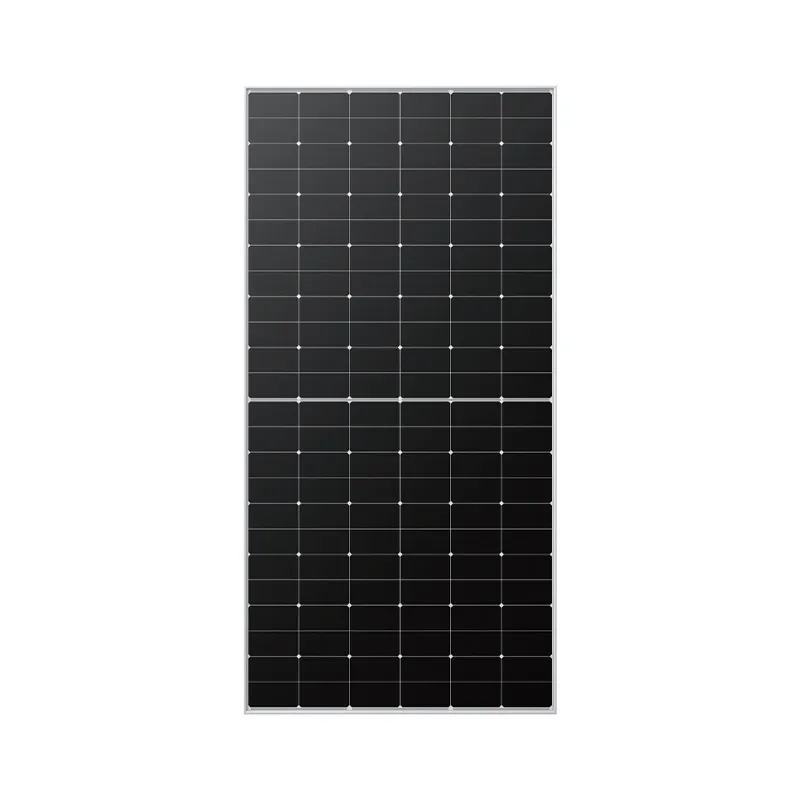
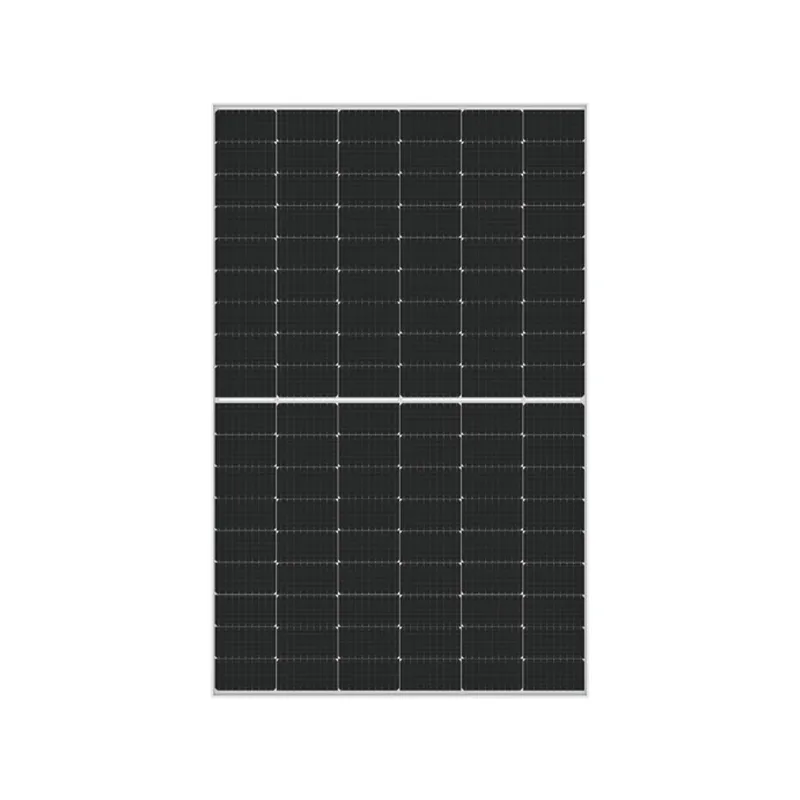
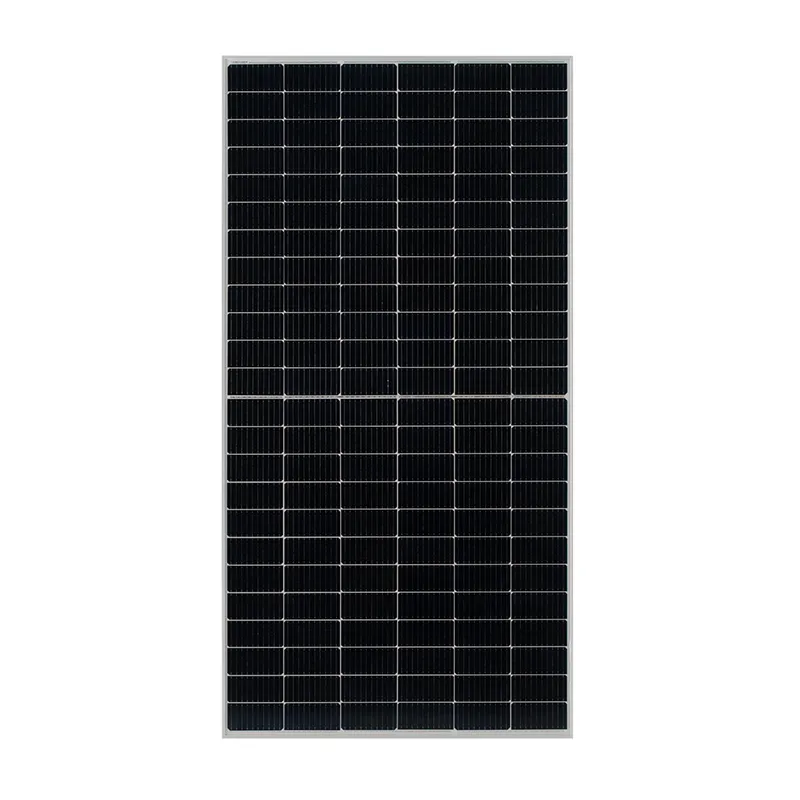
From my experience, the best panels for container roofs are designed with reinforced frames and tempered glass that can handle hail and rough handling. Plus, the mounting system needs to be tailored — an off-the-shelf roof racking system won’t work well given the corrugated profile and limited weight capacity of container roofs. The industry has responded with low-profile, flexible mounting kits. Ever worked with those? They’re a lifesaver.
I once visited a remote mining site where they installed 12 solar panels on stacked containers; not only did it power the onsite communications equipment but cut diesel fuel consumption by about 20%. The operators told me it felt like “free fuel,” which is about as practical as praise gets.
| Product Feature | Typical Specs |
|---|---|
| Panel Type | Monocrystalline silicon |
| Power Output | 320 - 380 Watts per panel |
| Frame Material | Anodized aluminum, corrosion-resistant |
| Glass Thickness | 3.2 mm tempered safety glass |
| Mounting System | Custom low-profile brackets for corrugated steel |
| Warranty | 10-12 years product, 25 years performance |
When sizing these systems, I’ve noticed it’s crucial to match the power needs to the container’s function. A refrigerated container demands a very different setup than a container converted into an office or workshop. It’s not just about kilowatts but how steady and reliable the energy feed must be. You know, uneven or insufficient solar can frustrate workers and sometimes cause operational downtime.
In the supplier space, it’s interesting how different vendors approach the unique challenges of container roofs. Here’s a quick rundown comparing some popular options I’ve come across:
| Vendor | Panel Efficiency | Mounting Adaptability | Price Range | Warranty |
|---|---|---|---|---|
| Benjiu Solar | 19-21% | Custom low-profile kits | $$$ | 12 years product, 25 years output |
| SolarFlex | 18-20% | Flexible panels, adhesive mounts | $$ | 10 years |
| EcoDura | 20-22% | Aluminum frame, bolted mounts | $$$$ | 15 years |
Frankly, I’ve had good experiences working with Benjiu Solar systems. Their products strike a nice balance between robust engineering and practical mounting solutions, and their warranties are industry-standard or better, which, in field terms, means less headache over replacements. If you want to explore reliable solar solutions for container rooftops, you might want to check them out.
In the end, installing solar panels on container roofs is not just about ticking a sustainable box—it’s a proven way to decrease operating costs, extend off-grid capabilities, and up your project’s green credentials. Most engineers I talk to admit it takes some upfront coordination but the payoff, in real terms, feels worth it.
Oddly enough, people sometimes forget how straightforward the tech has become; the real barriers are often just integration and planning. But if you put in that groundwork, it runs smoothly and can last decades.
All in all, if you’re managing industrial assets with containers, solar on the roof is something to seriously consider. I noticed a few clients have even started combining it with battery systems for nighttime use—still evolving, but promising.
Hope this sparked some ideas to power up those flat steel roofs!
References:
- “Designing Solar for Industrial Containers,” Energy Journal, 2022.
- Benjiu Solar official product literature and warranty details, 2023.
- Field notes from remote mining installation visits, 2021-2023.
-
Designing a Modern Home Roof Made Out of Solar Panels GuideNewsApr.16,2026
-
Guide to the Size of 150 Watt Solar Panel for Your ProjectNewsApr.09,2026
-
Understanding the Dimensions and Applications of a 200W Solar PanelNewsApr.07,2026
-
Understanding the Dimensions and Factors of a 330W Solar Panel SizeNewsApr.04,2026
-
Understanding the Size and Dimensions of a 4kW Solar Panel System for Your HomeNewsMar.31,2026
-
Comprehensive Guide to Sizing Your Solar System for Optimal Energy ProductionNewsMar.28,2026