Solar Panel Size in cm: Key Insights, Specifications & Global Applications
Understanding Solar Panel Size in cm: Why It Matters Globally
Solar energy is no longer just an alternative; it has become a fundamental part of our global energy future. When we talk about the solar panel size in cm, we're really diving into a detail that might seem mundane but carries huge implications worldwide. Knowing the physical size of solar panels helps governments, businesses, and homeowners optimize solar energy systems — balancing space constraints, power output, and cost. As countries push for cleaner energy sources, understanding these dimensions is key to smarter installations, sustainable urban planning, and delivering power even to the most remote locations.
Frankly, the solar panel size isn’t just a technical detail; it is a window into how solar tech fits into crowded cities, rural areas, and even disaster relief zones. The right panel size makes renewable energy accessible and efficiently stored everywhere.
Global Context: Why Solar Panel Size in cm is a Hot Topic
According to the United Nations Sustainable Development Goals, affordable and clean energy is critical for economic growth and sustainability. The World Bank notes a rising demand for decentralized solar infrastructure, especially in regions where traditional grids are unreliable.
But here’s the rub — solar panel choices need to match space availability and energy needs. That’s where the panel’s physical footprint, measured in centimeters, becomes a deciding factor. Too big, and it’s cumbersome for residential rooftops or portable solar kits; too small, and it might not produce enough wattage for commercial use.
- Solar panel size affects transportation and installation costs.
- It influences system scalability and flexibility.
- The dimension impacts efficiency when integrating with solar trackers or building-integrated photovoltaics (BIPV).
In short, the size in centimeters can make or break a project’s feasibility, especially in space-sensitive environments.
Defining Solar Panel Size in cm
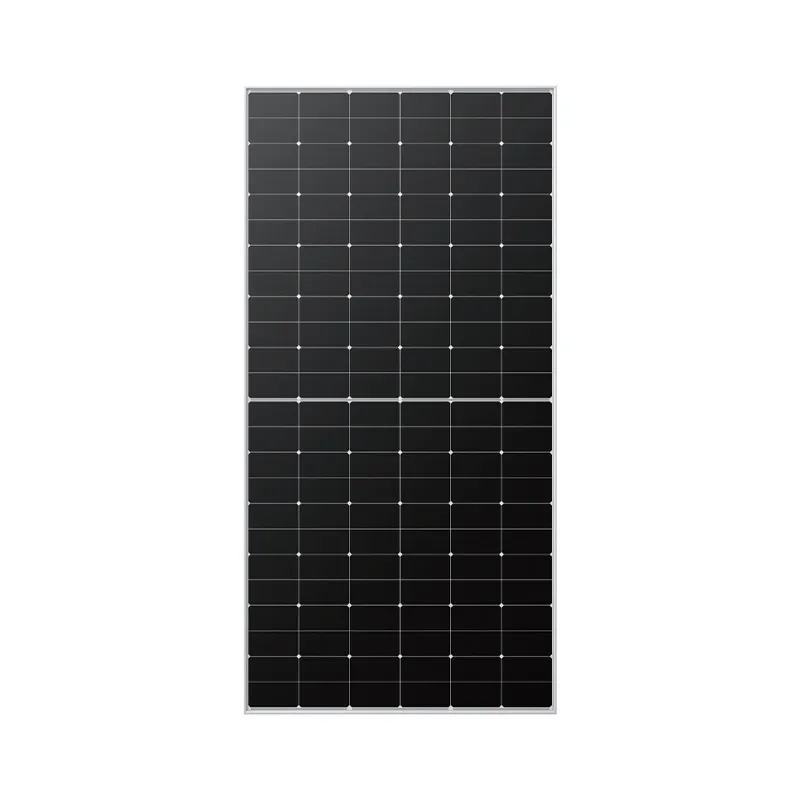
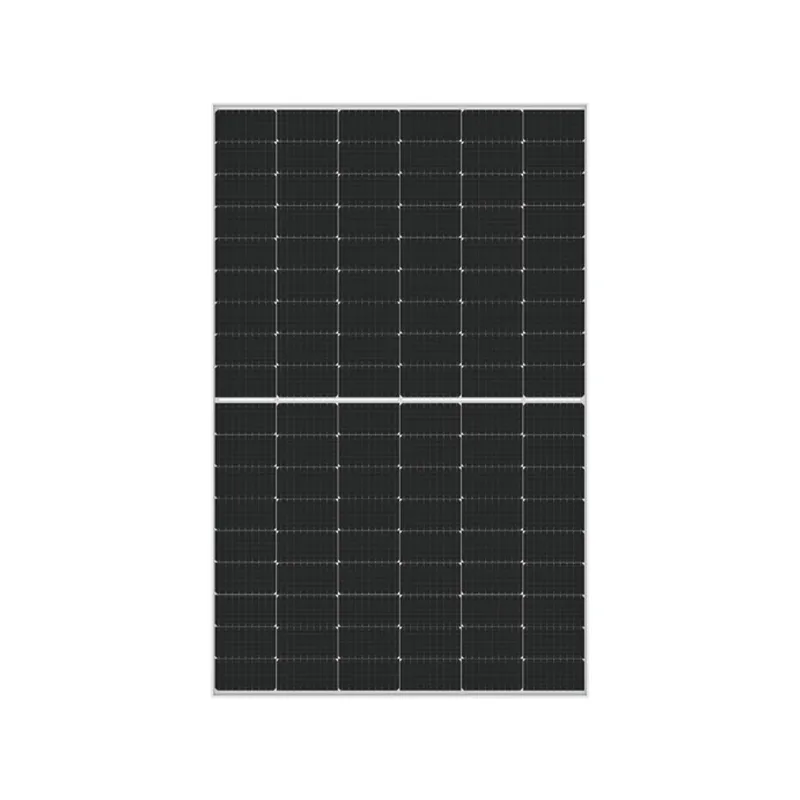
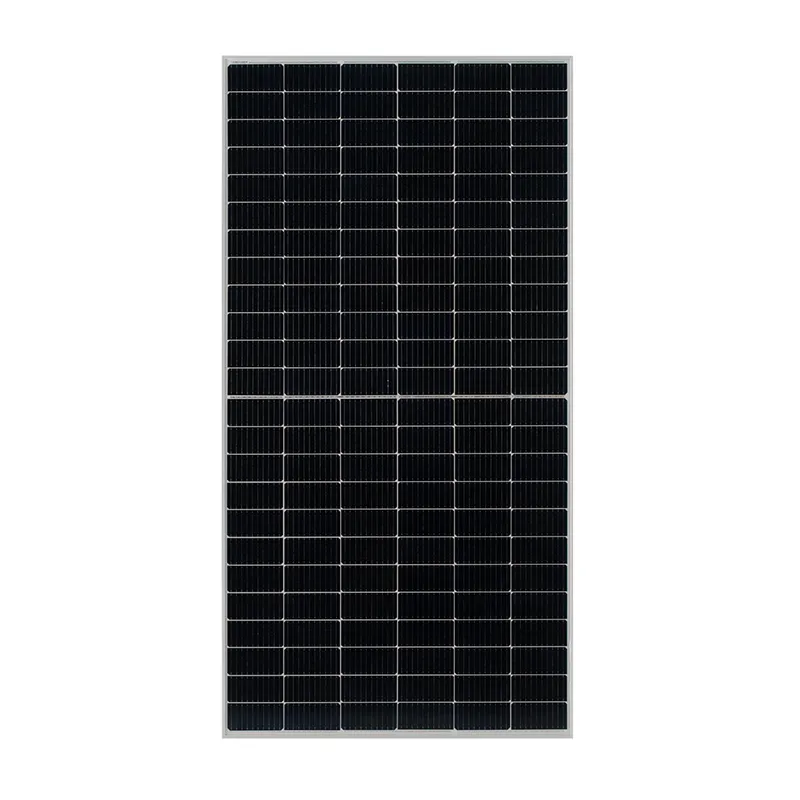
So what do we mean exactly by “solar panel size in cm”? Simply put, it’s the length and width of a solar panel—usually rectangular—that determines its surface area exposed to sunlight. For example, a typical residential panel might measure about 165 cm by 100 cm, whereas commercial panels could be larger or smaller depending on design and application.
This dimension connects closely to power output; larger area often means higher wattage because more solar cells can capture sunlight. But material efficiency and technology (like PERC cells or bifacial panels) also influence performance, so size isn’t the whole story.
Oddly enough, in humanitarian aid, ultra-compact solar panels sized around 40 cm by 30 cm are used for rapid deployment kits, providing essential power without heavy installations.
Key Factors Influencing Solar Panel Size in cm
1. Power Output & Efficiency
The most obvious link: bigger panels generally capture more sunlight and generate more electricity. But, modern high-efficiency panels can sometimes produce equal power from less space. This is crucial when rooftop area is limited.
2. Durability & Weather Resistance
Panel size also impacts how well it can withstand weather stresses—larger panels might require sturdier mounts. Regions with heavy snow or wind loads need specific sizes and frames that can endure those conditions.
3. Scalability & Modularity
Smaller, standardized sizes allow easier expansion of a solar system. For example, modular panels that measure 100 cm x 65 cm can be added incrementally in industrial setups or community solar gardens.
4. Cost Efficiency
Larger panels might reduce installation time and hardware costs, but they can be more expensive upfront and less flexible. Balancing panel size in cm with budget constraints remains a pivotal decision for project planners.
5. Installation Constraints
Roof type, shading, and orientation affect which solar panel size fits best. Oddly enough, sometimes downsizing panels opens up more optimal placement options than squeezing big panels into tough spots.
Product Specification Table: Typical Residential Solar Panel Sizes
| Model | Dimensions (cm) | Power Output (Watts) | Efficiency (%) |
|---|---|---|---|
| BenjiuSolar Basic 330W | 166 x 99 | 330 | 20.1% |
| BenjiuSolar Plus 400W | 172 x 104 | 400 | 21.3% |
| BenjiuSolar Compact 250W | 150 x 66 | 250 | 19.5% |
Global Applications & Real-World Use Cases
Solar panels come alive in the real world—especially when their size aligns with specific needs. For instance:
- Urban rooftop installations: Here, the typical panel size in cm determines how many panels fit on limited roofs. Smaller panels can maximize every square centimeter of space.
- Remote industrial zones: Large-scale fields use bigger panels for maximum power but factor in transport logistics and sturdiness.
- Post-disaster relief: Rapid deployment kits feature compact panels ~40 cm by 30 cm to provide critical power for shelters and medical equipment.
- Building-integrated photovoltaics (BIPV): Panels designed to mimic roofing tiles rely heavily on compact size and custom dimensions, sometimes square and smaller than standard modules.
Governments in India, the US, and Europe have rolled out subsidies with panel size recommendations to promote efficiency and safety, recognizing how size ties into installation practices and grid stability.
Vendor Comparison: Solar Panel Sizes and Features
| Vendor | Standard Panel Size (cm) | Price Range (USD) | Warranty (Years) |
|---|---|---|---|
| BenjiuSolar | 165 x 100 | $180 - $240 | 25 |
| SunPower | 170 x 105 | $200 - $270 | 25 |
| Canadian Solar | 164 x 99 | $175 - $230 | 25 |
Advantages & Long-Term Value of Knowing Solar Panel Size in cm
Understanding panel size is not just an academic exercise; it translates to real-world advantages such as:
- Cost Savings: Right-sized panels reduce installation complexity and waste, trimming overall project budgets.
- Sustainability: Efficient layouts optimize land use and rooftop space, lowering ecological impact.
- Social Impact: Smaller, portable panels enable energy access in off-grid communities, improving quality of life.
- Reliability: Size-appropriate mounting and electrical design reduce downtime and maintenance.
There’s also an emotional angle. Communities receiving reliable solar power feel empowered — a subtle but powerful dignity boost when energy security is assured.
Future Trends & Innovations
In the next decade, we expect solar panel size in cm to evolve along with:
- Flexible and Thin-Film Panels: Ultra-thin, bendable panels could reduce size constraints entirely.
- Smart Integration: Panels with embedded sensors to optimize sunlight capture dynamically.
- Sustainability Innovations: Using recycled materials and biodegradable frames to shrink environmental footprint.
- Digital Twins & AI: Modeling the ideal size and layout before manufacturing for unprecedented efficiency.
These innovations will shift how solar panels are sized, deploying energy solutions we barely imagined a few years ago.
Challenges & Solutions
Size does bring challenges. Larger panels are heavier and harder to install in tight spaces. Variations in size across vendors cause mismatches in system components. Sometimes, technology improvements outpace standardized dimensions, causing logistical headaches.
Best practices now include opting for modular designs, standardizing panel sizes within regions, and using intelligent planning tools that factor in solar panel size in cm early on. Expert installers recommend combining panels of various sizes to maximize shade avoidance and efficiency.
FAQ: Frequently Asked Questions About Solar Panel Size in cm
- What standard solar panel size in cm is best for residential roofs?
- Most residential panels range between 150 cm x 65 cm to 170 cm x 105 cm. The ideal size depends on your roof area, shading, and energy needs. Smaller sizes can fit awkward roof areas better, while bigger panels maximize wattage per unit.
- Can solar panel size in cm affect installation cost?
- Absolutely. Larger panels may reduce the number of mounting hardware pieces but can increase labor difficulty. Smaller panels might be cheaper and easier to transport but require more components. The key is balancing size with site specifics.
- Are smaller solar panels less efficient?
- Efficiency depends more on panel technology than size alone. High-quality, compact panels today perform nearly as well as larger ones. But smaller size might mean fewer cells, slightly lowering total output.
- How do I choose panel size for portable solar solutions?
- Portables prioritize panel size that balances output with weight and portability — often panels sized around 40 cm x 30 cm or foldable designs. It’s about power on-the-go rather than large surface area.
Conclusion + Call to Action
In sum, the solar panel size in cm is far more than just a number. It’s a critical factor shaping the future of renewable energy deployment worldwide. Whether you’re a homeowner, a utility planner, or working on humanitarian solar projects, knowing and optimizing panel size lets you harness the sun smarter, cleaner, and more efficiently. For practical guidance, detailed specs, and expert support, visit BenjiuSolar’s website — your partner in embracing solar’s bright future.
As I’ve learned from many projects, getting this sizing right really feels like the foundation for trusted, long-lasting solar energy.
Mini takeaway: Solar panel sizing is the silent hero behind efficient, adaptable renewable energy solutions worldwide.
-
Designing a Modern Home Roof Made Out of Solar Panels GuideNewsApr.16,2026
-
Guide to the Size of 150 Watt Solar Panel for Your ProjectNewsApr.09,2026
-
Understanding the Dimensions and Applications of a 200W Solar PanelNewsApr.07,2026
-
Understanding the Dimensions and Factors of a 330W Solar Panel SizeNewsApr.04,2026
-
Understanding the Size and Dimensions of a 4kW Solar Panel System for Your HomeNewsMar.31,2026
-
Comprehensive Guide to Sizing Your Solar System for Optimal Energy ProductionNewsMar.28,2026