Solar Panels Direct from Manufacturer – Industrial Quality and Custom Options
Solar Panels Direct from Manufacturer: What You Really Need to Know
If you’ve ever dabbled in the industrial equipment sector or renewable energy projects, you probably know that sourcing reliable solar panels can feel like a bit of a maze. Frankly, buying solar panels direct from the manufacturer often offers an edge — better prices, customization options, and usually a clearer line of communication. I’ve been around the block enough times in this field to notice how these direct relationships often save headaches later on.
What strikes me is how many companies still go through third-party distributors without realizing the sort of benefits they’re missing. You might think a distributor has some advantages—stock readily available, perhaps advice on compatibility—but oddly enough, the sheer transparency and technical details you get from manufacturers themselves often outweigh those perks. Plus, manufacturers like Benjiu Solar really tailor their products specifically for heavy-duty, industrial uses.
Over the years, I’ve seen solar panels evolve from fairly basic silicon modules to highly engineered, multi-layered assemblies designed to thrive under tough outdoor conditions. Manufacturers focus heavily on the build materials—tempered glass, anti-reflective coatings, and weatherproof frames—which all factor into lifespan and efficiency. For example, Benjiu Solar’s product line features monocrystalline cells that operate at about 21% efficiency, which is quite respectable for large-scale installations.
Testing is another story. Honestly, many solar panels claim certifications, but it’s the real-world stress tests that reveal quality. Industry players I trust often mention IEC 61215 and 61730 certification as a baseline, which guarantees durability under various environmental conditions—wind, rain, hail. Benjiu Solar’s panels have successfully met these. That’s worth a mention because you don’t want to gamble on warranties if those minimum standards aren’t met.
Now, about customization—something I find really valuable. When you buy direct, you can often specify dimensions, wattage outputs, or connector types depending on your setup. I once worked with a client who needed high-efficiency panels with specific mounting hole placements for a remote monitoring station. The manufacturer worked with us to tweak designs, which saved both time and installation costs.
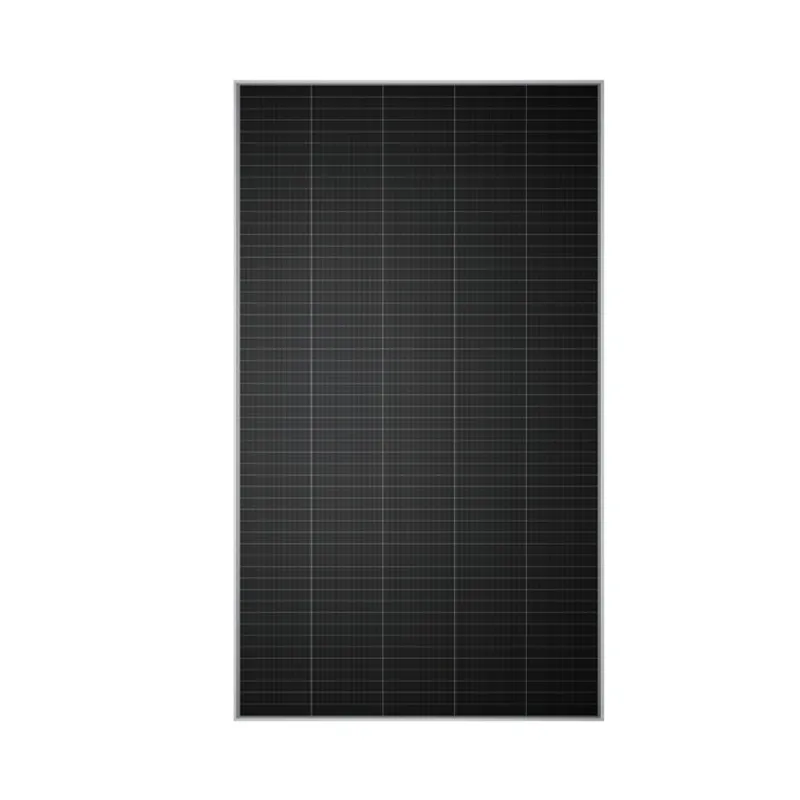
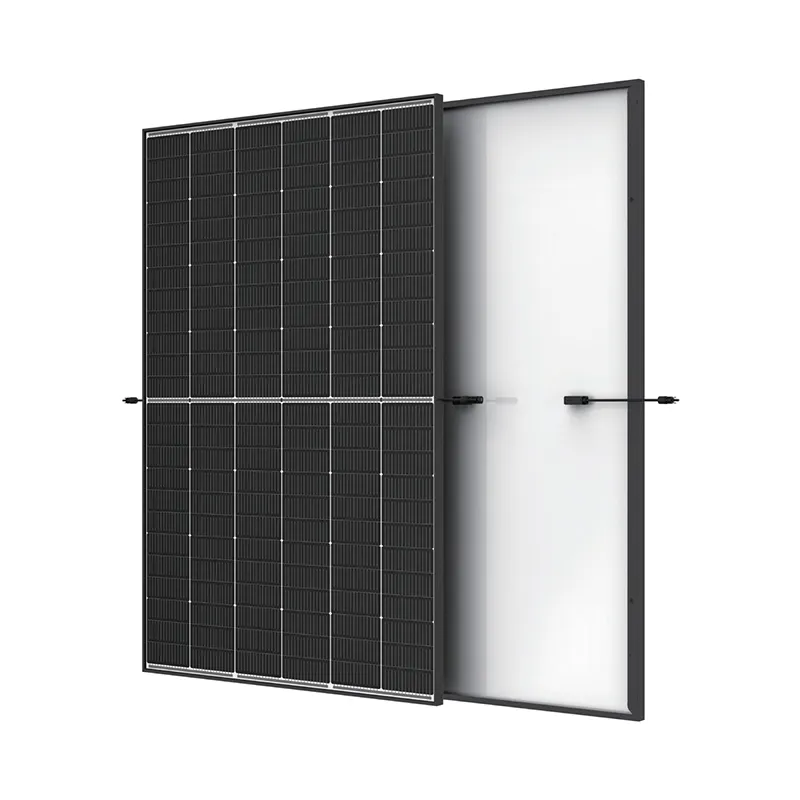
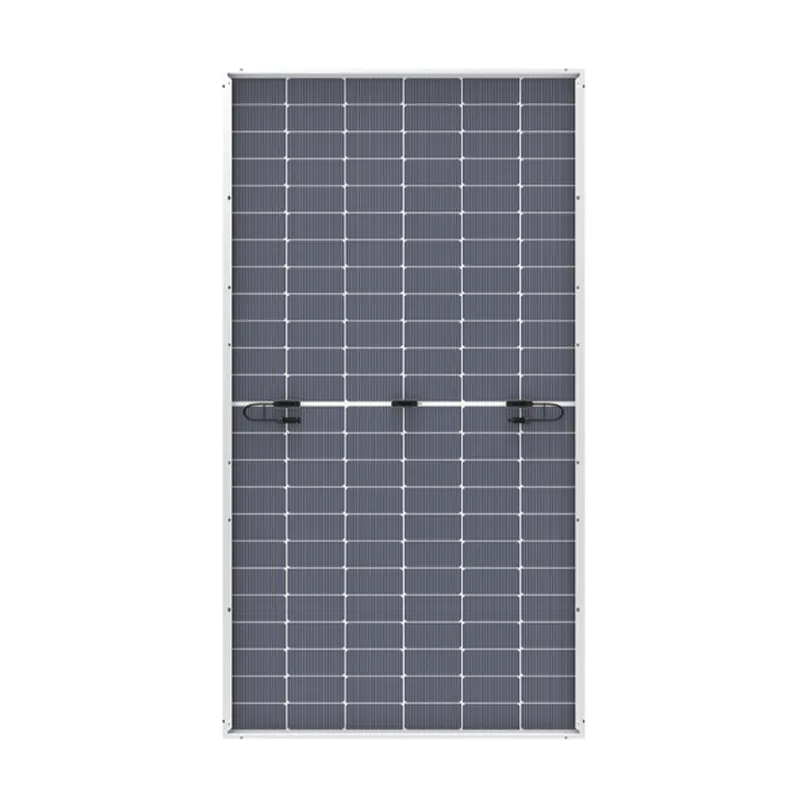
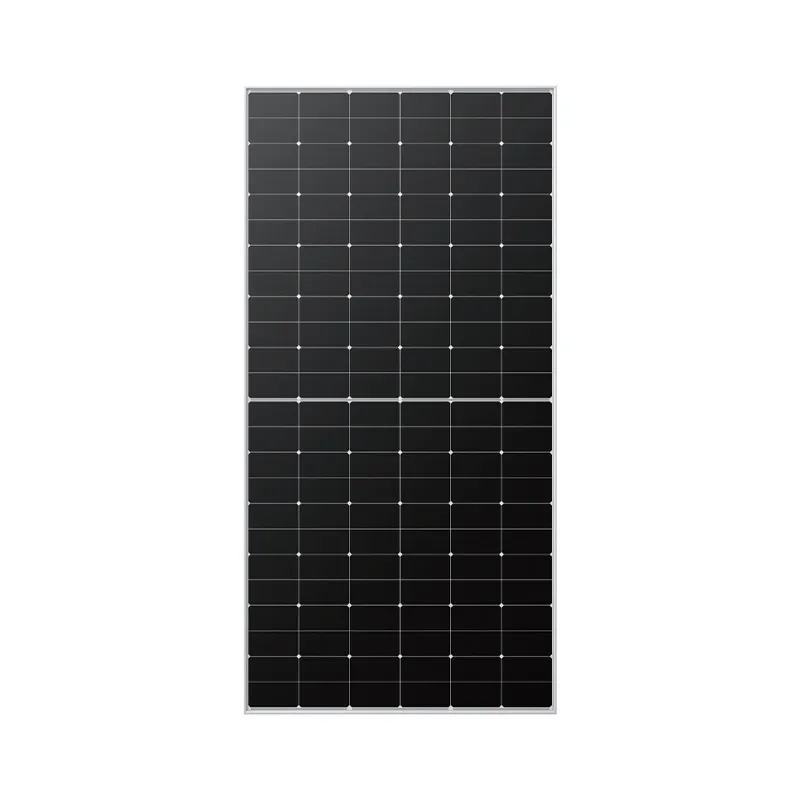
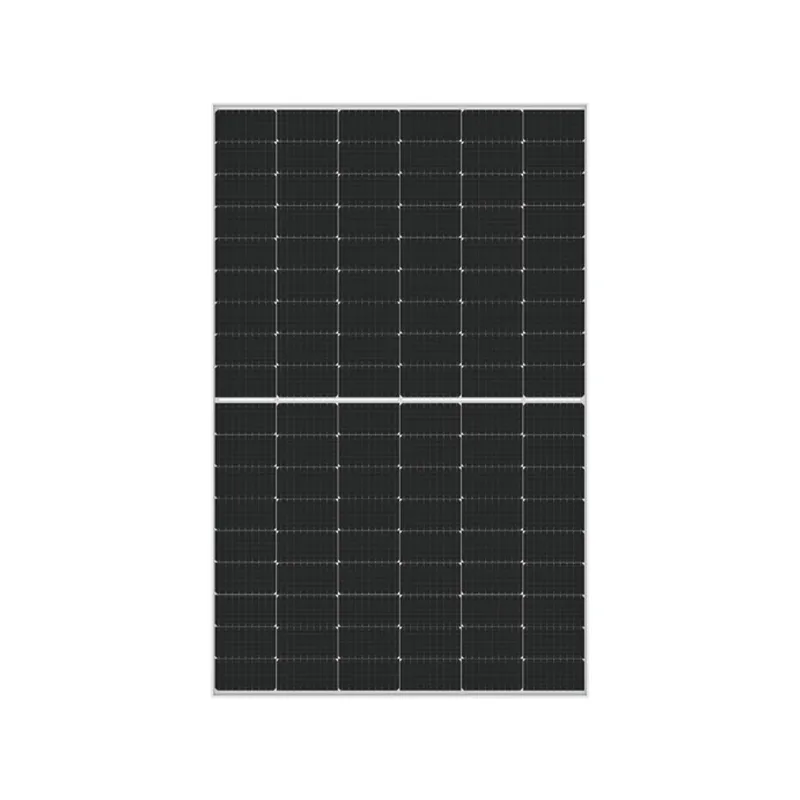
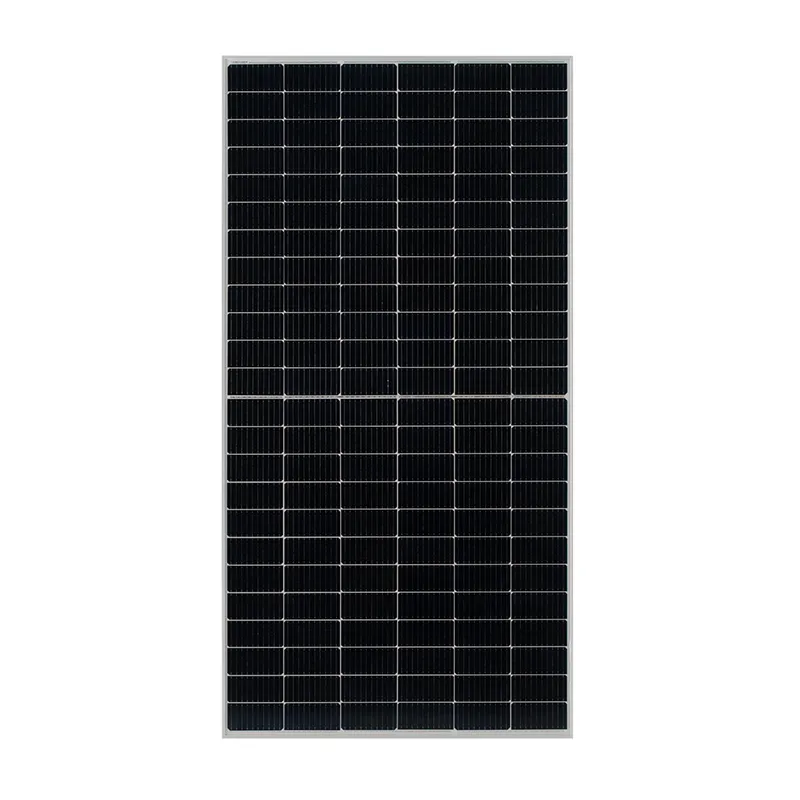
Here’s a quick glance at Benjiu Solar’s flagship panel specs, which I consider a solid middle ground between quality and price:
| Specification | Details |
|---|---|
| Type | Monocrystalline Silicon |
| Power Output | 320 Watts |
| Efficiency | 21.0% |
| Dimensions | 1640 x 992 x 40 mm |
| Weight | 18.5 kg |
| Frame | Silver Anodized Aluminum |
| Warranty | 12 years product, 25 years linear performance |
But, of course, no vendor is a one-size-fits-all. Here’s a quick vendor comparison between Benjiu Solar and a couple of alternative popular suppliers I’ve encountered in industrial projects:
| Vendor | Price per Watt | Customization | Warranty | Typical Lead Time |
|---|---|---|---|---|
| Benjiu Solar | $0.65 - $0.75 | High (custom sizes & connectors) | 12-year product / 25-year performance | 3-4 weeks |
| Vendor A | $0.85 - $0.95 | Low (standard models only) | 10-year product / 20-year performance | 1-2 weeks |
| Vendor B | $0.70 - $0.80 | Medium (limited custom options) | 10-year product / 25-year performance | 4-5 weeks |
You might notice that while Benjiu’s pricing isn’t the absolute cheapest, the customization possibilities and longer warranty can represent real value if you’re planning a long-term industrial deployment or a specialized site setup. One install I was involved with ran into issues with Vendor A’s panels because their limited options didn't fit the client's mounting constraints. Eventually, switching to a manufacturer like Benjiu Solar resolved that without extensive redesign costs.
In real terms, going direct means fewer middlemen, often tighter technical support, and usually smoother warranty claims if anything goes sideways. Sure, you need to vet the manufacturer carefully, but there’s always a tradeoff between convenience and control. If you want my two cents — and not just as an armchair commentator — I find the direct-manufacturer route especially worthwhile for mid-to-large industrial projects.
Oddly enough, despite the abundant solar panel brands out there, quality and real-world performance often cluster around a relatively small number of manufacturers with serious R&D and testing capabilities. That’s why a direct relationship with a factory like Benjiu Solar can feel like a solid ballast when your project depends on reliability month after month.
In the end, choosing your solar panel supplier might come down to that simple blend of trust, specs, and how well they accommodate your unique needs. I’ve seen projects saved by direct communication and those lost to hidden compromises.
References:
1. IEC 61215 and 61730 Standards, International Electrotechnical Commission.
2. Benjiu Solar official product specs, benjiusolar.com.
3. Industry interviews and site visits, 2015-2023.
-
Designing a Modern Home Roof Made Out of Solar Panels GuideNewsApr.16,2026
-
Guide to the Size of 150 Watt Solar Panel for Your ProjectNewsApr.09,2026
-
Understanding the Dimensions and Applications of a 200W Solar PanelNewsApr.07,2026
-
Understanding the Dimensions and Factors of a 330W Solar Panel SizeNewsApr.04,2026
-
Understanding the Size and Dimensions of a 4kW Solar Panel System for Your HomeNewsMar.31,2026
-
Comprehensive Guide to Sizing Your Solar System for Optimal Energy ProductionNewsMar.28,2026