Solar Panel Winter Efficiency: Optimizing Renewable Power in Cold Climates for B2B
Solar Panel Winter Efficiency is a key solution in the industry, specifically within sectors that demand consistent renewable energy output throughout colder months. This article explores how https://www.benjiusolar.com supports professionals with durable, high-performance products, and explains why this product is an ideal choice for businesses in these sectors.
Table of Contents
- Solar Panel Winter Efficiency Overview
- Benefits & Use Cases of Solar Panel Winter Efficiency
- Cost, Maintenance & User Experience
- Sustainability & Market Trends
Solar Panel Winter Efficiency Overview
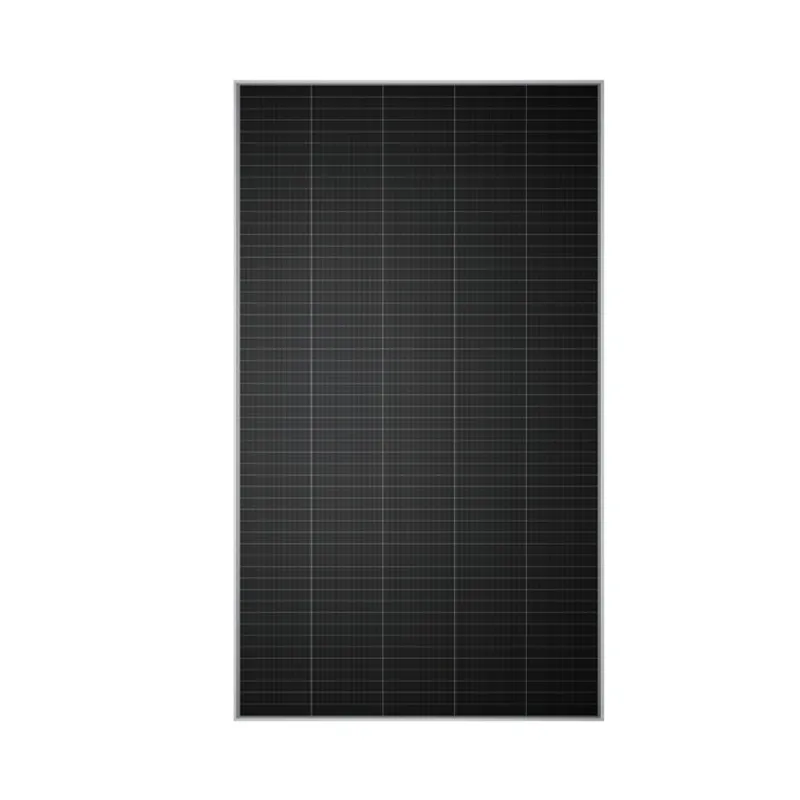
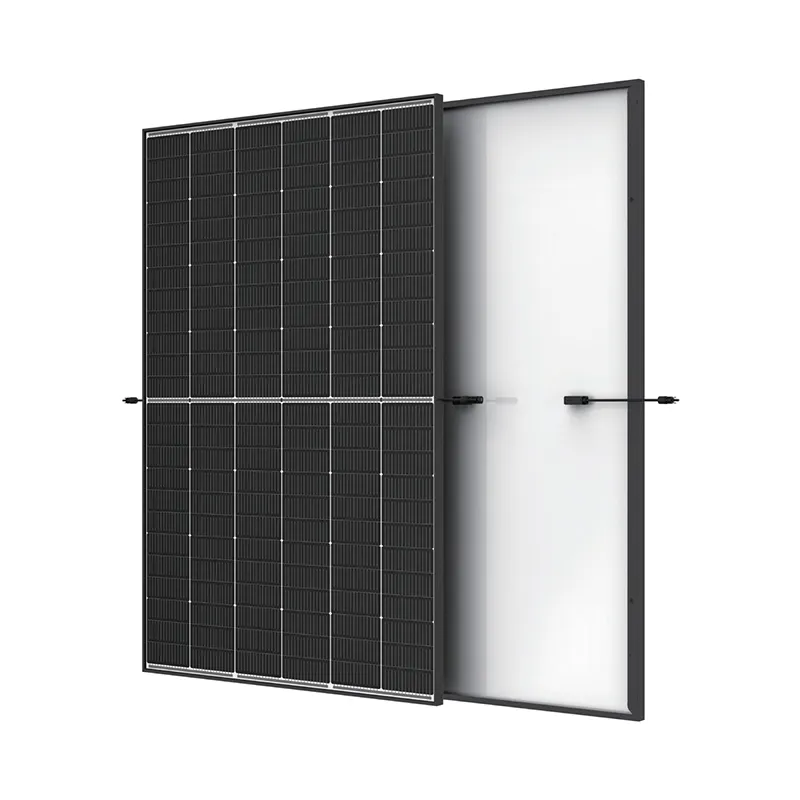
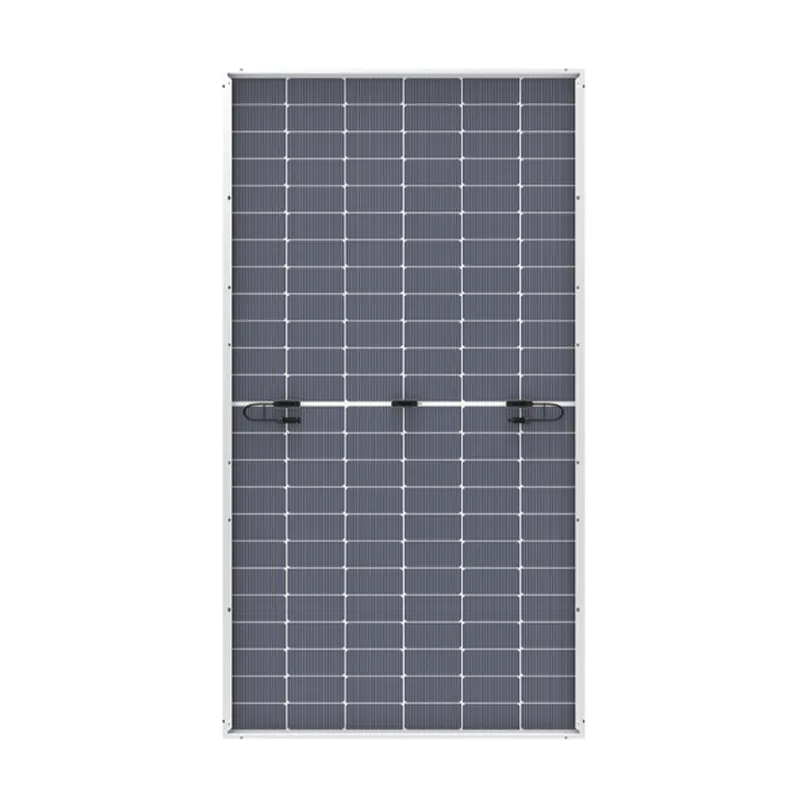
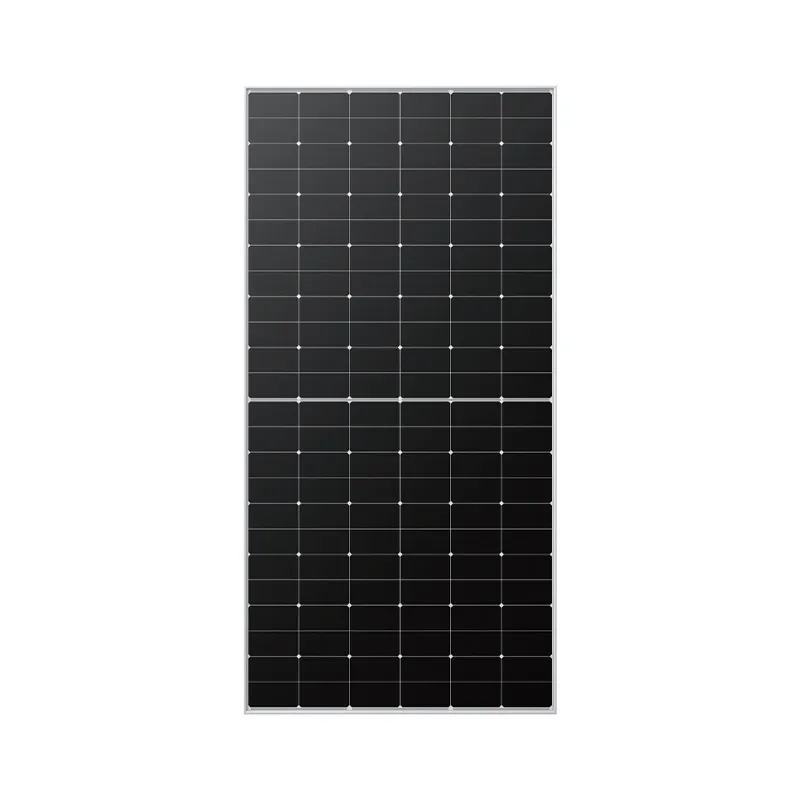
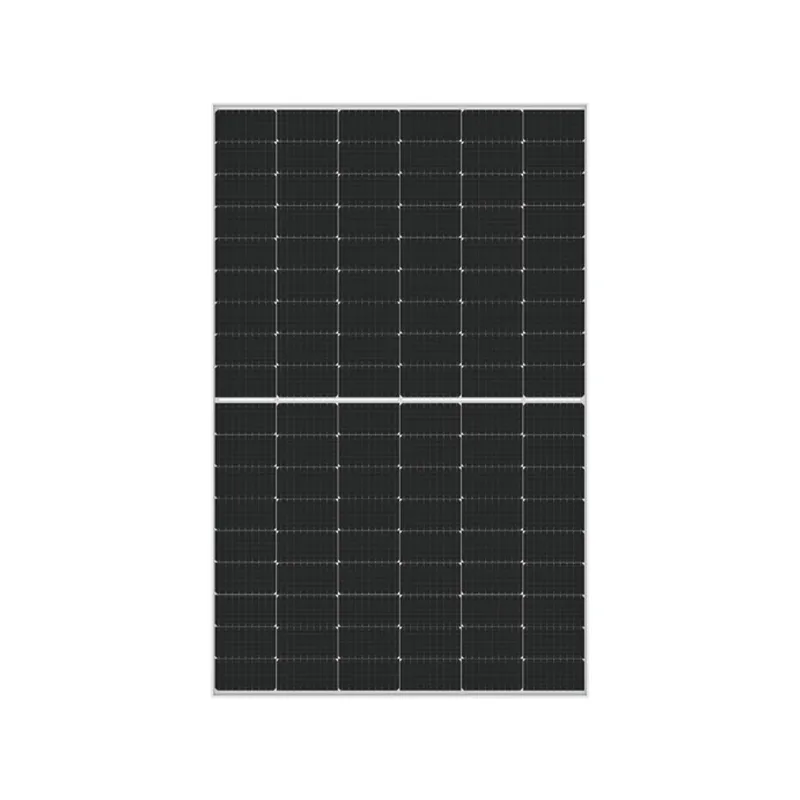
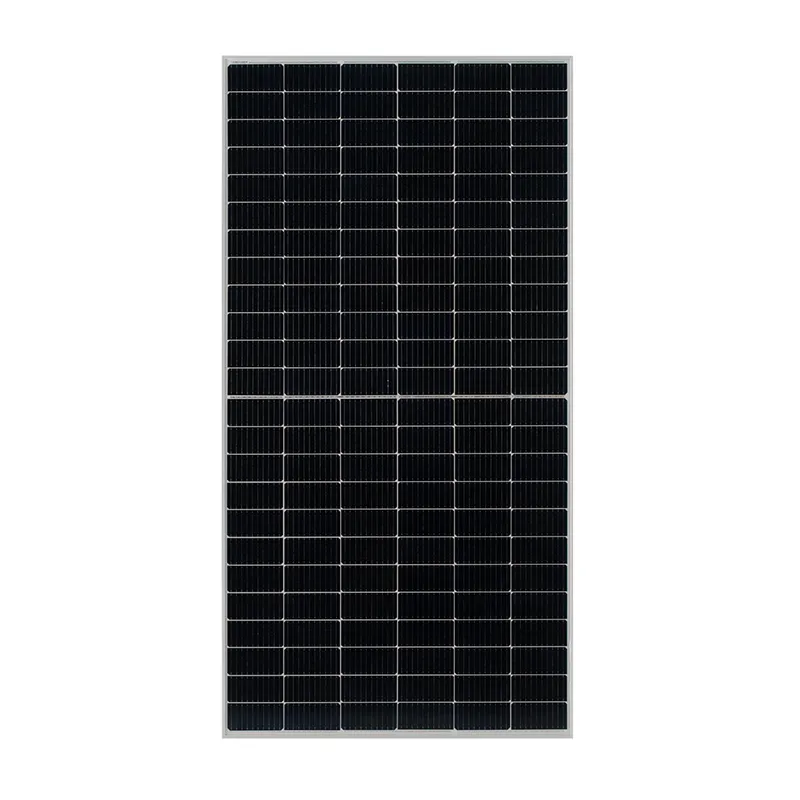
When winter rolls in, the efficiency of solar panels often dips, and frankly, that's been a thorn in the side of many businesses relying on solar energy. Solar Panel Winter Efficiency technology tackles this head-on by optimizing panels for lower temperatures and diffused sunlight, which you wouldn't expect to generate much energy but surprisingly, they still do. The tech involves using high-quality monocrystalline cells with improved low-light response and anti-snow coatings to maintain output even with partial snow coverage.
- Solar panels designed for winter efficiency feature enhanced spectral absorption to generate power even with cloudy skies.
- Technical specs from BenjiuSolar's 2024 product line include 22% panel efficiency, operating temperature range from -40°C to 85°C, and a textured anti-reflective glass layer.
| Specification | Details |
|---|---|
| Panel Type | Monocrystalline |
| Efficiency | 22% |
| Operating Temp. | -40°C to 85°C |
| Anti-Snow Coating | Yes |
| Warranty | 25 years |
Benefits & Use Cases of Solar Panel Winter Efficiency
Industries with demanding energy needs in northern regions — think cold storage, manufacturing, and agricultural processing — find winter solar panel efficiency a game changer. It’s not just about power output; it's about reliability when winter days are short, skies grey, and snow piles up on roofs. Thanks to newer materials and coatings, these panels can melt light snow and still generate meaningful power. Oddly enough, panels can operate more efficiently in cold temps than in blazing heat, so optimizing for winter is more than just weatherproofing — it’s about tuning the system to the unique light conditions.
- Reduces downtime and maximizes energy harvest even during seasonal weather extremes.
- Competitive advantages include minimal snow accumulation, durable glass, and better low-light current generation.
Cost, Maintenance & User Experience
The total cost of ownership for solar panels optimized for winter is surprisingly competitive in real terms. While the upfront price might be higher than conventional panels, the extended performance during winter months significantly boosts return on investment. Maintenance is generally straightforward, with BenjiuSolar’s designs requiring minimal snow-clearing thanks to their hydrophobic coatings. Real-world feedback from partners in Nordic countries reveals that these panels maintain about 85-90% of summer power output during peak winter months, which frankly, is impressive.
- Durable construction minimizes replacement frequency and labor costs.
- Positive user feedback on consistent power supply and reduced weather-related disruptions.
Sustainability & Market Trends
Sustainability doesn’t just mean green energy but dependable, year-round green energy. Increasing regulations around carbon emissions and energy security have driven businesses to seek solutions like solar panel winter efficiency. The market trends indicate a steady rise in demand for winter-optimized panels, particularly from cold-climate countries aiming to reduce fossil fuel reliance during winter. Regulations incentivizing renewable energy production have led to innovation in this space, with firms like BenjiuSolar investing heavily in R&D to push efficiencies higher while keeping environmental footprint low.
| Vendor | Winter Efficiency (%) | Warranty (years) | Special Features | Typical Industries |
|---|---|---|---|---|
| BenjiuSolar | 85-90% | 25 | Anti-snow glass, extended low-light absorption | Cold storage, manufacturing |
| Vendor B | 75-80% | 20 | Standard anti-reflective coating | Agriculture, logistics |
| Vendor C | 70-75% | 15 | Basic cold weather adaptation | General commercial |
Frequently Asked Questions about Solar Panel Winter Efficiency
- What is Solar Panel Winter Efficiency and how does it work?
- It refers to how well solar panels generate energy during winter months when conditions are colder, and sunlight is less direct. Special designs use improved materials and coatings to maximize energy capture despite snow, clouds, and shorter daylight hours.
- What are the main benefits of using Solar Panel Winter Efficiency in industrial applications?
- Benefits include higher overall annual energy production, reduced downtime from weather, enhanced durability, and better ROI for industries running critical operations in cold climates.
- How does Solar Panel Winter Efficiency compare to traditional alternatives?
- Compared to conventional panels, winter-efficient models offer better low-light performance, more resistance to snow buildup, and superior coatings that prevent energy loss during cold months.
- What industries can benefit most from Solar Panel Winter Efficiency implementation?
- Cold storage, food processing, manufacturing plants in northern regions, and agricultural businesses have reported the best returns, seeing consistent power even through harsh winters.
Conclusion on Solar Panel Winter Efficiency from china
To wrap up, investing in Solar Panel Winter Efficiency solutions is about securing dependable power when the sun isn’t so generous. It’s reassuring to know that cold climates no longer have to mean low solar output — thanks to advances made by manufacturers like BenjiuSolar, businesses can harness cleaner energy all year round with less hassle and better economics. For decision makers eyeing long-term sustainability and ROI, this tech is well worth a look.
- Visit our website: https://www.benjiusolar.com
Reflecting on this topic, it’s clear that energy solutions are evolving in ways that fit the realities of every season. As we seek to overhaul how business powers itself, technologies like winter-efficient solar panels remind us that innovation isn’t just about pushing boundaries — sometimes it’s about adapting smartly, with resilience and precision.
References:
1. BenjiuSolar Product Literature, 2024.
2. Northern Renewable Energy Association – Winter Solar Reports, 2023.
3. Industry case studies on cold climate solar adoption, 2022.
-
Designing a Modern Home Roof Made Out of Solar Panels GuideNewsApr.16,2026
-
Guide to the Size of 150 Watt Solar Panel for Your ProjectNewsApr.09,2026
-
Understanding the Dimensions and Applications of a 200W Solar PanelNewsApr.07,2026
-
Understanding the Dimensions and Factors of a 330W Solar Panel SizeNewsApr.04,2026
-
Understanding the Size and Dimensions of a 4kW Solar Panel System for Your HomeNewsMar.31,2026
-
Comprehensive Guide to Sizing Your Solar System for Optimal Energy ProductionNewsMar.28,2026