Solar Panel 350 Watt Price Overview: Cost, Benefits & Global Trends | Benjiu Solar
Understanding the Solar Panel 350 Watt Price: What You Need to Know
Solar energy continues to be a bright spot in global efforts to curb carbon emissions and promote sustainable development. Within this vast market, the solar panel 350 watt price emerges as one of the pivotal benchmarks for residential and commercial solar power installations. But why does this specific wattage and its price matter so much? Simply put, a 350 watt solar panel strikes a sweet spot between performance, durability, and affordability, making it a widely favored choice worldwide. Understanding its costs and value is not just about dollars—it's a lens into global energy transformation and future-proof investments.
In a world that aims to shift to cleaner energy, the price of solar panels significantly affects adoption rates, especially in emerging economies and disaster-prone regions. Today, we'll explore why this figure matters, demystify what influences it, and look into the broader story behind a 350 watt solar module.
Global Context: Why the Solar Panel 350 Watt Price Is a Hot Topic
Read any recent UN or World Bank reports, and you’ll see renewable energy lighting up development stats like never before. According to the UN’s Sustainable Energy for All initiative, providing affordable, reliable solar power is crucial to the 2030 Agenda. Interestingly, costs of solar panels have dropped by over 80% since 2010 — but it’s the specific pricing at popular wattages, like 350 watts, that tells installers and consumers alike whether the shift truly feels within reach.
For example, the International Renewable Energy Agency (IRENA) notes that in 2023, solar power remains the most cost-competitive energy source in two-thirds of the world. Yet, supply chain hiccups and material shortages occasionally nudge prices—especially for these mid-size panels—up or down unpredictably. These fluctuations matter a lot to smaller businesses and NGOs working on limited budgets.
So, figuring out the solar panel 350 watt price isn’t just an accounting exercise; it’s about unlocking access to clean power, often in places that need it most.
Mini Takeaway:
- Solar panel prices impact global energy access.
- 350 watt panels are a practical “sweet spot” for many users.
- Price fluctuations reflect broader market and geopolitical factors.
What Exactly is the Solar Panel 350 Watt Price?
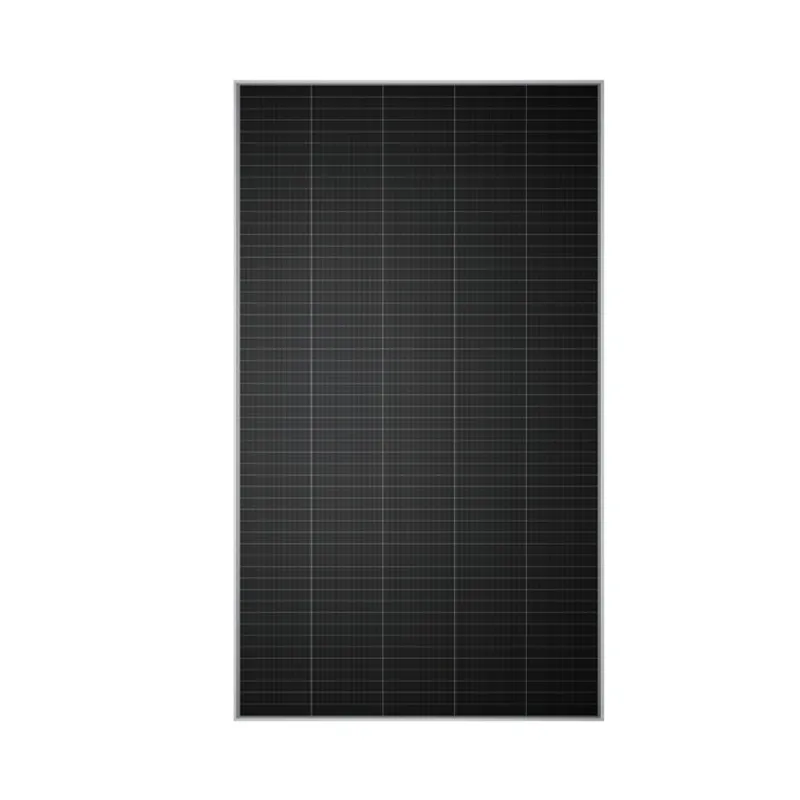
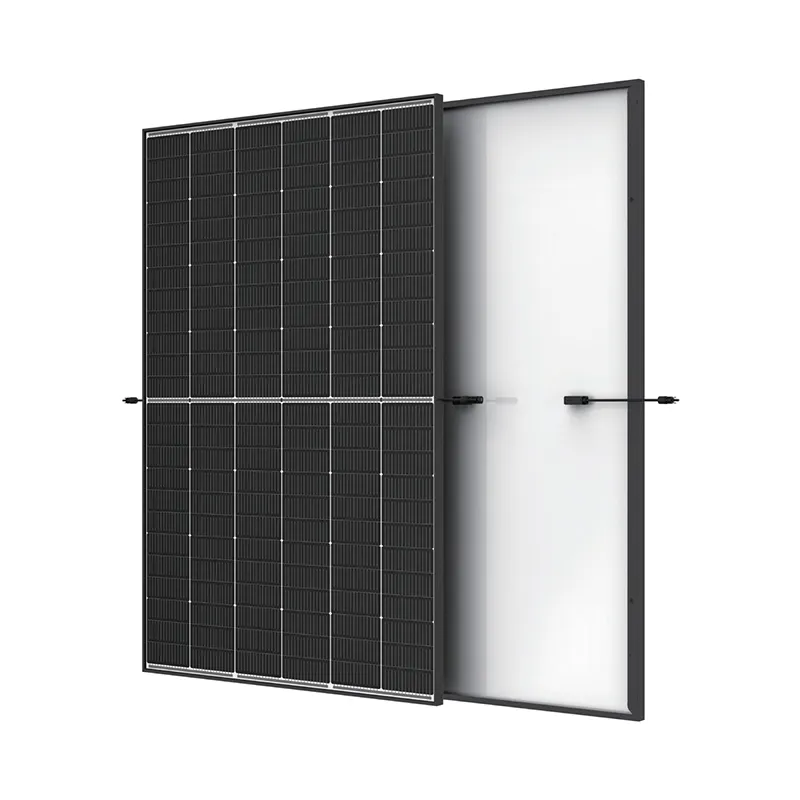
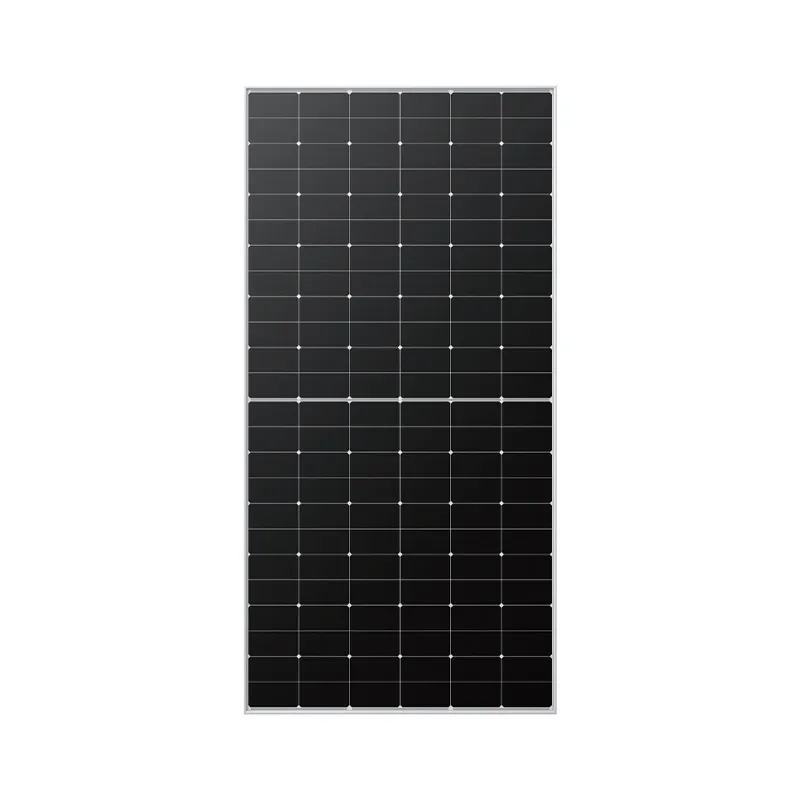
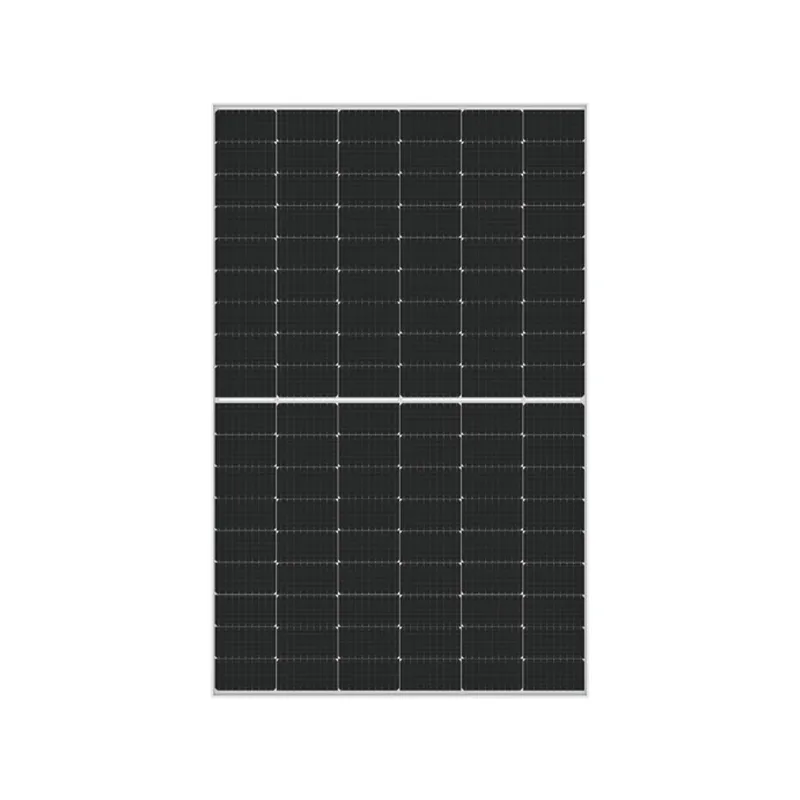
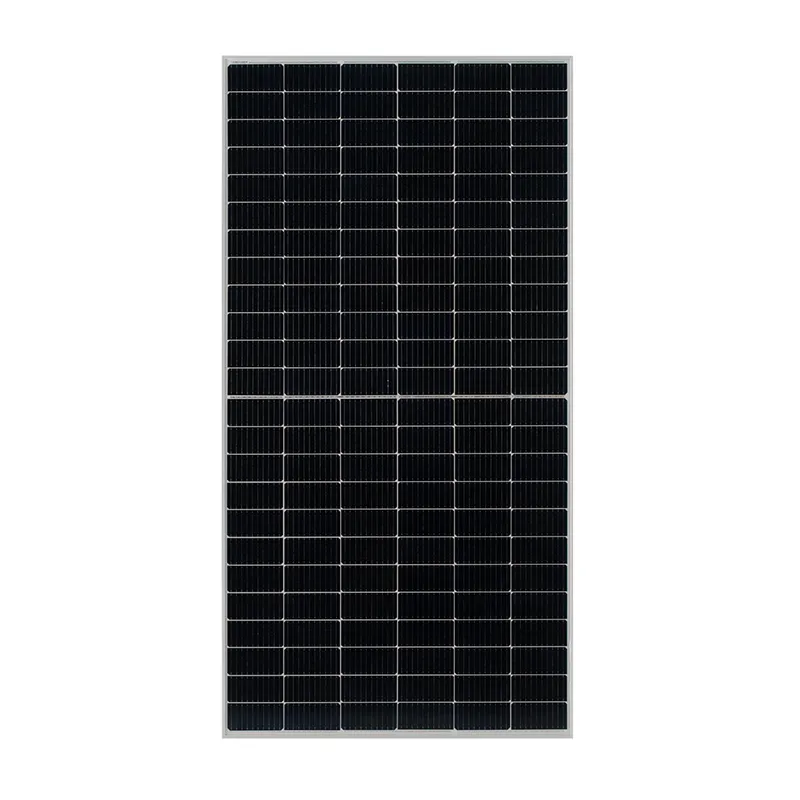
In straightforward terms, the solar panel 350 watt price refers to the market cost of purchasing a photovoltaic (PV) module that can produce 350 watts of power under standard test conditions. 350 watt panels are a newer industry standard, sitting comfortably between the more common 300 watt and 400 watt models in output.
Why does this matter? Well, when you’re sizing a solar system—whether on a home rooftop or an off-grid microgrid—knowing the price per watt and how 350 watt panels stack up helps installers and customers budget smarter. Since cost relates directly to kilowatt-hour (kWh) production over time, cheaper panels with good durability can mean real savings and more reliable power access.
From humanitarian aid to expanding industrial solar farms, this price point connects the dots between technology, economics, and human development.
Key Factors Influencing the Solar Panel 350 Watt Price
1. Durability and Build Quality
Not all 350 watt panels are created equal. Panels built with superior tempered glass, corrosion-resistant frames, and advanced encapsulants (like EVA or POE films) tend to cost more but last longer—sometimes 25+ years. Many engineers say investing in better build quality reduces long-term maintenance costs and energy yield losses.
2. Efficiency Ratings
Efficiency—how well a panel converts sunlight into electricity—varies. Higher efficiency panels with monocrystalline cells command higher prices due to their performance edge, especially in limited roof space.
3. Brand and Warranty
Reputable manufacturers often back their panels with 25-year warranties, affecting price. Brand reputation, supply chain reliability, and after-sales service are non-tangibles buyers weigh heavily.
4. Production Volume & Market Demand
Costs fluctuate naturally with manufacturing capacity, demand surges, and raw material costs—silicon prices being key. Recent global chip shortages and geopolitical tensions have squeezed prices on some 350 watt models.
5. Certification and Compliance
Panels certified to international standards (e.g., IEC 61215, UL 1703) often cost more upfront but assure safety and grid compatibility.
6. Shipping and Import Tariffs
For projects in remote or developing regions, shipping adds a significant chunk to the overall 350 watt solar panel price. Tariffs can vary by country, affecting final cost.
Mini Takeaway:
- Durability and efficiency heavily influence price.
- Warranties and certifications add value.
- Global supply chain effects ripple through costs.
A Closer Look: Solar Panel 350 Watt Price Specification Table
| Attribute | Typical Range | Notes |
|---|---|---|
| Power Output | 345W – 360W | Slight variance by manufacturer |
| Efficiency | 17% - 20% | Higher-efficiency panels cost more |
| Price per Panel | $140 - $220 | Depends on bulk orders, region |
| Warranty | 10 - 25 years | Longer warranties more costly upfront |
| Weight | 18 - 21 kg | Impact on installation logistics |
Global Applications & Use Cases
It’s fascinating how these 350 watt solar panels show up in diverse settings—from Australian farms powering irrigation pumps to post-disaster shelters in Southeast Asia. NGOs often favor them due to their balance of size, power output, and price. In rural Africa, 350 watt systems power schools and clinics, tackling chronic energy shortages. Industrial players in Western Europe install these panels en masse in solar farms, benefiting from their cost-efficiency on large scales.
One particular case I recall is a community microgrid project in Latin America, where 350 watt panels were chosen to maximize power output on uneven rooftops without breaking budgets—pretty clever, really.
Mini Takeaway:
- 350 watt panels blend well with residential, commercial, and humanitarian needs.
- They enable off-grid power in remote and underserved areas.
- Widely adopted thanks to their favorable price-to-performance ratio.
Solar Panel 350 Watt Price: Vendor Comparison Table
| Vendor | Average Price per Panel (USD) | Warranty | Efficiency | Customer Rating (out of 5) |
|---|---|---|---|---|
| SunPower | $210 | 25 years | 20% | 4.8 |
| JA Solar | $150 | 12 years | 17.5% | 4.3 |
| Trina Solar | $140 | 10 years | 18% | 4.1 |
| Benjiu Solar | $135 | 15 years | 18.5% | 4.5 |
Note: Benjiu Solar prices fluctuate depending on order size and site location.
Advantages & Long-Term Value of the 350 Watt Panel
Think of a 350 watt solar panel as that reliable old friend—not flashy but steady, and valuable over time. Cost-wise, these panels balance upfront affordability with solid, ongoing energy yield. This means an excellent return on investment for homeowners and small businesses. It’s not just about cheaper panels, but those that save you money month after month.
On the sustainability front, widespread use of efficient panels like the 350 watt variant directly reduces fossil fuel dependence. In social terms, reliable solar power bolsters safety and health by powering critical infrastructure—think refrigeration for vaccines or lighting for schools. It's empowering.
Looking Ahead: Future Trends Impacting Solar Panel Prices
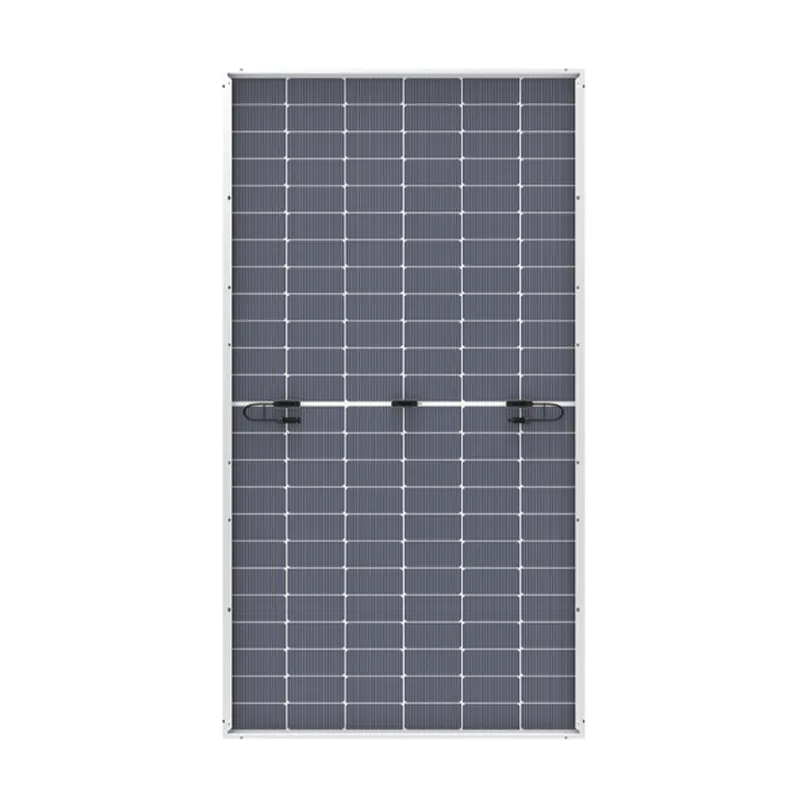
The solar world moves fast. We’re seeing innovations like bifacial panels—which capture sunlight from both sides—and thin-film technologies pushing prices down again. Add to that smart digital monitoring and AI-driven performance diagnostics, and the cost-performance trade-off for 350 watt models looks set to improve.
Policy initiatives, particularly mandates incentivizing renewable uptake, also play a role in adjusting market prices. Automation in manufacturing promises lower costs and better quality control—something suppliers like Benjiu Solar are already embracing.
Challenges in the Market and Solutions on the Horizon
Of course, no tech is without its headaches. Price volatility, geopolitical trade tariffs, and supply chain bottlenecks still pepper the industry. Plus, in some rural deployments, installation and maintenance costs remain a hurdle. Many experts suggest modular designs and local assembly as cost-reducers. Additionally, better financing options for smaller customers are easing adoption.
Frequently Asked Questions About Solar Panel 350 Watt Price
- Q1: How does the solar panel 350 watt price compare to other wattages?
- A1: Generally, 350 watt solar panels offer a favorable price-to-performance ratio compared to smaller 300W or larger 400W panels. While larger panels cost more upfront, the 350 watt option remains popular for balancing affordability and efficiency, especially for residential installations.
- Q2: Are there ways to reduce the overall cost beyond just panel price?
- A2: Absolutely. Bulk purchasing, choosing local installers, and leveraging government incentives can lower total system costs. Additionally, selecting panels with proven longevity reduces long-term maintenance expenses.
- Q3: What warranty terms should I look for?
- A3: A good warranty ideally covers at least 10 years for product defects and 25 years for power output performance. This ensures the panel maintains efficiency and safety over its lifecycle.
- Q4: Do 350 watt solar panels work well in low sunlight areas?
- A4: Yes, especially if the panel efficiency is high and installed at optimal angles. Some manufacturers offer panels with better low-light performance, important in cloudy or shaded environments.
Conclusion: Why Knowing the Solar Panel 350 Watt Price Matters
Choosing the right solar panel is as much about smart economics as it is about engineering. The solar panel 350 watt price is more than just a number—it's a gateway to cleaner energy, cost savings, and sustainable living. As you consider your solar options, keeping an eye on this price point and what it actually means can help you get the best setup for your needs.
Ready to dive further or request a quote? Visit our website for detailed info and a personalized quote: solar panel 350 watt price.
Final Thought:
Solar is evolving, and that 350 watt panel on your roof might just be the quiet hero powering a greener future. Kind of poetic, when you think about it.
References:
-
Designing a Modern Home Roof Made Out of Solar Panels GuideNewsApr.16,2026
-
Guide to the Size of 150 Watt Solar Panel for Your ProjectNewsApr.09,2026
-
Understanding the Dimensions and Applications of a 200W Solar PanelNewsApr.07,2026
-
Understanding the Dimensions and Factors of a 330W Solar Panel SizeNewsApr.04,2026
-
Understanding the Size and Dimensions of a 4kW Solar Panel System for Your HomeNewsMar.31,2026
-
Comprehensive Guide to Sizing Your Solar System for Optimal Energy ProductionNewsMar.28,2026