Comprehensive Guide to Solar Panel Cost per m²: Trends, Factors & Benefits
Understanding Solar Panel Cost per m²: Why It Matters Today
When discussing renewable energy solutions, the phrase solar panel cost per m² often pops up—but what does it really mean, and why should anyone beyond the installation experts care? Well, as the global push towards cleaner energy intensifies, understanding the cost efficiency of solar panels by area is vital—not just for industry insiders, but for policymakers, NGOs, and homeowners. It goes to the heart of energy planning and affordability, especially in regions where land and space play a crucial role in harnessing the sun’s power.
In this piece, we’ll unpack the concept, highlight global challenges it addresses, and explore why this seemingly dry metric is actually a beacon for sustainability and economic sense. Ready to dive in?
The Bigger Picture: Solar Panel Cost per m² in Today’s Energy Landscape
There’s no denying the tide is shifting. According to the International Renewable Energy Agency (IRENA), solar power capacity quadrupled between 2015 and 2022 globally, largely driven by rapid price declines and improved technology. But one nagging question remains: how cost-effective is solar energy, really, when you look at it square meter by square meter?
Why does this matter? Well, as the United Nations Sustainable Development Goals emphasize clean energy access (UN SDG7), understanding the economics at a granular level helps governments and organizations succeed in scaling projects that are both environmentally and financially sustainable.
For instance, in dense urban environments or remote off-grid locations, optimizing solar output per m² while keeping costs manageable means making the difference between a successful project and one abandoned halfway.
Mini Takeaway:
- Solar panel cost per m² drives decisions for developers worldwide.
- It factors into access, scaling, and sustainability.
- Ignoring it risks wasting precious resources on impractical setups.
What Exactly is Solar Panel Cost per m²?
Simply put, solar panel cost per m² refers to the expense associated with installing solar photovoltaic (PV) panels on a unit area basis. It encapsulates not only the price of the solar modules themselves but also includes associated costs like framing, wiring, installation labor, and sometimes inverter and mounting system expenses, aggregated and expressed per square meter.
This figure allows planners, engineers, and buyers to compare the cost efficiency of different solar setups and technologies. In humanitarian contexts, for example, knowing how much solar energy you can get per square meter for a given price helps NGOs design sustainable power systems for refugee camps or disaster zones without overshooting their budgets.
Key Factors Affecting Solar Panel Cost per m²
1. Panel Type and Efficiency
Monocrystalline panels are generally more efficient and expensive per m² than polycrystalline or thin-film types. The efficiency directly impacts the energy yield for the same area, which often justifies the higher upfront cost.
2. Durability and Warranty
Panels designed to withstand harsh weather, like high humidity or dust, sometimes demand a premium. But this often pays off with longer lifespans and consistent performance over years.
3. Installation Complexity
Urban rooftops, uneven terrain, or off-grid sites require specialized installation methods. These challenges push up labor and mounting system costs, influencing the overall cost per square meter.
4. Scale and Volume Discounts
Bulk purchases in utility-scale projects typically lower per m² costs compared to residential, one-off installations, where smaller volumes and customization add a markup.
5. Local Regulations and Incentives
Tariffs on imported panels, subsidy programs, and local labor rates can significantly sway the solar panel cost per m², sometimes making or breaking project feasibility.
6. Balance of System (BOS) Components
Costs of inverters, wiring, mounting, and monitoring gear are sometimes overlooked but can add a substantial percentage to the total cost measured per m² of panels installed.
Mini Takeaway:
- Not all costs are obvious upfront—look beyond panels.
- Efficiency and installation nuances matter a lot.
- Local factors can sway prices unexpectedly.
Solar Panel Cost per m² in Action: Real-World Applications
In disaster-relief efforts, rapid deployment of solar systems with optimized cost per m² is a lifesaver. For example, after the 2020 wildfires in Australia, NGOs installed portable solar units in temporary shelters allowing power access without hefty fuel costs.
Meanwhile, remote industrial zones in Africa and South America increasingly rely on carefully calculated solar deployments where shipping fossil fuels is impractical. Here, every square meter counts towards cost efficiency and reliable energy delivery.
Even large-scale commercial solar farms in the US Midwest run detailed cost-per-m² models to balance maximum panel density against maintenance access costs.
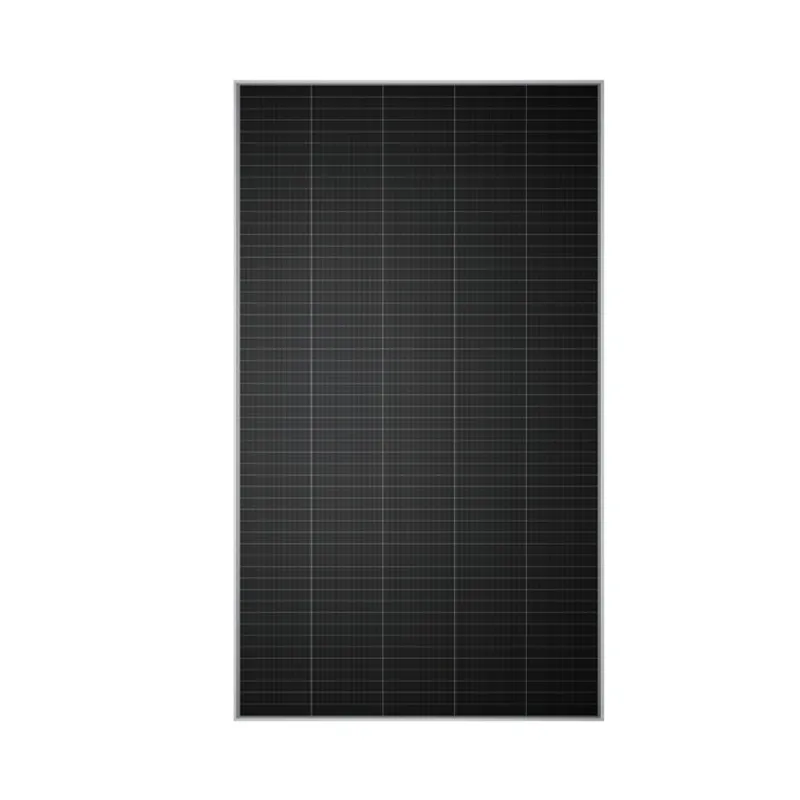
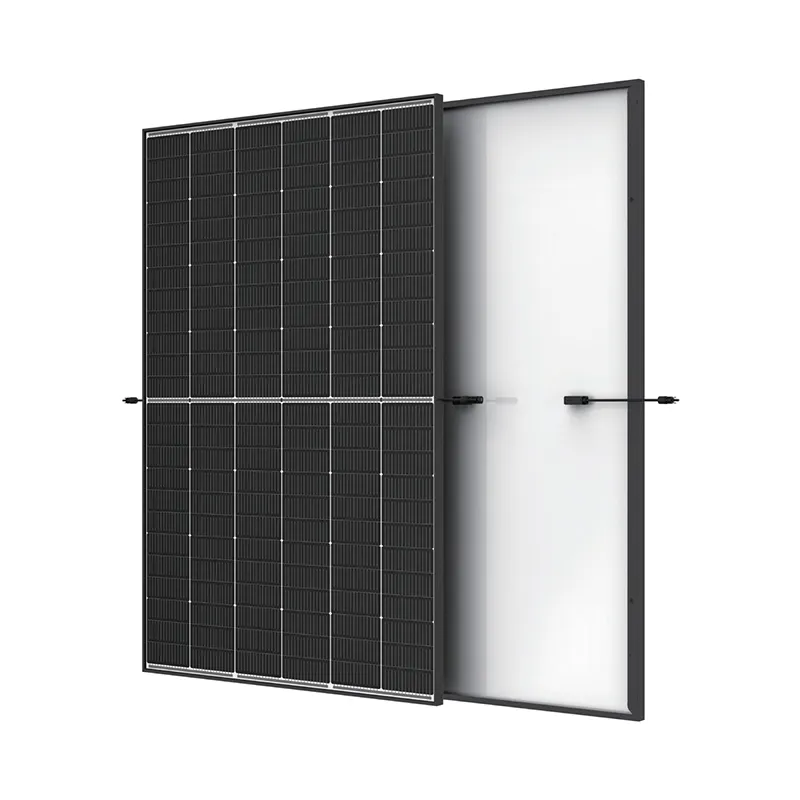
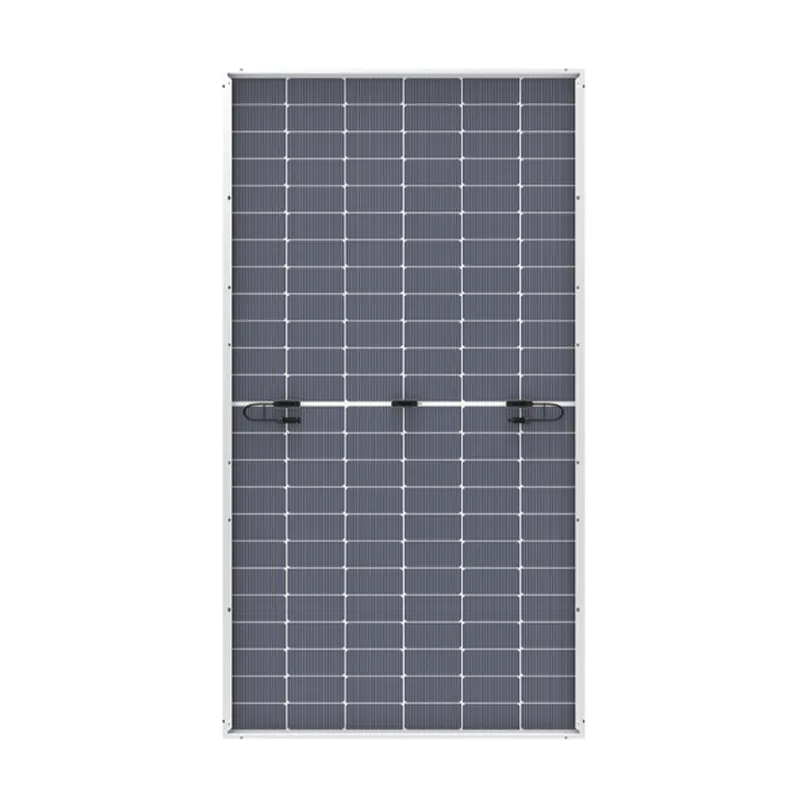
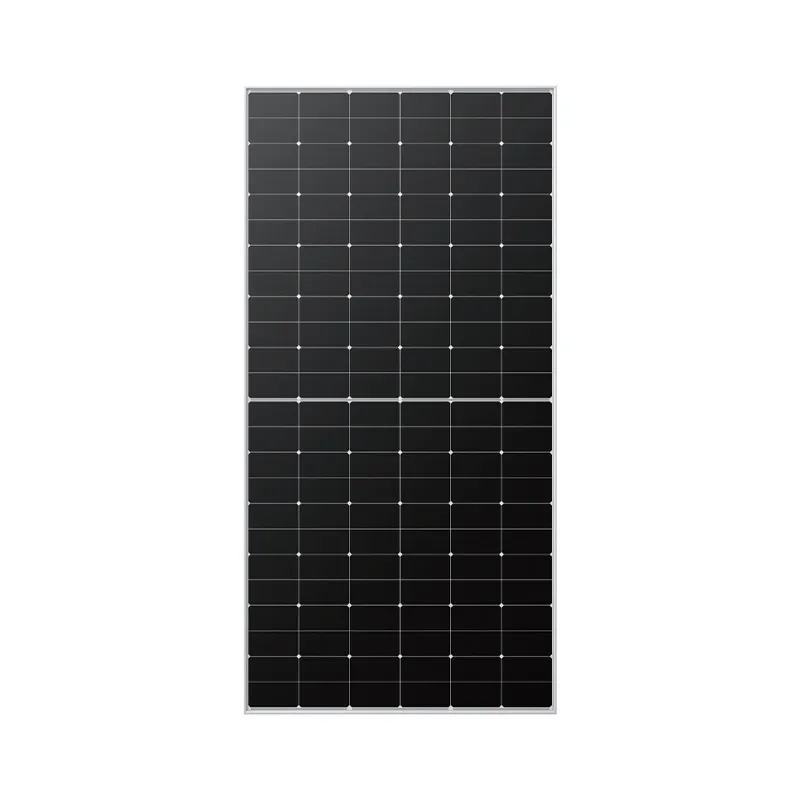
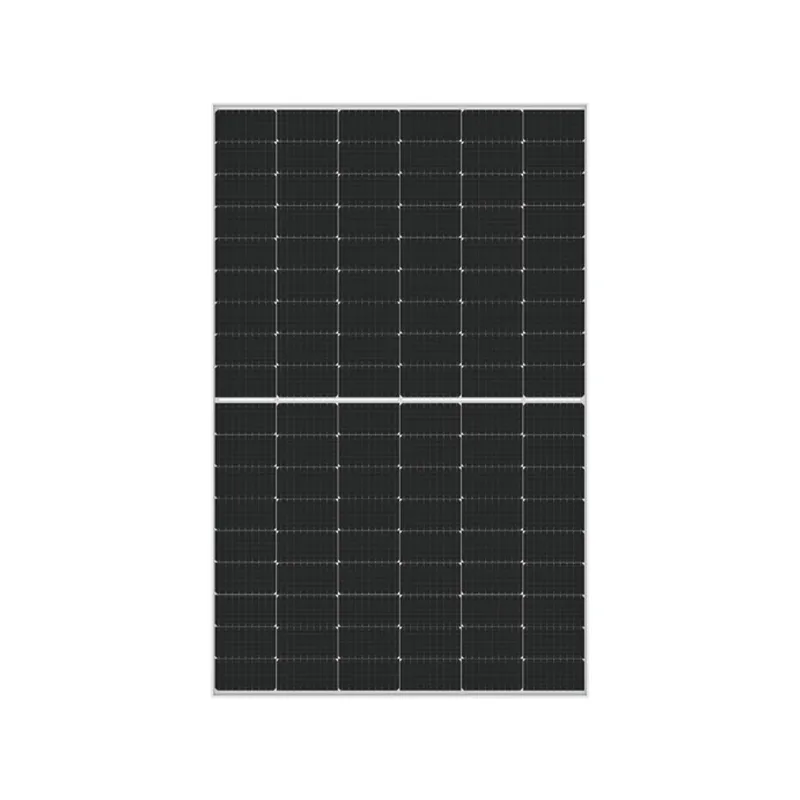
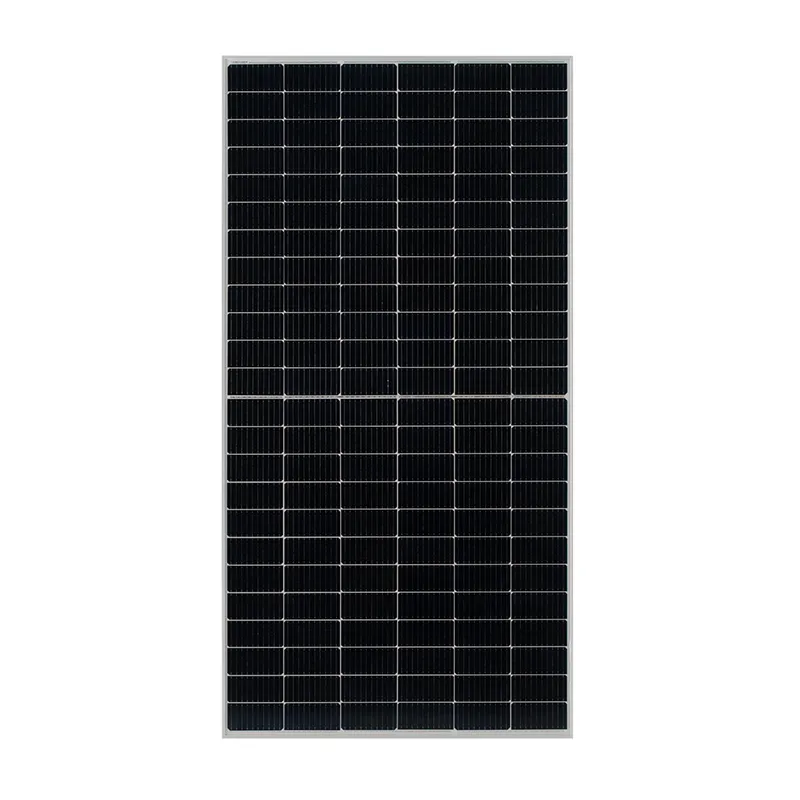
| Specification | Typical Value | Units |
|---|---|---|
| Panel Type | Monocrystalline | - |
| Efficiency | 20.5 | % |
| Power Output | 400 | Watts |
| Panel Size | 1.7 | m² |
| Warranty | 25 | years |
| Typical Cost | $210 | per m² |
Why Solar Panel Cost per m² Offers Long-Term Value
Thinking beyond sticker shock, solar panel cost per m² provides a clearer lens on the total value proposition. Financially, it lets you calculate solar panel cost per m² versus expected energy output, culminating in a payback period estimate. But sustainability and social impact aren’t far behind—lower costs per area mean better affordable access for communities, enhancing energy equity.
Emotionally, knowing a system was designed and priced with care fosters trust. Take a remote village powered partly by solar microgrids optimized for cost per m²: the inhabitants not only gain lights but dignity, safety, and opportunity.
Where Solar Panel Technology is Headed: Trends You Should Know
Solar tech isn’t standing still. Emerging perovskite layers promise to boost efficiency without increasing panel size (thus lowering cost per m² effectively). Floating solar farms are leveraging water surfaces, which changes the whole calculus of space and cost.
On the policy end, many governments are streamlining subsidies and simplifying permits, specifically targeting projects that optimize cost per m²—an indicator that this metric is gaining real clout beyond just calculators and spreadsheets.
Common Challenges and Cutting Through the Noise
Oddly, despite the focus on cost per square meter, many projects neglect the “soft” costs: permitting delays, grid integration, and after-install maintenance. These can add 20-30% hidden expenses that skew upfront cost expectations.
Fortunately, digital solutions like AI-powered site assessment and modular installation kits are increasingly smoothing these bumps, making the cost per m² a more reliable figure for budgeting.
Vendor Comparison: Pricing & Offerings
| Vendor | Panel Type | Cost per m² (USD) | Warranty (Years) | Typical Use Case |
|---|---|---|---|---|
| SunTrex Solar | Monocrystalline | $220 | 25 | Urban rooftops |
| EcoRay Panels | Polycrystalline | $180 | 20 | Rural installations |
| SolarWave Tech | Thin-film | $150 | 15 | Portable & flexible setups |
FAQs: Your Common Questions About Solar Panel Cost per m²
- Q: How does panel efficiency impact solar panel cost per m²?
- A: Higher-efficiency panels produce more energy per square meter but tend to cost more upfront. When calculating cost per m², considering efficiency helps balance investment with energy output to find the best value.
- Q: Why might some installations have a higher cost per m² even with similar panels?
- A: Factors include installation complexity, local labor costs, added equipment, and site-specific challenges like shading or structural reinforcement that add hidden expenses beyond panel cost.
- Q: Can improving solar panel cost per m² make solar power viable in off-grid locations?
- A: Absolutely. Optimizing cost per m² helps maximize energy production and affordability in remote areas, reducing reliance on fossil fuels and cuts ongoing fuel transport costs.
- Q: Are cheaper panels always better for budget-conscious projects?
- A: Not necessarily. Lower-cost panels may have shorter lifespans or worse efficiency, leading to higher costs over time. Evaluating total cost of ownership with cost per m² as just one factor is key.
- Q: How can I find more detailed pricing for solar panels per m²?
- A: Contacting vendors directly and requesting detailed quotations or using specialized market reports can provide more precise data based on your project specifics.
Wrapping Up: Why You Should Care About Solar Panel Cost per m²
To put it bluntly, solar panel cost per m² is more than a dry statistic. It’s the backbone of smart, sustainable solar projects that can reshape energy access globally. Whether you're in disaster relief, rural electrification, or commercial energy production, understanding this metric leads to cost savings, efficiency gains, and ultimately a greener planet.
If you want to explore further and find practical solutions tailored to your needs, I encourage you to visit our website: https://www.benjiusolar.com. The future of solar starts here — one square meter at a time.
References
-
Designing a Modern Home Roof Made Out of Solar Panels GuideNewsApr.16,2026
-
Guide to the Size of 150 Watt Solar Panel for Your ProjectNewsApr.09,2026
-
Understanding the Dimensions and Applications of a 200W Solar PanelNewsApr.07,2026
-
Understanding the Dimensions and Factors of a 330W Solar Panel SizeNewsApr.04,2026
-
Understanding the Size and Dimensions of a 4kW Solar Panel System for Your HomeNewsMar.31,2026
-
Comprehensive Guide to Sizing Your Solar System for Optimal Energy ProductionNewsMar.28,2026