Maximizing Energy Output Through Optimal Solar Panel Tilt Efficiency
Maximizing Energy Production: Understanding Solar Panel Tilt Efficiency
Optimizing the angle of your solar panels is critical for maximizing energy generation. This is known as solar panel tilt efficiency, and it's a key factor in ensuring you get the best return on your investment. Understanding how tilt affects performance, and how to calculate the optimal angle for your location, can significantly boost your solar energy output. This article will delve into the science behind tilt efficiency, seasonal adjustments, and tools to help you determine the best tilt angle for your solar installation. At Benjiu Solar, we are dedicated to helping you unlock the full potential of solar energy.

Why Solar Panel Tilt Matters
The amount of sunlight a solar panel receives directly impacts its energy output. The sun's angle changes throughout the day and year. A panel perpendicular to the sun's rays receives the most direct sunlight and generates the most electricity. Tilting the panels allows you to optimize this perpendicularity, capturing more sunlight and maximizing efficiency. A poorly tilted panel will receive sunlight at a shallower angle, resulting in less energy absorption and reduced power production. This is why considering your geographical location and seasonal sun paths is so crucial.
Key Takeaway: Optimal tilt ensures the panels are receiving the most direct sunlight, maximizing energy production and ROI.
Determining the Optimal Tilt Angle
Calculating the optimal tilt angle isn’t a one-size-fits-all solution. It depends on your latitude. A general rule of thumb is to set the tilt angle equal to your latitude. However, adjustments should be made throughout the year to account for seasonal changes in the sun's path. For instance, in the winter, when the sun is lower in the sky, increasing the tilt angle will help capture more sunlight. Conversely, in the summer, a shallower tilt angle is more effective. Numerous online calculators and apps can assist you in determining the precise tilt angle for your location and desired time of year.
Seasonal Tilt Adjustments:
• Winter: Latitude + 15 degrees
• Summer: Latitude - 15 degrees
• Spring/Fall: Approximately equal to your latitude
Solar Panel Tilt Efficiency and Location
The ideal tilt angle is heavily influenced by your geographic location. Areas closer to the equator generally require lower tilt angles, while locations at higher latitudes need steeper angles. For example, a location at 30 degrees latitude might have an optimal year-round tilt of 30 degrees. However, adjusting this angle seasonally can further improve performance. Consider your local climate – cloud cover, average sunlight hours, and seasonal variations are all important factors in determining the best tilt strategy. Benjiu Solar offers customized solutions based on your specific location and energy needs.
Fixed vs. Adjustable Tilt Systems
You have two primary options when it comes to solar panel tilt: fixed and adjustable. Fixed systems are installed at a single angle, typically optimized for year-round performance based on your latitude. Adjustable systems allow you to manually change the tilt angle throughout the year to maximize energy production during different seasons. While adjustable systems offer the potential for higher efficiency, they require regular maintenance and adjustment. Benjiu Solar can help you determine which system is right for your needs and budget.
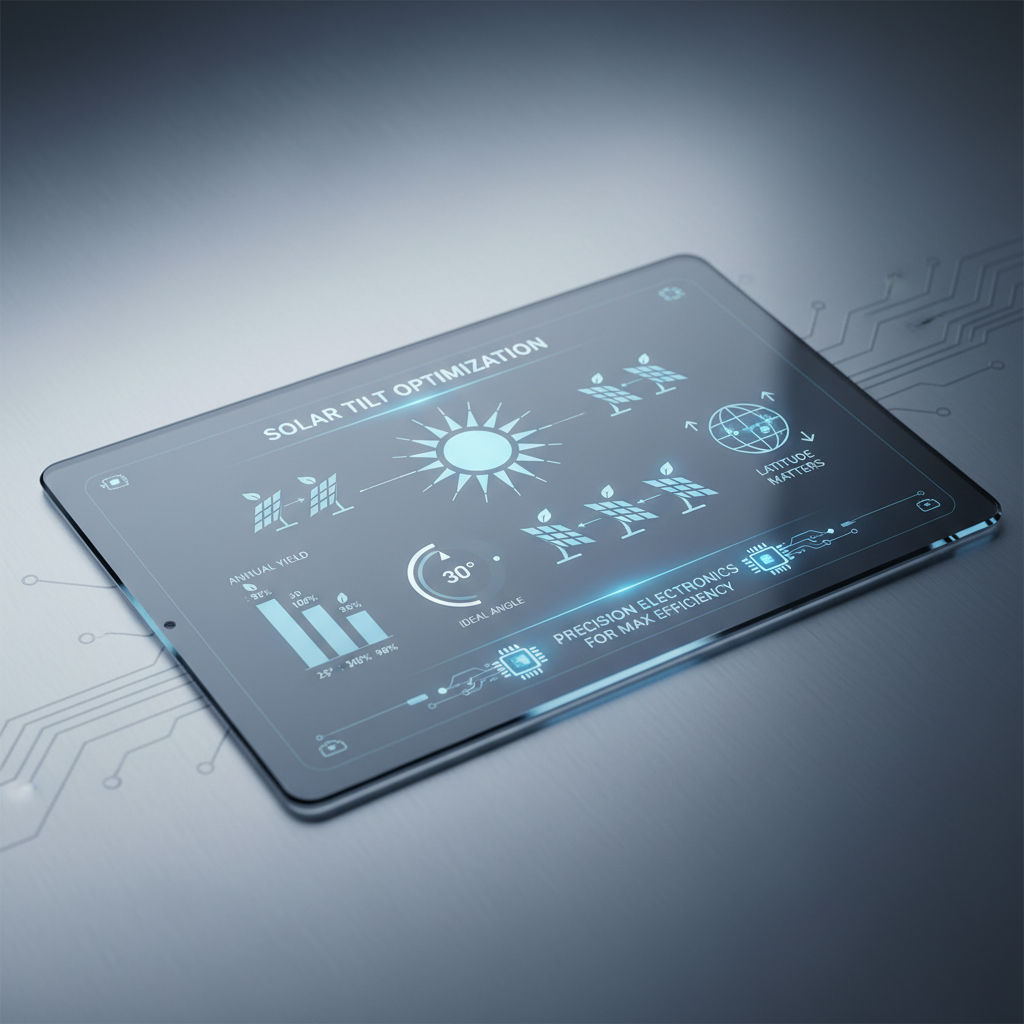
Impact of Tilt on Overall System Performance
Optimizing solar panel tilt is just one piece of the puzzle. Factors like shading, panel orientation (azimuth), and panel quality also play a crucial role in system performance. However, a well-optimized tilt angle can significantly increase your energy yield and reduce your payback period. Investing in high-quality components and professional installation, like those offered by Benjiu Solar, will ensure you get the most out of your solar investment.
Conclusion: Maximizing Your Solar Investment
Understanding solar panel tilt efficiency is paramount to achieving optimal energy production. By carefully considering your location, seasonal sun angles, and available system options, you can unlock the full potential of solar energy and significantly reduce your carbon footprint. At Benjiu Solar, we are committed to providing you with the knowledge and expertise to make informed decisions about your solar investment.
Frequently Asked Questions (FAQs)
What tools can I use to determine the best tilt angle for my location?
There are several excellent resources available. Online solar tilt angle calculators, such as those found on the websites of reputable solar energy companies like Benjiu Solar, are a great starting point. Smartphone apps dedicated to solar panel positioning can also provide accurate recommendations based on your GPS location. You can also consult with a professional solar installer who can assess your site and provide a customized tilt recommendation.
Is it necessary to adjust the tilt angle seasonally?
While not always strictly necessary, seasonal adjustments can significantly improve energy production, especially in locations with pronounced seasonal variations in sunlight. Adjusting the tilt angle to optimize for winter and summer sun angles can yield an increase in energy generation of up to 5-10%. If you're willing to invest the time and effort, it can be a worthwhile undertaking.
What is the impact of shading on solar panel tilt?
Shading can drastically reduce solar panel output. Even partial shading can have a disproportionately large impact on energy production. When determining the optimal tilt angle, consider potential shading from trees, buildings, or other obstructions. Positioning panels to minimize shading, even if it means deviating slightly from the ideal tilt angle, is often the best approach. Benjiu Solar offers site assessment services to identify and mitigate shading issues.
Can a tracking system be a better alternative to manual tilt adjustments?
Yes, solar tracking systems automatically adjust the panels throughout the day to follow the sun's movement, maximizing energy production. While more expensive than fixed or manually adjustable systems, tracking systems can offer a significant increase in energy yield, especially in regions with clear skies. They are a good option if you have a large energy demand and the budget to invest in advanced technology.
-
Designing a Modern Home Roof Made Out of Solar Panels GuideNewsApr.16,2026
-
Guide to the Size of 150 Watt Solar Panel for Your ProjectNewsApr.09,2026
-
Understanding the Dimensions and Applications of a 200W Solar PanelNewsApr.07,2026
-
Understanding the Dimensions and Factors of a 330W Solar Panel SizeNewsApr.04,2026
-
Understanding the Size and Dimensions of a 4kW Solar Panel System for Your HomeNewsMar.31,2026
-
Comprehensive Guide to Sizing Your Solar System for Optimal Energy ProductionNewsMar.28,2026