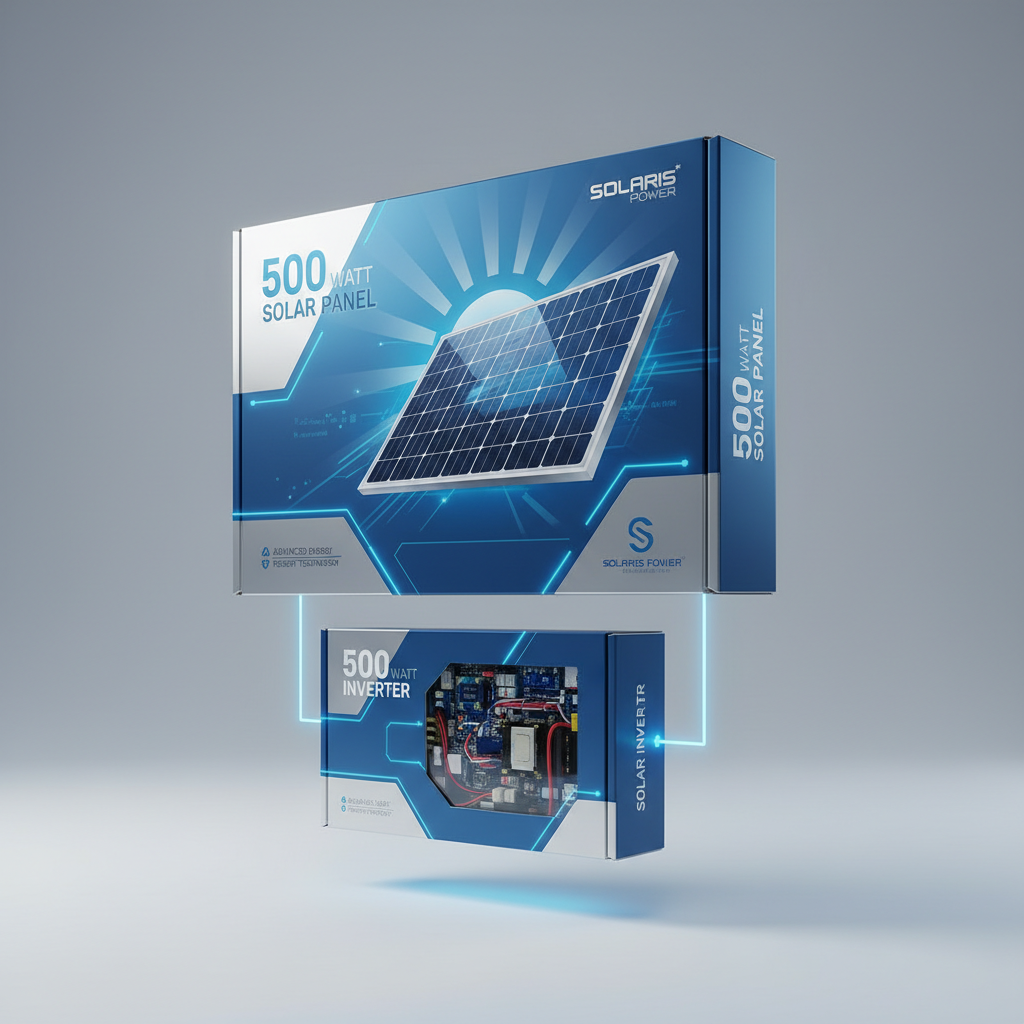
The increasing global demand for renewable energy sources has propelled the 500 watt solar panel to the forefront of sustainable power generation. These panels represent a significant leap in efficiency and scalability compared to earlier models, making them a viable option for both residential and commercial applications. Understanding the nuances of 500 watt solar panel technology is crucial for individuals, businesses, and governments striving to reduce carbon footprints and achieve energy independence.
The adoption of 500 watt solar panel systems is driven by economic factors, environmental concerns, and advancements in manufacturing processes. As the cost of solar technology continues to decline, coupled with increasing incentives and policies supporting renewable energy, these panels are becoming increasingly accessible and attractive. This growth isn’t just limited to developed nations; emerging economies are also rapidly adopting solar power to address energy access challenges and promote sustainable development.
Investing in knowledge about 500 watt solar panel empowers informed decision-making, enabling consumers and investors to leverage this technology effectively. From understanding installation requirements to assessing long-term energy savings, a comprehensive grasp of these panels is essential for maximizing their benefits.
Introduction to 500 Watt Solar Panels
The 500 watt solar panel represents a significant power output for a single panel, enabling more efficient energy generation in a smaller physical space. This higher wattage is particularly beneficial for applications where roof space is limited or where maximum power density is required. Understanding its capabilities is vital for optimal system design and energy yield.
These panels are a key component in the transition towards a more sustainable energy future. Their increased efficiency translates to reduced reliance on fossil fuels and a decrease in greenhouse gas emissions, contributing to global efforts to combat climate change. The demand for robust and reliable energy solutions necessitates a closer look at how these panels function and where they are best utilized.
Defining a 500 Watt Solar Panel
A 500 watt solar panel is a photovoltaic (PV) module designed to convert sunlight directly into electricity, with a nominal power output of 500 watts under standard test conditions (STC). STC include a cell temperature of 25°C and solar irradiance of 1000 W/m². This rating is a crucial indicator of the panel’s ability to produce power, influencing system design and energy production estimates.
Compared to earlier generations of panels, which typically produced between 250-350 watts, the 500-watt panels use larger silicon wafers and more efficient cell technologies – often employing half-cut cells or multi-busbar designs – to achieve higher power output. This increased output means fewer panels are required to generate the same amount of electricity, reducing installation costs and space requirements.
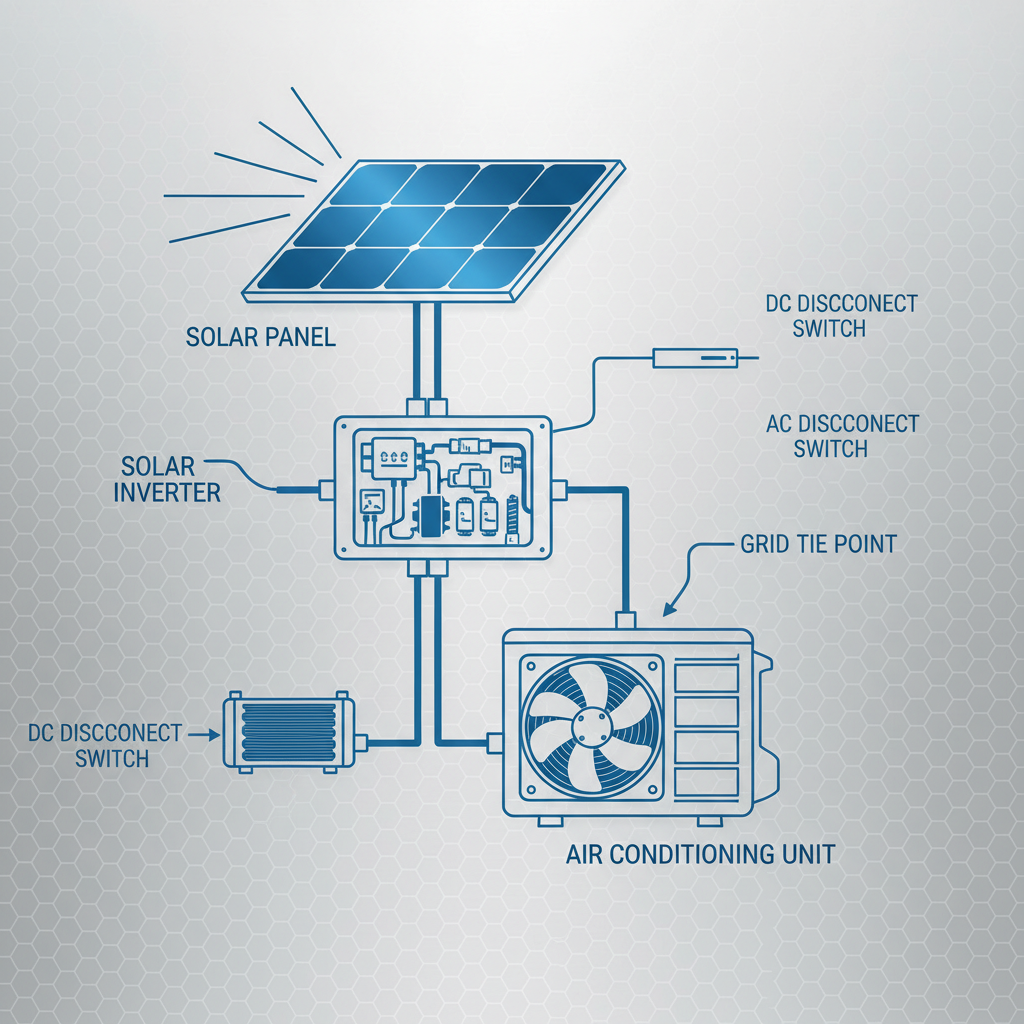
These panels connect to the broader electrical grid or to off-grid battery systems, delivering clean and reliable energy for a variety of applications, ranging from powering homes and businesses to supporting large-scale solar farms. The modular nature of solar panels allows for easy scalability, catering to diverse energy needs.
Key Factors Influencing 500 Watt Solar Panel Performance
Several key factors influence the performance and longevity of a 500 watt solar panel. These include cell efficiency, which dictates how effectively sunlight is converted into electricity; temperature coefficient, indicating how power output degrades with increasing temperature; and degradation rate, reflecting the panel’s gradual loss of efficiency over time.
Durability is also paramount, particularly in harsh environmental conditions. Panels must be resistant to extreme temperatures, humidity, UV radiation, and physical impacts (such as hail or snow). High-quality materials and robust construction are essential for ensuring long-term reliability and minimizing maintenance costs.
Furthermore, the quality of the components, including the backsheet, encapsulant, and junction box, significantly impacts panel performance and lifespan. Investing in panels from reputable manufacturers with rigorous quality control processes is crucial for maximizing return on investment.
Global Applications of 500 Watt Solar Panels
The versatility of the 500 watt solar panel makes it suitable for a broad range of applications worldwide. In residential settings, they are employed to power homes, reduce electricity bills, and achieve energy independence. Commercial and industrial facilities utilize these panels for large-scale energy generation, offsetting operational costs and demonstrating corporate sustainability commitments.
Large-scale solar farms, leveraging the high power output of these panels, contribute significantly to national energy grids. In remote areas lacking access to traditional power infrastructure, these panels offer a viable solution for providing electricity to communities and businesses. In post-disaster relief operations, 500 watt solar panel can rapidly deployable energy to critical facilities like hospitals and communication centers.
500 Watt Solar Panel Application Breakdown
Advantages and Long-Term Value of 500 Watt Solar Panels
The advantages of utilizing 500 watt solar panel extend beyond simple cost savings. Their higher power output translates to fewer panels needed, reducing balance-of-system (BOS) costs – including racking, wiring, and labor. This ultimately lowers the overall system price, making solar energy more accessible.
From an environmental perspective, these panels offer a significant reduction in carbon emissions compared to traditional fossil fuel-based energy sources. The long-term reliability and durability of high-quality panels contribute to a sustainable energy future, minimizing environmental impact and promoting resource conservation.
Future Trends in 500 Watt Solar Panel Technology
The future of 500 watt solar panel technology points towards even greater efficiency and innovation. Research and development efforts are focused on next-generation cell technologies, such as perovskite and tandem cells, which promise to surpass the efficiency limits of traditional silicon-based panels. Bifacial panels, which generate electricity from both sides, are also gaining traction, maximizing energy yield.
Integration with smart grid technologies and energy storage solutions will further enhance the value proposition of solar energy. Advanced monitoring and control systems will optimize performance and enable seamless integration with the electrical grid, creating a more resilient and sustainable energy infrastructure.
Challenges and Solutions for 500 Watt Solar Panel Implementation
Despite their advantages, the widespread adoption of 500 watt solar panel faces certain challenges. These include the initial upfront cost, intermittency of solar energy (requiring energy storage solutions), and the need for skilled installers. Land use considerations for large-scale solar farms can also be a concern.
Solutions include government incentives, such as tax credits and rebates, to offset the initial cost. Advancements in battery storage technologies are addressing the intermittency issue, providing reliable power even when the sun isn't shining. Investing in training programs for solar installers will ensure a qualified workforce to support the growing demand.
Furthermore, exploring innovative land-use strategies, such as agrivoltaics (combining solar energy generation with agriculture), can mitigate land use conflicts and maximize the benefits of solar energy.
Summary of 500 Watt Solar Panel Challenges and Solutions
| Challenge |
Impact Level (1-10) |
Potential Solution |
Solution Effectiveness (1-10) |
| High Initial Cost |
8 |
Government Incentives & Financing |
9 |
| Intermittency of Sunlight |
7 |
Battery Storage Integration |
8 |
| Skilled Labor Shortage |
6 |
Vocational Training Programs |
7 |
| Land Use Requirements |
5 |
Agrivoltaics & Rooftop Installations |
6 |
| Supply Chain Disruptions |
4 |
Diversifying Supplier Networks |
7 |
| Panel Degradation Over Time |
5 |
High-Quality Panel Selection & Maintenance |
8 |
FAQS
Most 500 watt solar panel manufacturers offer a 25-30 year performance warranty, guaranteeing at least 80-85% of the original power output after that period. However, with proper maintenance, these panels can often continue to generate electricity for 40 years or more, albeit at a reduced capacity. Degradation is a gradual process, and the panels don't suddenly stop working.
The amount of roof space required depends on the overall system size (in kilowatts) and the panel's dimensions. A typical 500 watt solar panel measures approximately 6.6 x 3.3 feet (2 x 1 meter). As a general rule, you'll need around 100-150 square feet of roof space per kilowatt of solar power. A 5kW system, for example, would require approximately 500-750 square feet.
Monocrystalline panels are made from a single crystal of silicon and generally have higher efficiency and a sleeker appearance. Polycrystalline panels are made from multiple silicon fragments and are typically less expensive. While monocrystalline panels offer slightly better performance, both types are viable options for a 500 watt solar panel system, and the best choice depends on your budget and space constraints.
Not necessarily in terms of cell efficiency (percentage of sunlight converted to electricity), but in terms of power output per panel. A 500 watt solar panel produces more power than a 300-watt panel, even if their cell efficiencies are similar. This means you need fewer panels to achieve the same total power, saving on installation costs and roof space.
Shade significantly reduces power output. Even partial shading can dramatically decrease the performance of the entire system. Temperature also plays a role; higher temperatures reduce efficiency (temperature coefficient). Proper system design, including optimizing panel orientation and minimizing shading, is crucial. Many systems now include microinverters or optimizers to mitigate the impact of shading on individual panels.
The payback period varies depending on factors like electricity prices, solar incentives, system cost, and energy consumption. However, with current incentives and declining solar costs, a typical payback period for a 500 watt solar panel system is between 5-10 years. After the payback period, you'll essentially be generating free electricity for decades to come.
Conclusion
The 500 watt solar panel represents a pivotal advancement in renewable energy technology, offering increased efficiency, reduced costs, and a pathway towards a more sustainable future. Understanding its core components, applications, and future trends is crucial for making informed decisions about energy investments. The benefits extend beyond financial savings, encompassing environmental responsibility and energy independence.
As technology continues to evolve, and as governments and individuals prioritize sustainability, the adoption of these high-powered panels will undoubtedly accelerate. Investing in 500 watt solar panel systems is not just a smart financial decision; it’s an investment in a cleaner, more resilient, and sustainable future for generations to come.