How to Install Your Own Solar Panels – A Practical Guide to Sustainable Energy
Understanding How to Install Your Own Solar Panels: Powering the Future Your Way
Thinking about harnessing sunlight to power your home or business? The idea to install your own solar panels isn’t just a modern DIY fad; it’s part of a global shift towards sustainable, affordable energy. As energy demands soar and climate concerns mount, the ability to generate electricity independently plays a huge role both economically and environmentally—right from remote villages to bustling cities. Knowing the basics here, beyond just the buzzwords, empowers you to take control of your energy footprint and sometimes save a good chunk of money in the process.
Why Installing Your Own Solar Panels Matters Globally
Did you know that according to the International Renewable Energy Agency (IRENA), solar energy capacity has grown nearly 20-fold since 2010? Governments, industries, and individuals are embracing solar to combat increasing electricity costs and meet climate goals. Yet, many face challenges: complex installation procedures, high upfront costs, or dependency on large providers.
Learning to install your own solar panels can bridge that gap — promoting independence while driving renewable adoption globally. From regions lacking centralized grids to post-disaster zones needing quick, reliable power, being able to set up solar yourself offers resilience. It's an empowering skill in an uncertain energy landscape.
install your own solar panelsWhat Does It Mean to Install Your Own Solar Panels?
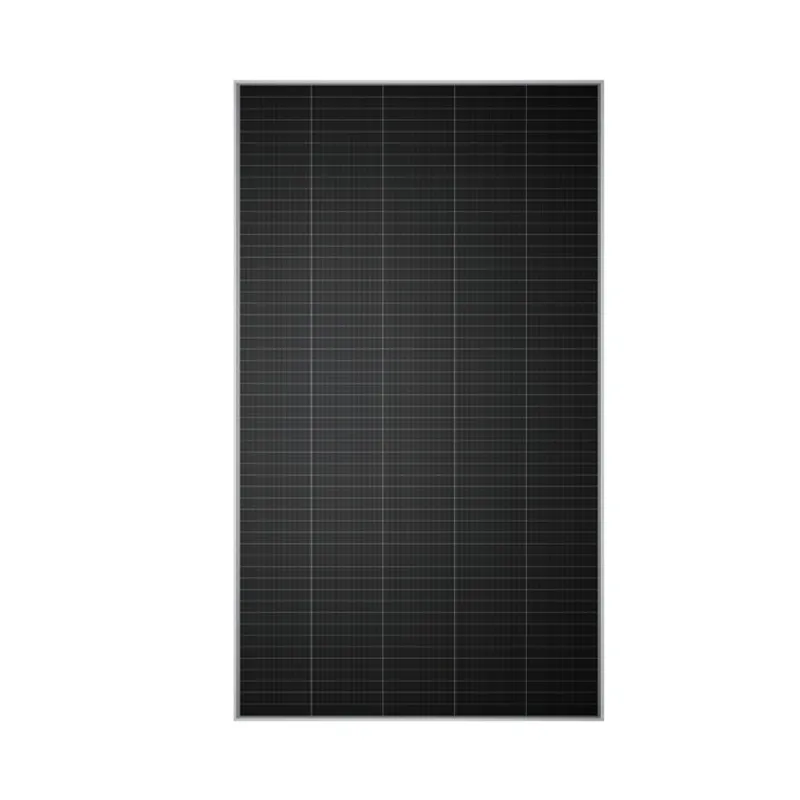
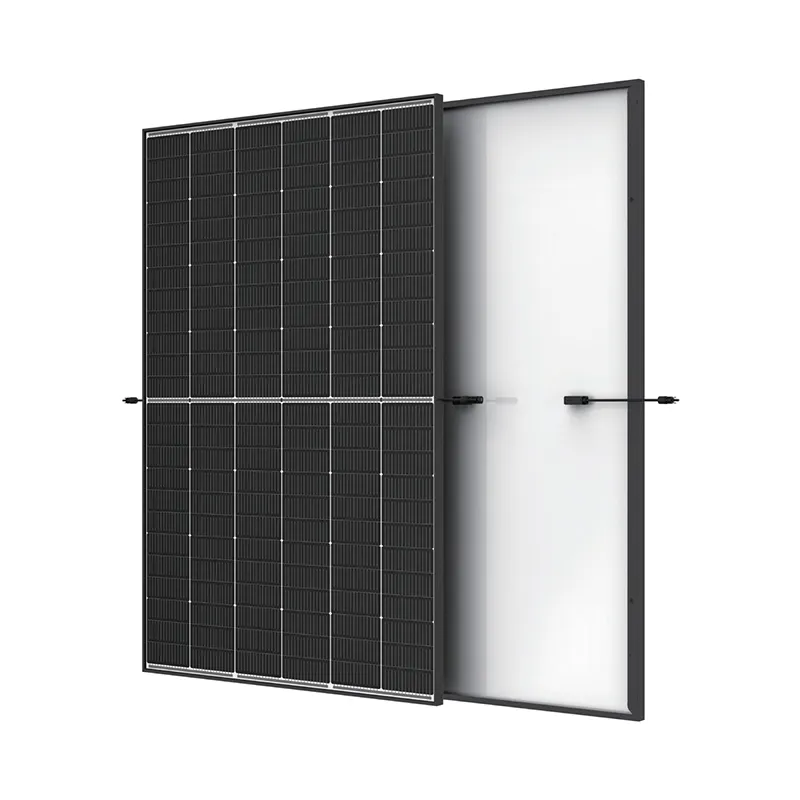
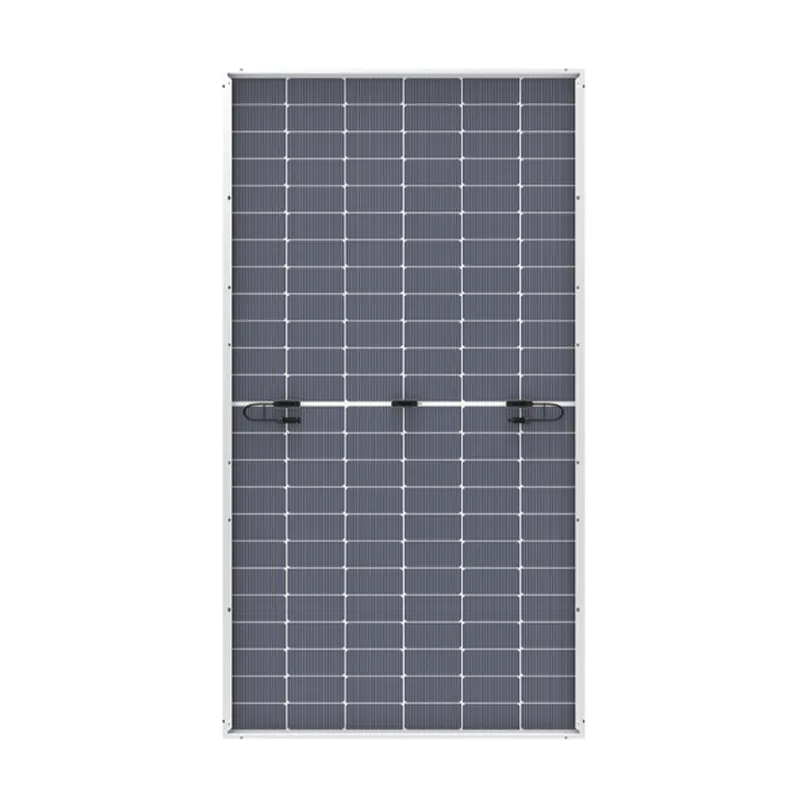
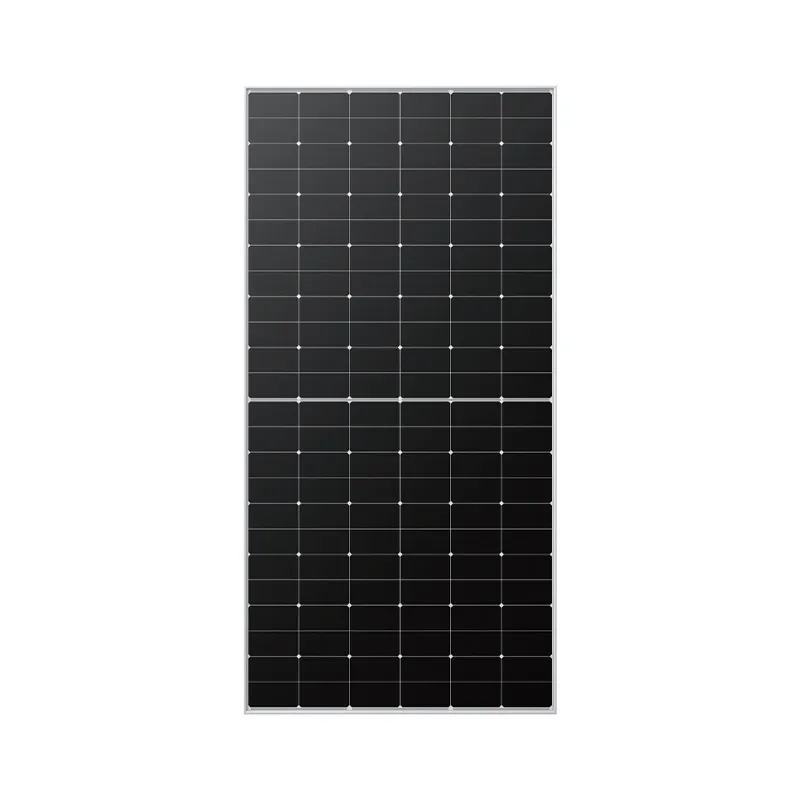
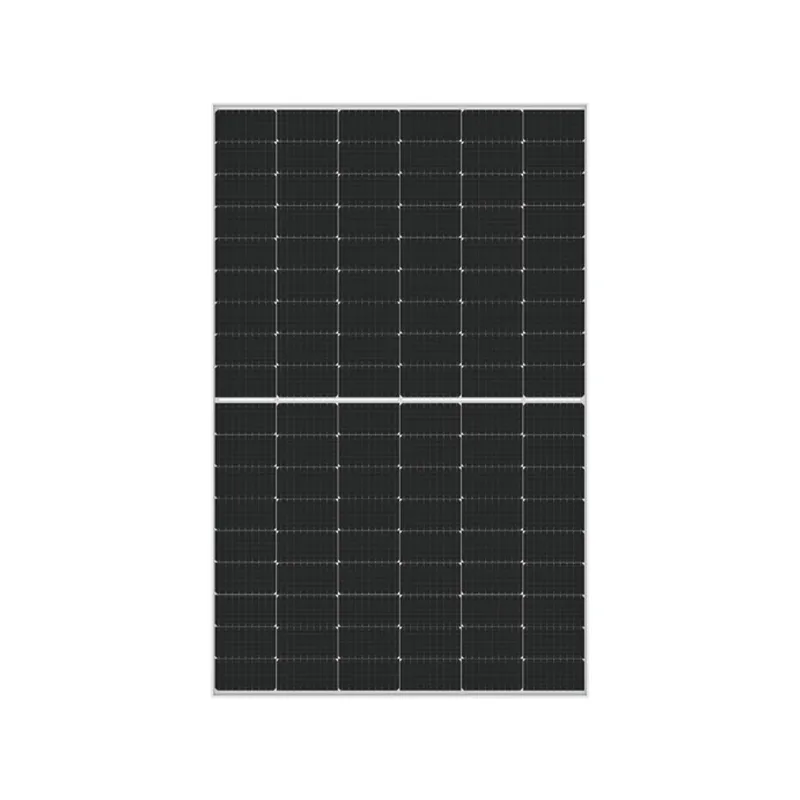
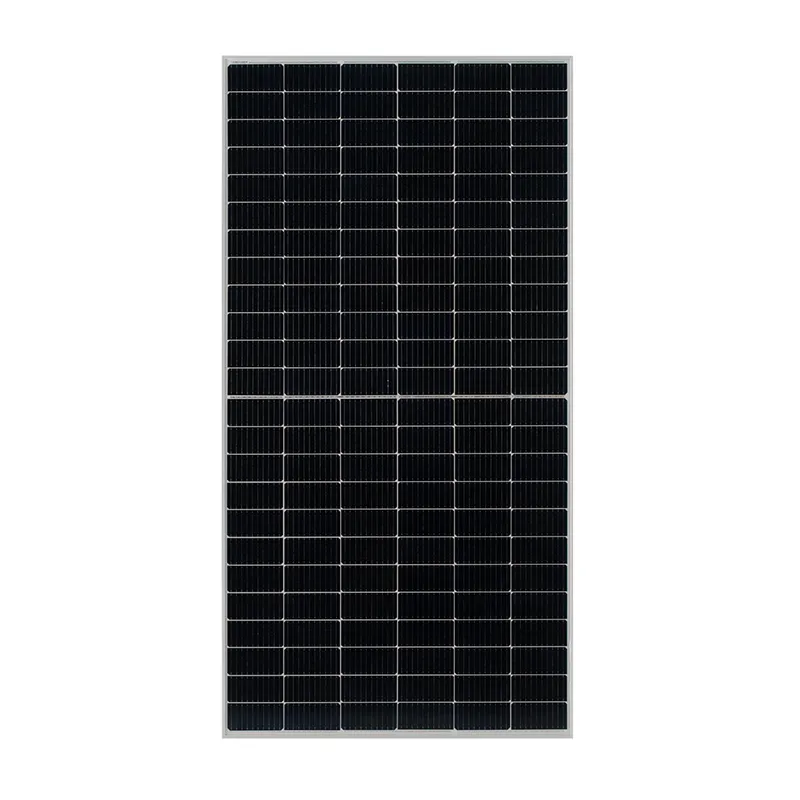
In simple terms, to install your own solar panels means you take charge of setting up a photovoltaic (PV) system yourself, without relying heavily on third-party contractors. This typically involves choosing suitable panels, mounting them securely, wiring them properly to inverters and batteries (if off-grid), and configuring system settings to optimize energy harvest.
Beyond DIY convenience, this practice ties into modern needs such as boosting energy access in underserved areas and promoting sustainability. NGOs, small businesses, and environmentally conscious homeowners see immense value in learning these techniques. It’s as much about knowledge-sharing as it is about electricity.
Key Factors in Installing Solar Panels Successfully
1. Durability: Weathering Nature’s Tests
Since solar panels usually live on rooftops or open land, they need to withstand wind, rain, hail, and heat for decades. Good mounts and weatherproof materials extend their lifespans. A robust installation reduces maintenance headaches down the road.
2. Scalability: Growing With Your Needs
Starting small? No problem. Your initial solar setup can be designed to expand later — whether you add more panels or integrate battery storage. This flexibility lets you adapt as your electricity needs or budget shift.
3. Cost Efficiency: Balancing Quality and Budget
Many beginners worry about costs. While DIY panels and hardware can save installation fees, choosing cheap parts may risk performance. savvy shoppers consider long-term value: durability, warranties, and system efficiency.
4. Safety: Mind Your Wiring and Regulations
Electricity is nothing to mess with. Proper grounding, breakers, and following local code regulations are essential. Many jurisdictions require permits or inspections, so do your homework here.
5. System Compatibility: Matching Components
Not all solar panels and inverters play nicely together. Ensuring compatibility prevents energy losses or failures. It pays off to plan ahead and check manufacturer guidelines.
6. Maintenance: Easy Access for Clean and Check-Ups
Solar panels need regular cleaning to keep dust and grime off. Installing panels with safe access for upkeep is often overlooked but important to sustain output.
| Specification | Typical Range | Comments |
|---|---|---|
| Panel Wattage | 250W - 400W | Depends on panel size and tech (mono vs polycrystalline) |
| Mount Type | Roof, Ground, Pole | Varies by site conditions and system size |
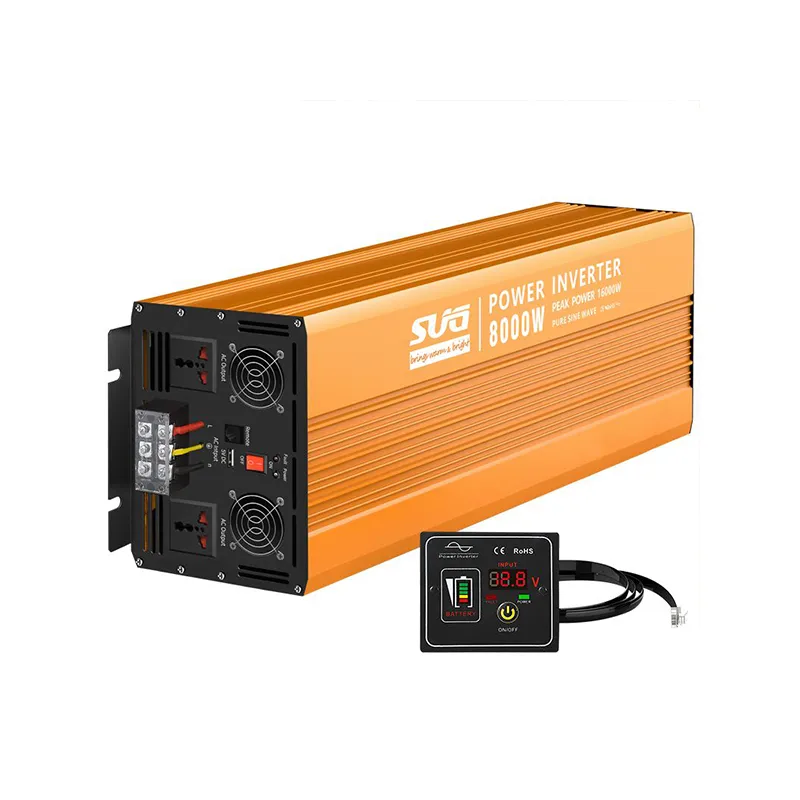
| Inverter Type | String, Microinverter, Hybrid | Impacts efficiency and install complexity |
| Battery Storage | Optional, 5-20 kWh typical | Enhances energy independence but adds cost |
| Installation Time | 1-3 days (DIY may take longer) | Point to consider if you have limited free time |
Mini takeaway: Choosing the right system components, ensuring safety and compatibility, and planning for future needs can turn a daunting project into a rewarding one.
Global Applications & Where Solar DIY Really Shines
The beauty of learning to install your own solar panels is that it’s not limited by geography. Here are a few real-world applications:
- Remote communities: Off-grid villages in Africa or Asia gain autonomy with small-scale solar set-ups—be it for light, water pumps, or charging stations.
- Post-disaster recovery: NGOs often deploy quick-deploy solar units after hurricanes or earthquakes to restore power for medical facilities.
- Urban rooftops: Eco-conscious apartment dwellers reduce bills and carbon footprints in congested cities.
- Industrial zones: Solar powers irrigation, monitoring stations, or mining camps in harsh environments, cutting diesel generator reliance.
For example, in Samoa, community-led solar panel installations have helped reduce diesel import costs by 20%, showing big social and economic impact.
Advantages & Long-Term Value of Installing Your Own Solar Panels
Getting hands-on with solar installation not only cuts costs upfront but fosters a deeper understanding of your energy system. A few advantages:
- Cost Savings: Avoiding hefty labor fees can reduce project costs by 15-30%.
- Environmental Impact: Clean, renewable energy minimizes your carbon footprint.
- Energy Independence: You’re less vulnerable to utility price hikes or outages.
- Empowerment: The pride and skill gained opens pathways to refinements or expansions down the line.
- Social Impact: Teaching others creates community resiliency and spreads sustainable practices.
Emotionally, knowing you’re literally harnessing the sun to power daily life hits a kind of satisfaction that’s hard to describe—kind of like catching your own fish for dinner, except cleaner and a lot more high tech.
What Lies Ahead: Trends & Innovations to Watch
The solar industry isn’t standing still. A few promising innovations that will shape DIY installs:
- Smart Inverters and IoT: Digital systems allow real-time monitoring and tweaks via smartphone.
- Flexible and Thin-Film Panels: New lightweight materials mean installation on curved or fragile surfaces.
- Energy Storage Breakthroughs: Solid-state and cheaper lithium-ion batteries extend autonomy affordably.
- Community Solar Projects: Shared ownership models might change how you think about ownership and install scale.
Policy-wise, governments worldwide are easing regulations and offering incentives, a nudge towards greater adoption. So, if you’re sitting on the fence—this momentum might just tip the scales.
Tackling Common Challenges & How Experts Suggest Overcoming Them
Of course, learning to install your own solar panels isn’t without hurdles:
- Complex Wiring or Permitting: Partnering with online instructor platforms or local solar clubs can de-mystify this.
- Site Limitations: When shading or roof orientation isn’t ideal, micro-inverters or panel optimizers help.
- Upfront Costs: Financing options, leasing, or phased installs can spread out the expenses.
- Maintenance Know-How: Clear guides and routine checks prevent nasty surprises.
In other words, take advantage of community wisdom and up-to-date tools — this isn’t the lonely wilderness some imagine!
FAQ: Answers to Your Growing Curiosity About Installing Your Own Solar Panels
Q1: How hard is it really to install my own solar panels?
A: It depends on your experience and system size. Small grid-tied systems can be manageable with good guides and safety checks, but it’s important to be cautious with electric wiring and local regulations.
Q2: Can I install solar panels on any type of roof?
A: Most roofs work, but factors like angle, material, shading, and structural integrity matter. Flat roofs might require different mounts; consult a structural engineer if unsure.
Q3: What tools or equipment do I need?
A: Basic tools like drills, wrenches, wire strippers, voltage testers, and safety gear are essentials. Some projects may need special mounting hardware or ladders.
Q4: Are there legal considerations I should know?
A: Yes, many regions require permits, inspections, and compliance with electrical codes—always check with your local authority before starting.
Q5: How long before I see a return on investment?
A: Typically, DIY solar projects pay off in 5-10 years depending on system size, energy costs, and local solar resources.
| Vendor | Panel Quality | DIY Support | Price Range | Warranty |
|---|---|---|---|---|
| Benjiu Solar | High-efficiency monocrystalline | Comprehensive manuals, video tutorials | $$$ | 25 years product warranty |
| SolarTech DIY | Polycrystalline, mid-range wattage | Starter kits with online forum | $$ | 15 years |
| GreenHome Kits | Flexible panels for varied surfaces | Consultation & basic guides | $$$ | 20 years |
Wrapping Up: Why Your Own Solar Installation Is a Smart Move
So, stepping into the world of solar installation yourself isn’t just a hobby — it’s a gateway to energy independence, savings, and contributing to a sustainable planet. It can seem intimidating at first glance, but with the right info, resources, and a bit of patience, the benefits are well within reach.
Thinking to take that first step? Explore proper kits, tutorials, and expert advice at benjiusolar.com — because powering your life with the sun is not just smart, it’s downright satisfying.
It feels a bit like unlocking a secret you wish everyone knew about — the power to turn sunlight into electricity, with your own two hands.
References:
-
Designing a Modern Home Roof Made Out of Solar Panels GuideNewsApr.16,2026
-
Guide to the Size of 150 Watt Solar Panel for Your ProjectNewsApr.09,2026
-
Understanding the Dimensions and Applications of a 200W Solar PanelNewsApr.07,2026
-
Understanding the Dimensions and Factors of a 330W Solar Panel SizeNewsApr.04,2026
-
Understanding the Size and Dimensions of a 4kW Solar Panel System for Your HomeNewsMar.31,2026
-
Comprehensive Guide to Sizing Your Solar System for Optimal Energy ProductionNewsMar.28,2026