Affordable Solar Energy Solutions with Low Cost Solar Panels | Benjiu Solar
Why Low Cost Solar Panels Matter More Than Ever
In a world facing rising energy demands and climate shocks, low cost solar panels stand out as a beacon of hope. They’re not just about saving money on your electric bill — they embody a larger promise: democratizing clean energy access where it’s needed most. Whether it’s for remote villages, disaster zones, or gigawatt-scale grids, understanding the value of affordable photovoltaics is crucial for industries, governments, and everyday people alike.
Frankly, cheap solar panels are shaking up energy economics globally — proving that sustainability and affordability are not mutually exclusive. This article takes a practical dive into what low cost solar panels are, why they matter worldwide, and how they’re shaping the future of power generation.
Mini takeaway: Low cost solar panels create a new era where energy equity becomes achievable, paving the way for socioeconomic upliftment through sustainable power.
Global Context: The Energy Shift in Numbers
Renewable energy adoption is growing fast — the International Renewable Energy Agency (IRENA) reports that solar photovoltaic capacity doubled in just five years globally. According to the United Nations, clean energy access supports sustainable development goals by improving health, education, and economic growth. However, affordability remains a barrier in many regions.
Low cost solar panels specifically address problems like energy poverty and climate vulnerability. For instance, the World Bank estimates that around 770 million people still lack electricity, often in rural or post-disaster environments. Deploying inexpensive solar solutions cuts through the logistical and financial challenges, making clean energy tangible and scalable for marginalized communities.
Mini takeaway: Low cost solar panels unlock power for people and places previously underserved by traditional grids or expensive renewables.
Understanding What Low Cost Solar Panels Really Are
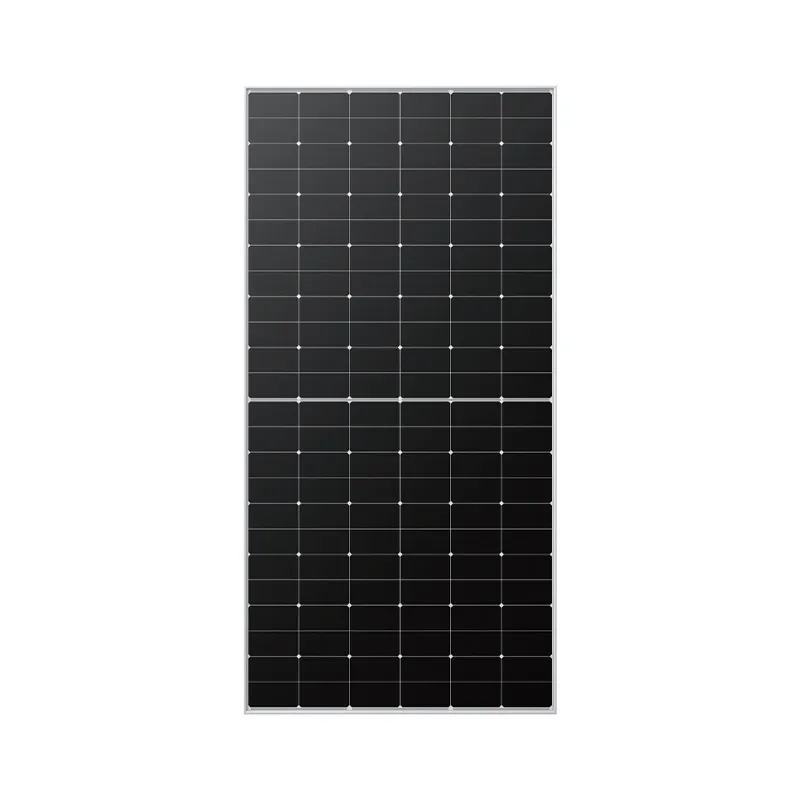
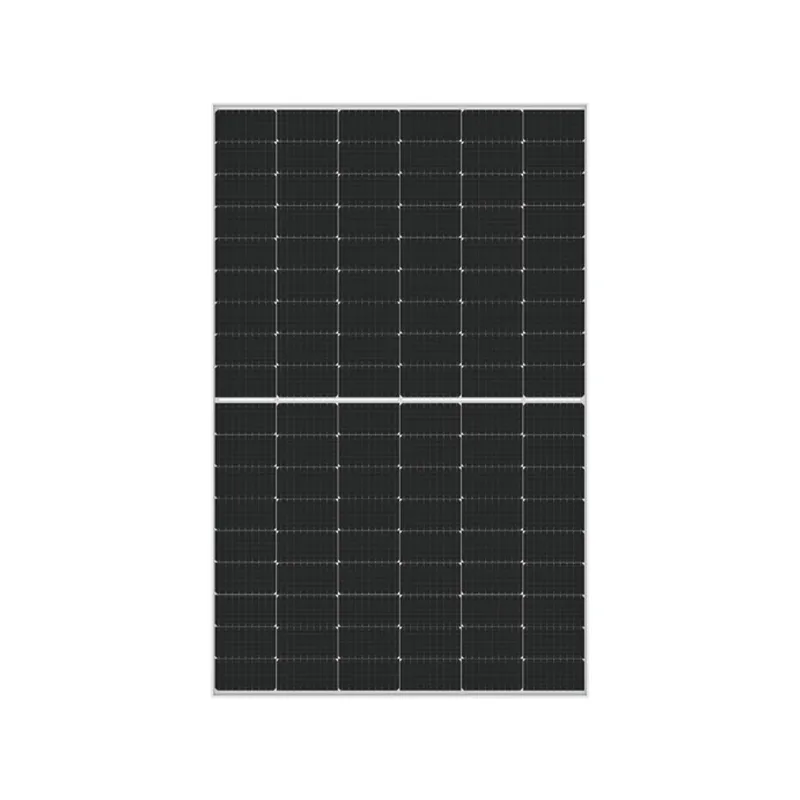
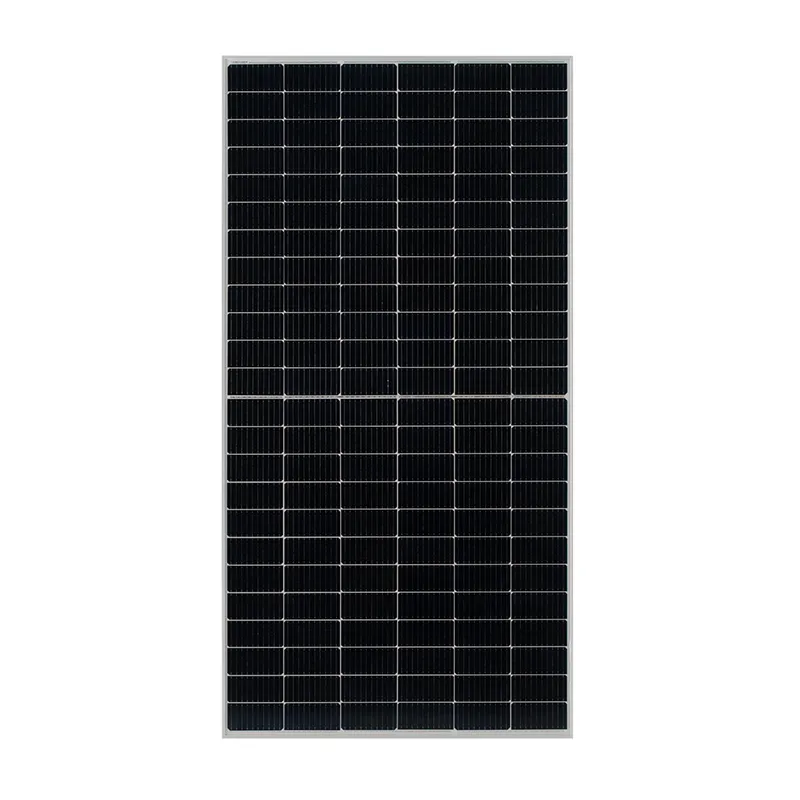
Simply put, low cost solar panels are photovoltaic systems designed and manufactured to operate efficiently at a reduced price point. This doesn’t mean cutting corners; rather, it often involves clever use of materials, scalable production techniques, and optimized designs tailored for easy installation and durability in diverse environments.
They act as a bridge between modern technology and humanitarian needs — enabling off-grid electrification, powering water pumps, or charging devices in places where power infrastructure is unreliable or absent. This intersection is critical for industries like agriculture, telecommunications, and emergency relief efforts.
Mini takeaway: Low cost solar panels blend innovation and practicality to deliver accessible, reliable renewable energy.
Key Factors Behind Effective Low Cost Solar Panels
1. Cost Efficiency
The obvious starting point. Cost efficiency involves reducing production expenses without compromising panel performance. Manufacturers often use mono- or polycrystalline silicon optimized for throughput or integrate emerging materials like thin-film technologies. This saves money but requires balancing longevity and output.
2. Durability and Weather Resistance
Cheap isn’t cheap if the panel breaks in a year. These panels need tough glass, corrosion-resistant frames, and UV protective coatings — especially for use in tough climates or disaster zones where they’re expected to endure harsh sun, winds, or storms.
3. Scalability and Installation Simplicity
Scalability is huge. Low cost panels should ship in easily manageable sizes, support plug-and-play setups, and be deployable by non-experts to maximize reach. Think community solar kits or rapid emergency deployments.
4. Conversion Efficiency
Despite the price constraints, panels need to convert sunlight to electricity with reasonable efficiency — typically around 15 to 20%. Advances in cell technology continue pushing this boundary without significant cost hikes.
5. Compatibility and Integration
Panels often integrate with battery storage, controllers, or micro-grids. Modular systems allow operators to tailor power capacity, crucial for farms, schools, or telecommunication towers.
| Specification | Typical Value | Notes |
|---|---|---|
| Panel Type | Polycrystalline | Balanced cost & efficiency |
| Power Output | 150-200 W | Suitable for small systems |
| Efficiency | 15-18% | Typical for low cost panels |
| Weight | 7-9 kg | Light enough for manual installation |
| Warranty | 5–10 years | Varies by vendor |
Mini takeaway: Practicality and balance in these core components unlock real-world viability and trusted performance.
Real-World Applications
Across continents and industries, low cost solar panels quietly power a vast range of activities:
- Rural electrification: Thousands of remote communities in Sub-Saharan Africa and South Asia use them to light homes, power health clinics, and charge phones.
- Disaster relief: Nonprofits deploy portable solar kits to restore electricity after hurricanes or earthquakes, critical for communications and medical equipment.
- Agriculture: Solar-driven irrigation pumps enable farmers to increase yields even in water-scarce regions.
- Industrial zones: Remote mining or construction sites reduce diesel generator use, cutting emissions and operational costs.
One example I like: A recent UNDP project in Nepal replaced costly kerosene lamps in high-altitude villages with solar lamps powered from low cost solar sets—improving indoor air quality and study conditions for children.
Advantages & Long-Term Value
The benefits go beyond immediate cost savings:
- Economic empowerment: Access to affordable power enables new businesses, improves education, and enhances quality of life.
- Environmental sustainability: Reducing reliance on fossil fuels curbs greenhouse gas emissions.
- Reliability: Solar panels, once installed, provide predictable power without fuel supply chains vulnerable to disruption.
- Emotional impact: Giving people control over their energy feels like restoring dignity and independence.
Put simply, these panels do more than generate electricity — they spark innovation and fuel trust in progress.
Future Trends to Watch
Low cost solar panels are not standing still. The next frontier includes:
- Perovskite cells: Promising higher efficiency at lower costs, albeit with durability challenges.
- Smart modules: Monitoring and digital integration allow for remote diagnostics and predictive maintenance.
- Policy incentives: Governments worldwide ramp up subsidies and feed-in tariffs to quicken adoption.
- Battery innovations: Affordable energy storage paired with solar expands usability for 24/7 applications.
All of which points toward a more connected, greener, and affordable energy future.
Challenges & Solutions in Deploying Low Cost Solar
Of course, it’s not all sunshine. A few hurdles persist, such as:
- Quality variance: Not every low cost option meets durability standards. Solution? Rigorous testing and certifications (e.g., IEC 61215).
- Upfront investment barriers: Even affordable panels can be out of reach initially. Micro-financing and pay-as-you-go systems help bridge gaps.
- End-of-life management: With rising solar waste, recycling programs and circular economy models become urgent.
Innovative approaches, like modular repair kits and strong vendor partnerships, mitigate these issues effectively.
| Vendor | Price Range (USD/W) | Warranty | Key Strength |
|---|---|---|---|
| SolarCo | 0.25 - 0.30 | 10 years | High durability & strong warranty |
| SunBright | 0.20 - 0.28 | 5 years | Cost leader, fast delivery |
| EcoVolt | 0.22 - 0.27 | 7 years | Good integration with storage |
FAQ: Your Low Cost Solar Panels Questions Answered
Q1: How long do low cost solar panels typically last?
Most panels come with warranties between 5 to 10 years, but with proper care, many can function efficiently beyond 15 years. Durability depends on quality of materials and environment.
Q2: Are low cost solar panels as efficient as standard ones?
Their efficiency is slightly lower, usually around 15-18%, compared to premium panels reaching 20%+. However, the price-performance balance often makes them better suited for widespread or humanitarian use.
Q3: Can these panels be easily installed by non-professionals?
Yes, many low cost solar solutions are designed for quick, tool-minimal installation, often used in kits for DIY or rapid deployment scenarios.
Q4: What maintenance do low cost solar panels require?
Regular cleaning to remove dust and debris is key. Inspecting for physical damage and ensuring connections remain secure usually suffices.
Q5: Where can I find reliable suppliers of low cost solar panels?
A good start includes vetted vendors like SolarCo, SunBright, and EcoVolt. You may also explore direct manufacturers or visit low cost solar panels suppliers platforms for comparison.
Wrapping Up: A Bright Future Beckons
Low cost solar panels are more than a technology — they’re a movement towards energy inclusivity and planetary stewardship. As their affordability improves and their reach expands, the promise of a cleaner, more just energy system inches closer to reality.
Curious to learn more or ready to jump into the solar revolution? Visit our website to explore a range of affordable, quality solar solutions tailored for your needs.
References:
-
Designing a Modern Home Roof Made Out of Solar Panels GuideNewsApr.16,2026
-
Guide to the Size of 150 Watt Solar Panel for Your ProjectNewsApr.09,2026
-
Understanding the Dimensions and Applications of a 200W Solar PanelNewsApr.07,2026
-
Understanding the Dimensions and Factors of a 330W Solar Panel SizeNewsApr.04,2026
-
Understanding the Size and Dimensions of a 4kW Solar Panel System for Your HomeNewsMar.31,2026
-
Comprehensive Guide to Sizing Your Solar System for Optimal Energy ProductionNewsMar.28,2026