Comprehensive Guide to 400 W Solar Panel Size: Specs, Benefits & Global Applications
Understanding the 400 W Solar Panel Size: What It Means and Why It Matters
If you’ve ever skimmed through specifications for solar panels, the phrase 400 W solar panel size probably popped up, but what exactly does it mean? Why is this wattage specification becoming so commonly discussed in renewable energy circles? Frankly, it’s about power, space efficiency, and cost—a trio that literally powers homes, businesses, and off-grid operations worldwide. Understanding this term isn’t just for engineers or solar installers; it’s for anyone curious about how solar energy is scaling up to meet global energy needs sustainably.
Global Context: Why the 400 W Solar Panel Size Is More Than Just a Number
Let’s zoom out for a moment. According to the International Renewable Energy Agency (IRENA), solar power capacity has grown exponentially in the last decade, with utility-scale projects and residential setups flocking to more efficient, higher wattage panels. The 400 W solar panel size category fits neatly into this trend. Panels in this range pack a punch, offering higher output per panel compared to older, smaller ones.
Why does this matter? The United Nations estimates that nearly 759 million people still lack electricity access worldwide (data as of 2023). Efficient solar panels like the 400 W types are crucial in off-grid electrification, disaster relief, and powering remote industries where traditional grid infrastructure lags behind. It’s a neat alignment of technological advancement meeting humanitarian and industrial need.
Mini takeaway: The 400 W solar panel dimension reflects a sweet spot of power and size, advancing global efforts towards sustainable and accessible energy.
Defining the 400 W Solar Panel Size
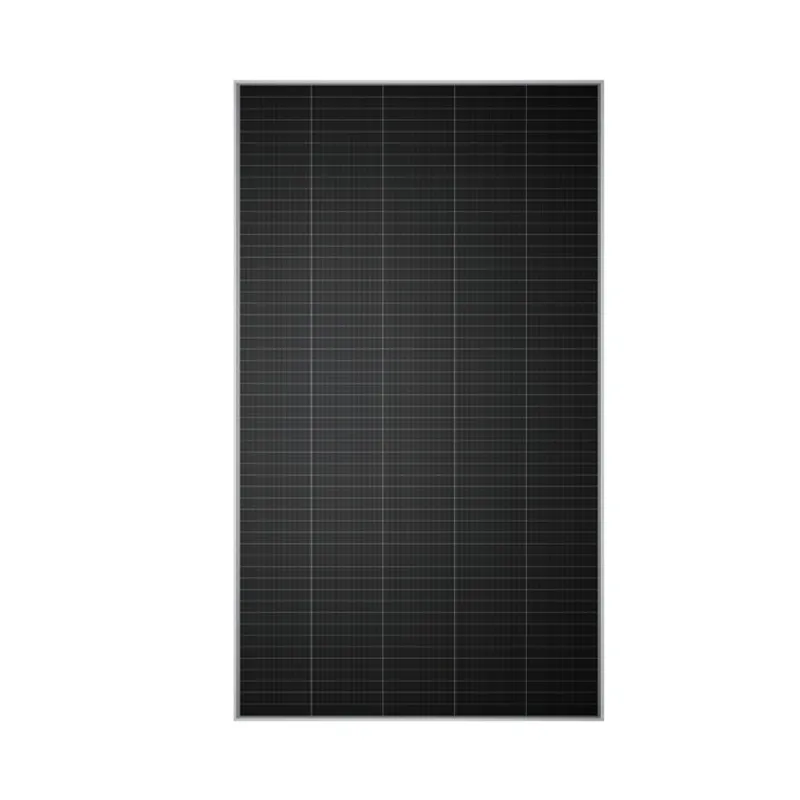
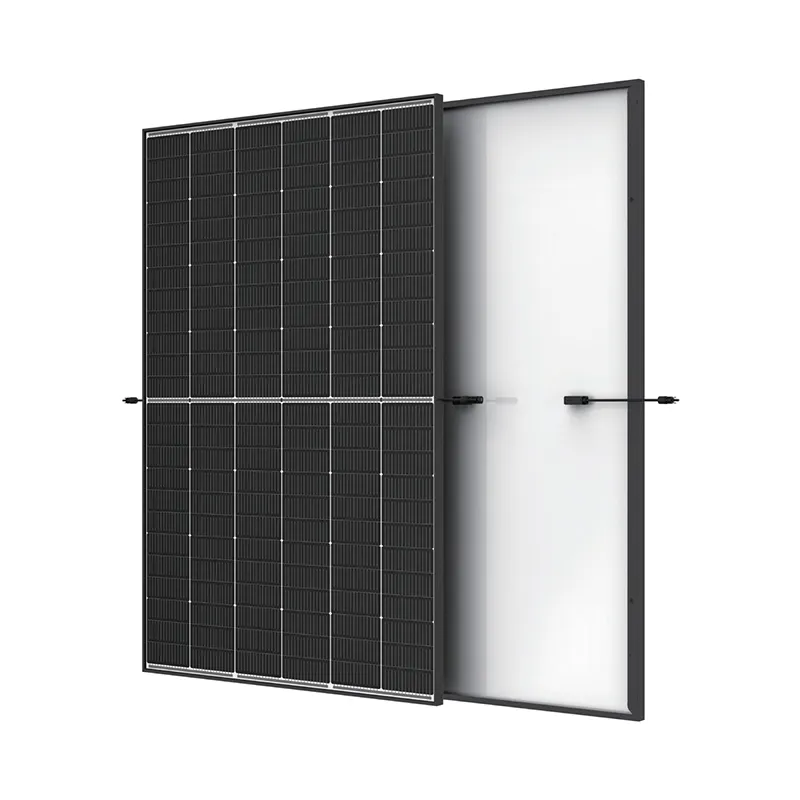
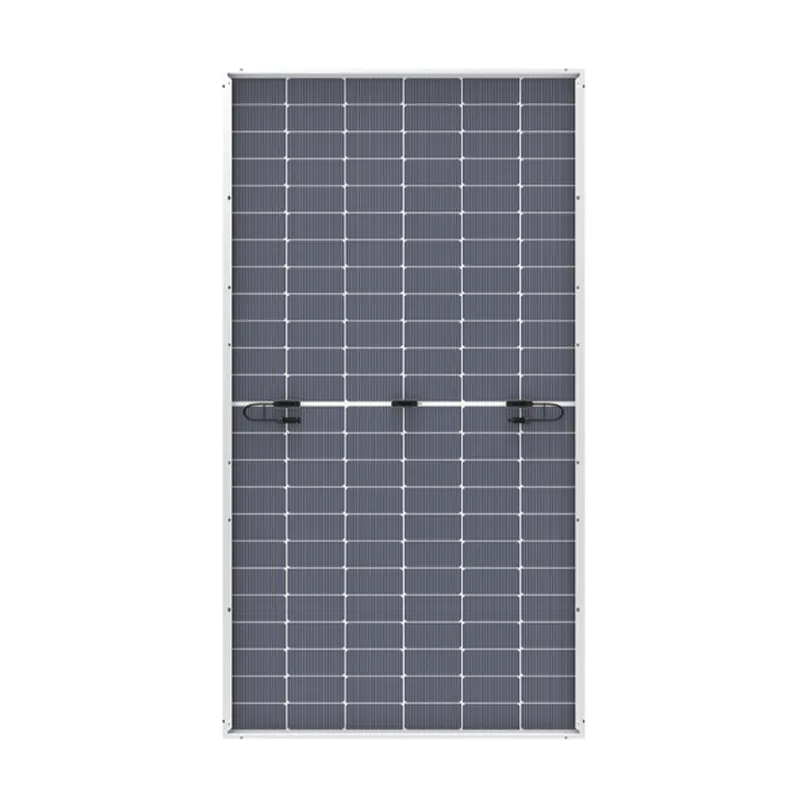
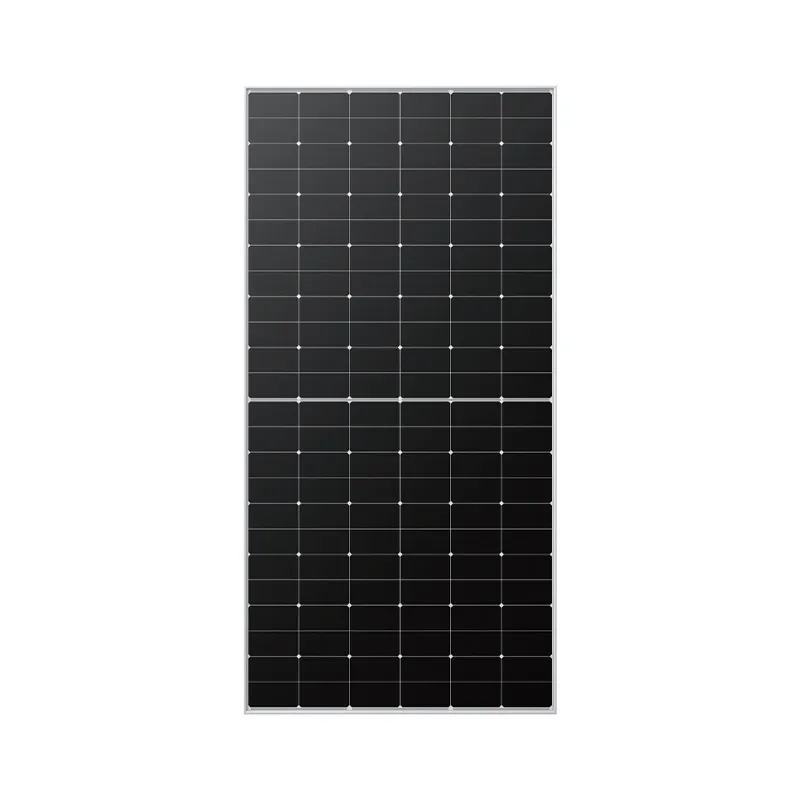
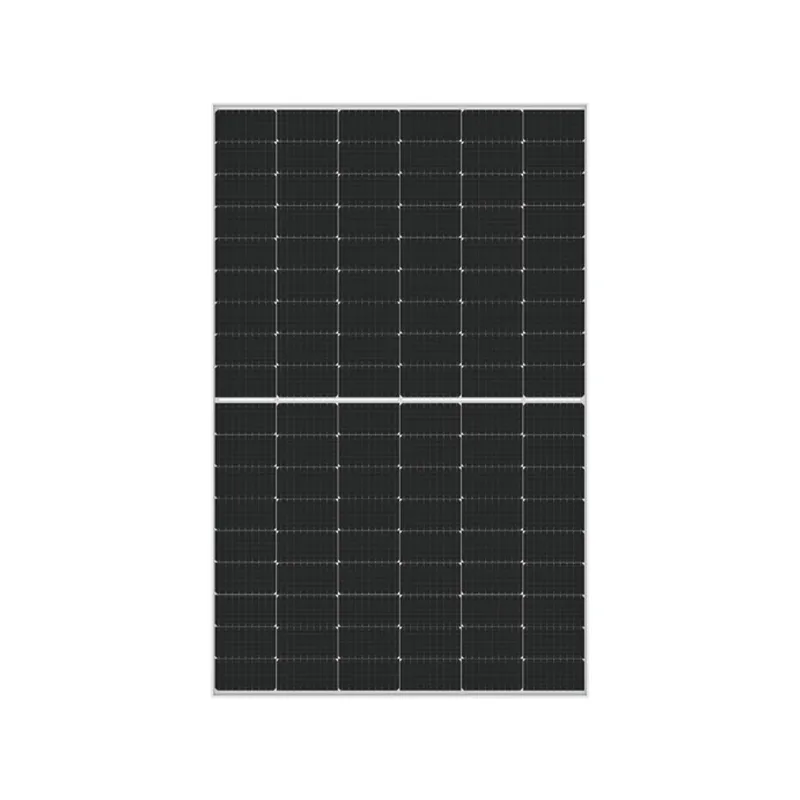
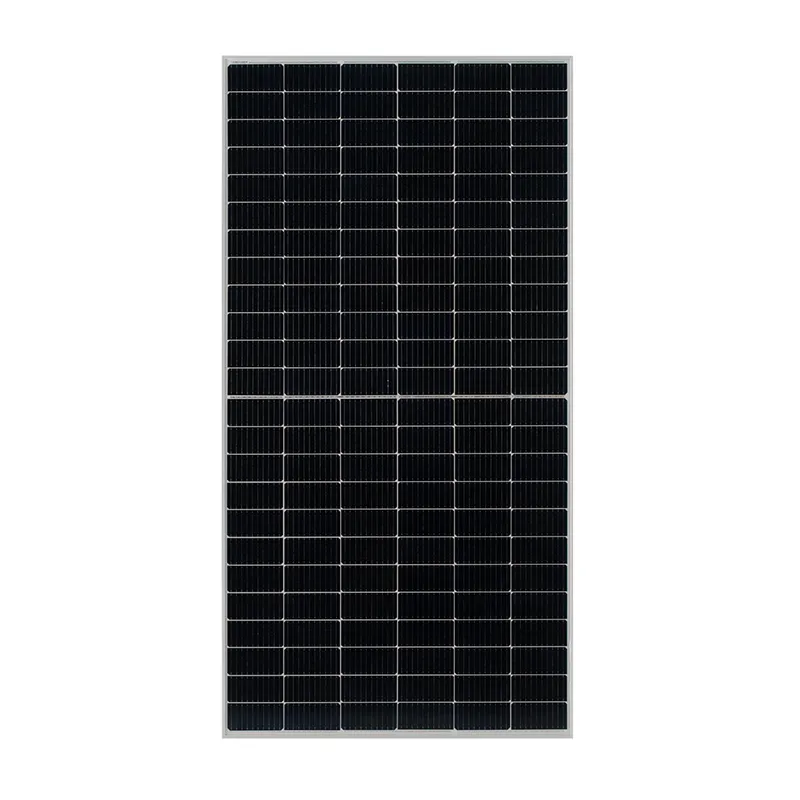
Simply put, a 400 watt solar panel refers to a photovoltaic module designed to produce approximately 400 watts of electrical power under standard test conditions. The “size” in this context isn’t just physical dimensions but also its rated power output capacity.
Panels around this wattage are typically around 1.7 to 2 meters in length and about 1 meter wide, though physical sizes can slightly vary based on manufacturer design choices. They commonly use monocrystalline silicon cells for better efficiency.
In tangible terms, onboard a residential rooftop or a commercial solar farm, these panels deliver a solid balance between array footprint and power generation—ideal where space can be limited or where scaling incrementally makes practical sense.
Key Components and Factors Influencing 400 W Solar Panels
1. Power Output and Efficiency
These panels achieve around 19% to 21% efficiency, which means about one-fifth of the sunlight hitting the panel turns into usable electricity. Advances in cell technology and manufacturing quality affect these numbers every year.
2. Durability and Weather Resistance
Being outdoors all day means exposure to hail, wind, snow, and heat. Reliable 400 W panels come with rugged tempered glass and sturdy frames to survive harsh conditions for 25+ years.
3. Size and Weight
Though watt capacity is key, physical panel size impacts installation logistics—roof load limits, panel spacing, and overall system layout.
4. Cost Efficiency
Panels in this category often balance upfront cost with long-term energy output well, which appeals both to residential buyers and commercial developers focused on ROI.
5. Scalability
They’re modular by nature—perfect to combine in strings or arrays that can power a small home or a massive solar farm alike.
400 w solar panel size options often reflect manufacturers’ incremental design improvements—whether it’s in cell passivation techniques or frame metallurgy. Engineers keep matching form and function in these panels.
Real-World Applications of 400 W Solar Panels
- Residential Systems: For homeowners aiming to offset monthly energy bills, panels around 400 W simplify system size calculations, especially where roof space is limited.
- Commercial Solar Farms: Utility companies deploy arrays of high-wattage panels, maximizing power output per land unit.
- Off-Grid Villages and Remote Sites: Solar microgrids spread across small communities, islands, or industrial installations rely on these efficient panels for consistent power.
- Disaster Relief: Deployable solar kits with 400 W panels provide vital energy sources for emergency communications and healthcare.
For example, in post-disaster scenarios in the Caribbean, NGOs use solar kits with panels rated at this power range to re-establish essential services quickly without waiting for damaged infrastructure repairs.
Mini takeaway: The 400 W solar panel size's versatility bridges tiny off-grid cabins to sprawling industrial parks worldwide.
Advantages and Long-Term Value
Choosing a 400 watt solar panel brings multiple benefits:
- Cost Savings: Higher wattage means fewer panels needed for a given power output, lowering balance-of-system costs.
- Eco-Friendly Electricity: Reduced carbon footprint by generating renewable energy.
- Reliability: Proven designs last decades with minimal performance degradation.
- Energy Independence: The sense of security from producing your own power, especially in unstable grids.
- Social Impact: Enabling electrification in underserved areas improves quality of life and economic opportunities.
There’s an emotional thread, too—knowing you contribute positively to the planet while gaining dependable power. It’s a reassuring blend of innovation and trustworthiness.
Future Trends and Innovations
Solar tech doesn’t stand still. Emerging trends influencing the 400 W panel market include:
- Perovskite-Tandem Cells: Promising efficiencies over 25%, potentially transforming panel output soon.
- Smart Panels with IoT Sensors: Real-time performance monitoring for optimized energy management.
- Recycling and Sustainability: Design for end-of-life panel recycling is becoming a policy focus globally (ISO standards are evolving).
- Digital Twin and Automation in Manufacturing: Enhancing quality control and reducing costs.
These innovations will shape the next generation of 400 W panels — more efficient, more adaptable, and kinder to the environment.
Addressing Challenges with 400 W Solar Panels
Some hurdles remain:
- Installation Complexity: Higher wattage panels can be heavier and physically larger, complicating rooftop installs.
- Supply Chain Constraints: Raw materials like polysilicon sometimes experience shortages.
- Performance Variability: Real-world output depends on shading, orientation, and temperature.
Specialists recommend precise site evaluation and choosing vendors with strong warranties. For instance, technological improvements in bypass diodes and frame design mitigate hot-spot risks that used to plague some panels.
Frequently Asked Questions About 400 W Solar Panel Size
- What is the typical physical size of a 400 watt solar panel?
- Most 400 W panels measure roughly 1.9m by 1m, but exact dimensions vary by brand. It balances high output without becoming unwieldy for installation.
- Can I use 400 W solar panels on smaller residential roofs?
- Absolutely. Their efficiency means fewer panels for the same energy, great where rooftop space is limited.
- How long do 400 watt solar panels usually last?
- With proper care, they last 25-30 years. Performance warranties commonly guarantee 80% output at 25 years.
- Are 400 W solar panels suitable for off-grid applications?
- Yes, they’re ideal for remote locations needing reliable energy without grid connection, especially when paired with battery storage.
Product Specification Table
| Specification | Detail |
|---|---|
| Rated Power | 400 Watts |
| Efficiency | 19% - 21% |
| Dimensions | ~1.9m x 1m |
| Weight | ~18-22 kg |
| Warranty | 25 years performance |
Vendor Comparison Table
| Vendor | Price per Panel | Efficiency | Warranty | Key Feature |
|---|---|---|---|---|
| Benjiu Solar | $210 | 20.5% | 25 years performance | High durability, customizable framing |
| EcoSun Panels | $225 | 19.8% | 25 years performance | Integrated smart monitoring |
| SolarX Tech | $200 | 19.2% | 20 years product | Lightweight design |
Conclusion: Why the 400 W Solar Panel Size Is a Smart Choice
In real terms, the 400 w solar panel size offers a reliable, efficient stepping stone for anyone investing in solar—whether homeowners dreaming about cleaner energy or enterprises scaling up a renewable portfolio. The balance of power output, size, and cost-efficiency is delicate, but manufacturers have honed this wattage class as a new industry frontier that keeps getting better.
If you’re considering solar power solutions, exploring this segment is a practical starting point. Check out options, evaluate your space and energy requirements, and keep an eye on rapidly evolving industry advances. Solar’s future looks bright, and 400 W panels are part of its backbone.
Ready to learn more or find the best panel for your project? Visit Benjiu Solar and power your plans sustainably.
It’s a small detail in manufacturing specs, but oddly enough, it’s a world-changer in practice.
-
Designing a Modern Home Roof Made Out of Solar Panels GuideNewsApr.16,2026
-
Guide to the Size of 150 Watt Solar Panel for Your ProjectNewsApr.09,2026
-
Understanding the Dimensions and Applications of a 200W Solar PanelNewsApr.07,2026
-
Understanding the Dimensions and Factors of a 330W Solar Panel SizeNewsApr.04,2026
-
Understanding the Size and Dimensions of a 4kW Solar Panel System for Your HomeNewsMar.31,2026
-
Comprehensive Guide to Sizing Your Solar System for Optimal Energy ProductionNewsMar.28,2026