Comprehensive Guide to 300w Solar Panel Size: Specs, Applications & Trends
Understanding the 300w Solar Panel Size: Why It Matters Today
The 300w solar panel size often comes up in conversations about renewable energy, but what exactly does it mean, and why is it so important globally? As the world pushes toward sustainable solutions amidst climate change, understanding the dimensions and power capacity of common solar panels like the 300w model helps individuals, businesses, and communities make informed decisions. This size balances efficiency, scalability, and ease of installation — three factors critical for expanding solar adoption worldwide.
Global Relevance of the 300w Solar Panel Size
Solar energy growth is staggering — in 2023, global solar capacity topped 1 terawatt, rapidly increasing from just decades ago (IEA, 2023). Panels like the 300w model play a key role. They’re the workhorses behind residential, commercial, and even humanitarian projects. The UN’s Sustainable Development Goals explicitly call for increased access to clean, affordable energy (SDG 7), and 300w panels often hit that sweet spot between cost, output, and size.
However, challenges persist. Some regions struggle with space limitations, transport logistics, or cost barriers — making the choice of panel size and power output crucial. The 300w panel’s size helps mitigate some of these issues without sacrificing too much energy production.
Defining the 300w Solar Panel Size
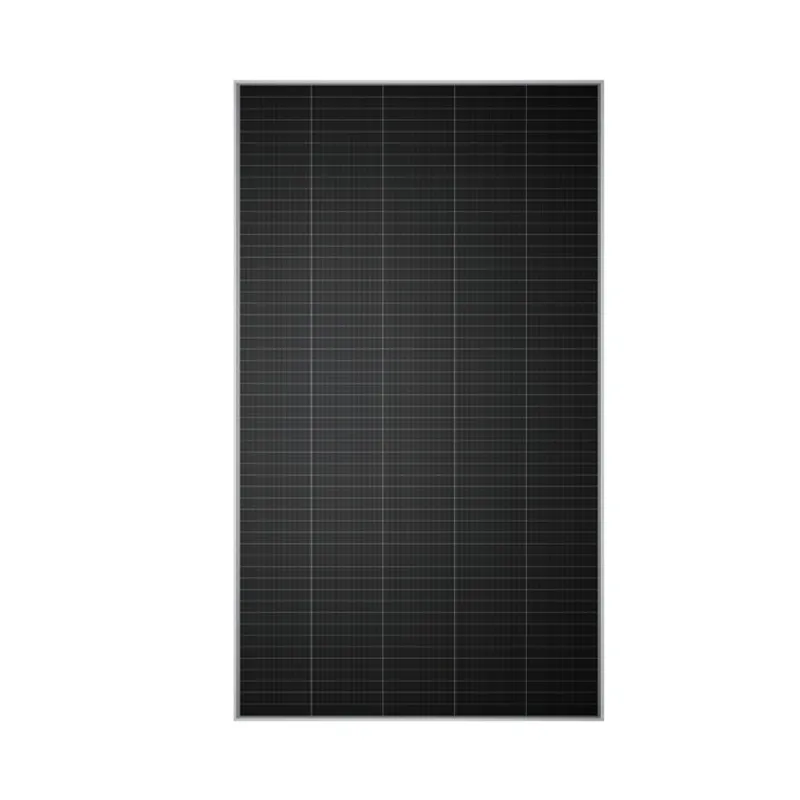
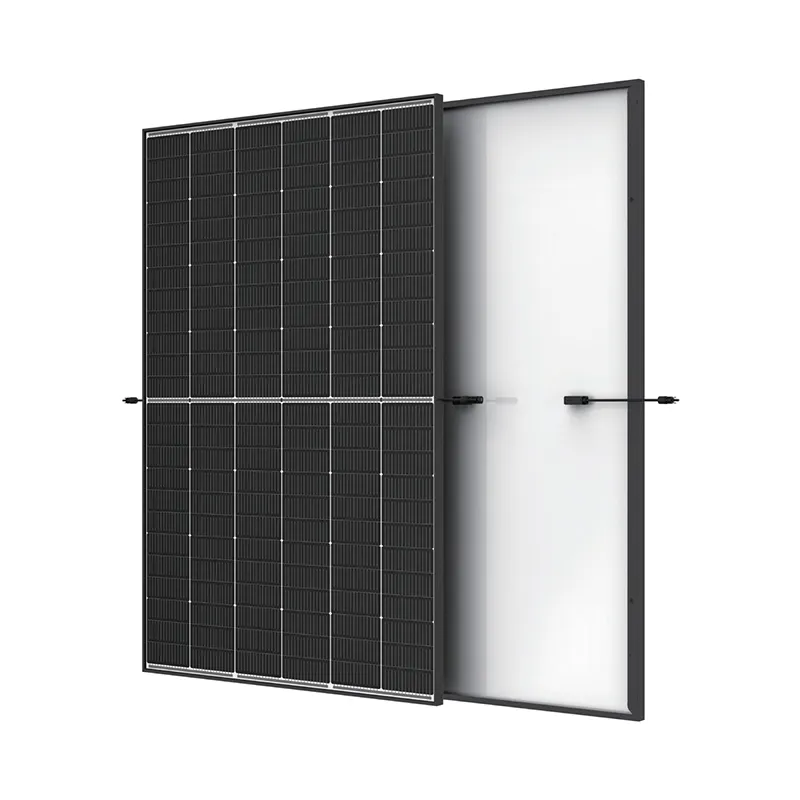
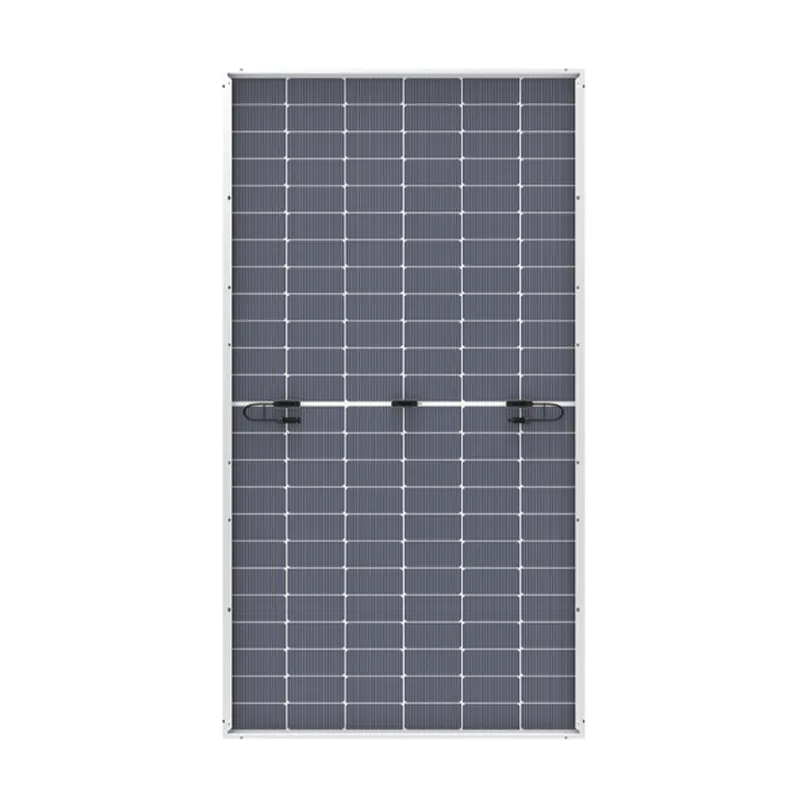
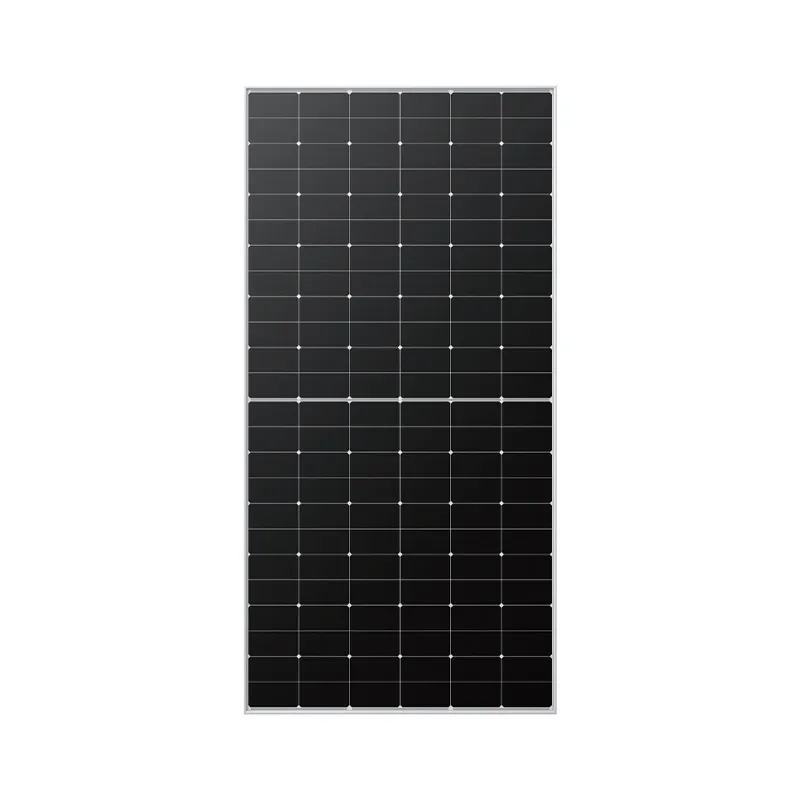
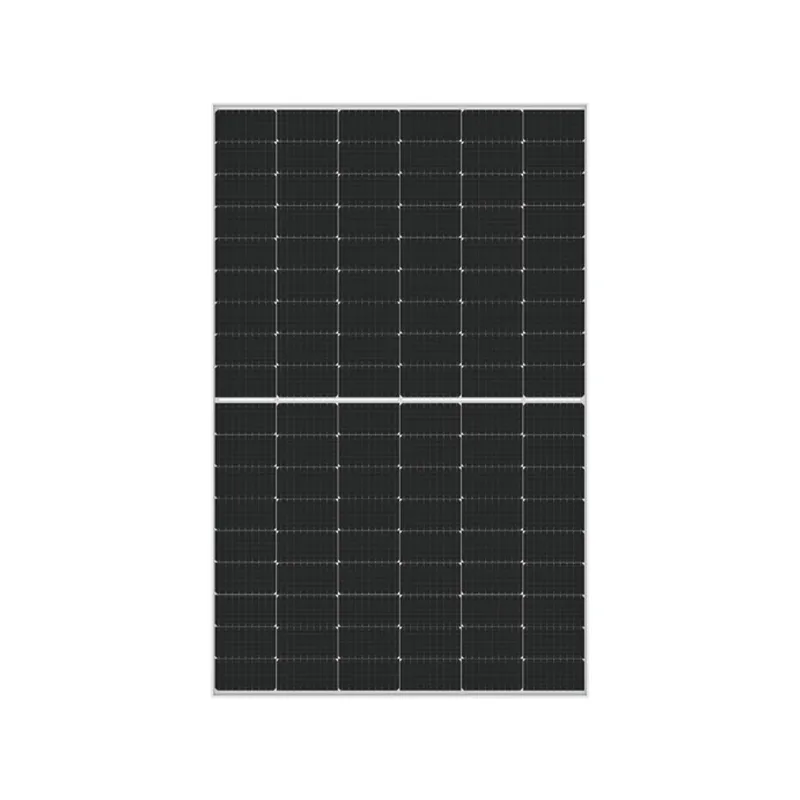
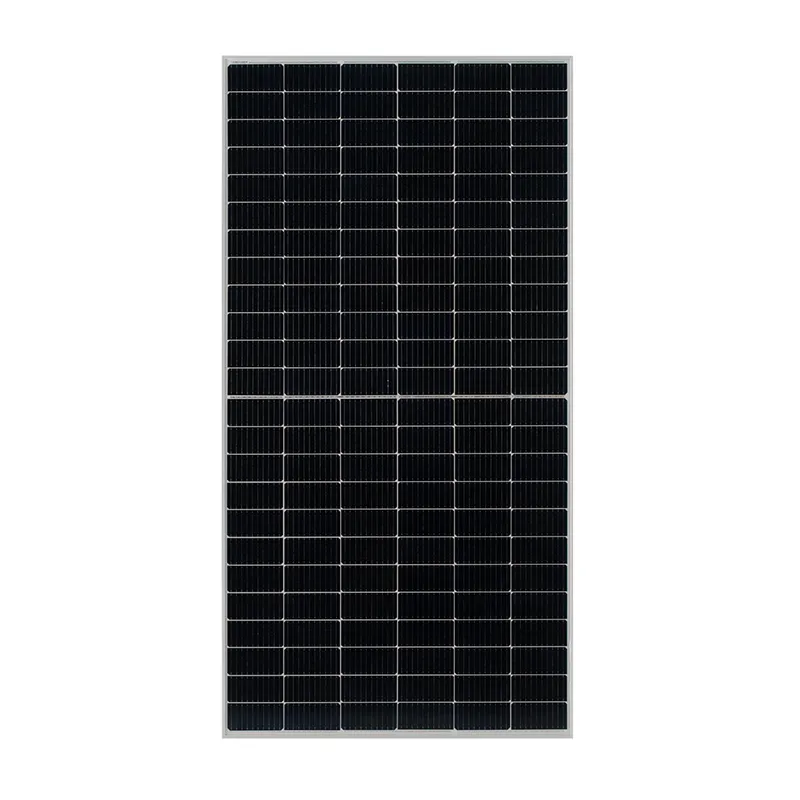
In simple terms, a 300w solar panel size refers to panels that generate approximately 300 watts of direct current (DC) power under standard test conditions. Physically, these panels usually measure around 1.6 meters by 1 meter (though exact dimensions vary by manufacturer), making them a practical middle ground — neither too bulky nor too small. This power rating also relates directly to how much energy, on average, a panel can produce during peak sunlight hours.
This size links closely with modern solar applications — from rooftop solar systems for homes to deployment in remote areas where larger panels simply can't fit or be easily maintained. It’s no surprise aid organizations or off-grid communities favor them.
Key Factors Influencing the 300w Solar Panel Size
1. Durability
Panels must withstand harsh weather — rain, wind, hail — without performance loss. Many 300w panels boast tempered glass and robust frames to endure such conditions.
2. Scalability
Because they’re of moderate size, these panels can be combined flexibly. Users can scale systems up or down depending on power needs, space, or budget.
3. Cost Efficiency
300w panels generally offer a good balance between upfront price and energy output, making solar more accessible.
4. Installation Convenience
Handling and mounting these panels is feasible without heavy machinery, often simplifying projects in hard-to-reach locations.
Quick Summary:
- 300w panels offer a practical size for versatile use.
- They balance physical dimensions with meaningful energy output.
- Durability and ease of installation add to their appeal.
Product Specification Table: Typical 300w Solar Panel
| Feature | Specification |
|---|---|
| Power Output | 300 Wp (Watts peak) |
| Dimensions | Approx. 1640 mm × 992 mm × 40 mm |
| Weight | ~18 kg |
| Cell Type | Monocrystalline or Polycrystalline |
| Warranty | Typically 25 years performance guarantee |
| Efficiency | 15%–20% |
Global Applications & Use Cases of 300w Solar Panels
Oddly enough, these panels pop up everywhere—from quiet suburbs in the US to the rugged terrain of rural Africa. They’re favored in:
- Residential rooftops: Homeowners seeking reliable and compact solar units find the 300w panel ideal.
- Remote off-grid power: In isolated villages or scientific research stations, where transporting large panels is challenging.
- Disaster relief deployments: Quickly deployable to ensure power for communication and medical equipment.
- Commercial and industrial sites: Sometimes used in clusters to meet mid-range power needs.
For instance, after natural disasters like typhoons in Southeast Asia, NGOs use 300w panels to power essential services until grid restoration — a tangible example of their impact.
Vendor Comparison: Popular 300w Solar Panel Manufacturers
| Brand | Efficiency | Warranty | Price (approx.) | Special Feature |
|---|---|---|---|---|
| Benjiu Solar | 19.5% | 25 years | $150–$170 | Durable frame, optimized for easy installation |
| SunPower | 22.6% | 25 years | $250–$280 | Highest efficiency, premium materials |
| Canadian Solar | 18.3% | 20 years | $140–$160 | Good balance of cost and reliability |
Advantages & Long-Term Value of 300w Solar Panels
From a cost perspective, these panels generally deliver a solid return on investment. Their moderate size means they’re less intimidating entry-points for residential adopters or small businesses. In sustainability terms, harnessing clean energy reduces fossil fuel reliance, cutting emissions over decades.
Long-term value isn’t just about dollars saved. It’s about securing power access — a factor that fosters dignity and safety in vulnerable regions. Frankly, the quiet reliability of a 300w panel can feel like a lifeline.
Future Trends and Innovations
Looking ahead, the 300w solar panel size will likely see improvements in cell efficiency and material durability thanks to ongoing research in perovskite coatings and bifacial designs. Digital monitoring and integration with smart grids will also boost their appeal for grid-tied systems.
Additionally, policies like net metering and renewable subsidies are making 300w setups increasingly attractive.
Challenges & Solutions
That said, challenges remain: efficiency losses under high temperatures, degradation over time, and supply chain bottlenecks for the materials needed. But companies continuously innovate with heat-tolerant cells, stronger warranties, and localizing production to combat these issues.
FAQ: Frequently Asked Questions About 300w Solar Panel Size
- Q: How much roof space does a 300w solar panel require?
A: Typically, a 300w panel measures about 1.6 meters by 1 meter, so it needs roughly 1.6 square meters of space. Keep in mind, for installation and airflow, you’ll want a little extra room around each panel — so factor that in during planning. - Q: Can 300w panels power a typical small home?
A: Alone, no single panel can power a whole home; however, multiple 300w panels combined can meet or exceed average residential electricity needs, depending on geographic location and consumption habits. - Q: Are 300w panels suitable for off-grid systems?
A: Absolutely. Their manageable size and reliable output make them a popular choice for off-grid and remote power solutions, often paired with battery storage. - Q: What is the lifespan of a 300w solar panel?
A: Most quality 300w panels come with a 25-year performance warranty, often lasting 30+ years with gradual performance decline.
Conclusion
The 300w solar panel size represents a highly practical, cost-effective, and versatile solar energy solution. Whether you’re a homeowner venturing into renewables, an NGO powering disaster zones, or a business scaling clean energy, this size delivers long-term value backed by trusted technology. Curious to explore the perfect setup for your needs? Visit our website: 300w solar panel size for more insights and options.
Reflection & References
It’s fascinating how a seemingly simple specification like “300w solar panel size” carries so much weight in today’s energy landscape. The challenge remains in matching the technology with real human needs, which, frankly, is what renewable initiatives are all about.
-
Designing a Modern Home Roof Made Out of Solar Panels GuideNewsApr.16,2026
-
Guide to the Size of 150 Watt Solar Panel for Your ProjectNewsApr.09,2026
-
Understanding the Dimensions and Applications of a 200W Solar PanelNewsApr.07,2026
-
Understanding the Dimensions and Factors of a 330W Solar Panel SizeNewsApr.04,2026
-
Understanding the Size and Dimensions of a 4kW Solar Panel System for Your HomeNewsMar.31,2026
-
Comprehensive Guide to Sizing Your Solar System for Optimal Energy ProductionNewsMar.28,2026