Comprehensive Guide to 350 kw Solar Panel Price – Costs, Applications & Future Trends
Understanding the 350 kw Solar Panel Price: Why It Matters Globally
When we talk about the 350 kw solar panel price, we're zeroing in on a vital piece of the puzzle in today’s renewable energy revolution. Frankly, it’s more than just a number—this price point often marks the turning point for many businesses and communities deciding whether to invest heavily in solar power. Globally, as concerns over climate change escalate and energy demands surge, knowing the true costs and benefits behind such a mid-scale solar installation can shape everything from corporate strategy to national policy.
Solar energy has become a beacon of hope—not just for reducing emissions but also for enabling remote areas to access electricity. Understanding the 350 kw solar panel price means we grasp how affordable, scalable, and transformative renewable power really is. Oddly enough, while prices have dropped dramatically over the past decade, the complexities behind those numbers remain underappreciated.
Global Context: Why 350 kw Solar Panel Price Matters
According to the International Renewable Energy Agency (IRENA), solar photovoltaic (PV) systems have seen a 90% drop in cost since 2010, fueling global adoption. The World Bank reports that solar capacity additions are booming in developing countries—many of which find the 350 kw scale ideal for community projects or small industries. Yet, price fluctuations due to supply chain disruptions, tariffs, and local regulations mean understanding the 350 kw solar panel price remains challenging.
One challenge? Many businesses grapple with upfront investments versus long-term savings. The right price can make the difference between committing to a renewable future or sticking to fossil fuels. This balance impacts the UN’s Sustainable Development Goal 7: affordable, reliable, sustainable energy for all.
Defining the 350 kw Solar Panel Price
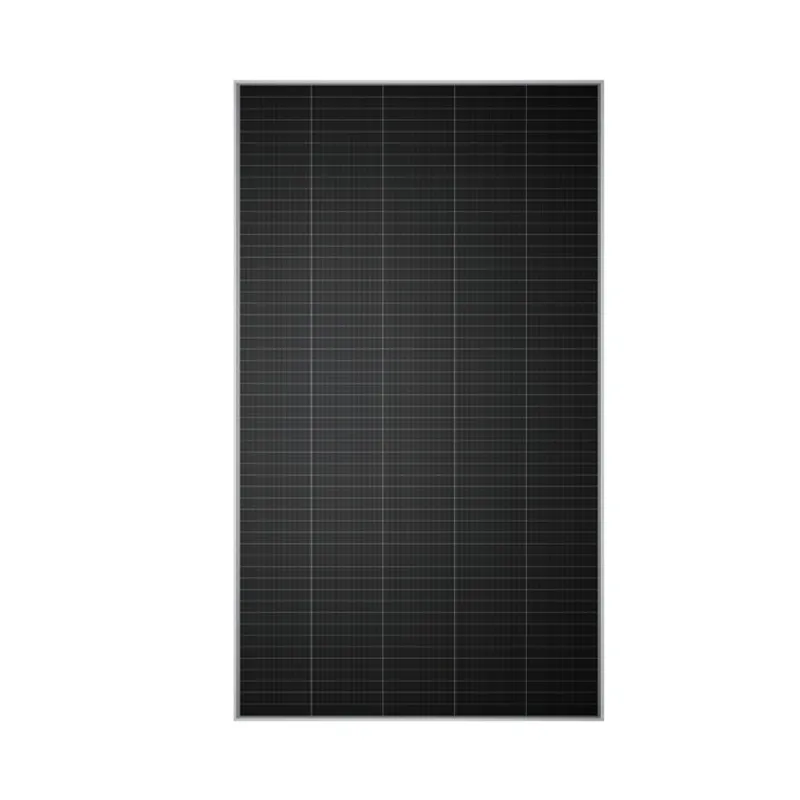
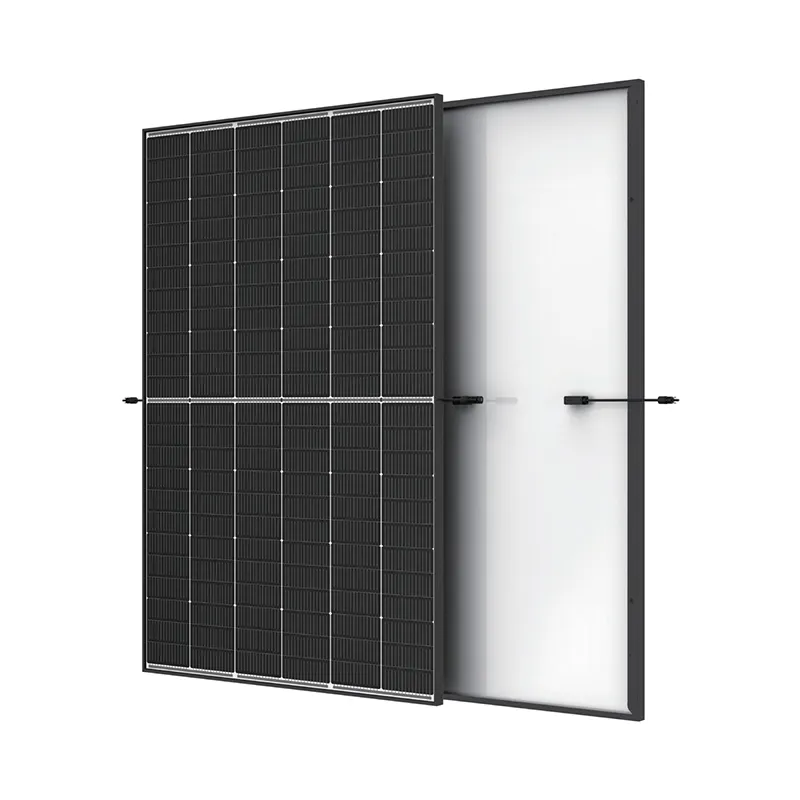
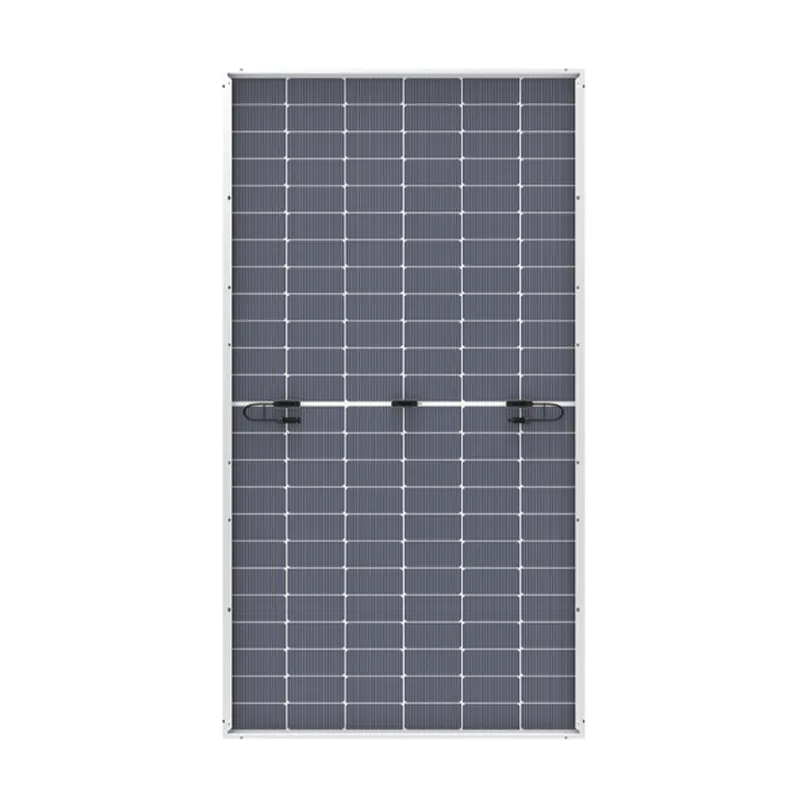
Put simply, the 350 kw solar panel price refers to the total cost to purchase and install an array of solar panels capable of producing 350 kilowatts of power. This often includes the panels themselves, inverters, mounting hardware, wiring, and installation labor. For context, a 350 kw system can power approximately 100-150 average homes in the U.S., or fuel industrial applications, remote community microgrids, and even agricultural irrigation.
This isn't just an industrial figure—it's tied directly to humanitarian needs and green industry goals. In refugee camps or disaster-stricken areas, solar arrays of this size can provide critical power quickly without relying on fragile fuel supply chains. So, the price point has real-world impact beyond just economics.
Key Factors Affecting the 350 kw Solar Panel Price
1. Panel Type and Efficiency
Monocrystalline panels, known for their higher efficiency, typically cost more upfront than polycrystalline or thin-film alternatives. This means a better return on investment over time but a bump in initial price.
2. Installation and Labor Costs
Regional labor rates and complexity affect costs. For rooftop vs. ground-mounted systems, the requirements differ and thus shift the final pricing.
3. Balance of System (BOS) Components
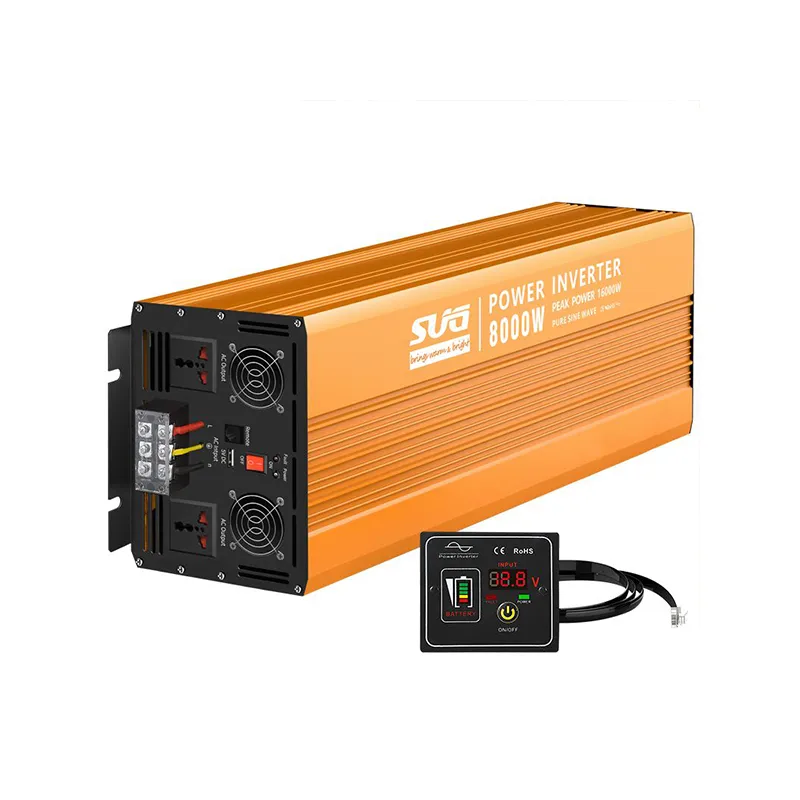
Inverters, mounting racks, wiring, and other hardware can vary widely in quality and price. Durable, corrosion-resistant materials might cost more but ensure longer life.
4. Location and Regulatory Environment
Local tariffs, incentives, and permitting processes contribute to variations. Some countries offer subsidies that bring the price down considerably.
5. Scalability and Future Proofing
Systems designed for easy upgrades might have higher initial costs but save in the long run.
Typical Product Specifications for a 350 kW Solar System
| Specification | Details |
|---|---|
| Panel Type | Monocrystalline Silicon |
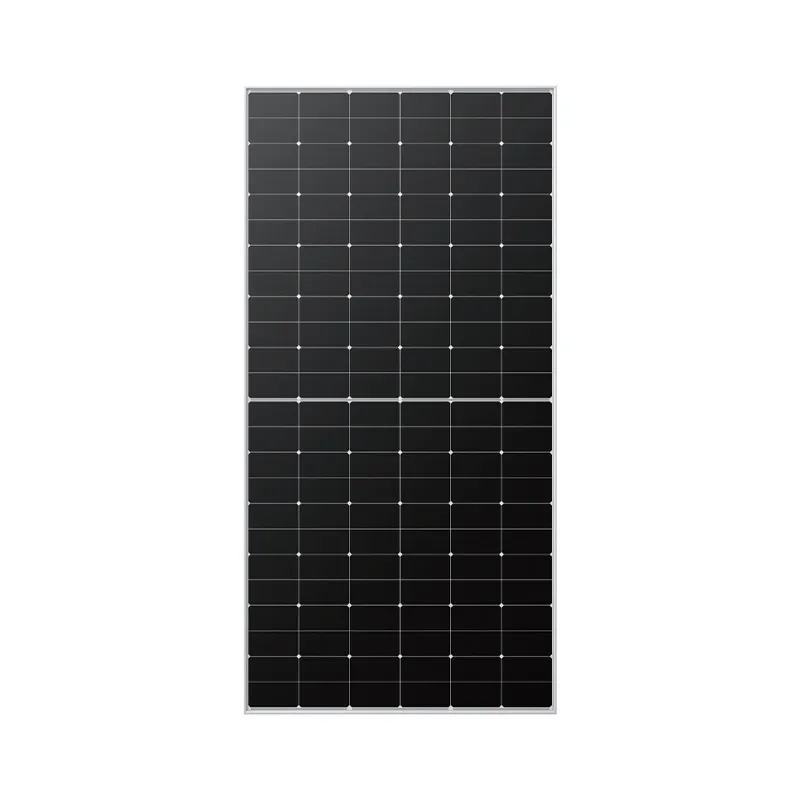
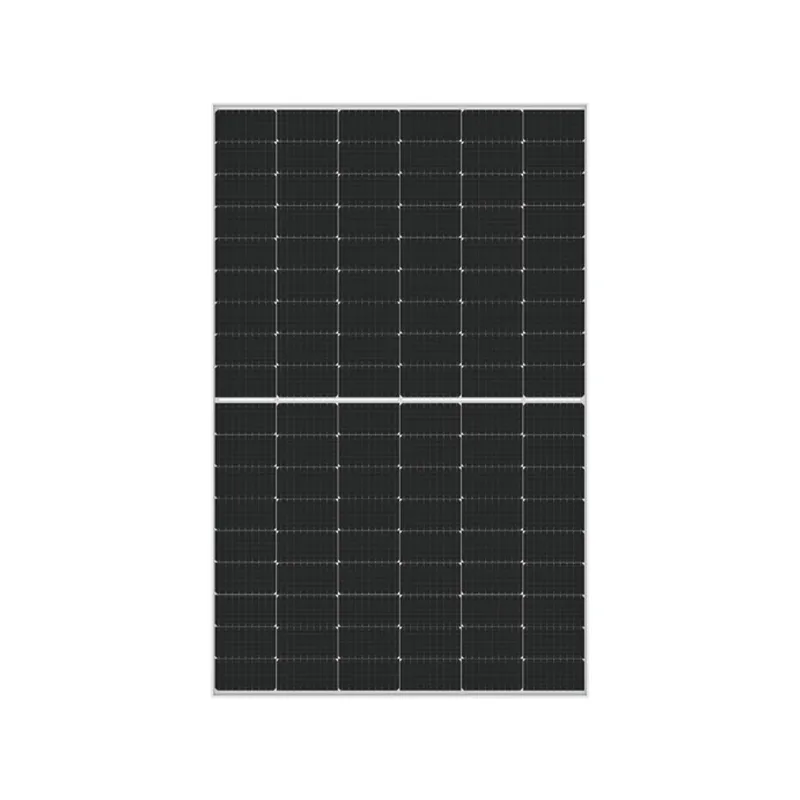
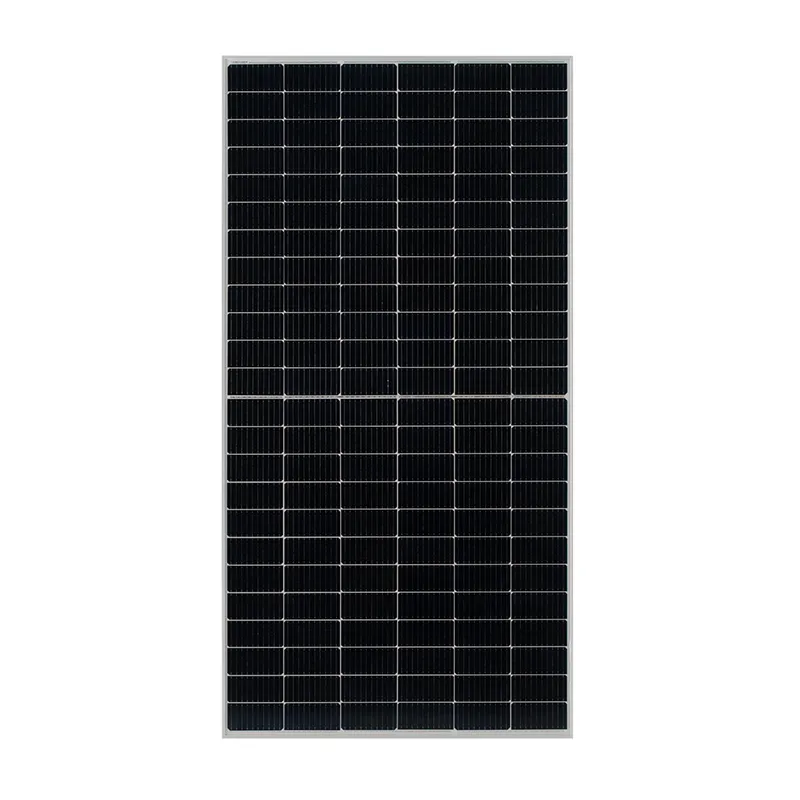
| Number of Panels | ~900 panels (approx. 390W each) |
| Inverter Efficiency | >98% |
| Estimated Annual Output | ~525,000 kWh (varies by location) |
| Estimated System Lifespan | 25+ years |
Mini takeaway: The 350 kw solar panel price is a composite of many parts, from panel efficiency to installation nuances. It’s best considered as an ecosystem rather than a fixed figure.
Comparison of Leading Vendors for 350 kW Solar Panels
| Vendor | Price Range (USD) | Warranty | Panel Efficiency |
|---|---|---|---|
| Benjiu Solar | $190,000 – $220,000 | 25 years | 20.5% |
| SunPower | $210,000 – $240,000 | 25 years | 22.7% |
| LG Solar | $200,000 – $230,000 | 25 years | 21.4% |
Global Applications and Use Cases
The versatility of a 350 kW solar system allows it to fit many real-world scenarios. For instance, in rural India, mid-sized solar farms help power agricultural irrigation without grid dependence. In post-disaster relief operations, such as after hurricanes in the Caribbean, mobile solar arrays of this size restore power critical to hospitals and communication centers.
Industrial facilities in Southeast Asia use these systems to cut down on costly energy imports, combining panels with battery storage for 24/7 reliability. Even municipal governments in Europe leverage 350 kw arrays on public buildings to showcase sustainability commitment.
Mini takeaway: The 350 kw solar panel price is tied closely to its adaptability — powering homes, businesses, and emergency response alike.
Advantages and Long-Term Value of Solar at This Scale
- Cost Savings: Significant reduction in electricity bills over the system’s lifetime, with predictable energy costs shielding users from fuel price volatility.
- Sustainability: Zero emissions during operation, aiding climate goals.
- Social Impact: Powering communities sustainably enhances quality of life and enables educational and economic opportunities.
- Reliability & Safety: Solar systems add energy security, crucial for disaster-prone regions.
- Innovation & Trust: Investing in modern, proven technology signals corporate social responsibility and forward-thinking leadership.
Future Trends and Innovations Impacting 350 kw Solar Panel Price
Looking ahead, the integration of smart inverters and AI-powered energy management is set to optimize performance further. Perovskite solar cells might disrupt market pricing if scaled commercially, lowering panel costs and improving efficiency. Governments worldwide are also crafting policies to make investments in mid-scale solar like 350 kW projects more attractive, through subsidies and streamlined permits.
Energy storage advancements dovetail with lowering solar prices, addressing intermittency issues. Digital tools allow real-time monitoring, reducing operational costs.
Challenges and Solutions
One hurdle is upfront capital. Solar requires significant investment before savings begin. Solutions include leasing models or power purchase agreements (PPAs) that reduce initial barriers. Another challenge? Supply chain volatility affecting component prices. Here, local manufacturing and diversified sourcing offer resilience. Weather variability impacts output, but combining solar with batteries and demand management software smooths supply.
FAQ: Frequently Asked Questions About 350 kw Solar Panel Price
- Q: What factors most influence the cost of a 350 kW solar installation?
A: Major factors include the type and efficiency of panels used, installation complexity, regional labor costs, and regulatory charges or incentives. Costs also vary based on necessary balance-of-system components. - Q: How long does it take to recoup the initial investment at this scale?
A: Payback typically ranges from 5 to 10 years, depending on local electricity prices, solar irradiance, and available incentives. - Q: Are 350 kw systems scalable for future expansion?
A: Yes, many systems are designed to integrate additional panels and energy storage, offering flexibility for growing energy needs. - Q: How can smaller businesses benefit from understanding the 350 kW solar panel price?
A: Understanding pricing at this scale helps assess project feasibility and compare it with other energy sources, empowering informed decisions about sustainability investments. - Q: What support services are typically included in the price?
A: Services may include design consultation, installation, warranties, and sometimes system monitoring, but this varies by vendor.
Conclusion: The Long-Term Value of Knowing the 350 kw Solar Panel Price
Grasping the nuances of the 350 kw solar panel price isn’t just for engineers or procurement officers. It shapes how communities transition to cleaner, more reliable energy, affects business sustainability, and influences the very future of energy infrastructure. As solar technology advances and costs continue to drop, understanding these details can provide confidence in investment decisions and foster trust in renewable solutions.
If you’re ready to explore options, or just want to keep up with industry trends, visit Benjiu Solar — they specialize in scalable solar solutions that balance quality and cost efficiently.
Ultimately, solar power at this scale offers a bridge to a more sustainable world, and knowing the price behind it is the first step to crossing that bridge.
Quick takeaway: The 350 kw solar panel price serves as a pivotal threshold where technology, cost, and impact meet—knowledge here unlocks meaningful change.
References
-
Designing a Modern Home Roof Made Out of Solar Panels GuideNewsApr.16,2026
-
Guide to the Size of 150 Watt Solar Panel for Your ProjectNewsApr.09,2026
-
Understanding the Dimensions and Applications of a 200W Solar PanelNewsApr.07,2026
-
Understanding the Dimensions and Factors of a 330W Solar Panel SizeNewsApr.04,2026
-
Understanding the Size and Dimensions of a 4kW Solar Panel System for Your HomeNewsMar.31,2026
-
Comprehensive Guide to Sizing Your Solar System for Optimal Energy ProductionNewsMar.28,2026