350 Watt Solar Panel Dimensions: Key Specs & Vendor Comparison
350 Watt Solar Panel Dimensions: What You Need to Know
Having spent over a decade working with industrial solar equipment—yeah, the sort of gear that powers everything from remote telecom towers to manufacturing plants—I’ve always found that the physical size of solar panels is just as important as their wattage. When we talk about a 350 watt solar panel dimensions, the details matter for installation planning, system design, and even aesthetics.
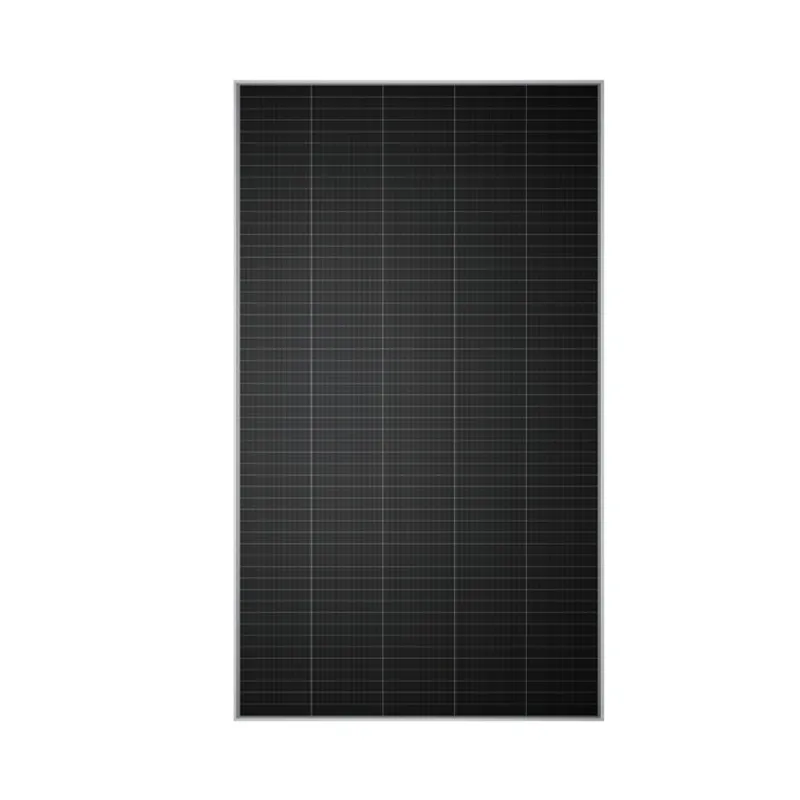
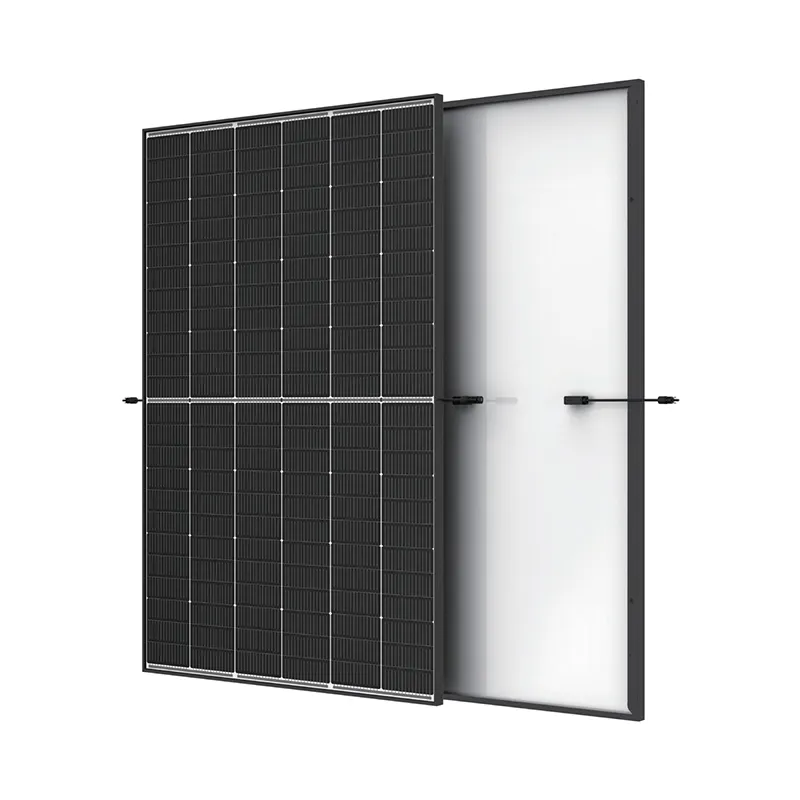
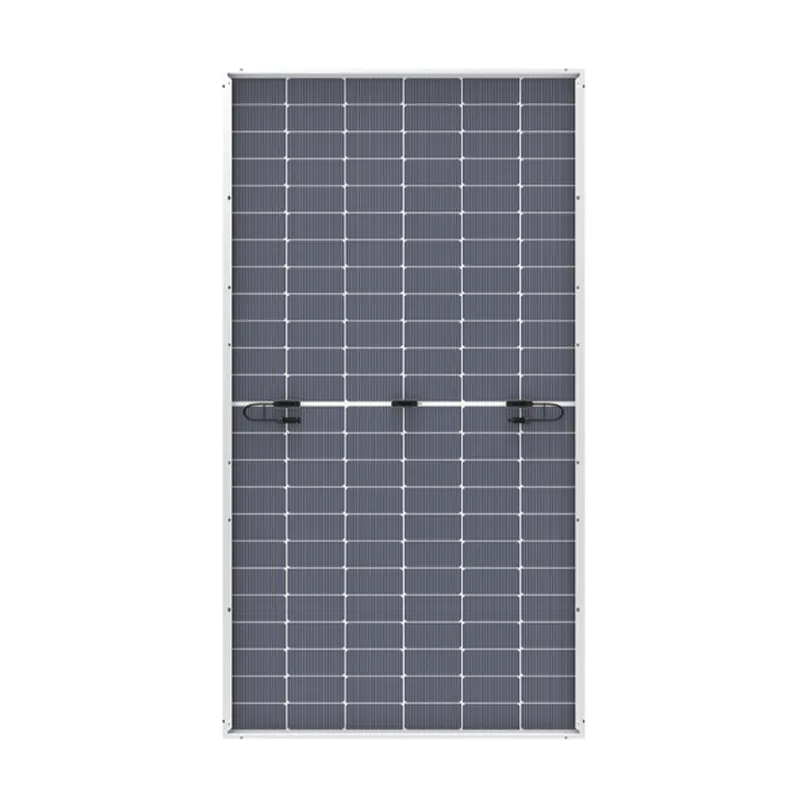
Now, frankly, a 350 watt solar panel sits comfortably in the mid-upper range of residential and small commercial applications. It's one of those sweet spots where you get decent power without imposing a monstrous footprint on your roof. In real terms, these panels typically measure around 1.7 meters by 1 meter—roughly 67 by 39 inches. But let me break this down a bit more.
Oddly enough, despite many manufacturers lumping 350 watt panels into similar size categories, you’ll find slight variations. Frame design, cell technology (monocrystalline usually), and even panel thickness can influence the exact dimensions. It’s not just about the sheer surface area; mounting hardware and connector placement play a big role when it comes to fitting these panels into constrained spaces.
| Specification | Details |
|---|---|
| Panel Type | Monocrystalline |
| Dimensions (L×W×H) | 1700mm × 1000mm × 35mm (67" × 39" × 1.4") |
| Weight | 18 kg (approx. 40 lbs) |
| Efficiency | 18–20% |
| Frame Material | Anodized Aluminum |
| Junction Box | IP67 rated, with bypass diodes |
In my experience, the panel’s shallow depth (often just around 30-40 millimeters) is a huge plus. It makes mounting simpler and reduces wind load — something engineers worry about more often than you’d expect. I once worked on a project where a custom aluminum roof had to be reinforced just because the panels were deeper than the specs suggested. Lesson learned: always ask for exact dimensions, including the mounting bracket thickness, especially when dealing with custom rooftop designs.
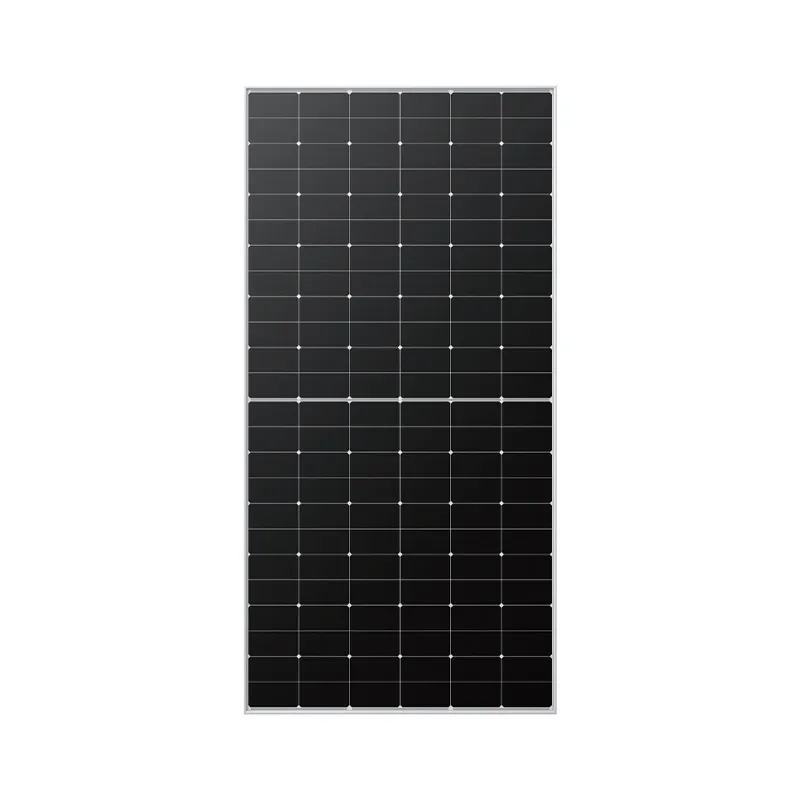
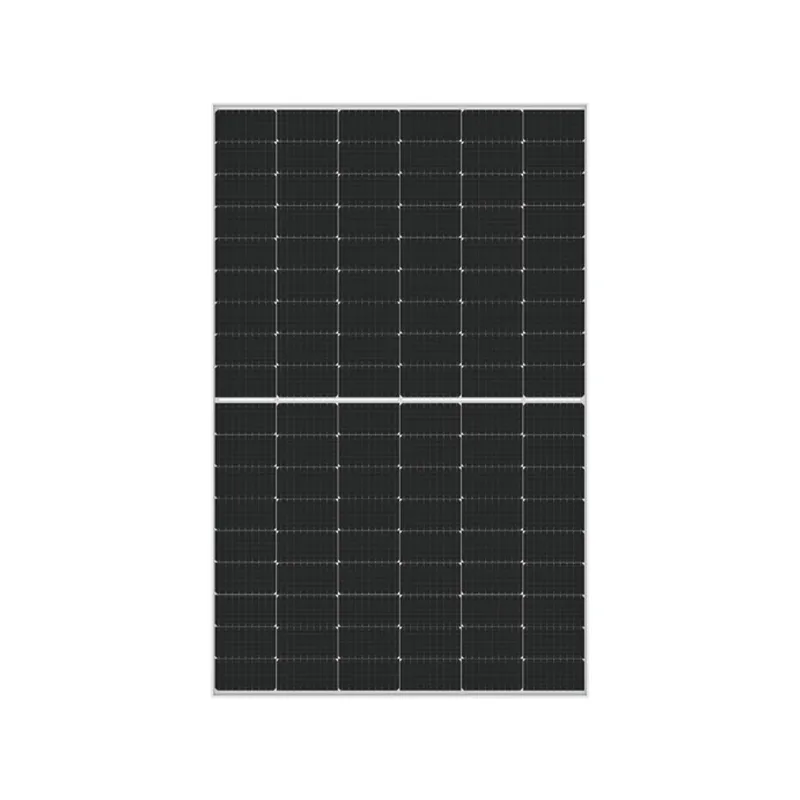
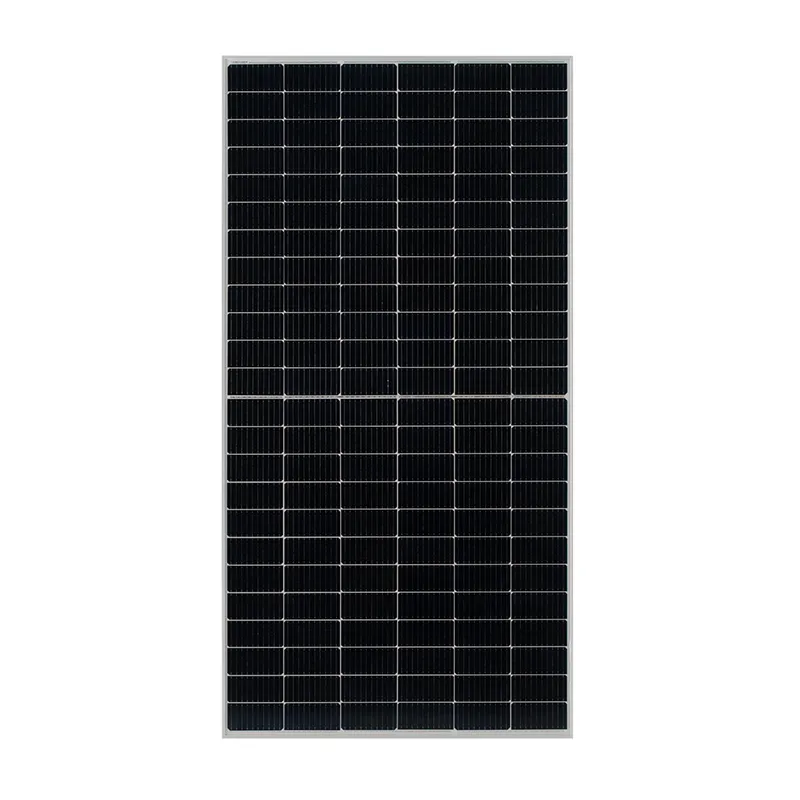
Another consideration, especially with 350 watt panels, is the cell layout. Many manufacturers arrange 60 cells in a 6x10 grid. This, combined with monocrystalline cells, helps hit that power mark in a reasonable size. You can often spot these by the neat, dark blue or black square cells framed in silver or black anodized aluminum.
Speaking of manufacturers, I gathered some quick comparisons of prominent vendors who offer 350 watt panels commonly used in commercial or large residential setups. It’s pretty fascinating to see how subtle differences in dimensions or warranty terms can sway a project’s budget or timeline.
| Vendor | Dimensions (mm) | Weight (kg) | Warranty | Certifications |
|---|---|---|---|---|
| Benjiu Solar | 1700 × 1000 × 35 | 18.5 | 12 years product, 25 years performance | IEC61215, IEC61730, UL |
| SunPower | 1660 × 992 × 40 | 19.0 | 25 years product & performance | IEC, UL, TUV |
| Canadian Solar | 1686 × 1002 × 35 | 18.0 | 10 years product, 25 years performance | IEC, UL |
From these figures alone, you can appreciate the nuanced differences. For example, Benjiu Solar panels, which incidentally I’ve worked with on several turnaround projects, balance the typical industry size and weight but pack in a decent warranty and solid certifications. It’s these little things that often make engineering teams sleep better at night.
If you ask me, the dimensions also speak to reliability. A panel too thin might be lighter but could sacrifice durability in the long run. The anodized aluminum frame—pretty much a standard—is a nice touch that’s saved us from corrosion headaches in humid or coastal installations.
Interestingly, I recall a client once who complained about “just how many” panels they’d need to cover their roof. We ended up optimizing layout by choosing the 350 watt panels because their dimensions helped us get a tight fit. It was kind of like a puzzle — but a satisfying one to solve.
So, when planning your next solar project or just curious about what those 350 watt panels look like size-wise, it pays to get the exact specs ahead of time. Plus, it never hurts to check out providers like Benjiu Solar—they’ve got panels that are industry-standard in dimensions and quality, and well worth considering.
At the end of the day, size isn’t just a number on a spec sheet—it’s the foundation for durability, ease of installation, and long-term performance. Kind of makes you appreciate the engineering behind these power-generating slabs, doesn’t it?
Happy solar sizing! And if you want to dive deeper into panels like these, I’d recommend checking out Benjiu Solar—they’re a solid resource.
References:
- IEC Standards for Photovoltaic Panels (IEC61215, IEC61730)
- “Residential Solar Panel Dimensions,” National Renewable Energy Lab (NREL)
- Personal experience with industrial solar installs (2010–2023)
-
Designing a Modern Home Roof Made Out of Solar Panels GuideNewsApr.16,2026
-
Guide to the Size of 150 Watt Solar Panel for Your ProjectNewsApr.09,2026
-
Understanding the Dimensions and Applications of a 200W Solar PanelNewsApr.07,2026
-
Understanding the Dimensions and Factors of a 330W Solar Panel SizeNewsApr.04,2026
-
Understanding the Size and Dimensions of a 4kW Solar Panel System for Your HomeNewsMar.31,2026
-
Comprehensive Guide to Sizing Your Solar System for Optimal Energy ProductionNewsMar.28,2026